
Feline Hypertension: Why Monitoring Blood Pressure Matters
Does your older cat seem healthy, yet you worry something isn’t quite right? Unfortunately, a common silent threat- high blood pressure- often lurks unnoticed in cats with subtle symptoms. By the time clear symptoms appear, elevated blood pressure may have already caused serious damage to their eyes, kidneys, and heart. Learning about routine screenings and medical management is the best way to catch and control this condition early, giving you peace of mind and supporting your pet’s health.
At The Vale Veterinary Group, our team takes a proactive approach to wellness care. Through comprehensive routine healthcare and advanced diagnostic testing, we regularly screen for subtle changes that can signal emerging health issues like hypertension. Early detection allows us to protect your cat’s sight, kidney function, and quality of life.
Understanding Feline Hypertension
What Is Feline Hypertension?
Feline hypertension refers to persistently elevated blood pressure that exerts extra strain on vital organs. It’s most common in older cats, though any age group can be affected, especially if an underlying condition is present.
Unlike acute spikes in blood pressure caused by stress, true hypertension remains elevated even at rest. It damages small blood vessels over time, particularly those supplying the eyes, kidneys, heart, and brain. The condition can be insidious- often progressing without symptoms until complications occur.
At The Vale Veterinary Group, we make blood pressure monitoring part of every senior health check. Regular screening included in our “Creaky Clinics” enables early intervention and helps us tailor treatment to your cat’s unique health profile.
Causes of Feline Hypertension
Common Underlying Conditions
High blood pressure in cats rarely occurs on its own. It typically develops secondarily to other illnesses. The most frequent culprits are chronic kidney disease and hyperthyroidism. Both cause metabolic and hormonal imbalances that increase pressure on the vascular system.
Additional causes include heart disease and diabetes, which disrupt normal circulation and vascular health. In rare cases, hypertension occurs without a known cause- termed primary or idiopathic hypertension- but it still poses the same risks and requires ongoing monitoring.
Certain risk factors, such as age, obesity, and high-sodium diets, can also make cats more susceptible. At The Vale, we perform comprehensive diagnostic testing- including blood chemistry, urinalysis, and thyroid evaluation- through our in-house laboratory to identify these contributors. Managing underlying disease is essential to achieving long-term control of blood pressure.
We also educate pet owners about home care for at-risk cats, such as maintaining hydration and avoiding over-the-counter medications or supplements that could interfere with blood pressure regulation.
Recognising Symptoms and Getting a Diagnosis
Subtle Signs That Something’s Wrong
Because cats mask illness instinctively, hypertension often escapes detection until damage has occurred.
Common signs include:
- Sudden blindness or dilated pupils- known as “Hypertensive Retinopathy”
- Disorientation or bumping into walls
- Nosebleeds or visible eye bleeding
- Seizures or uncoordinated movements
- Changes in appetite, thirst, or energy
Vision loss can occur abruptly when high pressure ruptures blood vessels in the retina. Other neurological symptoms arise if blood flow to the brain is affected. These changes can seem dramatic but may be reversible if diagnosed early.
Some cats may also show vague signs- such as restlessness, increased vocalization, or sleeping in unusual places. Because these behaviors are easy to overlook, routine screenings are the best way to detect hypertension before symptoms develop.
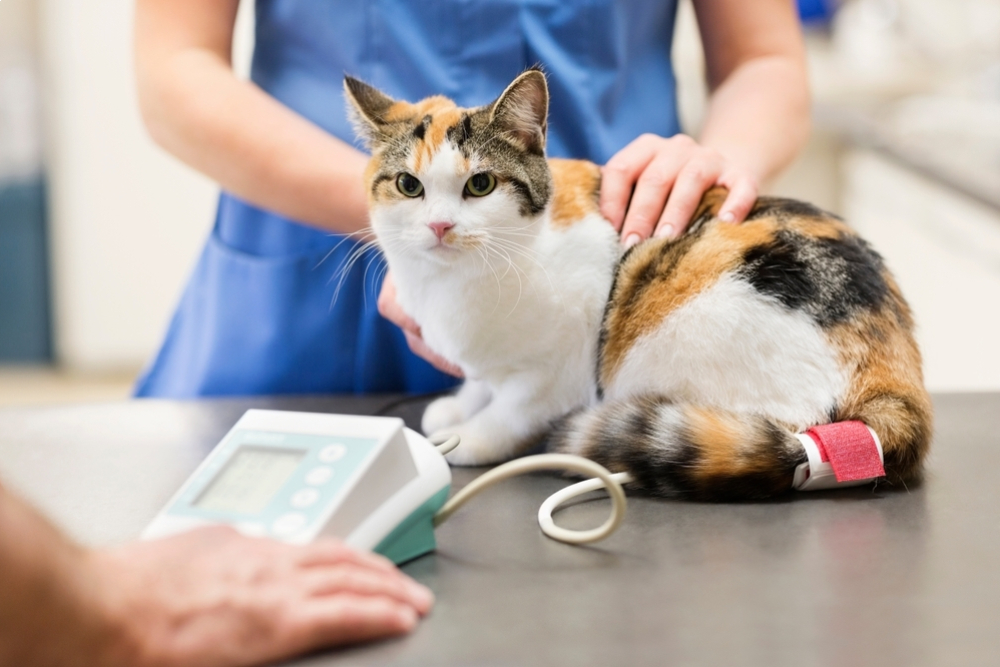
To detect hypertension, our team uses a quiet, cat-friendly approach. Blood pressure is measured using a cuff placed around a paw or tail, much like in human medicine but designed for feline comfort. Eye exams and bloodwork are also performed to evaluate for retinal damage or organ stress. If we identify high readings, we repeat measurements to confirm consistency before proceeding with a treatment plan.
Because hypertension often coexists with other conditions, we also recommend regular monitoring for kidney and thyroid function as part of ongoing small animal care to ensure early detection and comprehensive management.
Treatment and Management Options for Feline Hypertension
Creating a Tailored Veterinary Care Plan
Once diagnosed, treatment focuses on both lowering blood pressure and addressing the root cause. The most common medications include calcium channel blockers- such as amlodipine- which relax blood vessel walls, reducing strain on the cardiovascular system. In some cases, ACE inhibitors may also be prescribed to enhance kidney protection and regulate circulation.
If hypertension results from another disease, such as hyperthyroidism or renal failure, treating that underlying problem can significantly improve outcomes. Regular rechecks allow us to fine-tune medications as blood pressure stabilises.
Nutritional adjustments, including sodium restriction, can support medication effectiveness. We also focus on maintaining a healthy weight, as excess fat increases strain on the heart and arteries. Addressing weight management not only benefits hypertension but also improves overall vitality.
In cats with multi-organ involvement, supporting the liver and kidneys may also be necessary. Monitoring for liver problems allows us to adapt treatment to maintain safety and comfort. We often integrate prescription diets and hydration strategies to help stabilize organ function.
Our veterinarians create step-by-step care plans that outline home routines, medication schedules, and signs to watch for. Many hypertensive cats respond beautifully to consistent management, regaining energy and enjoying a better quality of life with regular follow-up visits.
Lifestyle and Environmental Support for Hypertensive Cats
Reducing Stress and Maintaining Routine
Stress can elevate blood pressure in both humans and cats. Creating a peaceful, structured environment supports cardiovascular health and emotional stability.
Consider the following at-home adjustments:
- Keep feeding and play schedules consistent.
- Provide quiet resting areas away from noise or other pets.
- Introduce gentle, low-stress enrichment such as puzzle feeders or soft playtime.
- Use pheromone diffusers and calming aids when needed.
Recognising your cat’s unique life stressors– like sudden loud noises or unfamiliar guests- can help minimise anxiety. Small changes, such as adding vertical spaces or hiding spots, make a world of difference. Cats with hypertension benefit from predictability; reducing abrupt changes in environment or diet helps maintain stable blood pressure levels.
Our veterinary nurses can provide tailored advice for environmental enrichment during your next health consultation, helping owners build calm, predictable routines that promote long-term wellness.
Proactive Hypertension Management and Long-Term Care
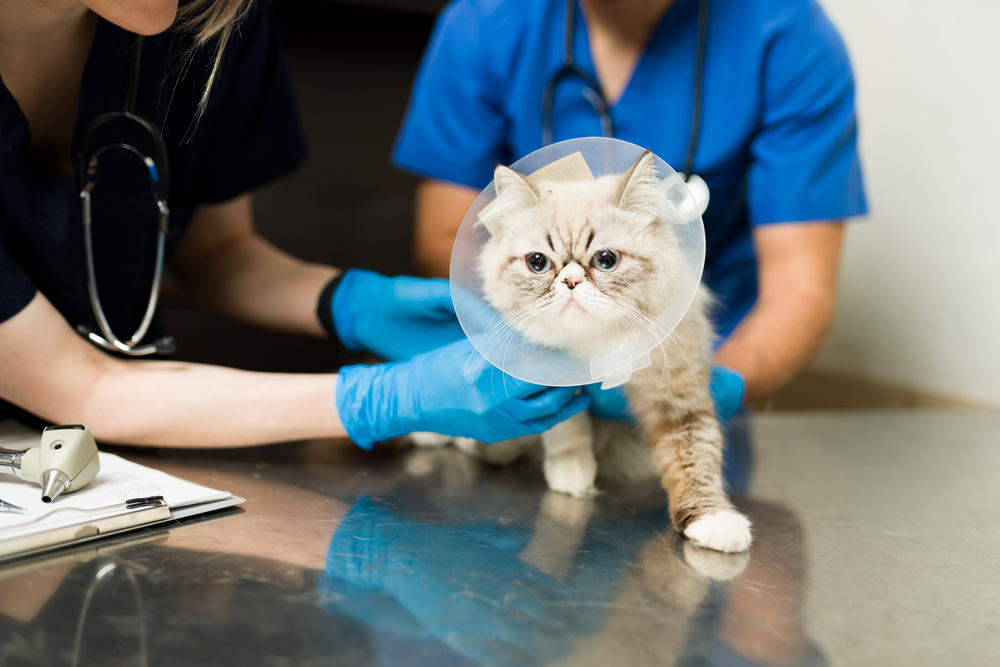
Hypertension is a lifelong condition, but with proper monitoring and care, affected cats can live comfortably for many years. Regular follow-up exams- every 3 to 6 months- allow us to track blood pressure trends, assess organ health, and make medication adjustments before complications arise.
At The Vale Veterinary Group, we view hypertension management as a partnership between our team and pet owners. Our small animal services include advanced diagnostics, ophthalmic exams, and blood pressure checks during routine visits. We also collaborate with referral ophthalmologists when retinal damage or secondary eye disease requires specialist input.
Preventive medicine remains the cornerstone of successful treatment. Routine screenings for senior cats through our routine healthcare services ensure we catch elevated readings before symptoms appear, sparing pets from irreversible organ damage.
If your cat is aging, showing subtle behavioural changes, or has been diagnosed with a chronic condition, early blood pressure monitoring could make a lasting difference. Contact us today to schedule a hypertension screening or health review. With compassionate care, vigilant monitoring, and collaboration, your cat can enjoy a longer, healthier, and more vibrant life- one heartbeat at a time.




Leave A Comment