
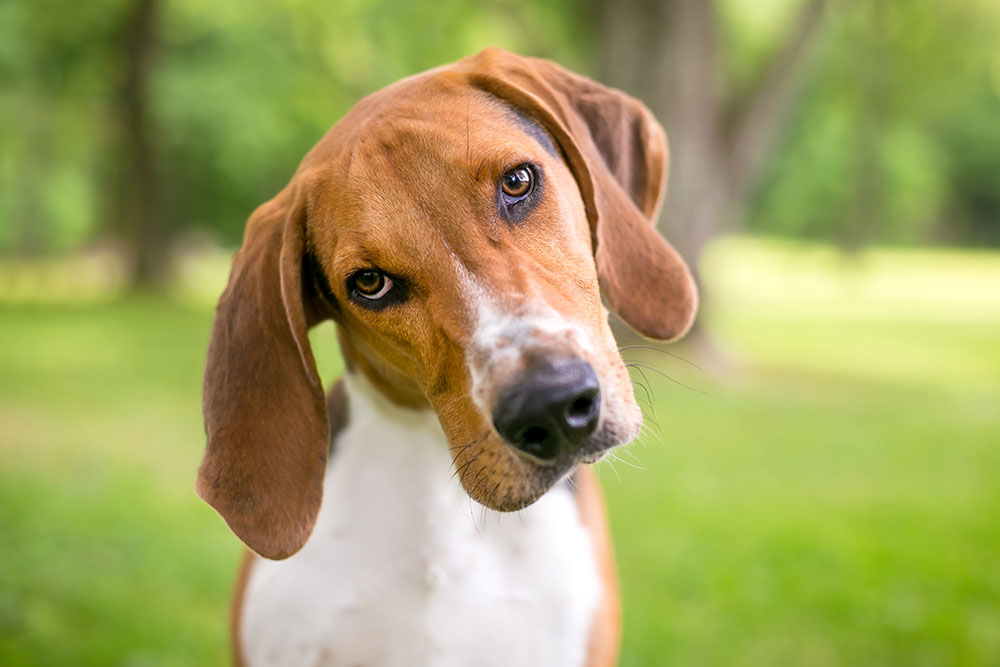
You look over at your dog and see that adorable, quizzical head tilt. It is cute, but what if that head tilt is constant, or looks a little off balance? When that sweet gesture becomes a persistent posture or seems accompanied by a wobble, it is a sudden cause for concern. As a dog owner, you know your pet best. You might be wondering, “Is this something serious?” This change in your pet’s stance may signal conditions like vestibular disease or an ear problem. Knowing what is behind the tilt and addressing it quickly is vital. Early identification can help prevent complications such as falls and nausea, supporting a smoother path to recovery.
At The Vale Veterinary Group, our experienced team combines advanced diagnostic testing with compassionate care to identify the cause of head tilts, balance problems, or neurological changes. Whether it’s an ear infection, vestibular condition, or something more complex, we’re here to guide you and your pet through every step toward recovery.
Why Dogs Tilt Their Heads- And When to Worry
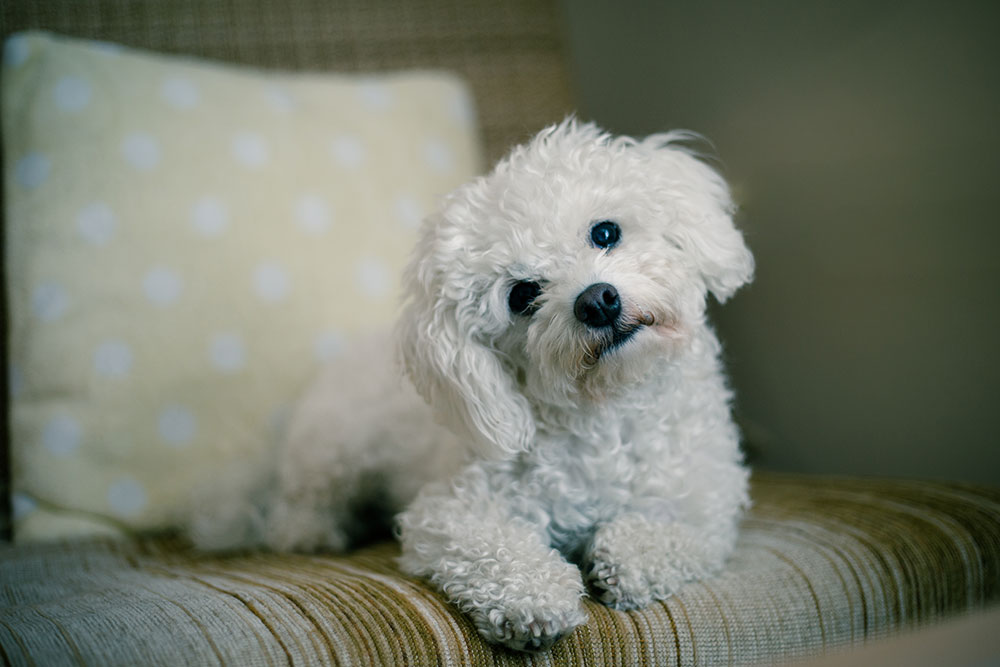
A momentary head tilt during play or while listening to your voice is often harmless. However, when your dog’s tilt becomes persistent or is accompanied by loss of balance, circling, or vomiting, it’s time to look deeper. These symptoms can indicate issues with the vestibular system- the part of the body responsible for balance and spatial orientation.
Common causes include ear infections, vestibular disease, neurological conditions, or even hormonal imbalances. Because the same signs can stem from multiple causes, prompt examination and testing are crucial. The Vale Veterinary Group’s small animal team is fully equipped to investigate and provide treatment tailored to your dog’s needs.
Vestibular Disease: The Most Common Reason for a Head Tilt
The vestibular system- located in the inner ear and brain- helps dogs maintain balance. When this system is disrupted, the result is vestibular disease. Dogs with this condition may appear dizzy, lean to one side, stagger, or fall over. Many owners also notice rapid eye movements and disorientation.
There are two main types: peripheral (caused by inner or middle ear problems) and central (stemming from the brain or spinal cord). In many cases, especially idiopathic vestibular disease, symptoms improve significantly with time and supportive care.
Old Dog Vestibular Disease
When an older dog suddenly tilts their head, staggers, or cannot stay upright, the scene can be frightening. Many families fear a stroke, yet one of the most common causes of these dramatic symptoms is idiopathic vestibular disease, often called old dog vestibular disease. This condition affects the balance center in the inner ear and brain, leading to rapid onset disorientation, nausea, and difficulty walking. Although the symptoms appear severe, most dogs begin improving within a few days and continue recovering over the following weeks.
Dogs may circle, fall to one side, or show irregular eye movements. These signs can mimic more serious neurologic problems, which is why a veterinary exam is essential.
Most dogs with idiopathic vestibular disease respond well to supportive care that focuses on safety, hydration, and nausea control. Physical assistance is often needed in the early days to prevent falls and guide pets to food, water, and resting areas. As the vestibular system recalibrates, dogs gradually regain stability, and many return to a comfortable quality of life.
Our veterinary team provides gentle monitoring, supportive treatment, and follow-up checks to track improvement and prevent recurrence.
Ear Infections and Their Impact
Another frequent cause of a head tilt is ear disease. Outer ear infections- known as otitis externa– can progress deeper into the ear, resulting in otitis media and interna. These deeper infections can affect nerves responsible for balance and facial movement, creating the appearance of a neurological problem.
Typical symptoms include scratching at the ears, pawing at the face, foul odour, discharge, or pain when opening the mouth. Some dogs may also develop facial drooping on one side. Left untreated, ear infections can lead to chronic pain, nerve damage, and permanent head tilt.
At The Vale Veterinary Group, we perform ear cytology and culture testing to identify the exact bacteria or yeast involved, ensuring the most effective treatment. We also provide follow-up exams to confirm complete healing and avoid relapse.
Neurological Issues Leading to Head Tilt
Brain Tumours and Related Neurological Signs
A persistent or worsening head tilt can sometimes point to deeper neurological disease. Brain tumors in dogs can cause head tilt, behavioural changes, seizures, or vision loss. Depending on the tumour’s type and location, treatment may involve surgery, medication, or referral to a specialist centre for advanced care.
The Vale Veterinary Group works closely with trusted referral centres for advanced imaging and neurology consultations when complex cases arise, ensuring your dog receives seamless, expert care.
Strokes and Sudden-Onset Imbalance
Strokes in pets can cause sudden imbalance, weakness, or head tilt. Unlike vestibular disease, stroke symptoms may not improve quickly and can involve other neurological signs such as limb paralysis or altered awareness. Immediate veterinary evaluation is critical for diagnosis and supportive treatment.
Our team provides 24/7 emergency support for registered clients to ensure that pets showing these alarming signs receive urgent attention.
Other Possible Causes of Head Tilt
Hypothyroidism and Neurological Effects
Dogs with hypothyroidism may show lethargy, weight gain, coat thinning, and in rare cases, neurological symptoms like head tilt or weakness. Blood testing is essential for accurate diagnosis, and lifelong thyroid hormone supplementation can fully restore quality of life.
Routine bloodwork at The Vale Veterinary Group helps identify thyroid disorders early as part of our comprehensive routine healthcare services.
Foreign Bodies Like Foxtails
Foreign materials such as foxtails can become trapped deep in the ear canal, causing pain, irritation, and inflammation. Dogs may shake their heads, paw at the ear, or hold their head at an angle. Because these plant awns can migrate deeper and cause infection, professional removal is necessary.
Our veterinarians use specialised tools and gentle restraint to remove foreign bodies safely. We also provide advice on prevention, especially during summer walks when grass seeds are abundant.
Diagnosis and Treatment Options
Veterinary Diagnostic Approach
A dog with a persistent head tilt requires a thorough evaluation. The process begins with a full physical and neurological exam, followed by otoscopic inspection to assess ear health. Bloodwork, thyroid testing, and ear cultures may be performed to identify infection or underlying disease.
In more complex cases, imaging such as X-ray, CT, or MRI helps evaluate structures of the inner ear and brain. A stepwise diagnostic approach helps determine whether the problem lies in the ear, vestibular system, or central nervous system.
At The Vale Veterinary Group, our in-house lab and advanced diagnostic tools enable rapid results, giving you answers and peace of mind sooner.
Treatment Strategies and Recovery Support
Treatment depends on the cause. Infections are managed with targeted medication and ear cleaning protocols. Vestibular cases often benefit from anti-nausea medication, hydration, and rest. Endocrine or neurological disorders may require lifelong management or specialist referral.
Surgical intervention may be necessary for nasopharyngeal polyps or tumours that affect the ear or surrounding structures. The Vale’s team supports every stage of recovery- from diagnosis through rehabilitation- with tailored treatment plans and compassionate follow-up care.
Recovery from vestibular or neurological disease can take days to weeks. During this time, it’s important to provide a safe environment- avoid stairs, slippery floors, and sudden movements. Monitor your dog for appetite changes, persistent nausea, or new neurological signs.
We’re Here to Help With Head Tilts
Regular rechecks allow your veterinary team to adjust medications and assess healing. Even if symptoms resolve, underlying issues may need continued management to prevent recurrence.
If your dog is showing persistent imbalance, ear irritation, or a constant head tilt, don’t wait to seek help. Contact the team at The Vale Veterinary Group today to schedule an exam. With prompt attention and skilled care, most dogs recover well and regain their confidence and comfort.




Leave A Comment