
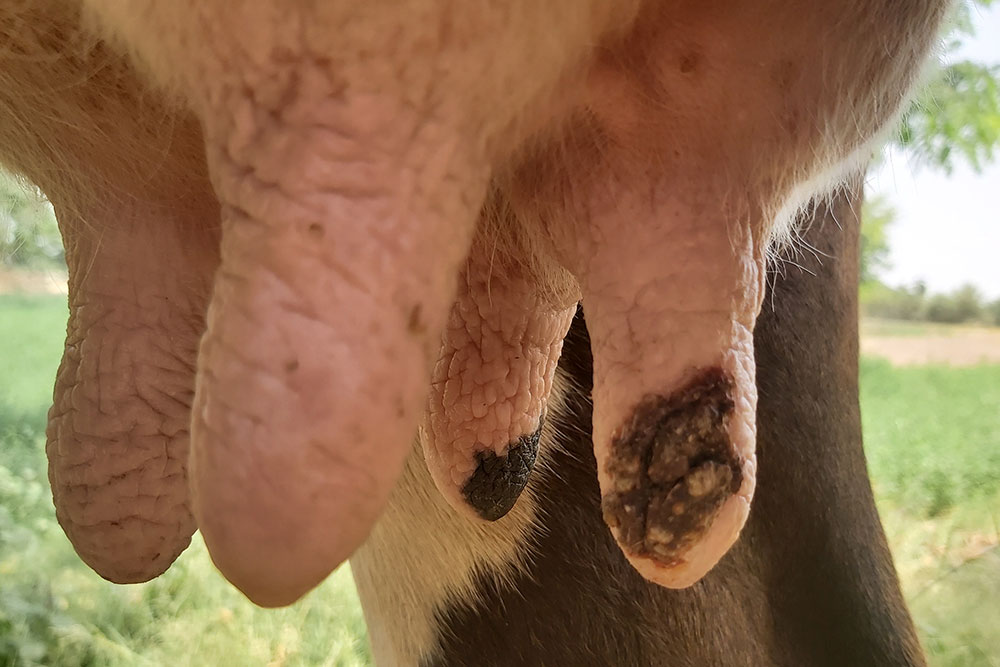
If you’ve spent any time around livestock, you know that sinking feeling when mastitis shows up. In dairy herds, it means dumped milk, treatment costs, and a cow that’s not performing. In beef cattle, it can mean a calf that isn’t thriving because mum isn’t producing. In sheep, it often means a ewe that’s suddenly off her feed and in real trouble- and a bottle baby to care for.
The frustrating part? Mastitis isn’t one problem with one solution. Different bugs cause it, different animals respond differently, and what works on one farm might not fit another. That’s where a targeted approach makes all the difference. When you know what you’re dealing with, you can treat smarter, use fewer antibiotics, and get better results.
At The Vale Veterinary Group, we help farmers across dairy, beef, and sheep enterprises tackle mastitis with practical, evidence-based protocols. Our Mastitis Consultancy uses on-farm culture kits to guide treatment decisions, and our team works alongside you to build plans that fit your system. If mastitis has been costing you more than it should, contact us to discuss your herd or flock’s health.
Why Does the Bug Matter So Much?
In practical terms, different bacteria cause mastitis, and knowing which one you’re dealing with changes everything about how you respond.
Contagious pathogens like Staphylococcus aureus and Streptococcus agalactiae spread from animal to animal, usually during milking in dairy herds or through shared equipment. These bugs live on the udder and teat skin, passing between cows via hands, cloths, or liners.
Environmental pathogens like E. coli and Streptococcus uberis come from bedding, yards, muddy gateways, and anywhere muck builds up. They’re opportunists that take advantage when teat ends are exposed to contaminated surfaces.
Understanding whether you’re dealing with gram-positive or gram-negative bacteria matters for treatment. Gram-positive infections often respond well to intramammary antibiotics. Gram-negative infections frequently self-cure with supportive care alone, meaning antibiotics may not help and could be avoided altogether.
Then there’s subclinical mastitis, the quiet thief that shows few obvious signs but steadily raises somatic cell counts and chips away at production. You might not see clots or swelling, but the damage to yield and milk quality adds up.
Our Vale Veterinary Laboratory processes milk samples quickly and includes practical interpretation with results, so you know what you’re dealing with and what to do about it.
Mastitis in Dairy Herds: Where Precision Pays Off
For dairy farmers, mastitis hits the bottom line hard. Every case means treatment costs, dumped milk, and a cow that’s not earning her keep. The best results for solving mastitis problems come from using culture results to guide decisions rather than treating every case the same way.
How Culture-Based Treatment Works
- Collect a clean milk sample from the affected quarter as soon as you spot mastitis
- Use an on-farm culture system or submit to our lab for results within 24 to 48 hours
- Base your treatment decision on whether bacteria are present and which group they belong to
What this approach delivers:
- Reduced antibiotic use without compromising cow welfare
- Clearer expectations on milk withholding and return to the tank
- Better alignment with stewardship goals and retailer standards
- Improved cure rates because you’re matching treatment to the problem
Gram-positive cases often benefit from intramammary therapy. Gram-negative cases frequently improve with fluids, anti-inflammatories, and monitoring rather than antibiotics. When culture shows “no growth,” supportive care is usually the best path forward.
For fast decisions on farm, our MastDecide on-farm culture kit gives you practical, same-day guidance. For stubborn cases or patterns across the herd, book a focused mastitis consultancy visit to refine your approach.
Dry Period Management: Setting Up the Next Lactation
The dry period is your best opportunity to cure existing infections and prevent new ones. Cure rates are higher when milk isn’t flowing, but the first and last two weeks of the dry period are high-risk times for new infections.
Getting dry-off right:
- Choose an appropriate dry-off date when yield has dropped enough for a smooth transition
- Prepare teat ends carefully and work cleanly
- Use antibiotic dry-cow therapy only when indicated by records and culture history
- Apply internal teat sealant where appropriate, without massaging it upward
- Record treatments and mark cows clearly for safety at calving
Good dry cow management reduces early lactation cases and supports lower bulk tank counts throughout the year.
Selective Versus Blanket Dry-Cow Therapy
Selective dry-cow therapy treats only cows or quarters likely to be infected, while blanket therapy treats everyone. When your records are strong and mastitis pressure is low, selective protocols can safely cut antibiotic use without increasing problems.
Making the decision:
- Use individual somatic cell count history, recent clinical records, and culture results
- Cows with low counts and no recent mastitis often do well with internal teat sealant alone
- Herds with high contagious pressure or incomplete records may need blanket therapy temporarily
- Internal teat sealants mimic the natural keratin plug and block bacteria when applied cleanly
We help producers transition safely to selective protocols by assessing readiness, tightening milking routines, and improving record-keeping. Our MastDecide kit keeps decisions consistent across staff members.
Mastitis in Beef Herds: Protecting Calf Performance
Mastitis doesn’t get as much attention in beef cattle as it does in dairy, but it absolutely affects your bottom line. Mastitis in beef cows reduces milk production, which directly impacts calf weaning weights. A calf that isn’t getting enough milk won’t grow as well, and in severe cases, mastitis can be life-threatening for the cow herself.
What Mastitis Looks Like in Beef Cattle
Because beef cows aren’t handled as frequently as dairy cows, mastitis often goes unnoticed until it’s advanced. Watch for cows that kick at calves trying to nurse, uneven udders where one quarter looks different from the others, calves that seem hungry or aren’t gaining weight as expected, swelling, heat, or hardness in the udder, and cows that are off feed or seem unwell.
Acute cases can progress quickly to toxic mastitis, which is a genuine emergency. If a cow is down, has a cold or discolored udder, or shows signs of shock, she needs veterinary attention immediately.
Common Causes in Beef Herds
Environmental bacteria are the usual culprits in beef cattle. Muddy calving areas, dirty bedding, and wet conditions create ideal environments for bugs like E. coli and Streptococcus species to enter the teat.
Teat injuries from rough terrain, frostbite, or calves with sharp teeth can create entry points for infection. Poor udder conformation, particularly pendulous udders or large teats that calves struggle to nurse, increases risk.
Prevention Strategies
- Keep calving areas clean and dry, rotating pastures when possible
- Cull cows with poor udder conformation that predisposes them to problems
- Monitor first-calf heifers closely, as they’re at higher risk
- Address teat injuries promptly before infection sets in
- Consider udder conformation when selecting replacement heifers and bulls
Our beef services include herd health planning that addresses mastitis risk alongside other production priorities.
Mastitis in Sheep: A Serious Threat to Ewes and Lambs
Mastitis in ewes is one of the most significant health challenges in sheep flocks, and it tends to show up at the worst possible time: during lactation when ewes are supporting lambs.
Why Sheep Mastitis Demands Quick Action
Mastitis in ewes progresses rapidly and can turn gangrenous within hours. The bacteria involved, often Staphylococcus aureus, Mannheimia haemolytica, or E. coli, can overwhelm a ewe quickly. By the time you notice she’s lame or off her feed, significant udder damage may already have occurred.
Signs to watch for:
- Sudden lameness (ewes with mastitis often walk stiffly or refuse to move)
- Hot, swollen, or discolored udder
- Ewes that won’t let lambs nurse or kick them away
- Fever, depression, or going off feed
- Lambs that are hungry, weak, or not thriving
- In severe cases, cold or blue-black udder tissue indicating gangrene
Risk Factors in Sheep Flocks
High milk production puts more strain on the udder and increases risk. Ewes nursing twins or triplets are more vulnerable than those with singles. Teat injuries from lambs’ teeth, rough handling, or environmental hazards create entry points for bacteria.
Poor nutrition, particularly energy deficiency in late pregnancy or early lactation, compromises immune function. Dirty lambing environments and prolonged exposure to wet, muddy conditions increase bacterial challenge.
Prevention and Management
- Maintain ewes in good body condition through late pregnancy and lactation
- Keep lambing areas clean and dry with adequate bedding
- Match lamb numbers to ewe milk production when fostering
- Check udders at weaning and cull ewes with lumpy or damaged tissue
- Treat teat injuries promptly
- Consider udder conformation when selecting replacement ewes
For flocks with recurring mastitis problems, we can investigate underlying causes and develop targeted prevention protocols through our advanced breeding services for sheep.
Housing, Environment, and Everyday Details
Across all species, clean and dry environments are your first line of defense against environmental mastitis.
Focus on the basics:
- Keep udders clean and dry with bedding that discourages bacterial growth
- Size stalls and pens appropriately and maintain good ventilation
- Manage high-traffic areas, gateways, and water points to prevent muddy build-up
- Include fly control where needed to reduce pathogen transfer
Heat stress alters behavior and weakens immunity, raising mastitis risk across species. Shade, airflow, and access to clean water help animals cope during hot weather.
Winter housing brings its own challenges. When animals are packed together with straw bedding, moisture and manure accumulate, creating ideal conditions for the bacteria that cause mastitis.
Our farm assessments identify risk areas and create practical plans that fit your budget and workflow through our dairy services.
Milking Routine and Parlor Hygiene
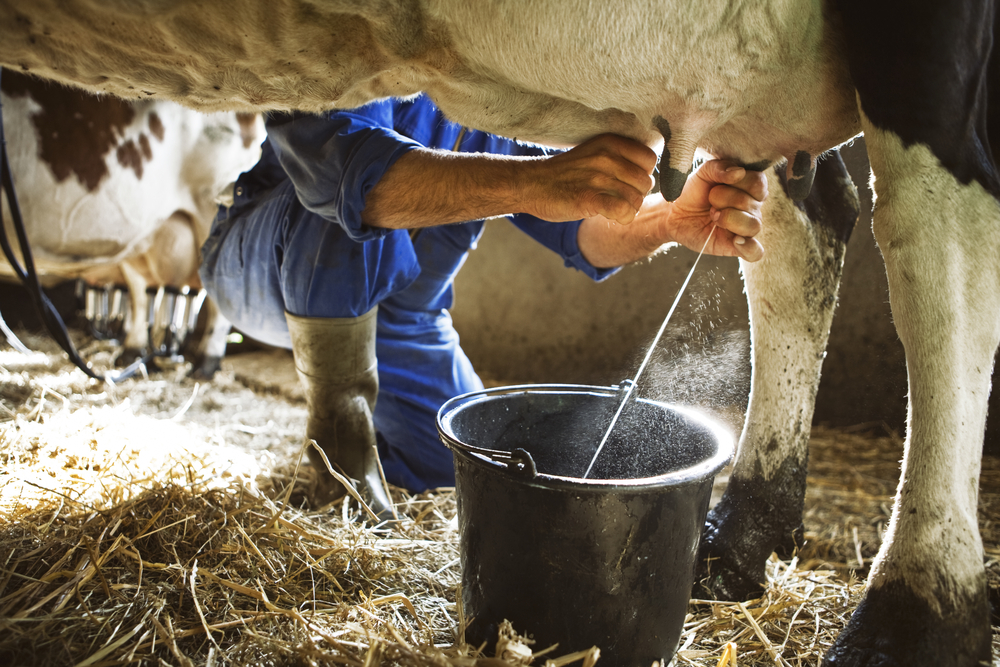
For dairy herds, consistent milking protocols prevent contagious pathogen spread and reduce environmental contamination. A strong parlor routine includes:
- Pre-milking prep with effective pre-dip contact time and clean, dry teats
- Forestripping to spot early signs and support let-down
- Correct unit attachment and gentle milk-out
- Post-milking teat disinfection with full coverage
- Milking order that puts infected or high-SCC cows last
- Gloves worn consistently and changed when contaminated
Training all milking staff and maintaining consistency day after day keeps routines working. Our dairy team supports parlor evaluations and staff coaching, backed by culture data from the Vale Veterinary Laboratory.
Heifer Mastitis: Starting Clean
Infections picked up before first calving can persist throughout a cow’s life and reduce lifetime yield. Clean housing, fly control, and good transition nutrition help heifers start their productive lives without udder damage.
Prevention priorities:
- Keep pre-calving housing dry, clean, and well-bedded with enough lying space
- Control flies and manage muddy areas to protect developing udders
- Monitor for udder swelling close to calving
- Support immunity with balanced nutrition and trace minerals in late gestation
Frequently Asked Questions
What is subclinical mastitis?
Subclinical mastitis is an udder infection without obvious signs like clots or swelling. It raises somatic cell counts and reduces yield quietly, often going unnoticed without regular testing.
Do all mastitis cases need antibiotics?
No. Culture-based therapy helps decide when antibiotics are truly needed. Many gram-negative cases and “no growth” results respond better to supportive care alone.
How quickly should I sample a cow with mastitis?
As soon as you spot signs. Collect a clean milk sample from the affected quarter before starting any treatment, then submit to the lab or use an on-farm culture kit.
Can I switch to selective dry-cow therapy?
If your records are strong and contagious pathogen pressure is low, yes. We can assess your herd’s readiness and help you build a safe selective protocol.
Is mastitis in beef cattle serious?
Yes. While it gets less attention than dairy mastitis, it directly impacts calf weaning weights and can be life-threatening in severe cases. Prevention through clean calving environments and good udder conformation is key.
Why does mastitis in sheep progress so fast?
The bacteria commonly involved in ovine mastitis are aggressive, and sheep don’t always show early signs. By the time lameness or obvious illness appears, significant damage has often occurred. Quick treatment is essential.
Your Partner in Udder Health
Effective mastitis management blends targeted treatment, thoughtful prevention, cleaner environments, and consistent handling. Whether you’re running a dairy herd, beef enterprise, or sheep flock, the principles are similar: know what you’re dealing with, treat appropriately, and focus on prevention.
Our team designs protocols, supplies culture tools, and coaches your staff so treatments are selective and prevention is strong. We work with dairy, beef, and sheep farmers through our dairy services, beef services, and sheep breeding services.
If mastitis has been shaping your routine more than it should, we can help you regain control. Arrange a focused review through our mastitis consultancy or simply contact us to discuss a practical plan for your farm. We’re here to be your partner in udder health, production, and responsible antibiotic use.





Leave A Comment