

Tel: 01884 259584 and email [email protected] for a price list
Veterinary Manager:- Mr Andrew Biggs BVSc FRCVS
Laboratory Manager:- Abi Hirst
The Vale Veterinary Laboratory is a long established mastitis Laboratory founded in 1994 processing milk from across the UK and Ireland. Specialising in the detection of mastitis pathogens we offer a fast and reliable service with results reported within 48 hours by fax or email.
All samples are cultured on site in our laboratory and we offer a very competitive pricing structure.
We offer a comprehensive mastitis service with expert advice available over the phone and consultancy mastitis visits as a troubleshooting investigation.
To discuss any area or for a full price list please contact our Laboratory Manager Abi Hirst
Click here to download Vale Laboratory E-submission form

Milk Bacteriology
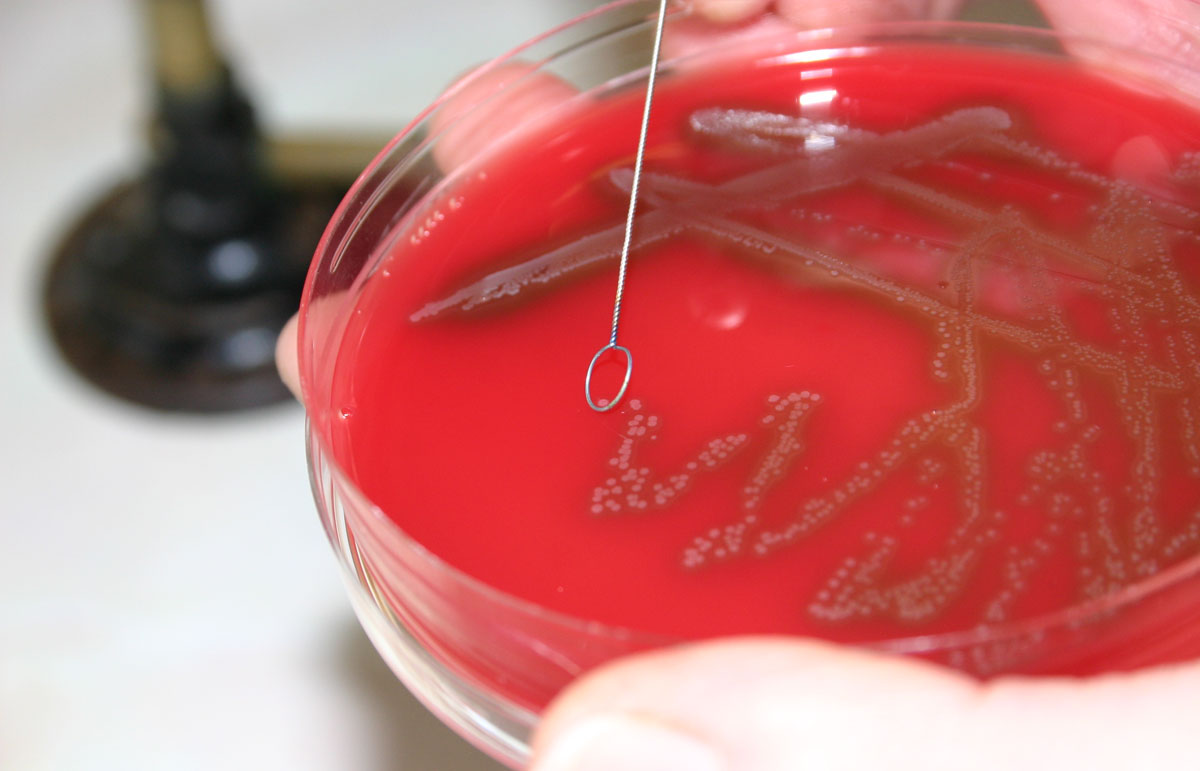
Individual quarter sample.
Composite sample (Comingled samples from more than one quarter)
Samples are processed under the supervision of Laboratory manager Mandy Boddy who has over 20 years bacteriology laboratory experience. Results are interpreted and reported by international mastitis advisor and consultant Andrew Biggs BVSc MRCVS. Andrew has over 30 years experience as a veterinary surgeon in farm animal practice and mastitis laboratory work and has written a book “Mastitis in Cattle”. He has lectured widely to both farmer and veterinary audiences in the UK and abroad and is sole tutor in the mastitis module for the Masters of Veterinary Medicine at Massey University New Zealand. His consultancy work currently includes Laboratory QA and education, troubleshooting and training in "mega dairy herds" in China.
This knowledge and experience is used to tailor the Vale Laboratory reports with advice on the significance of the culture results as well as helping to identify and plan the best management practices and treatment protocols to reduce the number of intramammary infections.
The laboratory is often involved in research projects and trial work.


 Clinical
- High SCC / Sub clinical
- Post treatment check – 7 to 10 days after last treatment
- Antibiogram
- Pathogen survellaince eg Staphylococcus aureus or Streptococcus agalactiae
This knowledge and experience is used to tailor the Vale Laboratory reports with advice on the significance of the culture results as well as helping to identify and plan the best management practices and treatment protocols to reduce the number of intramammary infections.
The laboratory is often involved in research projects and trial work.