About The Vale Veterinary Group

This author has not yet filled in any details.
So far The Vale Veterinary Group has created 65 blog entries.

Managing Chronic Kidney Disease in Cats

Feline Kidney Disease: Early Detection and Long-Term Management As cats grow older, their kidneys can gradually lose the ability to function properly, leading to chronic kidney disease (CKD). Though it cannot be cured, early diagnosis allows veterinarians to slow its progression and manage symptoms effectively. With proper nutrition, hydration, and regular checkups, cats can enjoy [...]

Bloat in Dogs: A Deadly Condition Every Pet Owner Should Know About

Understanding Bloat: The Silent Killer in Dogs If you have a large-breed dog, you have good reason to stay alert. What would you do if your dog’s abdomen suddenly swelled, and they began pacing, drooling, or retching without producing vomit? These are classic signs of gastric dilatation-volvulus (GDV), commonly known as bloat- a life-threatening condition [...]

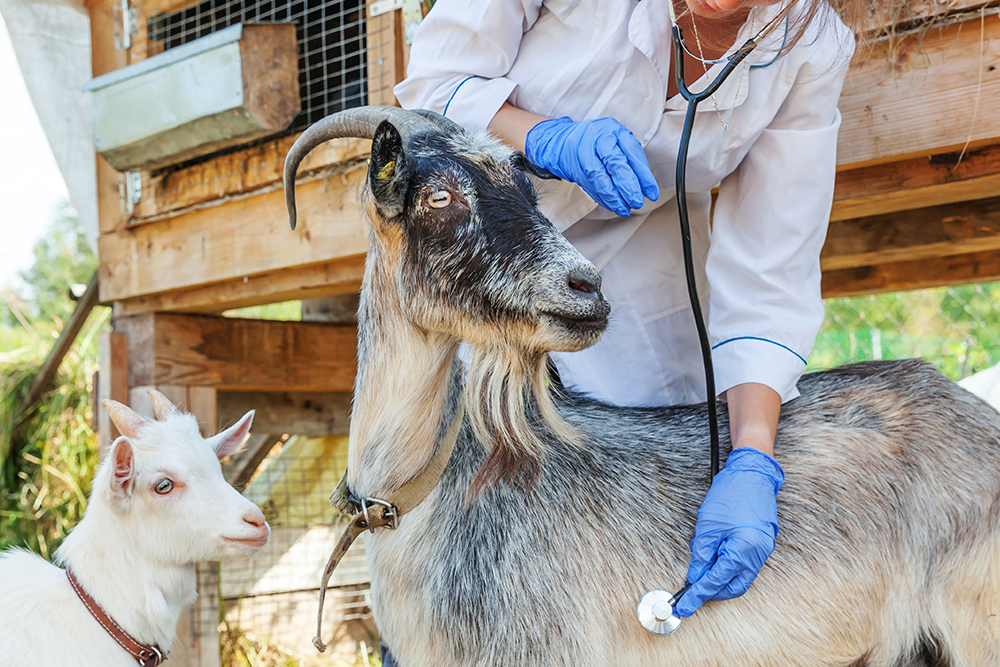
Strategic Deworming & Fecal Monitoring in Beef/Dairy Herds

Smart Parasite Control: Strategic Deworming and Fecal Monitoring in Cattle Herds Anthelmintic resistance is on the rise across the UK, making traditional “routine” worming far less effective than it once was. Strategic, evidence-based programs- guided by faecal egg counts, targeted timing, and good pasture management- help preserve drug effectiveness while protecting herd health. A data-driven [...]

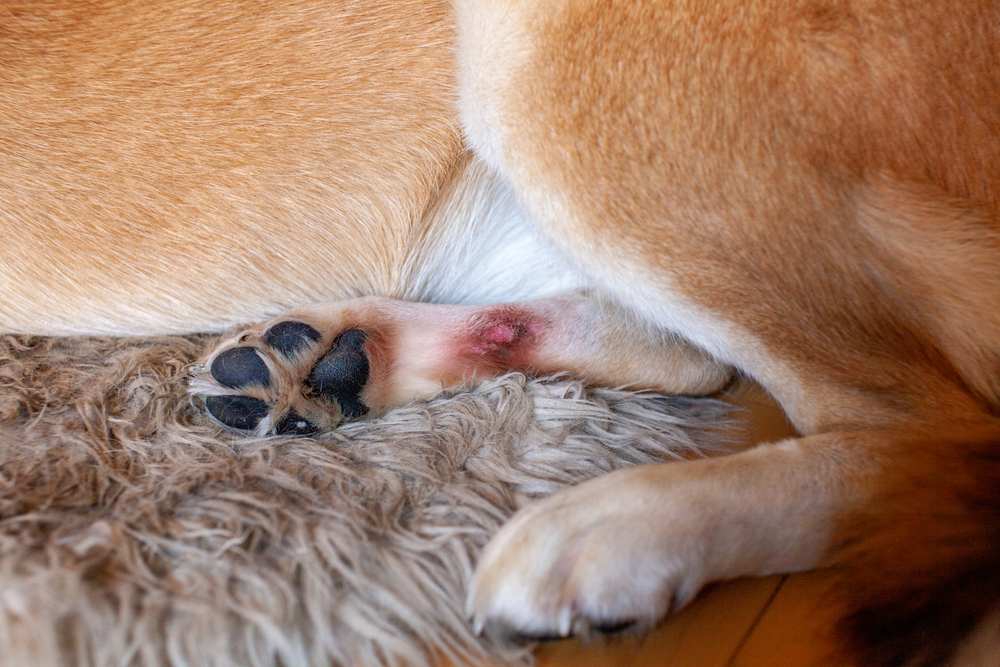
Bite Wounds in Pets: Why Quick Treatment is Critical

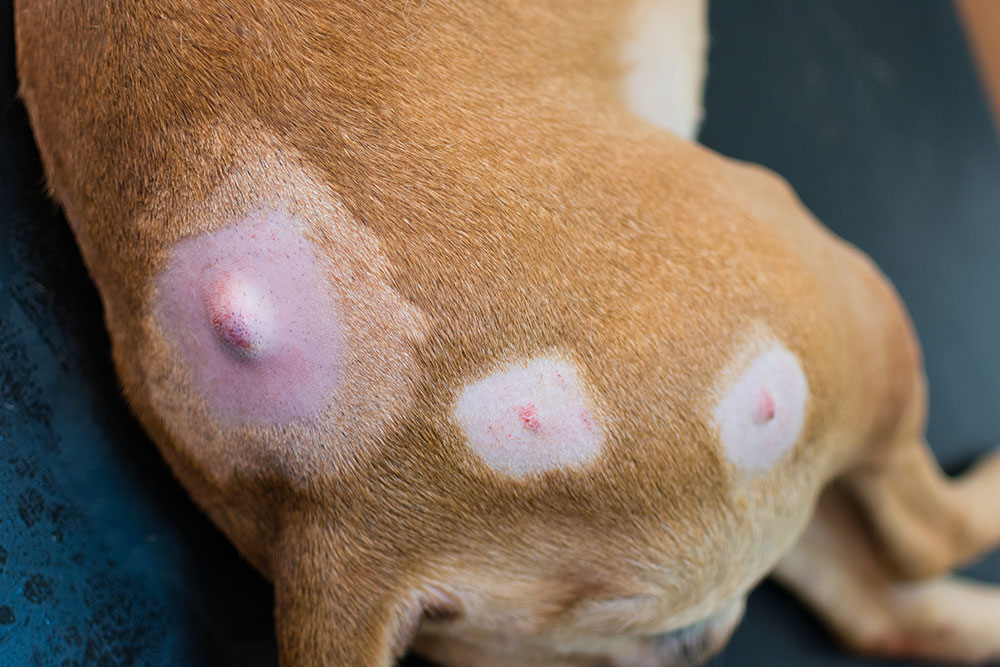
The Hidden Danger of Bite Wounds in Pets Even a small puncture from another animal’s teeth can cause serious tissue injury or infection. Bite wounds may look minor on the surface, but bacteria introduced beneath the skin can quickly spread, forming abscesses or even life-threatening systemic infections. Prompt veterinary attention is essential to clean, treat, [...]

Birthing Complications in Pets: When to Seek Emergency Help

When Labor Becomes Dangerous: Recognizing Birthing Complications in Pets Most pets give birth smoothly, but sometimes labor takes a dangerous turn. Long delays between deliveries, visible distress, or weak contractions can signal a medical emergency. Knowing what’s normal- and when to call your veterinarian- can make the difference between a safe delivery and a crisis. [...]

Go to Top