

When Labor Becomes Dangerous: Recognizing Birthing Complications in Pets
Most pets give birth smoothly, but sometimes labor takes a dangerous turn. Long delays between deliveries, visible distress, or weak contractions can signal a medical emergency. Knowing what’s normal- and when to call your veterinarian- can make the difference between a safe delivery and a crisis. Quick action can save the lives of both the mother and her newborns.
At The Vale Veterinary Group, our RCVS-accredited, multi-species team provides comprehensive reproductive support and 24/7 emergency care for our clients. From small animals and exotics to farm species, we combine advanced diagnostics with compassionate, practical guidance. For routine pregnancy monitoring and planning, our services include ultrasound and X-ray to assess litter size and positioning before whelping or queening.
What Normal Labor Looks Like in Dogs and Cats
Understanding what’s typical during labor helps you recognize trouble early. Most dogs and cats progress through three stages, though timing can vary by individual and litter size.
Stage one involves cervical dilation and uterine contractions preparing the birth canal. Restlessness, panting, nesting, or refusing food are common. This stage typically lasts six to twelve hours in dogs and may take longer in first-time mothers; cats usually complete it within twelve hours.
Stage two is active delivery. Strong, visible contractions push each puppy or kitten through the birth canal. Many mothers deliver one offspring every 30–60 minutes, with normal rest periods of up to two hours between births. Learning what to expect during dog labor can help distinguish normal pauses from warning signs.
Stage three involves passing the placenta after each birth. Each placenta must be delivered to prevent infection. Mothers usually lick newborns to stimulate breathing, bite umbilical cords, and help them nurse. Preparing your whelping or queening area with guidance from labor and postpartum care in dogs and cats helps ensure a smooth process.
When Birth Becomes Complicated: Understanding Dystocia
Dystocia refers to difficult or obstructed labor. It occurs when a puppy or kitten cannot pass through the birth canal despite contractions or when the uterus fails to contract effectively.
In dogs, the problem may be maternal- such as a narrow pelvic canal, uterine exhaustion, or hormone imbalance- or fetal, including large pups or abnormal positioning.
Cats face similar risks. Birth difficulties in cats often involve uterine inertia, where contractions weaken or stop, or mechanical obstruction when kittens are too large or malpositioned. Primary uterine inertia occurs when labor never begins despite a full-term pregnancy, while secondary inertia develops after prolonged, exhausting contractions. Both require immediate veterinary attention.
At The Vale Veterinary Group, our on-site imaging and laboratory services allow for rapid assessment of both maternal and fetal health when labor stalls or complications arise.
Breeds Facing Higher Risks During Delivery
Genetics play a major role in birthing outcomes. Brachycephalic dogs– those with short skulls and broad heads- are at high risk of delivery complications. Their puppies’ head shape often makes natural delivery difficult or impossible, so planned caesarean sections are common.
Toy breeds prone to uterine inertia, small breeds with narrow pelvises, and giant breeds with single oversized pups are also at risk. Among cats, Persians and Himalayans often experience similar challenges due to head shape. Prenatal planning with our veterinary team helps identify risks and prepare for safe delivery.
Emergency Warning Signs Every Owner Must Recognize
Seek veterinary help immediately if you notice any of the following during labor:
- Strong, continuous contractions for 30 minutes with no offspring produced
- More than two hours between deliveries once active labor has begun
- Green, black, or bloody discharge before the first puppy or kitten appears
- Visible distress such as excessive crying, pacing, or trembling
- Weak, irregular, or absent contractions after labor has started
- A puppy or kitten visible at the vulva for more than 10 minutes without progress
- Collapse, extreme lethargy, or pale gums
Green or black discharge can indicate placental separation, which deprives unborn offspring of oxygen. Acting quickly is critical. Knowing when emergency C-sections are needed can help you respond appropriately.
Registered clients of The Vale Veterinary Group can reach our emergency services 24 hours a day. Please call ahead so our team can prepare for your arrival.
How Veterinarians Respond to Birthing Emergencies
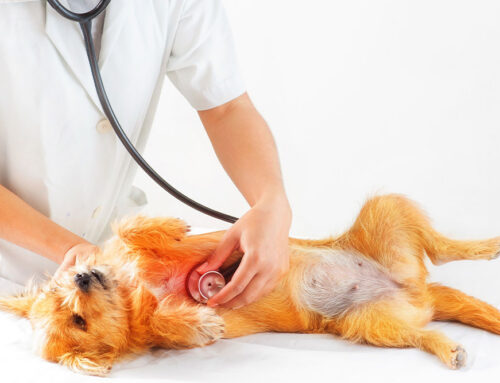
When a laboring pet arrives in distress, our team acts quickly. We assess temperature, gum color, contraction strength, and overall comfort. Ultrasound checks fetal heartbeats and reveals any obstruction or malpositioning. Gentle digital examination helps determine whether manual assistance is possible.
If a fetus is lodged but viable, controlled traction during contractions may complete delivery. In cases of uterine inertia, calcium or oxytocin may restore effective contractions. If medical management fails, fetal distress develops, or obstruction is confirmed, an emergency caesarean section is performed.
Our surgical team performs both routine and emergency caesareans using modern anesthetic protocols for quick, safe recovery. Mothers are typically awake and nursing within hours, while our nurses monitor newborns closely to ensure they are warm, breathing, and feeding well.
Protecting Health After Delivery: Postpartum Complications
Close observation after birth is essential for both mothers and newborns.
Common risks include:
- Retained placenta leading to fever and foul-smelling discharge
- Metritis (uterine infection) causing lethargy and appetite loss
- Eclampsia in small-breed dogs nursing large litters, marked by panting, tremors, or seizures
- Mastitis, with painful, swollen mammary glands and abnormal milk
Contact us immediately if you notice fever, disinterest in the litter, abnormal discharge, or weakness. Newborns should be warm, active, and gaining weight steadily. Weak or rejected neonates need prompt veterinary attention.

Supporting Mothers Through Recovery
Whether your pet delivered naturally or via caesarean, attentive aftercare promotes healing. Provide a quiet, warm space away from household noise. During lactation, mothers often need two to three times their usual food intake, ideally from a high-quality diet formulated for reproduction. Always ensure access to fresh water.
Healthy mothers remain attentive- grooming their young, encouraging nursing, and responding to cries. Lethargy, agitation, or aggression toward the litter can indicate a medical issue and requires evaluation.
Preparing for Safe, Successful Deliveries
Preparation is the best safeguard against complications. Schedule prenatal exams to confirm pregnancy, estimate litter size, and identify risk factors. Discuss breed-specific considerations early- planned caesareans may be the safest option for certain patients. Prepare your whelping or queening area in advance with clean towels, a heat source, a digital scale, and our phone number saved for quick access.
For ongoing preventive care, our Premier Paws Club offers affordable monthly plans that include vaccinations, nurse visits, parasite prevention, and discounts on consultations and neutering. It’s one of the many ways we help families stay proactive about their pets’ health.
When Minutes Matter: We’re Here to Help
Recognizing complications early gives your veterinary team the best chance to act quickly and effectively. Most deliveries progress normally- but if something feels wrong, trust your instincts and call right away.
At The Vale Veterinary Group, we’re proud to support the pets and people of the South West, from family companions to herds and flocks. Our clinicians, diagnostics, and emergency services mean help is always available. To discuss prenatal planning, schedule wellness care, or seek urgent assistance, contact us today. Your animal’s safe delivery is always our priority.






Leave A Comment