
When Pets Hurt: Recognizing the Subtle Signs of Pain
Because pets cannot tell us when they are in pain, owners must learn to notice the clues. Limping, hiding, changes in appetite, and neglected grooming often point to discomfort. Whether pain is caused by injury, illness, or aging, relief starts with recognizing the signs and seeking veterinary care promptly.
At The Vale Veterinary Group, our team understands that identifying pain in animals takes careful observation and clinical expertise. From routine healthcare to advanced diagnostics, we help pet owners across our region recognize when their companions need relief.
Why Pets Hide Their Discomfort
Animals evolved to mask weakness, since obvious pain can invite danger in the wild. Domestication has not erased this instinct, so dogs, cats, and rabbits often conceal discomfort until it becomes significant.
Acute pain starts suddenly after injury, surgery, or infection and usually improves with treatment. Chronic pain lingers for weeks or months, commonly due to arthritis, dental disease, or cancer. Because chronic pain builds slowly, owners may mistake the changes for normal aging.
Our diagnostic services, including ultrasound, X-ray, and in-house laboratory testing, help identify both acute and chronic conditions that cause pain, even when signs are subtle.
The Importance of Early Recognition
Untreated pain does more than cause suffering. It alters how pets move, leading to muscle loss, joint strain, and weight gain that can worsen the original problem. Behavioral changes follow: once-social pets withdraw, become irritable, sleep poorly, and lose interest in food and play.
Early intervention preserves mobility and prevents secondary complications. Our routine healthcare program includes age-appropriate pain screening and mobility assessments.
Recognizing Pain Through Behavior and Movement
Movement and posture cues you can spot at home
A dog that hesitates on stairs or a cat that stops jumping onto favorite perches may be signaling pain. Some pets cling to family members for reassurance, while others hide or become irritable. Restless nights, pacing, or sleeping more during the day are common.
Dental pain can cause drooling, dropping food, or chewing on one side. Arthritis often leads to matting and poor grooming in hard-to-reach areas. The many signs of pain vary by species and condition, so small changes matter.
Limping, stiffness after rest, flinching when touched, and reluctance to rise or lie down are classic clues. Abnormal posture, such as a tucked abdomen or arched back, often accompanies musculoskeletal pain. Vocalizing is not a reliable indicator, since many animals suffer quietly.
Understanding Pain Signals in Cats
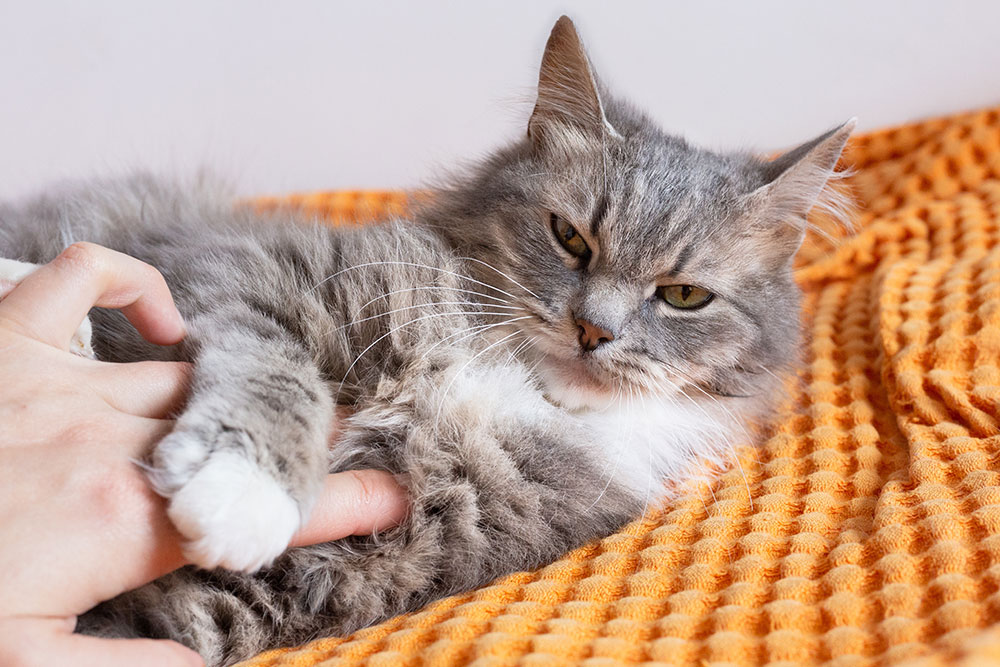
Cats rarely show obvious pain, so vigilance is essential. Signs include over-grooming or neglected hygiene, avoiding the litter box because of arthritis, hiding for long periods, or decreased social interaction. Many cats stop jumping, avoid touch, or show subtle facial tension such as flattened ears, narrowed eyes, and whiskers pulled back. The Feline Grimace Scale helps measure pain through facial expressions and can guide owners in spotting changes earlier.
Our team’s experience with feline behavior ensures even subtle pain is recognized and addressed promptly.
How Veterinarians Identify Pain Sources
Diagnosis begins with a thorough history and gentle, systematic examination. Veterinarians observe gait, test joint range of motion, and palpate muscles and abdomen to localize tenderness. Neurologic checks identify nerve-related pain. Our in-house laboratory screens for inflammation, infection, and organ issues, while imaging reveals bone, joint, and soft-tissue changes.
Complex cases may benefit from consultation in fields such as cardiology, ophthalmology, dentistry, or dermatology to pinpoint hidden pain sources. The Vale Veterinary Group’s comprehensive approach supports accurate, targeted treatment plans.
Common Causes of Pain
Musculoskeletal pain
Sprains, strains, and overuse injuries are frequent in active dogs. Growing puppies can experience temporary discomfort from rapid growth. Working with your veterinarian on activity adjustments and short courses of pain relief can prevent minor problems from becoming chronic.
Internal Pain
Organ pain is challenging to spot without testing. Inflammation of the pancreas causes vomiting, abdominal tension, and a hunched posture. Pain from urinary stones leads to straining, blood in the urine, and frequent small urinations. Some cancers create deep, persistent aches or intermittent abdominal cramps that only imaging and lab work can reveal.
Dental Pain
Periodontal disease, resorptive lesions in cats, and fractured teeth are extremely painful and very common. Pets may drop food, chew on one side, or avoid hard treats. Consistent dental health care, including cleanings and at-home hygiene, is a cornerstone of pain prevention, especially for seniors.
Eye Pain
Conditions such as glaucoma and corneal ulcers cause intense pain and light sensitivity. Pets may squint, rub the face, or avoid bright rooms. Eye pain is an emergency, since delays can lead to permanent vision loss.
Arthritis and Orthopedic Conditions
Structural problems like hip dysplasia and ACL tears are painful at the time of injury and often progress to degenerative joint disease. Osteoarthritis is one of the most common causes of chronic pain in older pets, leading to stiffness, reduced activity, and difficulty rising.
Infection and Inflammation
Ear infections are a frequent and painful problem. Watch for head shaking, scratching, and odor from the ear canal. Urinary tract infections cause frequent, painful urination and straining. Impacted anal glands lead to scooting, licking, and sudden discomfort when sitting or defecating.
Treatment Approaches for Pain Management
Medication and Pharmaceuticals
Veterinary-approved pain relief forms the foundation of care. Nonsteroidal anti-inflammatory drugs help with arthritis and soft-tissue injury. Nerve-modulating medications reduce neuropathic pain. Short courses of opioids may be appropriate for acute or post-operative pain. Evidence-based supplements, including omega-3 fatty acids and glucosamine, can support joint comfort.
Never give human pain medication without veterinary guidance. Drugs such as ibuprofen and acetaminophen can be toxic to pets.
Rehabilitation and Supportive Therapies
Structured therapeutic exercises build muscle and improve range of motion. Hydrotherapy and controlled leash walks maintain fitness while limiting strain. Laser therapy can reduce inflammation and promote comfort. Weight control is essential, since excess weight magnifies joint stress.
Integrative and Complementary Options
Acupuncture can provide drug-free relief for chronic musculoskeletal pain. Many pets benefit from a combined plan that uses conventional medications alongside targeted supplements and integrative therapies for long-term comfort.
Surgical Intervention
When structural problems cause persistent pain, surgery may provide lasting relief. Orthopedic procedures for cruciate ligament rupture or hip dysplasia, and dental surgeries for fractured or infected teeth, can restore mobility and comfort when conservative measures are not enough.
Supporting Comfort at Home
Small changes at home make a big difference. Orthopedic beds cushion joints, ramps reduce jumping, and non-slip rugs help prevent falls. For cats, provide low-sided, easily accessible litter boxes and raised food and water bowls. Assistive devices for pets such as harnesses, slings, and toe grips improve stability. Consider an arthritis-friendly home setup to simplify daily routines.
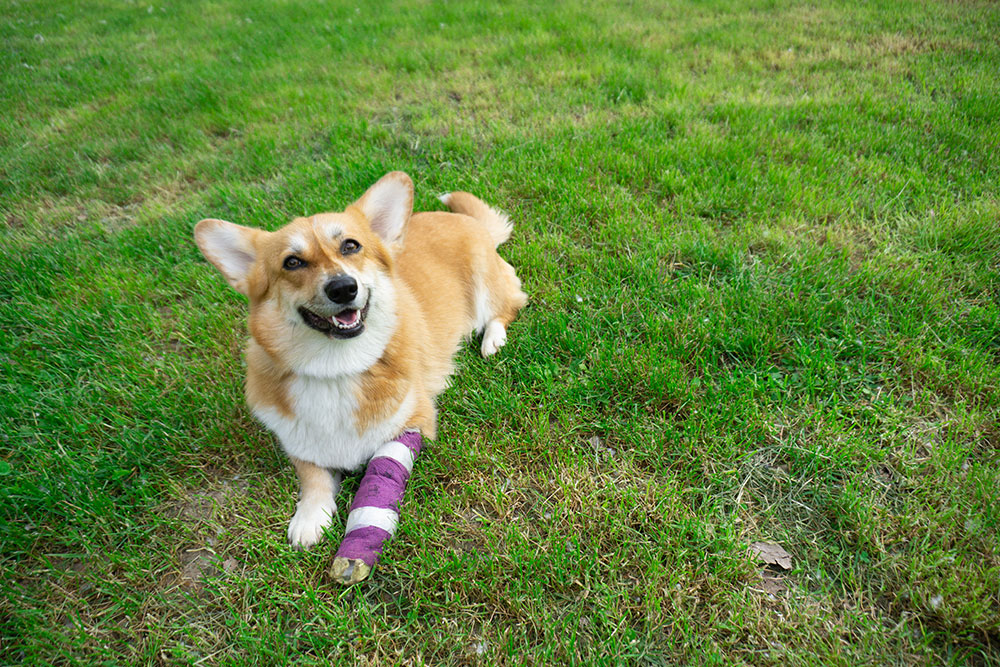
Short, frequent walks or swimming build strength without overloading joints. Gentle play and enrichment keep minds active and help reduce anxiety linked to chronic pain. Our Creaky Clinics help older pets stay mobile and manage age-related discomfort.
Preparing for Your Veterinary Visit
Your observations guide our plan. Note when symptoms occur, what triggers make things worse, and what brings relief. Short videos of your pet walking, rising, using stairs, or playing are extremely helpful for assessing subtle mobility issues.
Bring a list of current medications and supplements, and prepare questions about pain relief options, long-term management, and home strategies.
Schedule an appointment as soon as you notice concerning signs rather than waiting for them to worsen.
Your Partner in Pain-Free Living
Recognizing and treating pain restores comfort and happiness. From subtle behavioral changes to clear physical signs, every clue matters.
The Vale Veterinary Group combines modern diagnostics, evidence-based pain management, and compassionate care to help animals live well at every life stage.
Do not let your pet suffer in silence. Contact us today to create a personalized pain management plan that restores quality of life and peace of mind.




Leave A Comment