
Sniffling Cats: Recognizing Upper Respiratory Infections Early
Sneezing, watery eyes, or congestion may seem like a minor cold, but in cats, these can signal a contagious upper respiratory infection. Prompt veterinary care and supportive treatment help prevent complications and protect other pets in the household.
At The Vale Veterinary Group, our RCVS accredited team provides comprehensive care for cats experiencing respiratory symptoms, with advanced diagnostic capabilities through our in-house laboratory.
What Causes Feline Upper Respiratory Infections?
Upper respiratory infections affect the nose, throat, and sinuses in cats, resembling human colds but carrying greater risks without proper treatment. These infections can progress from mild sniffles to serious complications, particularly in vulnerable populations.
Feline herpesvirus-1 and feline calicivirus cause 80–90% of upper respiratory infections in cats. These pathogens spread rapidly through direct contact, shared food bowls, and airborne droplets from sneezing. Unlike a simple cold, these viruses can persist for weeks and establish lifelong carrier states where cats harbor the virus even after symptoms resolve.
Kittens, senior cats, and those with compromised immune systems face the highest risk of severe illness. Multi-cat households, shelters, and boarding facilities create ideal conditions for transmission, making early recognition and isolation critical for preventing widespread infection.
Recognizing the Warning Signs
Early detection makes all the difference in treating upper respiratory infections effectively. Understanding which symptoms require immediate attention helps you respond appropriately when your cat shows signs of illness.
Common early symptoms include:
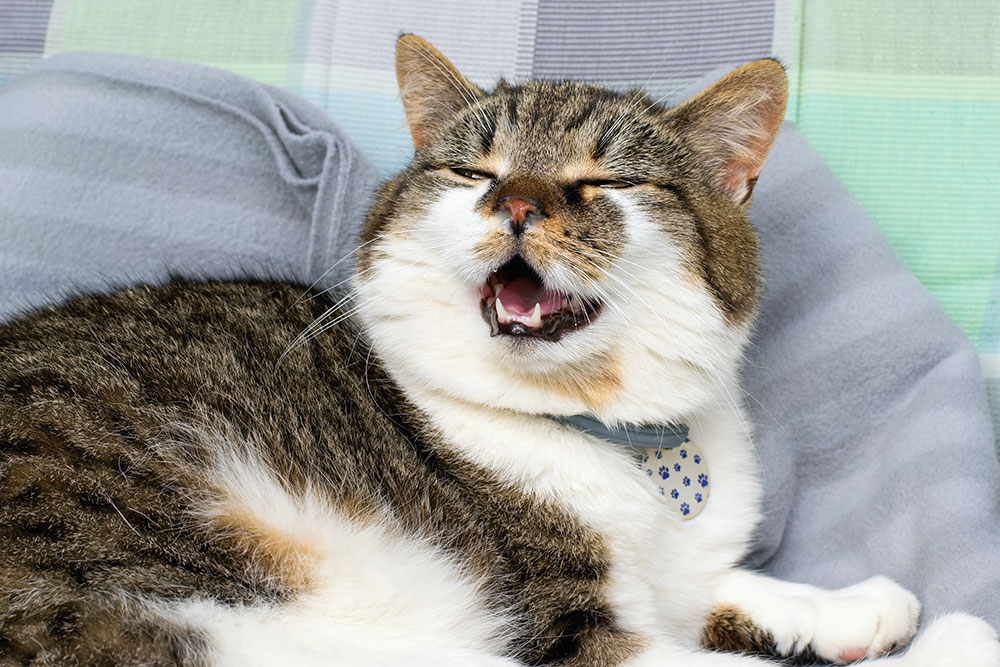
- Frequent sneezing and nasal discharge ranging from clear to thick and colored
- Congestion causing noisy breathing or snoring
- Watery eyes progressing to conjunctivitiswith redness and discharge
- Reduced appetite due to loss of smell
- Decreased grooming and lethargy
Open-mouth breathing at rest represents a veterinary emergency. Unlike dogs, cats rarely pant under normal circumstances. If your cat breathes with an open mouth while resting, they’re experiencing respiratory distress requiring immediate care.
Eye complications deserve special attention. Discharge and inflammation can progress to corneal ulcers, painful erosions of the eye surface that threaten vision without treatment. Persistent coughing may indicate infection spreading deeper into the lungs, transforming an upper respiratory infection into pneumonia.
Understanding Viral and Bacterial Causes
Viral Infections and Carrier States
Feline herpesvirus and calicivirus spread through direct contact, shared dishes, and sneezing droplets. Cats infected with herpesvirus often become lifelong carriers, with symptoms reappearing during periods of stress or illness.
Stress factors that trigger viral reactivation include moving house, boarding, adding new pets, or disrupting established routines. Even seemingly minor changes can weaken a cat’s immune response, allowing dormant virus to resurface.
Cats with feline leukemia virus (FeLV) or feline immunodeficiency virus (FIV) face heightened risk for severe or recurring respiratory infections. Their compromised immune systems struggle to control viral replication, leading to prolonged illness and increased vulnerability to secondary complications.
Bacterial Complications
Bacteria often complicate viral upper respiratory infections when viral damage weakens respiratory tissues. Bordetella bronchiseptica causes coughing and respiratory distress, particularly common in shelters or multi-cat environments where transmission occurs rapidly.
Chlamydia felis leads to persistent conjunctivitis and lingering nasal discharge. While Chlamydia vaccination provides some protection, it’s typically reserved for high-risk environments rather than routine use in all cats.
Secondary bacterial infections develop when viral damage creates opportunities for bacterial colonization, prolonging illness and requiring targeted antibiotic therapy alongside supportive care.
Prevention Through Vaccination and Wellness Care
Why All Cats Need Vaccination
Core vaccines protect against the main viral causes of upper respiratory infections and significantly reduce symptom severity even when breakthrough infections occur. Vaccination remains vital for both indoor and outdoor cats, as viruses can enter homes through multiple pathways.
Many owners assume indoor cats face no infection risk, but feline vaccines provide benefits that extend beyond outdoor exposure. Viruses travel on clothing, shoes, and air currents through open windows. Outdoor cats near screens or windows can transmit infections to indoor cats through close contact.
Kittens require a vaccine series to build strong immunity, with boosters maintaining protection throughout adulthood. Our routine healthcare programme ensures your cat receives timely vaccinations as part of comprehensive preventive care.
Regular wellness visits allow our veterinary team to monitor respiratory health, update vaccinations, and catch early signs of infection before they progress. The Premier Paws Club offers preventative healthcare plans that make consistent care more accessible.
When to Seek Veterinary Care
Emergency Warning Signs
Certain symptoms require immediate veterinary attention rather than home monitoring. Open-mouth breathing represents a medical emergency in cats, indicating severe respiratory compromise.
Contact our emergency service immediately if your cat shows:
- Open-mouth breathing or panting at rest
- Thick, discolored, or bloody nasal discharge
- Refusal to eat for 24 hours or longer
- Extreme lethargy or collapse
- Blue-tinged gums or tongue
Cats with asthma or chronic bronchitis face increased vulnerability to severe illness from respiratory infections. Pre-existing conditions reduce respiratory reserve, meaning these cats decompensate faster than healthy individuals.
Kittens, senior cats, and immunocompromised individuals require faster intervention. What begins as mild symptoms can progress rapidly in vulnerable populations, making early veterinary evaluation essential for preventing complications.
If your pet is not well, our team provides prompt assessment and treatment. Registered clients receive 24/7 emergency service, ensuring help is available whenever respiratory distress occurs.
Treatment Approaches and Home Care
Veterinary Treatment Options
Viral infections require supportive care focused on maintaining hydration, nutrition, and clear airways. Antiviral medications may benefit severe herpesvirus cases, though most viral infections resolve with time and supportive treatment.
Bacterial infections respond to targeted antibiotics. Our laboratory services enable culture and sensitivity testing, guiding medication selection for optimal effectiveness. Nebulization may deliver medication directly to airways, improving treatment outcomes for severe respiratory infections.
Supporting Recovery at Home
Home care plays a crucial role in recovery from upper respiratory infections. Creating a warm, humid environment helps loosen secretions and ease breathing. Running a humidifier or keeping your cat in a steamy bathroom for short periods provides relief.
Effective home care strategies include:
- Offering warmed, aromatic food to stimulate appetite despite reduced smell
- Gently cleaning eye and nose discharge with a damp, warm cloth
- Maintaining quiet, predictable surroundings to minimize stress
- Ensuring fresh water is always available
- Isolating infected cats from other household pets
Recovery typically takes one to two weeks for uncomplicated viral infections, though bacterial complications can extend this timeline. Ongoing stress management helps prevent viral reactivation in carrier cats, reducing the likelihood of recurring symptoms.
Frequently Asked Questions
How long do upper respiratory infections last?
Most viral infections resolve within one to two weeks with supportive care. Bacterial complications can extend recovery, requiring antibiotic therapy and additional monitoring.
Are cat respiratory infections contagious to other pets?
Yes, most feline upper respiratory infections spread readily between cats through direct contact and airborne droplets. Isolation of infected cats protects other household pets during the contagious period.
When should I worry about my cat’s breathing?
Seek emergency care if your cat breathes with an open mouth, shows blue-tinged gums, or demonstrates labored breathing with visible chest effort. These signs indicate respiratory distress requiring immediate intervention.
Protecting Your Cat’s Long-Term Respiratory Health
Upper respiratory infections in cats demand attention beyond simple home remedies. Early recognition of symptoms, prompt veterinary evaluation, and comprehensive supportive care prevent complications that threaten long-term health. Vaccination provides essential protection, reducing both infection risk and symptom severity when breakthrough infections occur.
At The Vale Veterinary Group, our experienced team combines diagnostic expertise with compassionate care for cats experiencing respiratory illness. Whether you need routine healthcare including vaccinations, urgent evaluation of respiratory symptoms, or emergency treatment for breathing difficulties, we’re here to help.
For new cat owners, we offer free kitten checks and comprehensive guidance on preventive care.
Contact The Vale Veterinary Group today to schedule a wellness examination or discuss respiratory concerns. Attentive care today helps your cat breathe easier for years to come.






Leave A Comment