
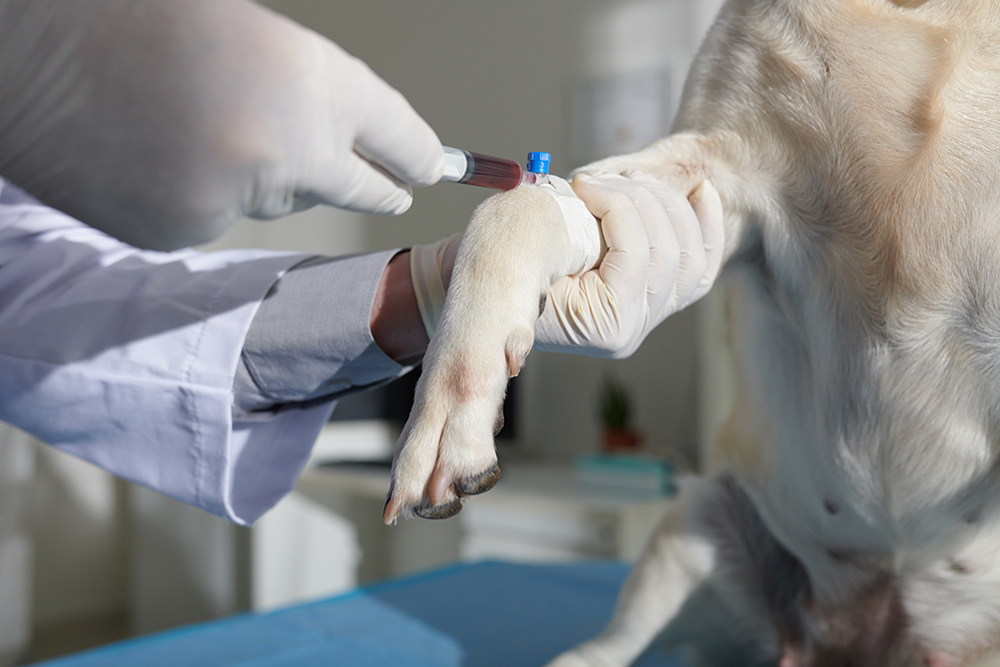
Beyond the Exam: Why Routine Bloodwork Is Vital for Pet Health
Even when pets appear perfectly healthy, subtle shifts in their blood values can signal the start of disease long before any outward symptoms are visible. Routine testing creates a baseline for comparison, helps identify early changes, and allows veterinarians to tailor preventive and medical care to your pet’s specific needs.
At The Vale Veterinary Group, our RCVS-accredited practice provides comprehensive diagnostics and routine healthcare for dogs, cats, rabbits, guinea pigs, and other companion animals, helping every patient thrive through all stages of life.
Physical Exams Reveal Only Part of the Picture
Annual veterinary visits form the cornerstone of preventive care. They allow veterinarians to assess body condition, check teeth and gums, evaluate movement and mobility, and discuss changes in your pet’s appetite, behavior, or activity.
However, even the most experienced clinician cannot see what’s happening inside the body without diagnostic testing. Annual veterinary visits are the foundation of preventive care, but many diseases progress silently and can only be detected through blood work.
During a wellness visit, veterinarians may:
- Assess mobility, joint health, and muscle tone
- Review vaccination status and parasite prevention
- Discuss nutrition, supplements, and lifestyle factors
- Collect blood samples for baseline or follow-up testing
Blood panels complement physical exams by revealing how organs are functioning, detecting infections, and identifying metabolic or hormonal imbalances. Early detection allows for early treatment- often improving recovery chances and reducing costs. Without regular testing, many diseases remain hidden until significant damage has occurred, leaving fewer treatment options and higher risks.
At The Vale Veterinary Group, we use both in-house and external laboratories for fast, reliable results that guide individualized care plans for every patient.
What Does a Wellness Blood Panel Include?
A typical wellness panel provides a detailed look at multiple body systems, creating a snapshot of your pet’s internal health. Understanding what these tests measure highlights how valuable routine testing can be.
Complete Blood Count (CBC)
The CBC evaluates red and white blood cells and platelets, which reveal important details about oxygen transport, immune response, and clotting ability.
Abnormalities can uncover:
- Anemia caused by chronic illness, parasites, or blood loss
- Infections or inflammation indicated by elevated white blood cells
- Bleeding or clotting issues linked to low platelet counts
This test also helps determine whether your pet can safely undergo anesthesia or surgery and how well they can fight infection or recover from illness.
Chemistry Panel
A chemistry panel evaluates organ function and metabolic balance. It measures kidney and liver enzymes, blood glucose, electrolytes, and protein levels.
It can detect:
- Kidney disease, including early chronic kidney disease in cats, which often advances without visible symptoms
- Liver disease caused by infections, toxins, or inflammation
- Abnormal blood sugar levels pointing to diabetes or insulin-related issues
- Electrolyte imbalances affecting hydration, muscle, and heart function
Because signs of liver or kidney disease often appear only after extensive organ damage, chemistry panels are one of the best tools for early detection.
Urinalysis
A urinalysis measures how well the kidneys concentrate urine and identifies infections, inflammation, crystals, or signs of stones and tumors. It is often performed alongside blood work for a more complete picture of urinary and kidney health.
Thyroid Testing (T4)
Thyroid hormones regulate metabolism, body temperature, and energy levels, making thyroid screening essential for both cats and dogs.
- Hyperthyroidism in cats causes weight loss, restlessness, increased appetite, vomiting, and a rapid heart rate. Without treatment, it can lead to heart disease or high blood pressure.
- Hypothyroidism in dogs leads to weight gain, hair loss, skin problems, and sluggishness.
Both are manageable with medication once diagnosed through blood testing.
Additional Tests When Needed
Your veterinarian may recommend further diagnostics based on your pet’s age, breed, or health risks. These may include:
- Extended thyroid panels when symptoms are unclear
- Heartworm testing for pets in at-risk areas or with heart-related signs
- ProBNP testing for early detection of heart disease in senior pets
- Specialized tests for tick-borne diseases, clotting issues, or pancreatic conditions
Our in-house laboratory can process many of these tests the same day, allowing for rapid diagnosis and treatment when needed.
Why Blood Work Matters at Every Life Stage
Junior Panels for Young and Middle-Aged Pets
Establishing baseline results early helps your veterinarian track subtle changes over time. Even healthy young pets can benefit, as testing may reveal congenital issues such as clotting disorders, kidney malformations, or liver shunts.
These early panels can also identify silent diseases- like diabetes or kidney disease- before symptoms develop. By monitoring growth and internal health, veterinarians can ensure your pet remains healthy and active as they age. Should an emergency occur, these panels help us understand how severe new changes to bloodwork are and help us move fast if anesthesia or surgery is needed.
Senior Panels for Pets Seven Years and Older
As pets age, the likelihood of chronic disease increases. Preventive testing for seniors helps catch conditions while they’re still manageable.
Senior panels typically evaluate:
- Kidney and liver function, guiding dietary and hydration changes
- Thyroid disorders, which can cause significant metabolic changes
- Blood glucose levels for early diabetes detection
- Abnormal cell counts suggestive of infection, inflammation, or cancer
For older pets, testing every six months is ideal for monitoring trends and catching new concerns early. Our “Creaky Clinics” for senior pets include blood pressure checks, urine testing, and selected blood panels tailored to aging animals.

Common Questions About Blood Work
How often should my pet have blood work?
Healthy adults should have annual testing. Senior pets or those with chronic illnesses benefit from more frequent testing, about every six months.
Does my pet need to fast first?
Sometimes. Fasting improves the accuracy of glucose and lipid results. Your veterinarian will let you know if fasting is required for your pet’s test.
Will my pet be uncomfortable?
Blood collection is quick and gentle, and most pets tolerate it well. Our team uses calm, Fear Free handling techniques to minimize stress.
When will I get results?
Many tests run in our in-house lab provide same-day answers. Samples sent to outside laboratories usually return within 48 hours.
Why is it worth the cost?
Routine blood work often prevents major expenses later by detecting disease early. For example, early kidney support costs far less than managing advanced kidney failure.
If your pet is not well, blood work helps identify the problem quickly and accurately, leading to faster relief.
Partnering for Lifelong Health
Routine blood work paired with a thorough physical exam offers the clearest picture of your pet’s health. Together, these tools allow veterinarians to personalize care, spot problems early, and make informed treatment decisions.
At The Vale Veterinary Group, we provide complete small animal care supported by advanced diagnostics and a compassionate, knowledgeable team. Whether your pet is a playful youngster or a wise senior, we’re here to help them live a healthier, longer life.
Learn more about our services on our pets homepage, or contact us today to schedule your pet’s wellness blood panel. A simple test today could make a life-changing difference tomorrow.





Leave A Comment