
Understanding Bloat: The Silent Killer in Dogs
If you have a large-breed dog, you have good reason to stay alert. What would you do if your dog’s abdomen suddenly swelled, and they began pacing, drooling, or retching without producing vomit? These are classic signs of gastric dilatation-volvulus (GDV), commonly known as bloat- a life-threatening condition that demands immediate veterinary attention. Recognising the signs early and seeking emergency care can mean the difference between life and death.
At The Vale Veterinary Group, our RCVS-accredited team provides 24/7 emergency services for our clients, ensuring that when every second counts, expert help is always available.
What Happens During Gastric Dilatation-Volvulus?
Gastric dilatation-volvulus occurs when a dog’s stomach fills with gas, food, or fluid and then rotates on its axis. This rotation traps the stomach contents inside while simultaneously cutting off blood supply to the stomach wall and compressing major blood vessels that return blood to the heart.
The condition progresses rapidly. What begins as simple distension can evolve into full volvulus within minutes to hours. Once the stomach twists, pressure builds, oxygen delivery fails, and toxins accumulate in the bloodstream. The heart struggles to maintain circulation, organs begin to fail, and without intervention, shock and death follow swiftly.
This unpredictable timeline makes any suspected case of GDV an absolute emergency that requires immediate veterinary attention.
Which Dogs Face the Highest Risk?
Large and giant breeds with deep, narrow chests face the greatest danger. Great Danes, German Shepherds, Standard Poodles, Saint Bernards, and Irish Setters top the list of affected breeds. However, breed-specific health risks extend beyond size alone.
Several predisposing factors increase vulnerability:
- Age:Dogs over seven years old face greater risk
- Sex:Males develop GDV slightly more often than females
- Temperament:Nervous or anxious dogs are more susceptible
- Family history:Risk doubles if a first-degree relative has experienced bloat
Even medium-sized dogs with deep chests can develop GDV, so awareness is essential for owners of all at-risk breeds.
Recognising the Warning Signs Before It’s Too Late
Early recognition saves lives. The initial symptoms may appear mild but can worsen with alarming speed.
Watch for these critical warning signs:
- Restlessness and pacing, unable to settle
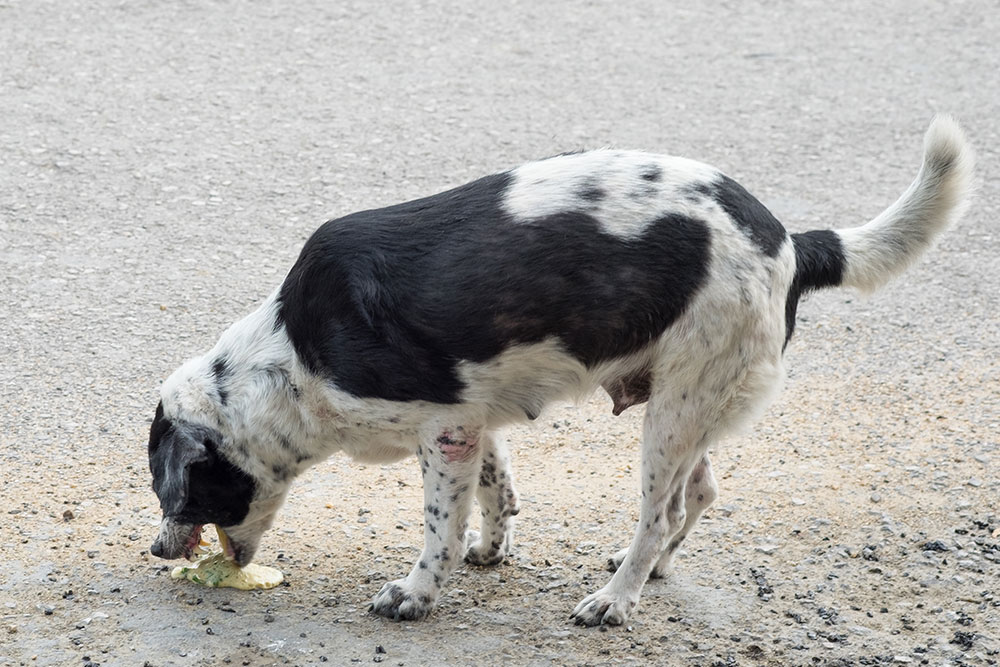
- Unproductive retching with foamy saliva
- Excessive drooling
- Rapid abdominal swelling, creating a tight, drum-like belly
- Pain signs such as hunched posture, reluctance to move, or whining
- Rapid, shallow breathing
- Pale or white gums
- Progressive weakness or collapse
As the condition advances, the twisted stomach compresses nearby organs and blood vessels. Toxins build up, heart arrhythmias develop, and stomach tissue begins to die. In the most severe cases, the stomach wall can rupture.
This progression is why GDV always warrants immediate veterinary attention. Treatment within the first few hours dramatically improves survival rates compared with delayed intervention. If you notice these symptoms, contact your vet immediately or go straight to an emergency clinic.
Prevention Strategies That Make a Difference
While GDV cannot be eliminated through management alone, several practices significantly reduce risk.
Daily Habits That Help Protect Your Dog
Feeding management is key. Instead of one large meal per day, divide your dog’s food into two or three smaller portions. This reduces the volume of food and gas in the stomach at any one time.
Exercise timing matters just as much. Avoid vigorous activity for at least two hours before and after meals. This buffer allows digestion to progress before exercise introduces additional air and movement into the stomach.
Research on raised feeding bowls remains mixed, with some studies suggesting they may increase risk in certain breeds. Discuss your dog’s individual circumstances during routine healthcare appointments.
Reducing stress at mealtimes also helps. Anxious dogs may gulp food and swallow air. Slow-feeder bowls, quiet feeding areas, and separating dogs during meals can all promote calmer, safer eating habits.
Surgical Prevention for High-Risk Dogs
For dogs at particularly high risk, gastropexy offers an effective surgical safeguard. In this procedure, the stomach is permanently attached to the abdominal wall, preventing it from twisting even if it fills with gas.
Gastropexy can be performed during routine neutering or as a standalone procedure. While it does not prevent the stomach from dilating, it stops the deadly volvulus component, transforming a life-threatening emergency into a manageable condition.
Many owners of Great Danes, German Shepherds, and other deep-chested breeds choose prophylactic gastropexy to provide lifelong protection and peace of mind.
Emergency Treatment and the Road to Recovery
When GDV occurs, veterinary intervention must be immediate. Initial stabilisation and decompression begin with releasing trapped gas using a stomach tube or needle decompression. Intravenous fluids combat shock, while medications support circulation and heart function.
Once stabilised, surgery is required. The vet repositions the stomach, removes any damaged tissue, and performs gastropexy to prevent recurrence. The procedure requires general anaesthetic and carries some risk, especially in dogs already weakened by shock.
What to Expect After Surgery
After surgery, dogs typically stay in hospital for several days. The veterinary team monitors closely for cardiac arrhythmias- common within 24–72 hours post-operation. Pain control, fluid therapy, and observation for infection or complications continue throughout recovery.
At home, activity must be restricted until the incision heals. Food is reintroduced gradually in small, easily digestible meals. Most dogs recover within four to six weeks, though the timeline varies depending on their initial condition.
The gastropexy performed during surgery provides long-term protection against stomach rotation, dramatically lowering the risk of recurrence.
Financial Preparedness for Emergency Care
GDV surgery and hospitalisation can cost several thousand pounds. For owners of high-risk breeds, pet insurance and a dedicated savings plan provide crucial financial security.
Insurance typically reimburses post-treatment costs, while savings cover immediate expenses. Together, they allow rapid authorisation of life-saving care without financial delay.
At The Vale Veterinary Group, our Premier Paws Club helps clients budget for preventive healthcare, freeing funds for unexpected emergencies. For deep-chested dogs or breeds with a family history of GDV, planning ahead offers both financial and emotional reassurance.
Common Misconceptions About Bloat
Many owners still hold misconceptions about GDV. Understanding the facts can help you act decisively when it matters most.
Setting the record straight:
- Not just giant breeds:Medium-sized dogs with deep chests- such as Standard Poodles, Weimaraners, and Boxers- also face elevated risk.
- Elevated bowls don’t prevent bloat:In fact, raised feeders may increase risk in some dogs rather than reduce it.
- Healthy, active dogs can still bloat:Even fit, athletic animals are not immune, particularly if feeding and exercise overlap.
Questions Owners Frequently Ask
Is GDV painful for dogs?
Yes- extremely. The distended stomach stretches tissues, compresses organs, and restricts blood flow. This explains the restlessness, hunched posture, and distress seen in affected dogs.
Will bloat happen again after treatment?
Without gastropexy, recurrence risk can reach 70–80%. With stomach fixation, volvulus is virtually eliminated, although mild gas distension may still occur.
How long does recovery take?
Most dogs recover fully in four to six weeks, depending on surgery complexity, tissue damage, and overall health.
When Every Second Counts
GDV is one of the most time-critical emergencies in veterinary medicine. Early recognition and immediate action determine survival. If your dog shows any signs of bloat, don’t wait- call your vet straight away.
The Vale Veterinary Group provides complete small animal care, including advanced surgical facilities and 24/7 emergency cover for registered clients. Our RCVS-accredited team stands ready to provide expert, compassionate support whenever your dog needs it most.
For further information about emergency services or your dog’s specific risk factors, visit our team or explore our pet care leaflets. Additional support and guidance are always available to help you make confident, informed decisions about your dog’s health and safety.




Leave A Comment