

Red Flags for Dog Daycare, Boarding, Grooming, and Parks: Policies, Requirements, and Health Risks
Finding Trustworthy Care in a Crowded Market
The range of services available for dogs has never been wider. Daycare, boarding, grooming, training, dog parks- each serves a real need, and each comes with its own set of risks if chosen carelessly. What makes choosing well harder is that most facilities look professional on the surface. Unfortunately, a well-designed website and a busy Instagram page tell you very little about what actually happens inside.
A good starting point is a wellness check and conversation with the team at The Vale Veterinary Group before your dog begins any new service. We can confirm vaccinations are current, discuss parasite prevention, give you our local recommendations, go over any risks to watch for, and make sure your dog is genuinely ready for what you are planning. Reach out to us to schedule an appointment today, so your pet is prepared for adventure tomorrow.
What Every Good Pet Service Provider Has in Common
Before looking at individual service types, there are standards that apply across all of them. A trustworthy provider should be able to answer specific questions clearly, not just reassure you in general terms. They should welcome a visit before you commit. They should have documented licenses, and protocols for emergencies, conflicts, and illness. And they should be honest about whether their setting is the right fit for your individual dog.
Red flags that apply across any service type:
- Reluctance to let you visit the facility before booking
- Vague or evasive answers about what happens when something goes wrong
- No documented emergency protocol or named veterinary practice they refer to if something happens
- Staff who cannot read or respond to dog body language accurately
- Staff who punish pets, use choke or prong collars, spray bottles, or seeing multiple pets in the facility that look scared
- No vaccination or health requirements for dogs entering the setting
- Facilities that appear crowded, poorly ventilated, or difficult to clean
If a facility raises these concerns, the specifics of the service matter less than the fact that the fundamentals are not in place.
A wellness visit with our team before starting any new group care setting is always a sensible first step. It is much easier to catch a health concern or confirm vaccine timing before your dog starts than to manage a problem that develops afterward.
Evaluating Dog Daycare
A well-run daycare is a genuinely positive resource for social dogs. It provides exercise, company, and mental stimulation in a way that is simply not replicable during a working day at home. The difference between a good daycare and a problematic one is not always obvious from a brochure visit, which is why knowing what to look for matters.
Dog socialisation in a managed group environment builds confidence and reduces boredom-related behaviour at home. The key word is managed. Unstructured exposure to too many dogs without adequate supervision is not socialisation- it is stress, and sustained stress in group environments can make dogs more reactive rather than more confident over time.
What to observe on a daycare tour:
- Make sure your daycare is properly licensed
- How are dogs grouped? Size and temperament compatibility both matter, and groupings should be actively maintained, not just assessed at intake.
- What is the staff-to-dog ratio during active play?
- How are rest periods structured throughout the day?
- What happens when a dog shows stress signals? Staff should be able to describe specific responses, not just say they “watch carefully.”
- What are the cleaning protocols for play areas, water bowls, and shared equipment?
- How are dog introductions between new and existing dogs managed? Releasing a new dog directly into a group is not a structured introduction.
- What happens in a medical emergency, and which veterinary practice is the facility registered with?
Before your dog’s first trial session, our routine healthcare team can confirm vaccinations are current, ensure parasite prevention is in place, and discuss any temperament or health considerations that might affect daycare suitability.
Is Daycare the Right Fit for Every Dog?
No, and reputable facilities should acknowledge this readily. Dog tolerance for other dogs varies considerably, even within breeds that are generally considered social. Some dogs find group environments genuinely energising. Others find them exhausting, overstimulating, or stressful- and they cannot tell you so in words.
A dog may not be a good daycare candidate if they:
- Find interactions with unfamiliar dogs stressful or overwhelming
- Have a history of conflict or resource guarding in group settings
- Are elderly or managing a chronic health condition that makes sustained activity inadvisable
- Have not completed their core vaccination course
- Simply prefer the company of people to other dogs
Reading canine body language after daycare sessions is one of the clearest indicators of how your dog is actually experiencing the environment. A relaxed dog who eats normally and settles easily to sleep has likely had a positive day. A dog who arrives home stiff, avoidant, or difficult to settle may have found the environment overwhelming regardless of what the facility reports. If you are unsure whether daycare is a good fit for your dog, our team is a useful sounding board- we know your dog’s history and can help you think through the options.
Dog Parks: What Owners Should Know
Public dog parks and off-lead areas offer exercise and social opportunity, but they come with risks that supervised daycare does not share. Public parks have no vaccination requirements, no temperament screening, and no guaranteed supervision. The quality of oversight depends entirely on whether owners present are watching carefully, and that varies enormously.
Dog park risks include exposure to unvaccinated or unwell dogs, unpredictable behaviour from dogs with unknown histories, and environments where owners may not notice or intervene before minor tension becomes a problem. Devon’s countryside and coastal parks are wonderful spaces, but they are shared by dogs of all vaccination statuses and temperaments.
This does not mean parks are always the wrong choice- for well-socialised, vaccinated dogs with attentive owners, they can work well. But understanding what supervised daycare provides versus what a public park does helps owners make more informed decisions about which setting suits their dog. And dog parks are not the place for puppies- wait until all vaccinations are complete before letting your puppy visit a park. We’re happy to provide recommendations for local puppy classes during a new puppy visit if you want structured socialisation.
What Good Boarding Looks Like
Leaving a dog overnight is a different kind of trust from a daytime care arrangement. The questions are similar, but the stakes of a poor choice are higher, because there is no pickup at the end of the day if something goes wrong. The Association for Professional Dog trainers has a great video on how to select a kennel for your dog.
Questions to ask before booking any boarding facility:
- What is the maximum number of dogs boarded at once, and how many staff are present overnight?
- How are dogs housed- kennels, family-style rooms, individual spaces?
- How often are dogs exercised, and how are those sessions supervised?
- What is the protocol if a dog becomes unwell overnight?
- Which veterinary practice does the facility use in an emergency?
- How will you be contacted if something happens?
- What happens if a dog does not settle?
- Are they properly licensed?
For dogs who prefer quieter environments, need daily medication, or are managing a health condition, in-home boarding with a pet sitter- where a dog stays in someone’s home rather than a facility- may be a calmer and more individually attentive alternative. Our small animal team can advise on what kind of care environment makes the most sense for your dog’s specific health needs.
Why Grooming Matters Beyond Appearance
Regular grooming is genuinely a health matter. Matted coats trap moisture and cause skin infections that go unnoticed until they are already established. Overgrown nails alter gait and place abnormal stress on joints over time. Routine grooming appointments also give someone the opportunity to notice new lumps, skin changes, ear issues, or dental concerns that owners can easily miss.
Most reputable groomers in the UK require at least a current Bordetella (kennel cough) vaccination, and some require a full annual booster of all core vaccinations. This is sensible given the close contact involved.
What to look for when evaluating a groomer:
- Clean, well-ventilated facilities with sufficient space for dogs to wait calmly
- Staff who handle dogs gently and do not use force or restraint methods that cause distress
- Clear communication about how they handle anxious or reactive dogs
- Transparency about what products they use, particularly for dogs with skin sensitivities
- Certifications for dog grooming that are approved by The Office of Qualifications and Examinations Regulation (Ofqual)
If your dog returns from a grooming appointment with new skin redness, eye discharge, or behavioural changes, or appears to have been frightened during the session, those observations are worth raising with us. Schedule a visit if your pet isn’t well and we’ll give them a thorough look-over.
How to Evaluate a Dog Trainer
The dog training industry in the UK is unregulated. Anyone can call themselves a trainer or behaviourist without any formal education, examination, or professional accountability. This matters because the methods a trainer uses can significantly affect your dog’s wellbeing and your long-term relationship with them.
Positive reinforcement– rewarding behaviour you want to see more of rather than punishing behaviour you want to see less of- is the foundation of evidence-based training. Trainers who use aversive methods, including physical correction, pain, or fear-based techniques, may produce results that come at a real cost to the dog’s confidence and emotional wellbeing.
Which Practitioner Do You Actually Need?
The Animal Behaviour and Training Council (ABTC) is the UK’s regulatory body for animal training and behaviour practitioners, and their practitioner directory is the most reliable place to find someone who has been assessed against recognised professional standards. Understanding the difference between credential levels helps you match your dog’s needs to the right type of professional.
- Animal Trainer (AT): Works directly with an animal to train specific behaviours. A good starting point for dogs who need skills training in the hands of a professional rather than through classes.
- Animal Training Instructor (ATI): Teaches owners how to train their dog- the person running your local obedience class or puppy course. The right choice when you want to learn the techniques yourself.
- Animal Behaviour Technician (ABT): Works with owners and animals to prevent problem behaviours and provide behavioural first aid. Operates under the guidance of a higher-level behaviourist and is well suited to early intervention before problems become entrenched.
- Clinical Animal Behaviourist (CAB): Works on veterinary referral to address unwanted, problematic, or dangerous behaviours. The appropriate professional when your dog’s issues go beyond training and into clinical behaviour territory- fear, aggression, severe anxiety.
- Accredited Animal Behaviourist (AAB): An earlier equivalent of the CAB register, now closed to new practitioners. Those listed were assessed under previous standards and work at the same clinical level.
- Veterinary Behaviourist (VB): A Clinical Animal Behaviourist who is also a qualified veterinary surgeon. The highest level of specialist for complex cases where medical and behavioural factors overlap.
As a general guide: if your dog needs to learn something, an AT or ATI is the right starting point. If your dog is displaying problem behaviour, an ABT can help with early intervention. If the behaviour is serious, persistent, or involves fear or aggression, a CAB or VB- on veterinary referral- is the appropriate level of professional. Our team can refer you when that is the right next step. If you’re struggling with a behaviour and need advice, Dogs Trust offers a free consultation and online access to certified professionals.
When Can Puppies Start Group Settings?
The tension between protecting a puppy from infectious disease and getting them the social exposure they need during a critical developmental window is real, and the balance matters. Puppy socialisation should begin during the primary window, which closes around 12 to 14 weeks. Waiting until full vaccination is complete before any social contact is not the current recommended approach.
Early socialisation in controlled environments with known, vaccinated dogs is supported by the evidence. Puppy classes that require proof of age-appropriate vaccination and are led by a qualified instructor are appropriate during this period. Safe group play for puppies looks different from adult group settings- appropriate play partners, size matching, and more structured rest matter more, not less, with young dogs.
General daycare with adult dogs is typically appropriate once the core vaccination course is complete and sufficient time has passed for immunity to develop. Our new puppy consultation is the right place to build a vaccination schedule that prioritises both protection and timely socialisation.
Vaccines and Parasite Prevention for Group Settings
Most reputable facilities in the UK require an up-to-date combined booster covering distemper, hepatitis, parvovirus, and leptospirosis (typically DHPPiL4 or equivalent), along with a current kennel cough vaccination. Timing requirements vary- kennel cough vaccines often need to have been given at least a few days before first attendance for the intranasal form to be effective.
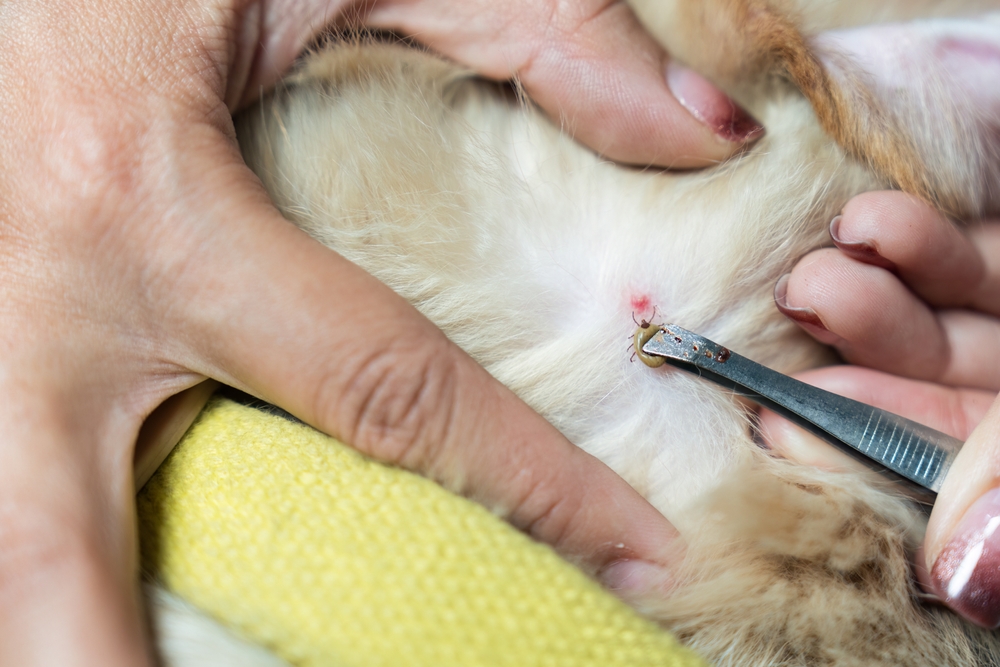
Parasite prevention is equally important. Year-round worming that includes cover for intestinal parasites and lungworm, alongside consistent flea and tick prevention, protects your own dog and every other animal in the setting.
Our Premier Paws Club membership includes annual booster vaccinations, kennel cough vaccination, monthly worming with lungworm cover, and a flea and tick programme- covering the core prevention requirements most facilities ask about. We can also provide documentation of vaccination status for daycare and boarding records.
Contagious Diseases Common in Group Care Settings
Vaccination reduces risk but does not eliminate it. Even well-run facilities with good cleaning protocols carry some transmission risk, which is why keeping a dog at home when they are unwell is as important as making sure their vaccines are current.
Diseases most relevant to dogs in shared spaces:
- Parvovirus: highly contagious and environmentally persistent; spreads through faecal contamination and survives in the environment for months
- Kennel cough: a respiratory complex causing a persistent honking cough; highly transmissible through airborne droplets and shared surfaces in group settings
- Leptospirosis: bacterial infection spread through contaminated water and environments; Devon’s rural setting and access to waterways makes the L4 vaccine particularly relevant
- Oral papilloma virus: wart-like lesions around the mouth in young dogs; typically self-limiting but spreads easily through shared toys and close contact
If your dog develops respiratory symptoms, digestive upset, or lethargy after attending any group care setting, contact your nearest Vale surgery promptly.
Parasites and Skin Issues After Group Care
Shared outdoor spaces and close physical contact in any group setting increase the opportunity for parasite transmission, even in well-maintained facilities.
- Giardia: a single-celled intestinal parasite spread through contaminated water and environments; causes soft or watery stools; detected on faecal testing
- Ringworm: a fungal skin infection that spreads through direct contact; appears as circular, scaly patches on skin or coat and can transfer to people
- Sarcoptic mange: caused by mites spread through direct contact; produces intense itching and skin irritation; transmissible to humans
- Fleas: a common parasite causing itching, can easily jump from pet to pet and multiply rapidly, causing infestations if not prevented
Routine faecal testing once or twice a year catches intestinal infections even when stools look normal- a useful habit for any dog who regularly attends group settings.
Checking Your Dog After Any Care Setting
After every daycare, boarding, grooming, or group play session, a brief physical check is worth making routine. Look for:
- Scrapes or grazes around the face, neck, or legs from play
- Swelling, warmth, or discharge from any wound site
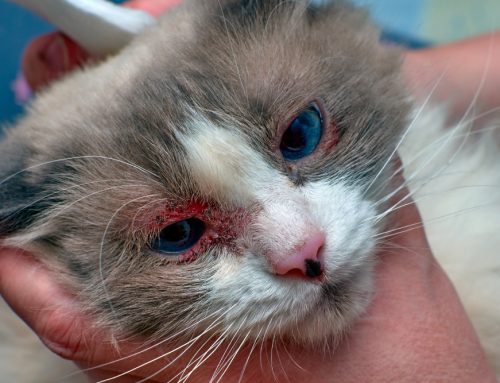
- Red or watery eyes that could indicate conjunctivitis
- Bite wounds, which often look minor on the surface but frequently involve deeper tissue damage than visible- puncture wounds carry a high infection risk and should always be assessed
Minor scuffs can be gently cleaned with mild soap and water. Any wound that is swelling, warm, or discharging within 24 hours needs veterinary attention. Contact us or speak with your nearest surgery if you are unsure.
Frequently Asked Questions About Dog Care Services
What vaccinations do most daycare and boarding facilities require?
Most reputable UK facilities require an up-to-date combined booster (typically DHPPiL4 or equivalent) and a current kennel cough vaccination. Timing requirements vary- kennel cough vaccine often needs to have been given at least a few days before first attendance. Our team can check your dog’s records and advise on timing at any of our surgeries.
How do I know if my dog is doing well in a group care setting?
A dog who had a positive day typically arrives home relaxed, eats normally, and settles to sleep without difficulty. A dog who arrives home stiff, avoidant, or unsettled may have found the environment overwhelming. Starting with shorter sessions makes it easier to assess how your dog is actually experiencing the setting.
When is my puppy ready for group settings?
Most puppies should wait until their core vaccination course is complete before entering general daycare. Structured puppy classes with known vaccinated dogs are appropriate earlier, during the critical socialisation window. Your Vale vet will advise on specific timing during your new puppy consultation.
Is boarding or daycare the better fit for my dog?
It depends on your dog’s temperament and health. Social dogs who cope well in group settings and need daytime activity usually thrive in daycare. Dogs who prefer quieter environments, need individual attention, or require daily medication are often better served by boarding in a smaller setting or in-home care. Our team can help you think through which option fits your dog’s personality and needs.
A Little Research Goes a Long Way
The time spent evaluating a facility, asking good questions, and preparing your dog properly is always worthwhile. The services that serve dogs well are out there- you just need to know what you are looking for before you commit.
Get in touch at your nearest Vale surgery to book a wellness check, update vaccinations, or talk through which care option is the right fit. Our team across Devon is glad to help you get this right from the start.






Leave A Comment