

The Hidden Danger of Bite Wounds in Pets
Even a small puncture from another animal’s teeth can cause serious tissue injury or infection. Bite wounds may look minor on the surface, but bacteria introduced beneath the skin can quickly spread, forming abscesses or even life-threatening systemic infections. Prompt veterinary attention is essential to clean, treat, and monitor these wounds before complications arise.
At The Vale Veterinary Group, our team is here when you need them most, ensuring your pet receives expert wound care and pain management. Whether your dog has been involved in a scuffle at the park or your cat comes home with a mysterious puncture, quick action can prevent lasting harm.
Why Even Minor Bite Wounds Require Urgent Attention
A bite that appears to be a small scratch can conceal deep, dangerous damage. Animal teeth act like hypodermic needles, driving bacteria far beneath the surface into low-oxygen tissue where infection thrives. Unlike surface cuts that bleed freely and help flush out contaminants, punctures seal quickly, trapping bacteria inside.
Bite wounds in pets create the ideal environment for bacterial growth. The mouths of dogs and cats contain hundreds of bacterial species, including Pasteurella, Streptococcus, and Staphylococcus. Once introduced into soft tissue, these bacteria multiply rapidly, causing abscesses, cellulitis, and in severe cases, systemic infection.
Cats are particularly vulnerable because their long, sharp teeth create narrow, deep punctures that close almost immediately. These wounds can form painful abscesses within a few days. Dogs, on the other hand, tend to inflict crushing or tearing injuries that damage deeper structures such as muscles, nerves, and blood vessels.
Without prompt care, what starts as a small bite can lead to fever, lethargy, and swelling within 24 to 48 hours. Emergency pet care allows for thorough wound cleaning, bacterial control, and pain management before infection spreads.
Our small animal services include advanced wound assessment for dogs, cats, and small mammals, supported by diagnostic imaging and laboratory testing to determine the full extent of injury.
What to Do Immediately After Your Pet Is Bitten
The moments following a bite injury are critical. Quick but calm action can stabilize your pet and prevent further damage before you reach the clinic.
If bleeding is visible, apply gentle but firm pressure with clean gauze or a towel. Avoid wrapping tightly, as this can restrict circulation. Do not use antiseptics or attempt to probe or flush deep punctures at home, as this can drive bacteria deeper or delay professional care.
First aid for cats and dogs provides basic guidelines, but veterinary examination is always necessary. Even if your pet seems stable, internal trauma or infection may already be developing.
Contact our practice as soon as possible after a bite. Our team can advise you on stabilization steps, pain control, and when to bring your pet in for urgent assessment.
Hidden Complications That Develop Without Treatment
Bite wounds often appear minor but conceal serious infection and tissue damage beneath the skin. Left untreated, these wounds deteriorate quickly.
Cat abscess symptoms typically appear several days after a fight. The puncture wound seals, trapping bacteria inside and forming a painful abscess filled with pus. Common signs include swelling, fever, loss of appetite, and reluctance to move or be touched. When abscesses rupture, they release foul-smelling discharge and leave deep open wounds that require intensive cleaning and antibiotics.
Dogs can experience equally severe complications. If you’re unsure what to do if a dog is bitten by another dog, the answer is always the same- seek veterinary care immediately. Dog bites can crush muscle tissue, tear ligaments, or puncture organs, especially in small breeds. Bruising, swelling, or sudden lameness may signal significant internal trauma.
Our in-house laboratory testing enables rapid analysis of infection markers and organ function, allowing early detection of complications and tailored antibiotic therapy.
Internal Injuries You Cannot See
Some of the most dangerous bite injuries occur internally, where teeth penetrate deep into the chest, neck, or abdomen. These hidden wounds can quickly become life-threatening without prompt diagnosis.
Thoracic trauma in pets may follow a bite to the chest wall. Injuries such as fractured ribs, lung punctures, or air leaks into the chest cavity (pneumothorax) can severely restrict breathing. Management of thoracic dog bite wounds often involves oxygen therapy, chest drains, and close monitoring for respiratory distress.
Bites to the neck may cause airway or vascular damage. Tracheal perforation in pets can lead to dangerous swelling and trapped air under the skin, while puncture of major blood vessels can cause rapid blood loss and shock.
Abdominal bites carry the risk of internal bleeding or organ rupture. Hemoabdomen in dogs describes bleeding into the abdominal cavity, which may initially go unnoticed until collapse or pale gums signal severe blood loss.
Our diagnostic imaging, including X-ray and ultrasound, helps identify these unseen injuries early. Detecting internal damage quickly ensures that lifesaving treatment begins before the condition worsens.
How Veterinarians Treat Bite Wounds Effectively
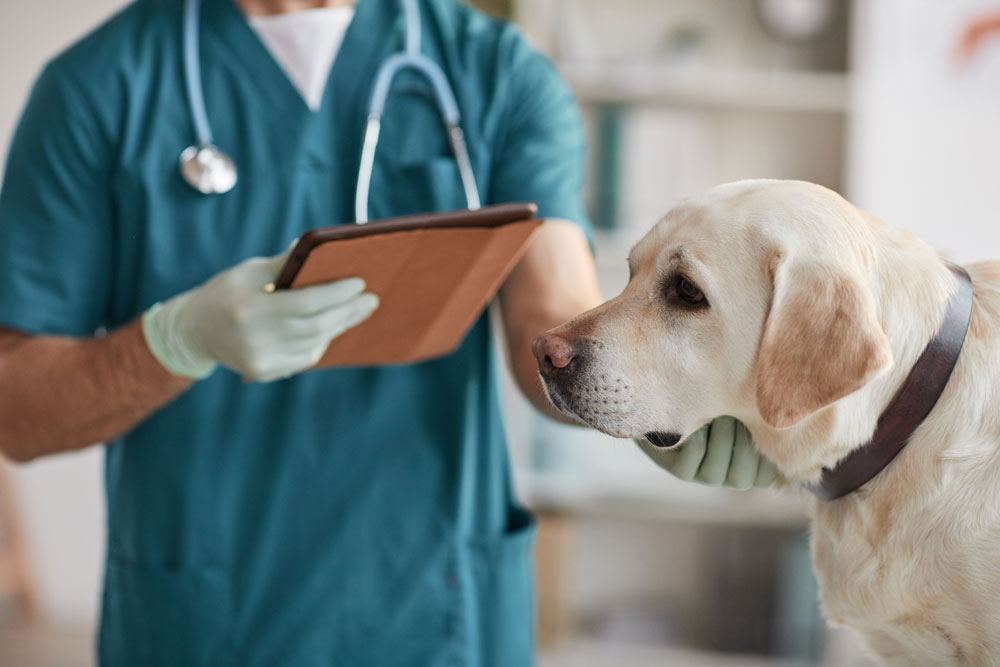
Professional wound care is vital to prevent infection and promote healing. At The Vale Veterinary Group, our team follows a systematic process tailored to each patient’s injury.
After examining your pet- often under sedation for safety and your pet’s comfort- we thoroughly explore and flush the wound with sterile saline to remove debris and bacteria. Damaged tissue is carefully debrided to encourage clean healing.
Depending on contamination level, wounds may be left open to drain or closed surgically. Deep or infected wounds often require drains to prevent fluid buildup. Pain relief and antibiotics are prescribed to manage discomfort and prevent bacterial spread.
Hospitalization may be necessary for pets with severe or multiple injuries, especially those involving internal structures.
Follow-up care is just as important as the initial treatment. Recheck exams, drain and suture removal, and ongoing monitoring are vital to ensure wounds heal fully and comfortably.
Reducing the Risk of Bite Injuries
While accidents happen, many bite wounds can be prevented through awareness and preparation.
Supervise all animal interactions, especially between unfamiliar pets. Watch for early signs of tension such as stiff posture, raised hackles, or prolonged eye contact. Recognizing aggression in dogs allows owners to intervene before conflicts escalate.
Keep vaccinations current, especially rabies and other infectious disease preventatives. The Vale’s Premier Paws Club makes it simple to stay on schedule with wellness exams, parasite control, and vaccines.
For outdoor cats, consider enclosed gardens or cat-proof fencing to limit territorial fights. Bringing cats indoors at night, when most altercations occur, also helps prevent injury.
Training and socialization are key to reducing aggression and fear-based behavior. Calm, confident pets are less likely to bite or be bitten. Our team can advise on behavior management and connect you with trusted local trainers to support your pet’s wellbeing.
Act Quickly to Protect Your Pet
Bite wounds are more than skin-deep- they are emergencies that demand immediate veterinary care. Early treatment prevents infection, reduces pain, and saves lives.
At The Vale Veterinary Group, our veterinarians provide advanced wound management, pain control, and aftercare for all species. Whether your pet needs emergency care or long-term support, we’re here to help.
Don’t wait for swelling or discharge to appear. If your pet has been bitten, seek veterinary attention immediately. Visit our pets homepage to learn more about our services and how we can help your companion recover safely and comfortably.





Leave A Comment