
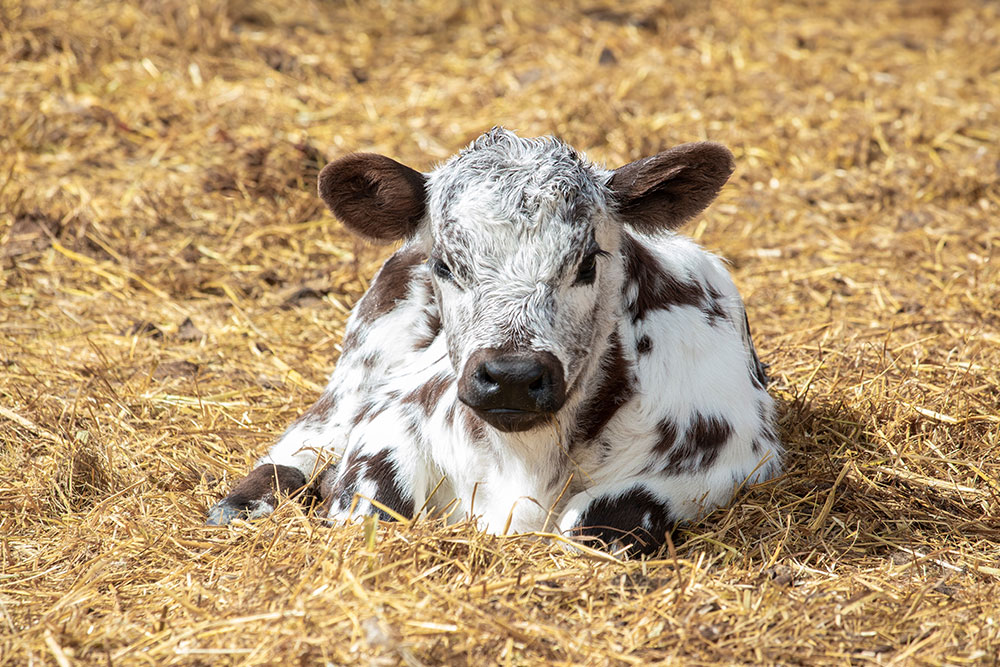
Building a Healthy Future: Early-Life Care for Calves
Strong, thriving calves are the cornerstone of a productive herd. The earliest days of life- when colostrum intake, warmth, and hygiene matter most- set the foundation for lifelong health. Clean housing, balanced nutrition, and attentive monitoring help calves build strong immune systems and resilience against disease. Good management from day one pays off for years to come.
At The Vale Veterinary Group, our BCVA-trained advisers and RCVS-accredited team support livestock producers through every stage of calf development. From dairy services to beef herd management, we provide the expertise and on-farm guidance that help your calves reach their full potential.
Why the First Hours Matter Most
A calf’s first hours determine whether it thrives or struggles. During this vital window, passive immunity transfer occurs through colostrum, providing antibodies the calf cannot yet produce on its own. Without adequate colostrum within the first two hours, calves face higher rates of scours, pneumonia, and growth setbacks that persist throughout their productive lives.
Research on colostrum and calf productivity confirms that calves receiving high-quality colostrum in sufficient quantities grow faster, require fewer veterinary treatments, and perform better as adults. Colostrum quality, timing, and volume directly influence long-term outcomes.
Testing colostrum with a refractometer ensures you deliver adequate antibody levels. Calves should receive at least 10% of their body weight in colostrum within the first two hours, with a second feeding by six hours of age. Clean collection, correct storage, and gentle warming preserve antibody quality.
Our farm services include colostrum management protocols and immunity testing to verify successful passive transfer and reduce early losses.
Feeding Strategies That Support Growth and Immunity
Once colostrum feeding is complete, consistent nutrition forms the basis of healthy development. Proper feeding of young calves involves far more than simply supplying milk replacer. Temperature control, feeding frequency, and gradual diet transitions all influence digestion and growth.
The microbiome and calf health are closely linked. A balanced gut microbiome supports nutrient absorption, immunity, and resistance to pathogens. Feeding clean, high-quality milk replacer at a consistent temperature helps beneficial bacteria flourish while preventing digestive upset.
Key feeding practices include:
- Mixing milk replacer to manufacturer specifications for correct nutrient concentration
- Maintaining feeding temperatures between 38–40°C
- Offering clean, fresh water daily to encourage rumen development
- Introducing starter feed gradually to promote early weaning readiness
Clean feeding equipment is essential. Bacteria thrive in warm milk residue, turning buckets into disease sources. Daily washing with hot water and detergent, followed by thorough drying, prevents bacterial build-up and reduces scour risk.
Hydration becomes critical during illness or heat stress. Electrolyte solutions support calves through digestive challenges without replacing milk feeds entirely. Our mastitis consultancy includes milk quality monitoring, ensuring the milk offered to calves is free from pathogens that could compromise health.
Creating a Clean, Comfortable Environment
Housing quality directly influences respiratory health, growth rates, and disease resistance. Good housing and bedding for calves minimise pathogen exposure while ensuring comfort.
Dry bedding is essential. Wet straw harbours bacteria, increases ammonia levels, and draws heat from the calf’s body. Deep straw or wood shavings insulate and absorb moisture, keeping calves warm and dry even in cold weather.
Ventilation must remove moisture and ammonia without creating drafts. Fresh air exchange prevents respiratory disease while maintaining stable temperature. Individual hutches reduce disease spread between calves, though well-designed group housing can also work effectively.
Housing essentials:
- Minimum 1.2 m² per calf in group pens
- Bedding depth of 10–15 cm, topped up frequently
- Protection from wind, rain, and direct sun
- Daily removal of soiled bedding and manure
Fly control supports calf comfort and prevents disease transmission. Removing manure, improving drainage, and using targeted control measures keep populations low. Biosecurity begins with housing design- separate pens for sick calves, dedicated feeding tools, and controlled visitor access reduce cross-infection. Our team helps producers develop tailored housing and biosecurity plans suited to their facilities.
Recognising Disease Early and Preventing Common Illnesses
Early detection turns small issues into manageable ones. Calves cannot communicate illness, but subtle changes in behaviour, posture, and appearance reveal a great deal.
The calf respiratory scoring chart offers a standardised method for assessing respiratory health. By observing nasal discharge, eyes, ears, and coughing frequency, you can identify pneumonia before it becomes severe.
Common calf diseases include scours, pneumonia, and navel infections. Scours results from bacterial, viral, or protozoal causes that lead to dehydration and electrolyte loss. Pneumonia develops when stress, poor ventilation, or pathogens overwhelm respiratory defences. Navel infections arise when bacteria enter through the umbilical cord, sometimes spreading to joints and organs.
Prevention strategies:
- Vaccination programmes targeting respiratory and digestive pathogens
- Consistent feeding schedules that minimise stress
- Prompt treatment of illness before complications occur
- Weekly monitoring of growth and body condition
Reducing stress supports immunity. Avoid abrupt diet changes, handle calves gently, and maintain stable social groups. Dehorning and castration should be performed with effective pain relief and at low-stress times.
Controlling Parasites for Optimal Growth
Internal and external parasites reduce growth and compromise immunity. Strategic parasite management in calves balances control with sustainable use of anthelmintics.
Coccidiosis typically affects calves between three weeks and six months of age, causing diarrhoea and weight loss. Prevention depends on hygiene, sensible stocking density, and use of coccidiostats when necessary.
Roundworms and lungworms affect older grazing calves. Strategic worming at turnout and mid-season helps limit infection without encouraging resistance. Fæcal egg counts guide treatment timing so dewormers are used only when required.
Integrated parasite control includes:
- Fæcal monitoring before treatment
- Pasture rotation to disrupt life cycles
- Targeted dosing for high-risk groups
- Effective fly management to control external parasites
External parasites such as lice and mange mites cause itching, hair loss, and reduced growth. Treatment should be based on parasite species and seasonal activity for best results.
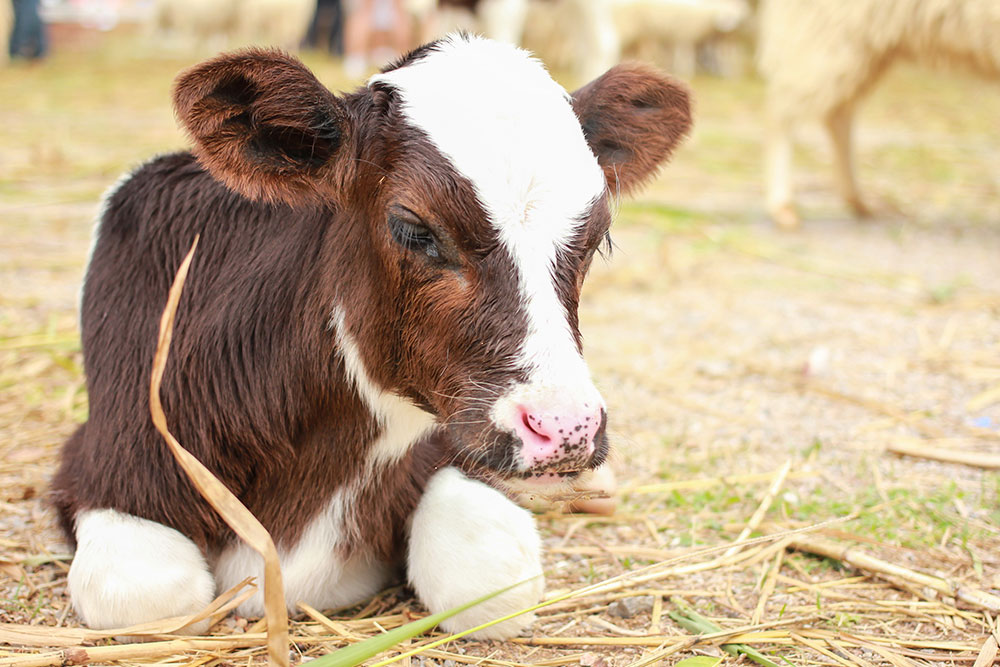
Building Long-Term Productivity Through Early Management
Healthy calves become productive adults. Early-life decisions affect performance, fertility, and carcass quality later on.
Accurate records turn good management into measurable progress. Logging birth weights, colostrum intake, illness events, and daily gains highlights trends and areas for improvement. Simple digital tools make tracking easy on busy farms.
Routine veterinary visits identify developmental issues before they limit productivity. Regular weighing ensures targets are met, while physical checks detect hernias or structural faults early.
Weaning is another key transition. Gradual weaning minimises stress and maintains rumen development; abrupt milk withdrawal can trigger growth setbacks and disease. Calves should be consuming sufficient starter feed and water consistently before milk is withdrawn.
Our veterinary team provides continuous support throughout calf development- from colostrum protocols to weaning strategies- helping you raise resilient, high-performing animals that support your herd’s future.
Setting Your Calves Up for Success
Early nutrition, clean housing, and proactive veterinary care lay the groundwork for lifelong productivity. Time invested in the first few weeks pays dividends through improved growth, fewer treatments, and stronger herd performance.
Whether you manage a dairy enterprise or a beef herd, consistent management reduces stress and disease risk while maximising genetic potential. The experienced farm team at The Vale Veterinary Group offers practical, evidence-based advice tailored to your system and goals.
Visit our centres or speak with your local Vale farm vet to plan your calf-rearing programme. Together, we can build a healthier, more productive future for your herd.





Leave A Comment