
Has your pet suddenly started having accidents inside, even though they are perfectly house-trained? It can be worrying when you notice them licking excessively or making frequent trips to their litter box or outside, only to produce very little. These changes in behaviour might be more than just a phase; they could signal a urinary tract infection (UTI). If a UTI is ignored, it can unfortunately develop into a more serious kidney infection. Recognising the signs quickly and getting prompt veterinary care, which often involves antibiotics and proper hydration, is essential for your pet’s recovery and preventing the issue from returning.
At The Vale Veterinary Group, our veterinary team provides comprehensive routine healthcare and diagnostic testing to identify urinary problems early. From preventive wellness visits to in-house urinalysis and imaging, we work with pet owners to ensure fast, effective relief for cats and dogs experiencing discomfort.
Understanding Urinary Tract Infections in Pets
UTIs are among the most common conditions seen in dogs and cats. They occur when bacteria enter the urinary tract, usually through the urethra, and multiply within the bladder. While some infections are mild, others can progress quickly, especially if an underlying condition such as bladder stones or diabetes is present.
Because urinary discomfort can look similar to behavioural issues or stress, it’s important to have your pet examined promptly rather than assuming the problem will resolve on its own. Early diagnosis helps avoid complications and ensures your pet gets back to feeling comfortable faster.
Recognising Urinary Emergencies
When to Act Immediately
Some urinary problems are true emergencies. One of the most urgent conditions is urinary obstruction, particularly in male cats, where crystals or stones block urine flow entirely. This is life-threatening and requires immediate veterinary attention.
Signs of an emergency include:
- Straining to urinate with little or no output
- Crying out, restlessness, or hiding
- Lethargy, vomiting, or a swollen abdomen
- Repeated, unproductive attempts to urinate
If you notice these symptoms, contact your veterinarian or emergency service straight away. For established clients, The Vale Veterinary Group offers 24/7 emergency care to ensure pets in distress are seen immediately.
UTI Symptoms and Causes
Early Warning Signs
Mild urinary tract infections can cause subtle symptoms that are easy to miss at first. You may notice your dog or cat straining, passing small amounts of urine, or urinating more frequently. The urine might appear cloudy, have a strong odour, or even contain traces of blood.
Some pets begin urinating in unusual places due to discomfort or urgency, while others lick the genital area excessively. Even if these symptoms come and go, they often indicate a brewing infection that requires professional treatment.
Common Causes
A urinary tract infection develops when bacteria migrate upward through the urethra. Female pets are more susceptible due to shorter urinary tracts, but any pet can develop an infection under the right conditions.
Anatomical issues such as a recessed vulva or skin folds can trap moisture and bacteria, increasing the likelihood of infection. Obesity, poor hygiene, or excessive licking also create ideal conditions for bacterial growth. Pets with diabetes are particularly at risk, as elevated glucose levels in the urine provide a breeding ground for bacteria.
Female pets who have recently had diarrhea are more at risk, due to the likelihood of loose stool dripping onto their vulva. Pets who “scoot”, or drag their hind end in the dirt- often seen in pets with anal gland issues or intestinal parasites- are also more prone to UTIs.
At The Vale Veterinary Group, we provide ongoing support for pets managing chronic conditions that may increase UTI risk, ensuring long-term comfort and preventive monitoring.
When to Contact Your Veterinarian
UTIs can worsen quickly, so it’s best to act as soon as you notice concerning changes. Contact your veterinarian if your pet is:
- Straining or crying while urinating
- Producing blood-tinged urine
- Having frequent accidents
- Lethargic or refusing food
- Showing signs of pain or distress
The Vale Veterinary Group’s team is here to assess your pet promptly, ensuring they receive compassionate care from diagnosis through recovery. For urgent concerns or ongoing issues, contact us right away for professional guidance.
Diagnosing and Treating UTIs
Exams and Testing
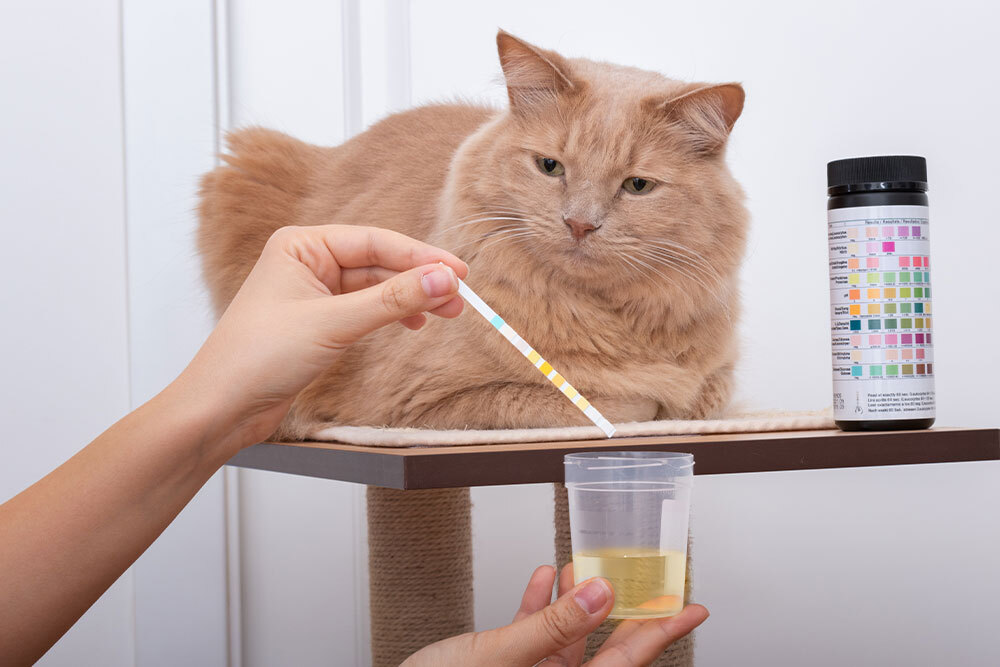
Bloodwork and urinalysis are a key part of evaluating bladder and kidney health. The importance of urinalysis lies in identifying infections, crystals, or abnormal cells in the urine, and gives us insight into your pet’s kidney function, hydration, and infection status. X-rays and ultrasound may be recommended to look for urinary stones or bladder tumors in some cases, especially those with chronic urinary symptoms.
If bacteria are suspected, a urine culture helps determine the exact strain and the most effective antibiotic, ensuring treatment success. Senior pets, or those with recurrent infections, benefit from regular screening to prevent progression to kidney disease.
Our small animal team offers in-house diagnostics and quick results, so your pet’s treatment can begin without delay.
Treatment and Recovery Options
Most UTIs respond quickly to antibiotics and supportive care. However, if an infection is complicated by urinary stones, more advanced treatment may be needed. Stones can irritate the bladder or obstruct urine flow, sometimes requiring a cystotomy– a surgical procedure to remove them safely.
During recovery, your veterinarian will recommend follow-up urinalysis and possible dietary adjustments to prevent recurrence. Pain relief and anti-inflammatory medications are often prescribed to ensure comfort as the urinary tract heals.
Supporting Urinary Health with Diet and Hydration
Encouraging hydration is extremely important- offer fresh water in multiple bowls, use pet water fountains, and consider feeding wet food to help dilute urine. Some pets benefit from urinary supplements designed to strengthen the bladder lining or reduce bacterial adhesion.
Nutrition is a powerful tool for maintaining urinary health. Veterinarian-prescribed diets can prevent recurrence and even dissolve some bladder stones by controlling mineral content and urine acidity. If your pet has been prescribed a therapeutic diet or supplement, our team can help you create a customised nutrition plan that fits your pet’s preferences and needs.
At-Home Prevention Habits
Simple Daily Strategies
Small adjustments can make a big impact on urinary health. Maintaining a healthy weight reduces inflammation and minimises the risk of obesity and bladder stones. Regular grooming keeps the genital area clean and free of debris that can harbour bacteria.
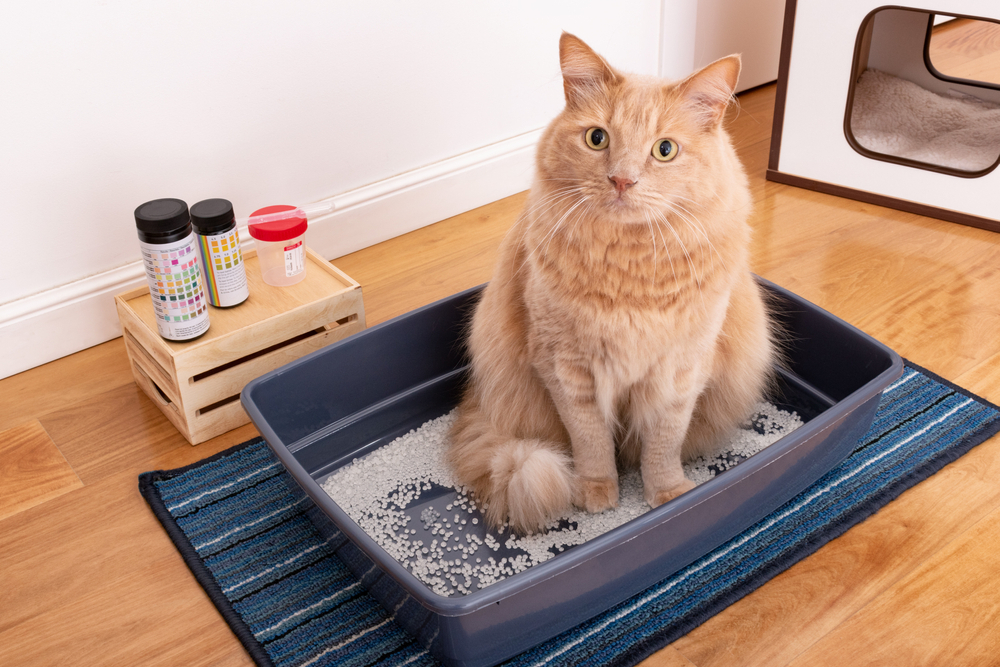
For cat owners, providing clean litter boxes and experimenting with different types of cat litter encourages proper use and reduces stress-related urinary problems. Always ensure there are enough boxes for the number of cats in your household- ideally one per cat plus one extra.
Regular checkups at The Vale Veterinary Group help track weight, hydration, and urinary habits to ensure your pet remains in top condition.
Keeping Your Pet Comfortable and Protected
Urinary problems can be painful, but they’re also highly treatable when caught early. By maintaining regular checkups, encouraging hydration, and paying attention to subtle behaviour changes, you can keep your pet’s urinary system healthy for the long term.
At The Vale Veterinary Group, we combine advanced diagnostics, preventative care, and a warm, supportive approach to ensure your pet receives the highest standard of veterinary attention. Whether your pet needs immediate relief or long-term management, our team is here to help them stay comfortable and thrive.
Schedule your next visit today to keep your pet’s urinary health on track.





Leave A Comment