
Lymph nodes are small, bean-shaped structures located throughout your pet’s body, but most owners never think about them until one feels enlarged. These nodes are part of the immune system, acting as filtering stations that help the body respond to infection, inflammation, and disease. When they swell, it is usually a signal that something is triggering an immune response.
An enlarged lymph node is not a diagnosis on its own. It is a clinical finding with many possible causes, ranging from localized infections to immune conditions and, in some cases, cancer. The key is determining why the node has enlarged and whether it reflects a temporary reaction or a more serious underlying issue. With timely evaluation and appropriate diagnostic testing, most causes can be clearly identified and treated.
At The Vale Veterinary Group, our clinicians guide families through every step with hands-on examinations, in-house imaging, and laboratory testing through our own diagnostic services. If you have felt a lump or noticed changes in your pet, you can request an appointment and we will organise next steps together.
What Are Lymph Nodes and What Do They Do?
Lymph nodes are small structures found throughout your pet’s body. They filter lymph fluid, produce immune cells, and act as surveillance stations that help detect and fight infection and disease. When the immune system responds to a problem, whether nearby or elsewhere in the body, lymph nodes can enlarge as they work harder.
Knowing where lymph nodes are located helps you notice changes during everyday stroking. The nodes you are most likely to feel if they enlarge include:
- Mandibular: under the jaw
- Prescapular: in front of the shoulder
- Axillary: in the armpit area
- Inguinal: in the groin
- Popliteal: behind the knee
Normal lymph nodes are often too small to notice, so any lump you feel during routine stroking is worth mentioning. Our team checks lymph nodes during routine healthcare appointments as part of a thorough nose-to-tail examination.
What Causes Lymph Nodes to Swell in Dogs and Cats?
The most important thing to understand is that lymph node enlargement (called lymphadenopathy) is a clinical sign, not a diagnosis. It tells us the immune system is responding to something, and the underlying cause determines treatment and outlook.
Can Infections and Inflammation Cause Swollen Lymph Nodes?
Yes, and this is one of the most common reasons. Infections can cause a single group of nodes to swell or lead to enlargement across multiple areas, depending on whether the problem is local or body-wide.
- Dental disease like gum infections or tooth root abscesses commonly affects nodes under the jaw
- Skin infections, healing wounds, and ear infections can cause nearby regional nodes to react
- Tick-borne illnesses such as Lyme disease can trigger enlargement of multiple nodes
- Bacterial infections like leptospirosis in dogs can cause widespread lymph node involvement
- Brucellosis, more common in imported dogs, causing reproductive issues and spinal pain
In the South West, damp seasons increase tick activity in fields, hedgerows, and woodland paths, making year-round parasite prevention especially important for dogs who enjoy countryside walks. These infectious causes are often very treatable with appropriate therapy.
Can Cancer Cause Enlarged Lymph Nodes?
Yes. Lymphoma is the most common cancer that primarily affects lymph nodes in dogs and cats. It arises from lymphocytes (a type of white blood cell) and often causes firm, painless, symmetrical enlargement of multiple nodes.
- Canine lymphoma is one of the more common cancers diagnosed in dogs. Breeds like Golden Retrievers tend to have higher rates.
- In cats, feline lymphoma can affect lymph nodes but also commonly involves the chest or digestive tract
Multicentric lymphoma, where multiple lymph node groups are affected, is the most common form in dogs. Other types include alimentary (digestive tract), mediastinal (chest), cutaneous (skin), and extranodal (affecting a single organ). Several types of cancer in pets that can involve lymph nodes, and cancers from other body sites can also spread to lymph nodes.
While cancer is a serious concern, early detection and treatment can significantly improve quality of life.
What Other Conditions Can Cause Lymph Node Swelling?
Less common causes also occur, and part of our job is to distinguish these from infections and cancer through careful diagnostics.
- Allergic reactions or vaccine responses can lead to temporary, mild swelling
- Immune-mediated conditions can activate the immune system more broadly, enlarging nodes without infection or cancer being present
- Lymphoedema affects how fluid drains through the lymphatic system
- Congenital abnormalities or lymphatic blockages can occasionally alter lymph flow
Our clinicians coordinate testing through our imaging suites and on-site laboratory to sort these out efficiently.
How Do Veterinarians Diagnose Enlarged Lymph Nodes?
Determining the cause requires a thorough physical examination, detailed history, and often additional testing. We tailor the workup to each pet’s clinical picture and your family’s goals.
What Happens During the Physical Examination?
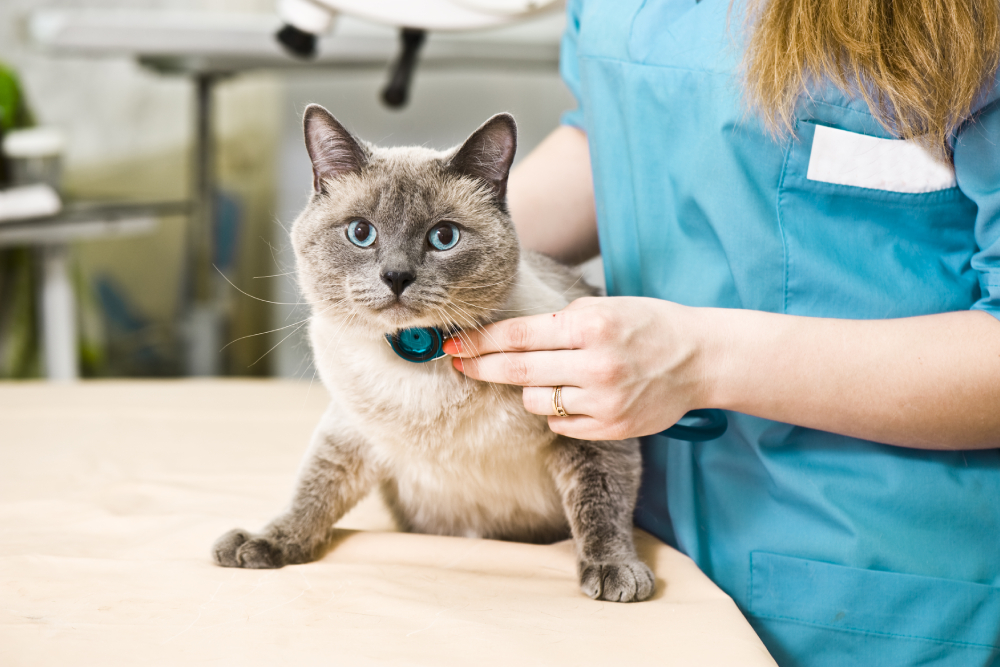
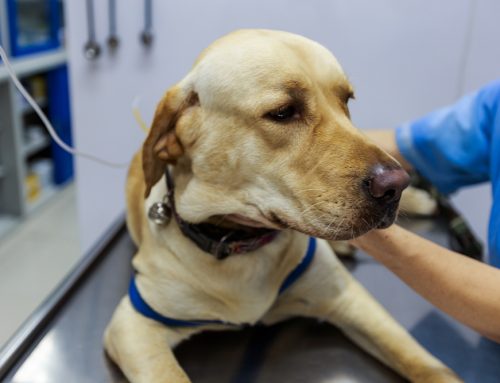
Hands and eyes tell us a great deal. We palpate accessible lymph nodes to assess size, shape, texture, and whether they are soft or firm, mobile or fixed to surrounding tissues, and sensitive or painless.
The pattern of enlargement provides important clues:
- A single enlarged node often points to a local problem like a nearby wound, dental issue, or skin infection
- Multiple enlarged nodes across several regions raises concern for systemic infection, immune-mediated disease, or lymphoma
- Concurrent signs such as fever, weight loss, lethargy, mouth odour, skin lesions, or ear disease help narrow the possibilities
This picture guides whether we recommend a fine-needle sample the same day, blood tests, or imaging. If you have a new pet, ask us to show you where lymph nodes are located and how to feel them so you can monitor at home.
When Are Cytology and Biopsy Needed?
Fine-needle aspiration (FNA) is a quick, minimally invasive first step. A small needle collects cells from the lymph node, which a pathologist then examines under a microscope. It is typically well tolerated and often provides the answer.
FNA can diagnose many cases of lymphoma and infection. If cytology results are inconclusive or suggest patterns like small-cell disease, a biopsy may be recommended for detailed tissue architecture and advanced testing such as immunohistochemistry or flow cytometry.
When cancer is suspected, staging tests help determine whether disease extends beyond the lymph nodes. These may include blood work, urinalysis, radiographs, ultrasound, and bone marrow evaluation. We streamline this process by coordinating imaging and laboratory testing in-house and through trusted partner facilities, with clear communication about benefits and costs at every step.
What Are the Treatment Options for Swollen Lymph Nodes?
Treatment depends entirely on the underlying cause. Many causes are treatable, and even serious diagnoses benefit from early planning.
If infection or inflammation is the cause:
- Targeted antimicrobials guided by the likely source of infection
- Dental care for oral infections and tooth root problems
- Wound care, skin therapies, and ear treatments as needed
- Anti-inflammatory medications and pain relief when appropriate
Most infectious causes respond well to treatment, and lymph nodes typically return to normal size as the underlying problem resolves.
If lymphoma or another cancer is identified:
- Multi-agent chemotherapy can achieve remission in many dogs and some cats, with most pets tolerating treatment well and maintaining good quality of life
- Single-agent options or steroid-only plans may suit pets when a gentler approach is preferred
- Remission means the disease is controlled and signs have resolved, though cure is uncommon, so ongoing monitoring remains important
- Palliative care focuses on comfort, appetite, and quality time together when curative treatment is not the goal
Our clinicians plan treatments around your pet’s temperament, other health conditions, and your family’s wishes. For pets who are unwell, we schedule visits promptly and coordinate any surgical or oncology care within our facilities or through trusted referral partners.
Why Does Follow-Up Matter After a Lymph Node Diagnosis?
Regular rechecks allow us to assess treatment response, detect relapse early, and adjust therapies. Whether managing a short-term infection or a longer treatment course, follow-up keeps your pet’s care on track.
What we monitor at rechecks:
- Lymph node size, texture, and distribution
- Weight, temperature, hydration, and overall energy
- Blood work to track treatment response and safety
- Imaging when deeper structures or internal nodes need reassessment
What you can do at home:
- Gently feel the nodes under the jaw and behind the knees during quiet moments
- Keep a simple log of any size changes, appetite shifts, coughing, or changes in drinking habits
- Share concerns with us promptly so we can adapt the plan
For ongoing wellbeing and routine prevention, membership of our Premier Paws Club supports parasite control, routine checks, and budgeting for planned care throughout the year.
Frequently Asked Questions
Can a single swollen lymph node be normal? A single enlarged node is not considered normal, but it is a common response to a local issue like a skin irritation, small wound, or dental problem. It still deserves a check to rule out anything that needs treatment.
Are swollen lymph nodes painful for pets? Many enlarged nodes are not painful to the touch. Pain can occur with active infection or inflammation nearby, and behaviour changes like reduced appetite or quieter energy often guide us more than pain alone.
How quickly should I book an appointment? If you notice new lymph node swelling, arrange a visit within a few days. Seek same-day care if your pet is unwell, multiple nodes are rapidly enlarging, or you notice breathing changes.
Will my pet need sedation for a fine-needle aspiration? Usually not. Most pets tolerate FNA with gentle handling and a small needle. For anxious pets or those with sensitive areas, mild sedation may be considered to keep the experience calm.
Taking the Next Step With Confidence
Finding enlarged lymph nodes can be frightening, but timely evaluation brings answers and options. Many causes are treatable, and even serious diagnoses like lymphoma can be managed to prioritise comfort and quality of life. Our clinicians at The Vale Veterinary Group are here from the first examination through tailored treatment and thoughtful follow-up.
If you have felt a lump or have questions, please request an appointment or contact us for guidance. Our small-animal services offer everything from routine checks to managing complex cases, and registered clients have access to our 24/7 emergency support. We are here to support you every step of the way.




Leave A Comment