
As dogs and cats get older, the risk of developing conditions like kidney disease, thyroid disorders, heart disease, and diabetes increases significantly. The challenge is that many of these conditions progress silently, producing no obvious symptoms until they have already caused considerable damage. Senior screening, which includes blood tests, urinalysis, blood pressure measurement, and imaging when indicated, is designed to detect these changes early, whilst there is still time to intervene effectively.
At The Vale Veterinary Group, our in-house laboratory allows us to run blood tests and get results quickly, and our nurse clinics provide a convenient and calm setting for routine screening. Get in touch at any of our Devon surgeries to book a senior screening appointment for your pet.
Why a Physical Examination Alone Is Not Enough
A clinical examination reveals what we can see, feel, and hear: organ size on palpation, heart and lung sounds, coat and skin condition, body weight. What it cannot reveal is what is happening inside before those changes produce physical signs.
Preventive testing for senior pets consistently detects serious conditions before they become symptomatic. Kidney disease in cats, for example, typically cannot be identified on examination until 65 to 75 per cent of kidney function is already lost. Thyroid disease in dogs produces gradual coat and energy changes that are easy to attribute to normal ageing. Hypertension causes silent damage to the kidneys, eyes, and nervous system for months before any external sign develops.
Senior pet care recommendations from veterinary organisations worldwide support six-monthly examinations with laboratory screening for dogs and cats aged seven and older. When results are tracked over multiple visits, trends identify disease before individual values look abnormal.
Our routine healthcare and nurse clinic services incorporate senior screening as a standard component of care for older patients.
What Blood Tests Show
Blood panels provide an internal snapshot of organ function and blood cell health before symptoms develop.
| Test | What It Measures | What It Can Detect |
| Complete blood count (CBC) | Red cells, white cells, platelets | Anaemia, infection, immune disorders, clotting problems |
| Biochemistry panel | Kidney, liver, glucose, electrolytes, protein | Kidney disease, liver disease, diabetes |
| Thyroid (T4) | Thyroid hormone level | Hypothyroidism in dogs; hyperthyroidism in cats |
| Urinalysis | Kidney concentration, protein, glucose | Early kidney dysfunction, UTI, diabetes |
The value of repeated testing over time cannot be overstated. A result within the published normal range can still represent a meaningful change for your pet when compared to their own prior results. Trend data across multiple years is often what identifies disease at its earliest and most treatable stage.
Our Vale laboratory produces same-day results for most panels, enabling treatment planning to begin during the same consultation.
Blood Pressure Monitoring
Hypertension in pets is clinically silent until it causes organ damage. Blood pressure measurement is simple and non-invasive: a small cuff placed around a limb, a brief quiet period, and a series of readings. A consistent pattern of elevated readings across multiple visits is clinically meaningful.
When readings are consistently elevated, we often recommend a repeat measurement at a follow-up appointment before committing to long-term treatment, because a one-off high reading in an anxious patient does not always reflect true hypertension. Once the diagnosis is confirmed, medication to bring pressure back into a safe range is typically a daily tablet that is straightforward to give at home.
Common causes of hypertension in senior pets:
- Chronic kidney disease (strongly associated)
- Hyperthyroidism in cats
- Hyperadrenocorticism (Cushing’s disease) in dogs
- Diabetes mellitus
- Primary hypertension, particularly in older cats
Retinal detachment from uncontrolled hypertension can cause sudden, permanent blindness. Cats with hypertension may lose their sight entirely before any other clinical sign becomes apparent. Annual blood pressure measurement is inexpensive prevention for a devastating and irreversible outcome.
Thyroid Disease
Hypothyroidism in Dogs
Hypothyroidism is one of the most common endocrine diagnoses in middle-aged to older dogs. Insufficient thyroid hormone slows metabolism throughout the body, producing weight gain, reduced energy, cold intolerance, and a progressively dull and thinning coat. These changes develop so gradually that they are frequently mistaken for normal ageing.
A thyroid panel confirms the diagnosis, and daily levothyroxine supplementation is the treatment. Most dogs show noticeable improvement in energy and coat condition within weeks of starting medication.
Hyperthyroidism in Cats
Feline hyperthyroidism works in the opposite direction: the thyroid overproduces hormone, accelerating metabolism beyond what the body can sustain. Older cats with hyperthyroidism eat voraciously but lose weight, become restless, vocalise more, and develop a rough coat. Multiple effective treatment options are available once the diagnosis is confirmed.
Cardiac Screening in Older Pets
While listening to your pet’s heart during an exam tells us a lot, it doesn’t reveal the full picture. Other screening tests are needed if we hear a murmur in an exam in order to understand what’s actually happening. Some breeds, like Chihuahuas, Cavalier King Charles Spaniels, Dachshunds, and Dobermans, are more prone to certain types of heart diseases and should have more proactive screening.
| Screening Tool | What It Reveals |
| Chest radiograph | Heart size and shape, fluid in the lungs, masses |
| Echocardiogram | Chamber size, valve function, pumping efficiency |
| ECG | Heart rhythm and arrhythmias |
For pets with a heart murmur, who are coughing, or are an at-risk breed, cardiac screening allows us to add the right medications to help their heart work more efficiently. Pets whose heart disease is caught early, monitored carefully, and treated appropriately can literally have years added to their life.
Radiography and Ultrasound
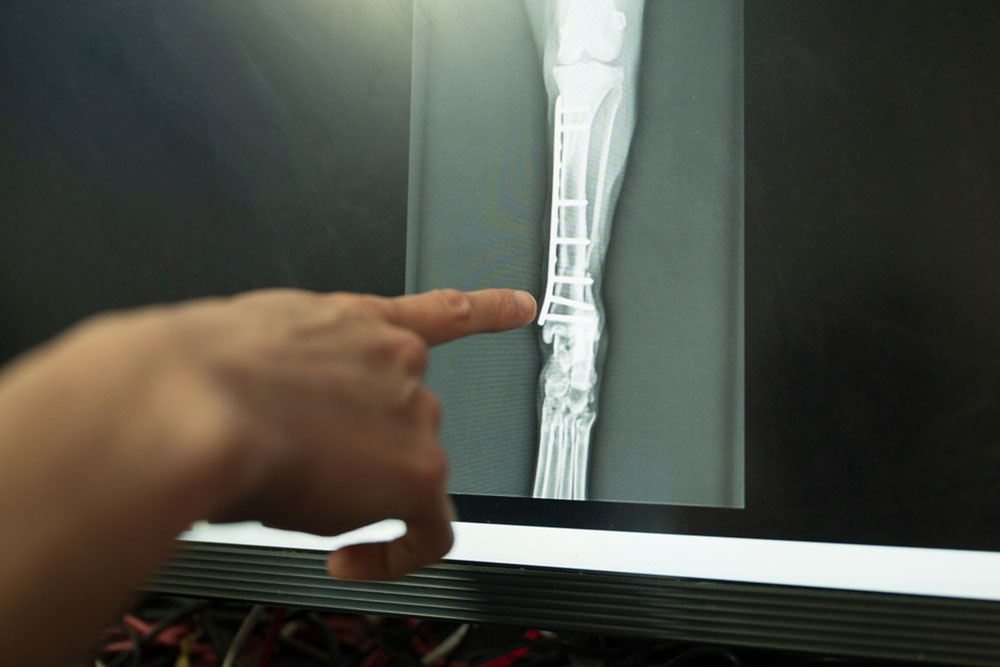
Digital radiography evaluates heart size and shape, screens for fluid accumulation in the lungs from cardiac disease, detects masses in the chest and abdomen, and shows joint disease like osteoarthritis. Abdominal ultrasound provides real-time visualisation of organ architecture, intestinal wall changes, and masses that are not detectable on palpation.
The two imaging methods serve different purposes. Radiographs are best suited to seeing bones, the overall outline of the heart and lungs, and gas or fluid patterns in the chest and abdomen, and they are often the first imaging step. Ultrasound provides a much more detailed view inside soft tissues and organs, so it is particularly useful when bloodwork or a physical finding suggests a problem that needs further investigation. In many cases, the two are used together to build a complete picture.
For senior pets with risk factors for internal tumours, proactive imaging significantly expands the treatment window when disease is found.
Common Conditions Senior Screening Identifies Early
Chronic Kidney Disease
Chronic kidney disease is one of the most common diagnoses in senior cats and increasingly common in older dogs. Because the kidneys have substantial reserve capacity, clinical signs rarely appear until 65 to 75 per cent of function is already lost. Starting dietary and supportive management at an earlier stage substantially extends comfortable lifespan.
Signs you might notice at home include increased thirst and urination, weight loss despite a normal appetite, intermittent vomiting, or a progressively dull coat. These changes are often subtle and develop over months, which is why screening bloodwork typically identifies the problem well before it becomes visible at home.
Arthritis and Mobility
Arthritis affects the majority of dogs and cats over seven, and it is easy to notice an older pet slowing down and attribute the change to normal ageing rather than treatable pain. A proper assessment distinguishes between these two possibilities. We have a number of great options for arthritis pain management to help your pet keep their mobility and move comfortably.
Signs worth watching for at home include reluctance to jump onto furniture, slower rises from lying down, difficulty with stairs, and in cats, a newly unkempt coat over the back end from reduced grooming. Subtle changes in activity level often reflect discomfort rather than simple ageing.
Dental Disease
Advanced periodontal disease allows bacteria to enter the bloodstream and has documented effects on kidney, liver, and cardiac function over time. Pain from dental disease can decrease your pet’s appetite and contribute to weight loss and general decline. Dental health is assessed at every senior examination and should be addressed as part of a comprehensive ageing care plan.
Bad breath is often the first clue something is happening in the mouth, but dropping food, chewing on only one side, or pawing at the face can all point to dental pain worth a closer look.
Cancer
Cancer is among the most common causes of death in senior pets. Physical examination identifies surface masses and lymph node changes, whilst imaging detects internal masses. Several breeds have higher risks of certain cancers, like Golden Retrievers and lymphoma, giant breeds with osteosarcoma, or German Shepherds and haemangiosarcoma. Earlier detection consistently expands treatment options.
Lumps that change in size, unexplained weight loss, persistent lameness, or any lasting change in appetite or energy are all worth bringing to our attention promptly rather than waiting for the next routine visit.
Creaky Clinics: Senior Screening Made Easy
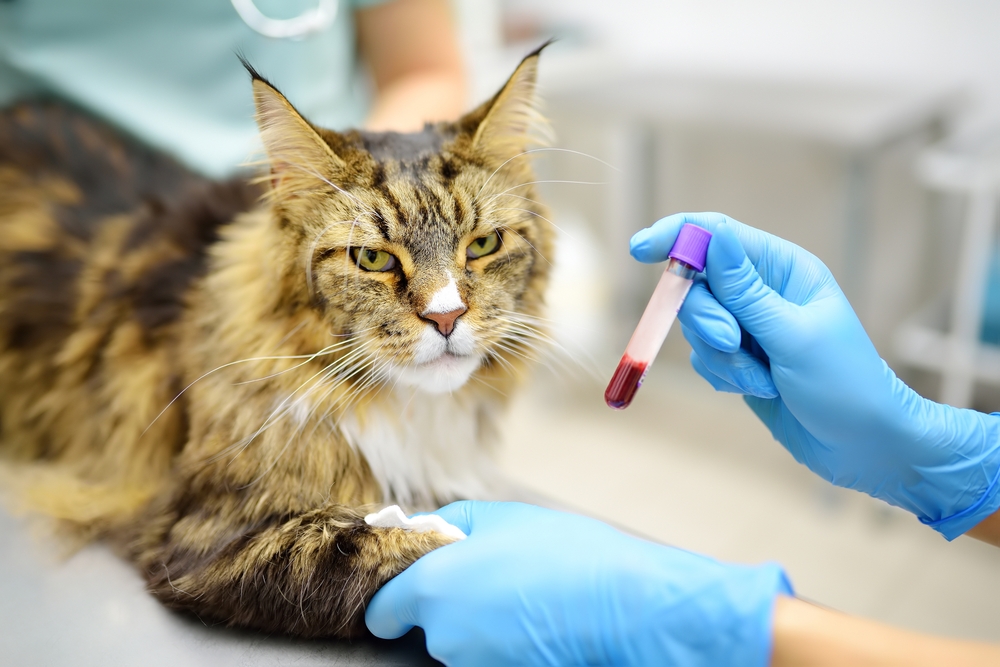
Creaky Clinics are made just for seniors who need more frequent visits. Our nurses provide blood, urine, and blood pressure testing so we can catch those age-related diseases early. For your senior pet, who should be seen every six months with comprehensive panels, this approach makes consistent care more accessible and easier to maintain. They’ll cover dental care, weight and nutrition, parasite control, and any other questions you might have about keeping your pet comfortable through their golden years.
Appointments are structured to be unhurried, giving your pet time to settle into the room at their own pace and giving us time to pick up on the subtle changes a busy consultation might otherwise miss.
Frequently Asked Questions
How often should a senior pet be screened?
Six-monthly examinations with laboratory screening are recommended for dogs and cats aged seven and older. Annual is the minimum. The more rapid pace of change in older animals makes six-monthly the appropriate interval.
What if all results are normal?
Normal results are excellent news and genuinely valuable data. They confirm your pet is ageing well and establish the personal baseline that makes future changes detectable earlier.
Can screening be staged if cost is a concern?
Yes. We can discuss which tests are highest priority for your pet’s specific age, breed, and health history, and build a practical plan from there. Have a word with our team to discuss the options.
Catching What Cannot Be Seen
The most treatable conditions are the ones caught before they produce visible symptoms. Senior screening is how we find them. At The Vale Veterinary Group, our small animal team, in-house laboratory, and dedicated nurse clinics work together to support your pet’s health through every stage of their later years.
Book an appointment at any of our Devon surgeries to arrange senior screening or to find out more about our Creaky Clinics for your older pet.




Leave A Comment