
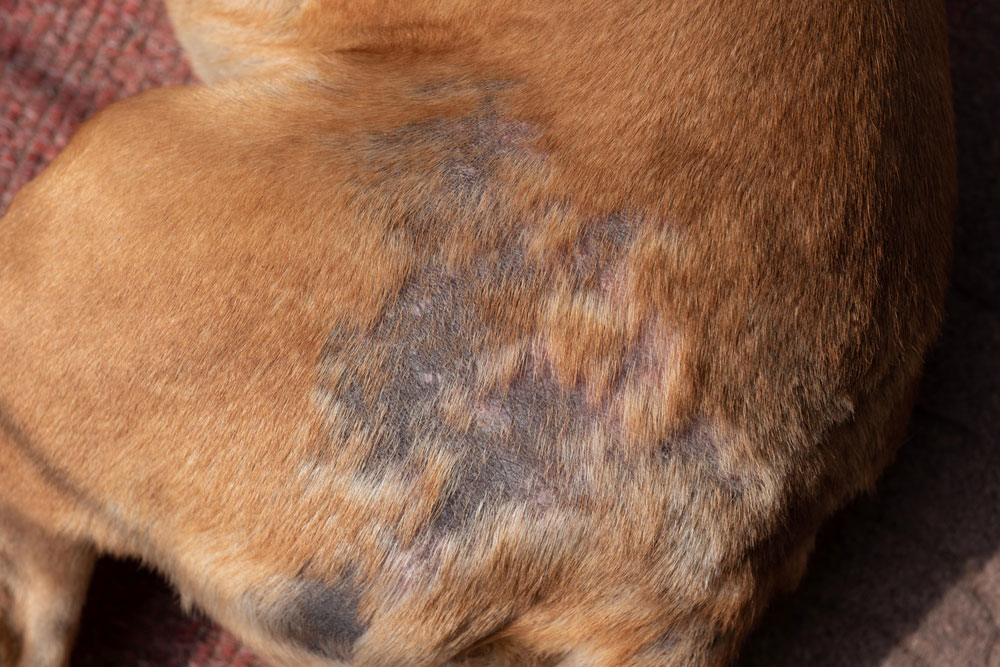
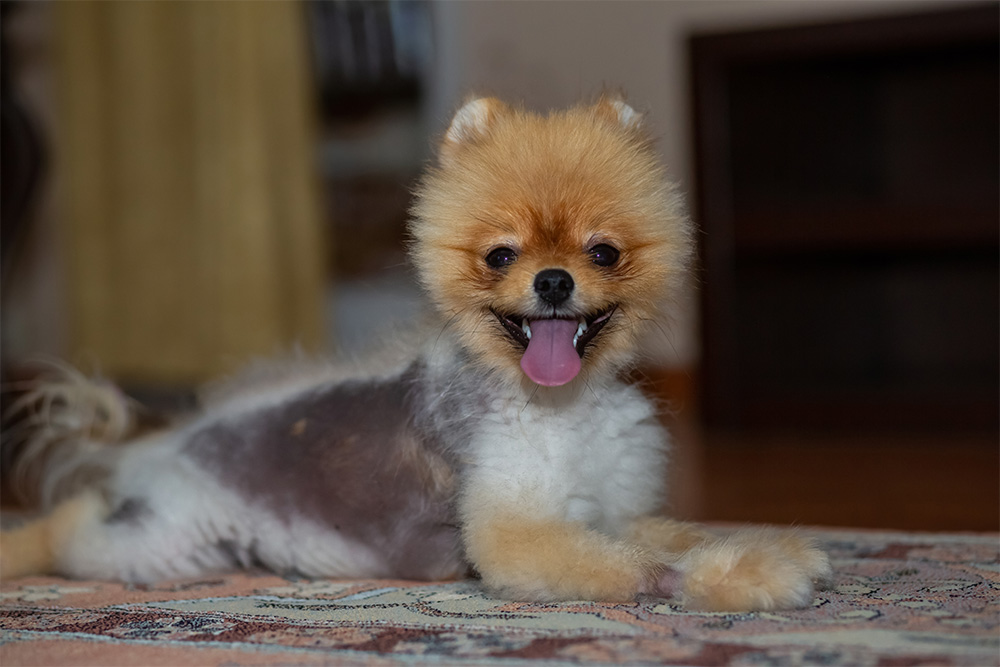
A thinning coat or a spreading bald patch is rarely something you can diagnose at home, and you shouldn’t have to. Hair loss in dogs and cats is one of the more complex problems to get to the root of, precisely because the list of potential causes is long and many conditions look very similar from the outside.
Endocrine disorders like hypothyroidism and hyperadrenocorticism produce a recognisably different pattern than dermatological causes such as allergies, ringworm, or mange, but distinguishing between them requires a proper clinical assessment, often supported by blood panels and skin sampling. Our laboratory services support exactly this kind of thorough investigation, with in-house and external testing available to help build a complete picture rather than treating on assumption.
Our team is experienced in working up hair loss cases and is here to guide you from initial concern through to a confirmed diagnosis and treatment plan. Get in touch to book an appointment today.
Is Your Pet’s Hair Loss Something to Worry About?
It often starts with something small. A patch behind your dog’s ear that looks thinner than it used to. Your cat quietly grooming one spot on her belly until it’s nearly bald. Sometimes hair loss is dramatic; sometimes it creeps up so gradually that you’re not sure exactly when it began.
Alopecia is the medical term for hair loss, and it is a symptom rather than a condition in itself. Something else is always driving it, whether that’s the skin, the immune system, the endocrine system, or even emotional state.
Normal seasonal shedding looks quite different from hair loss that warrants veterinary attention. Healthy shedding is diffuse and even: the coat thins slightly but stays full, and the skin underneath looks completely normal. Signs that suggest something more is going on include:
- Bald patches or well-defined areas of thinning outside of seasonal transitions
- Hair that doesn’t regrow, or grows back with a different texture or colour
- Redness, flaking, crusting, or thickened skin in affected areas
- Excessive scratching, licking, or chewing focused on specific spots
- Symmetrical hair loss along the flanks, tail, or neck without any obvious itch
If any of those apply to your pet, it’s worth having them assessed. As part of routine healthcare visits, we check coat and skin condition at every wellness exam, which often helps catch changes earlier than owners might notice at home.
When Allergies Are Behind the Bald Spots
Allergies are among the most common reasons dogs and cats lose hair, and they can be genuinely frustrating to manage because they tend to flare, settle, and flare again rather than resolving cleanly.
The underlying mechanism involves the immune system reacting excessively to a trigger, causing inflammation and intense itch. The hair loss itself is usually secondary to the scratching, licking, and chewing that follow.
Atopic dermatitis is an allergic skin condition driven by environmental triggers like pollen, grass, dust mites, and mould spores, and it is a particularly common culprit in dogs. Affected dogs often show red, inflamed skin on the belly, inner thighs, paws, and ears, and many develop recurrent ear infections alongside their coat changes. Food allergies can look very similar, typically affecting the face, ears, paws, and rear end.
Cats present differently. They tend to express allergies through overgrooming rather than visible scratching, which means owners sometimes don’t realise the cat is causing its own hair loss. A sleek, symmetrical bald strip along the belly or inner thighs in a cat is often self-inflicted.
Flea allergy dermatitis is especially worth mentioning. In allergic pets, a single flea bite can trigger an intense localised reaction, and the classic pattern is hair loss over the rump, tail base, and inner thighs. You don’t need to actually see fleas on your pet for this to be the cause.
Long-term allergy management usually combines anti-itch medications, medicated topical treatments, omega-3 fatty acid support, flea prevention, and sometimes dietary changes or allergy testing. If your dog or cat has recurring hair loss or skin flares, booking an appointment for a full allergy workup is a sensible next step.
Parasites and Infections: Small Culprits, Big Impact
Even indoor pets can carry parasites, and some of the most problematic ones are far too small to see without laboratory equipment.
Demodex mites live in hair follicles and are present on most dogs in small numbers without causing problems. In puppies or immunocompromised adults, they can proliferate and cause patchy hair loss, typically starting around the face, eyes, and paws. Unlike most mange presentations, demodicosis isn’t especially itchy, which can make it easy to overlook.
Sarcoptic mange is a very different matter. It causes intense itching, crusty skin, and hair loss around the ears, elbows, and belly, and it spreads easily between dogs. It can also temporarily transfer to people in the same household, causing itchy red bumps.
This is part of why year-round parasite prevention is so worthwhile. Consistent flea and tick control removes one major variable from the equation, which simplifies diagnosis significantly if hair loss does develop.
Bacterial and yeast infections are also common contributors. When the skin barrier is compromised by itch, inflammation, or moisture, normal microorganisms on the skin surface can overgrow. This creates a cycle of worsening itch, further damage, and progressive hair loss. Ringworm is a fungal infection (not a worm, despite the name) that creates circular, scaly bald patches and is contagious to both other pets and people. It needs prompt treatment and thorough household cleaning.
Our in-house testing supports skin scraping, cytology, and fungal culture testing, so these answers don’t have to wait for external referral.
Could Hormones Be the Cause?
When hair thins gradually and symmetrically, affecting both sides of the body, without much associated itching, the endocrine system is often involved. These changes can be subtle enough that owners attribute them to ageing before a hormonal imbalance is identified.
Thyroid and Adrenal Conditions
Hypothyroidism is a common hormonal condition in middle-aged and older dogs, occurring when the thyroid gland produces insufficient hormone. The coat becomes dull, dry, and thin, particularly on the trunk and tail, and affected dogs tend to gain weight, feel lethargic, and become intolerant of cold temperatures. In cats, hyperthyroidism can produce a patchy, unkempt coat alongside weight loss and a noticeably increased appetite.
Cushing’s disease, or hyperadrenocorticism, presents quite differently. It involves excess cortisol production and typically causes a pot-bellied appearance, increased thirst and urination, heavy panting, thinning and fragile skin, and hair loss along the flanks.
Sex Hormones and Topical Medication Exposure
In intact male dogs, testicular tumours can produce excess oestrogen, leading to symmetrical hair loss. Intact females can experience similar changes from ovarian cysts or hormonal fluctuations. Neutering often resolves these cases once other causes have been ruled out.
It is also worth knowing that pets can absorb hormones from topical human medications such as oestrogen or testosterone creams applied to household members’ skin. This can mimic a hormonal condition in pets, so covering application sites and washing hands thoroughly afterwards is sensible protection.
Why Routine Blood Work Matters
Hormone imbalances frequently show up on blood work before they become visually obvious. Regular screening during wellness visits establishes baseline values for thyroid, adrenal, and organ function, making it much easier to spot when things begin to shift. Our Premier Paws Club supports this kind of proactive care with regular health checks built in.
Breed-Related Hair Loss: What’s Inherited and What Can Be Managed
Some dogs have a genetic predisposition to coat conditions that aren’t caused by infection, parasites, or hormones. Knowing your breed’s tendencies helps set realistic expectations.
- Colour dilution alopecia affects dogs with diluted coat colours, including Dobermanns, Weimaraners, and Italian Greyhounds, causing progressive thinning that typically begins early in life.
- Flank alopecia produces well-defined seasonal bald patches on the sides of the body and is most commonly seen in Boxers, Bulldogs, and Airedales.
- Sebaceous adenitis destroys the oil-producing glands in the skin, leading to scaling, dullness, and progressive hair loss. Standard Poodles are particularly predisposed.
- Zinc-responsive dermatosis causes crusting and hair loss around the face and muzzle in northern breeds such as Siberian Huskies and Alaskan Malamutes.
These conditions are diagnosed after ruling out other causes, and management typically centres on supportive skin care, nutritional supplementation, and occasionally light therapy. Full reversal isn’t always possible, but coat quality and comfort can usually be improved meaningfully.
Overgrooming, Stress, and Pain: Less Obvious Triggers
Not all hair loss comes from what’s happening on or under the skin. Cats in particular often express emotional distress or physical pain through repetitive grooming that gradually removes hair from specific areas.
Psychogenic alopecia is the term used when overgrooming has a behavioural rather than medical origin. The skin underneath typically looks completely normal, which is one of the distinguishing features. Common feline life stressors that trigger overgrooming include changes in household routine, a new pet or person, conflict with other cats, or a house move.
Dogs can develop similar habits through repetitive licking of one spot, a condition known as a lick granuloma, where licking causes skin damage that then drives more licking.
Pain is another driver that’s easy to overlook. A cat with discomfort from feline idiopathic cystitis may lick the lower abdomen bald without any visible skin problem. Similarly, a dog managing osteoarthritis may obsessively lick a sore joint until the hair thins.
Because stress-related and pain-driven grooming look identical from the outside, a clinical assessment is essential to tell them apart. If you suspect your pet is overgrooming, get in touch and we can help identify what’s going on.
Does Diet Affect Your Pet’s Coat?
The skin and coat are among the first places to reflect nutritional shortfalls. Hair growth requires a reliable supply of protein, essential fatty acids, zinc, and biotin, and when these are lacking, the coat often looks dull, dry, or sparse before other signs appear.
Harsh shampoos and overbathing can also strip natural skin oils, making hair fragile and prone to breakage. Regular grooming with appropriate brushes and products improves circulation, removes debris, and helps distribute oils for a healthier coat overall. We’re happy to discuss nutrition as part of a routine healthcare consultation.
What to Expect During a Hair Loss Workup
If you bring your pet in for hair loss, here’s a straightforward overview of how we typically approach it.
- Detailed history. We’ll ask when the hair loss started, whether it’s progressing, whether your pet seems itchy, whether there have been any changes in diet or household routine, and whether any other pets or people at home are affected.
- Physical exam and pattern mapping. The location and distribution of hair loss tells us a great deal. Symmetrical loss on the flanks suggests hormones; patchy loss with scaly edges points toward infection or parasites; thinning around the rump raises flea allergy as a possibility.
- In-house diagnostics. Skin scrapings for mites, cytology to identify bacterial or yeast overgrowth, and hair shaft examination.
- Fungal culture. When ringworm is suspected, culture takes seven to fourteen days for accurate results.
- Blood work and endocrine panels. When hormonal conditions are on the list, blood work gives a clearer picture of thyroid and adrenal function.
- Allergy evaluation. This may involve elimination diets for suspected food reactions, typically eight to twelve weeks on a novel or hydrolysed protein diet, or environmental allergy testing.
Our in-house laboratory capabilities mean many results are available promptly, without the delays of external referral.
How Is Pet Hair Loss Treated?
Because alopecia has so many possible causes, treatment is always matched to the specific diagnosis. There is no single product or medication that addresses all forms of hair loss.
| Cause | Typical Approach |
| Allergies | Anti-itch medications, omega-3 supplementation, medicated shampoos, dietary adjustment, and sometimes immunotherapy |
| Parasites | Prescription treatments targeting the identified parasite, plus environmental cleaning where needed |
| Infections | Antibiotics for bacterial infections, antifungal therapy for ringworm and yeast, guided by cytology and culture results |
| Hormonal conditions | Thyroid hormone supplementation, targeted protocols for Cushing’s disease, or surgery where relevant, with regular blood monitoring |
| Stress or pain-related grooming | Environmental enrichment, behaviour modification, pain management, and calming support as appropriate |
| Nutritional deficiencies | Dietary improvements and targeted supplementation |
Follow-up appointments are a genuinely important part of this process. They allow us to confirm regrowth is progressing, adjust medications if needed, and catch any secondary issues early.
Frequently Asked Questions About Pet Hair Loss
When should I be concerned rather than waiting to see if it improves? Book an appointment if there are actual bald patches rather than general shedding, if your pet is scratching or licking intensely, if the skin looks red, scaly, or crusty, if the hair loss is spreading, or if there are accompanying changes such as weight gain, increased thirst, or lethargy.
Can my pet’s hair loss spread to me or my family? Most causes of alopecia are not contagious. The two main exceptions are ringworm and sarcoptic mange, both of which can temporarily affect people in the household. Prompt veterinary treatment and good hand hygiene significantly reduce the risk.
Finding the Cause Is the First Step Towards a Healthier Coat
Most cases of hair loss in dogs and cats improve significantly once the underlying cause is identified and treated. Whether your pet is scratching constantly, quietly thinning without obvious itch, or showing symmetrical changes that suggest a hormonal problem, there is a clear path forward.
Our RCVS-accredited team takes a thorough, considered approach to these cases across all four of our Devon practices, combining clinical assessment with in-house laboratory capabilities to get to the right answer efficiently. If you’ve noticed changes in your pet’s coat or skin, get in touch to book an assessment. We’re here to help you work it out.





Leave A Comment