
When Nature Needs a Hand: Managing C-Sections and Birthing Complications in Livestock
Most livestock deliver without complications, but sometimes labor can take a dangerous turn. Malpositioned offspring, uterine fatigue, or oversized young can quickly turn a routine birth into an emergency. Prompt veterinary care, including cesarean section when needed, can make the difference between a successful outcome and a loss. Recognizing early warning signs helps protect both the mother and her offspring.
At The Vale Veterinary Group, our experienced farm animal veterinarians provide expert reproductive support for sheep, cattle, and other livestock. With decades of experience and a dedicated farm team, we offer 24/7 emergency response for our clients when birthing complications arise.
What Normal Labor Looks Like Across Livestock Species
Understanding what healthy labor looks like allows farmers to spot when something is going wrong. Each species has its own normal timing and sequence, and familiarity with these helps determine when it’s time to intervene.
In cattle, the first stage of labor typically lasts two to six hours and includes restlessness, tail raising, and isolation from the herd. Once the water sac appears, a calf should be delivered within one to two hours. Longer delays often indicate trouble and warrant a closer look at presentation and contraction strength.
Ewes and does progress more quickly. After the water sac ruptures, each lamb or kid should be born within 30 to 60 minutes, though multiple births may occur over several hours. Quiet observation during this time helps ensure each newborn is breathing, standing, and nursing soon after delivery.
Sows generally produce a piglet every 15 to 20 minutes during farrowing. Prolonged gaps between births can indicate uterine fatigue or obstruction, particularly in large litters. Monitoring for restlessness, visible straining, or unusual discharge helps catch issues before they escalate.
Producers who are familiar with standard birthing management and normal timelines are better prepared to recognize when to call for help. Our team also provides advanced breeding services for sheep and hands-on guidance for safe labor and delivery practices across all livestock species.
When Labor Becomes Dangerous: Understanding Dystocia
Dystocia, or difficult labor, can quickly endanger both dam and offspring. The most common cause of dystocia in cattle and in small ruminants is fetal oversize, especially in heifers bred to large bulls. When the calf’s shoulders or hips cannot pass through the pelvis, labor stalls and the dam tires rapidly.
Malpresentation is another frequent problem. Normally, the front feet and nose appear first, but breech or folded-limb positions can block the birth canal. Skilled assistance is needed to assess whether the fetus can be repositioned safely or if surgical intervention is the best option.
Uterine inertia, when contractions weaken or stop entirely, may occur in older, overconditioned, or exhausted animals. Without strong contractions, even a properly positioned fetus cannot be delivered. Supplementation with calcium or energy sources may help, but timing is critical.
Prolonged or unproductive labor increases the risk of infection, uterine injury, and retained placenta. Calves deprived of oxygen during extended delivery may be weak or stillborn, and dams may experience long-term reproductive setbacks. Awareness of calving injuries and diseases helps producers identify when prompt intervention is needed.
Farmers should contact a veterinarian if a cow strains for more than 30 to 60 minutes without progress or if the water sac ruptures and no feet or nose appear. If only one leg or the head is visible, the birth canal may be obstructed. Our beef and dairy services include emergency obstetric care, ensuring timely, on-farm support when every minute counts.
How Cesarean Sections Save Lives
When natural delivery becomes impossible, a cesarean section provides a life-saving alternative. The procedure removes the offspring through an incision in the uterus and abdominal wall, avoiding further trauma to both mother and young.
Most livestock C-sections are performed under local anesthesia and mild sedation on the farm, minimizing stress and transportation risks. The surgery typically lasts 45 to 90 minutes, and animals that receive care before exhaustion set in often recover quickly.
The veterinarian makes a controlled incision, usually along the left flank in cattle, and carefully removes the calf, lamb, or kid before closing the uterus and abdominal wall. Postoperative care includes pain management, antibiotics, and supportive nutrition.
Early intervention is the key to success. Animals that are stabilized before fatigue or infection develop have higher survival rates and better fertility outcomes in future breeding seasons. With prompt veterinary attention and appropriate aftercare, both dam and offspring can return to normal activity within days.
Species-Specific Birthing Challenges
Each livestock species faces its own set of obstetric challenges related to anatomy, size, and litter number.
Cattle: Size and Timing
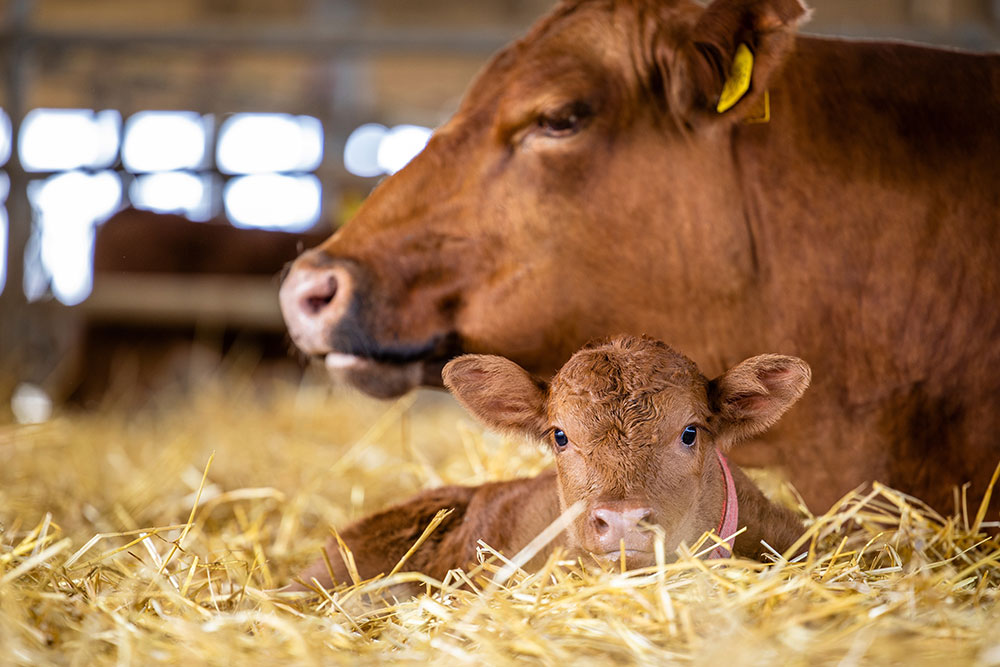
First-calf heifers are most vulnerable due to narrower pelvic openings and lack of calving experience. Selecting sires with appropriate birth-weight genetics reduces risk. Twin pregnancies also increase complications, leading to prolonged labor or weak calves that may need resuscitation and extra colostrum support. Prompt calving assistance ensures optimal survival outcomes.
Sheep and Goats: Multiple Births
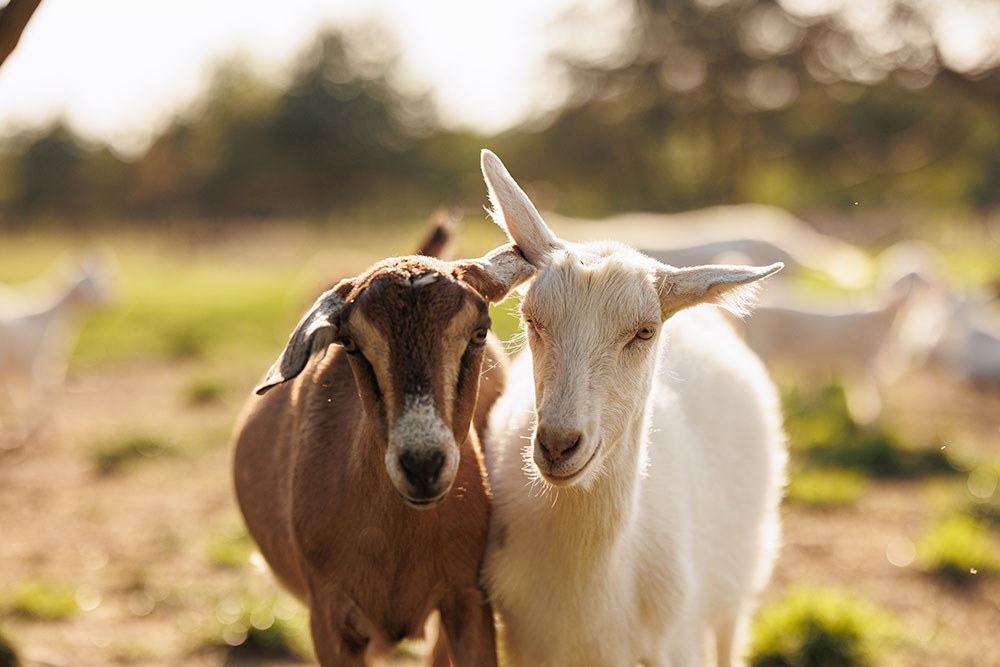
Small ruminants often carry twins or triplets, and tangled limbs are common. Birthing assistance in small ruminants may involve gentle manipulation or manual extraction to prevent suffocation or uterine damage. Close observation after delivery helps ensure every newborn receives adequate colostrum and warmth.
Swine: Uterine Fatigue
Sows producing large litters may develop uterine exhaustion midway through farrowing. If more than 30 to 45 minutes pass between piglets, manual farrowing assistance is recommended. Quick intervention prevents infection and supports survival of the remaining piglets.
Postpartum Care: Ensuring Recovery
After a difficult birth or surgical delivery, both dam and offspring require attentive care. Newborns should stand and nurse within the first six hours to receive colostrum, which is critical for immunity and survival. Weak offspring may need bottle or tube feeding until they can nurse independently.
Dams recovering from labor or surgery are at risk of infection and metabolic stress. Monitor for fever, reduced appetite, or foul-smelling discharge- these signs point to uterine infection and require immediate veterinary attention. Clean housing, comfortable bedding, and balanced nutrition support healing and milk production.
Postpartum care also includes checking for retained placenta, tracking milk output, and ensuring surgical incisions heal properly. Our veterinarians offer follow-up visits and herd-level management plans that help prevent recurring problems in future breeding cycles.
Building a Proactive Approach
Prevention begins long before calving or lambing. Accurate breeding records help predict due dates and manage nutrition during late gestation. Proper mineral supplementation and maintaining optimal body condition reduce dystocia risk by supporting uterine tone and fetal size control.
Regular observation in the final days before delivery allows early recognition of labor onset and rapid response to complications. Calm handling and appropriate restraint also improve safety for both handler and animal.
The Vale Veterinary Group proudly supports cattle, sheep, goat, and pig producers across the region. From reproductive management and obstetric assistance to postnatal herd care, our veterinarians deliver experienced, farm-based service that producers can rely on.
To plan ahead for the next calving or lambing season, establish emergency protocols, or arrange herd health consultations, contact The Vale Veterinary Group. Preparation, observation, and professional support together help ensure safe, successful deliveries year after year.





Leave A Comment