
Why Does My Pet Take So Many Heart Pills? Understanding Combination Therapy
When a dog or cat is first diagnosed with heart disease, one of the biggest worries owners share with us is simply trying to understand what the recommended medicines actually do. At The Vale Veterinary Group, we know how confusing unfamiliar medication names can feel in the early stages of managing a heart condition. That is why our team takes time to explain how each treatment works, how quickly you might see changes at home, and which symptoms should prompt a call to the practice. These early conversations often start during the same visit when we carry out heart scans and other assessments through our comprehensive small animal services so families leave with clear next steps and a plan that feels manageable.
Many owners also want reassurance about what their pet’s future might look like. Will my dog still enjoy walks? Could my cat’s breathing improve with the right medication? How do I know if treatment is working? Because heart disease varies so widely, we focus on answering these practical questions with advice tailored to each pet, drawing from our diagnostics and the experience of a team that supports animals with both early and advanced heart conditions. And for ongoing care, whether you are noticing new symptoms or simply want help adjusting a long-term treatment plan, you are always welcome to request an appointment so we can continue guiding you and your pet with the thorough, compassionate support families across Devon have relied on for decades.
Which Heart Conditions Need Medication?
Heart disease in pets takes many forms, and knowing the specific condition helps explain why certain medicines are used. Mitral valve disease is common in older, small-breed dogs and can lead to fluid in the lungs. Cats more often develop hypertrophic cardiomyopathy, where the heart muscle thickens and struggles to pump well.
We also see dilated cardiomyopathy and restrictive cardiomyopathy, and some pets are born with congenital disorders like patent ductus arteriosus. Conditions like sick sinus syndrome, common in Schnauzers, affect the heart’s natural pacemaker. Other heart rhythm issues, known as arrhythmias, are commonly seen in cats and Boxers. Knowing what types of heart disease your pet may be more at risk for is important. Dobermans more commonly get dilated cardiomyopathy; cats with hyperthyroidism are prone to thickening of the heart.
Through echocardiography and other diagnostics at The Vale Veterinary Group, we identify the condition and tailor medication so you have a clear, manageable plan.
How We Diagnose Heart Conditions
Accurate diagnosis guides the right treatment plan. Echocardiograms use ultrasound to visualize the heart’s structure, measure chamber size, assess valve function, and evaluate how well the heart pumps. This helps us determine which medications will be most effective.
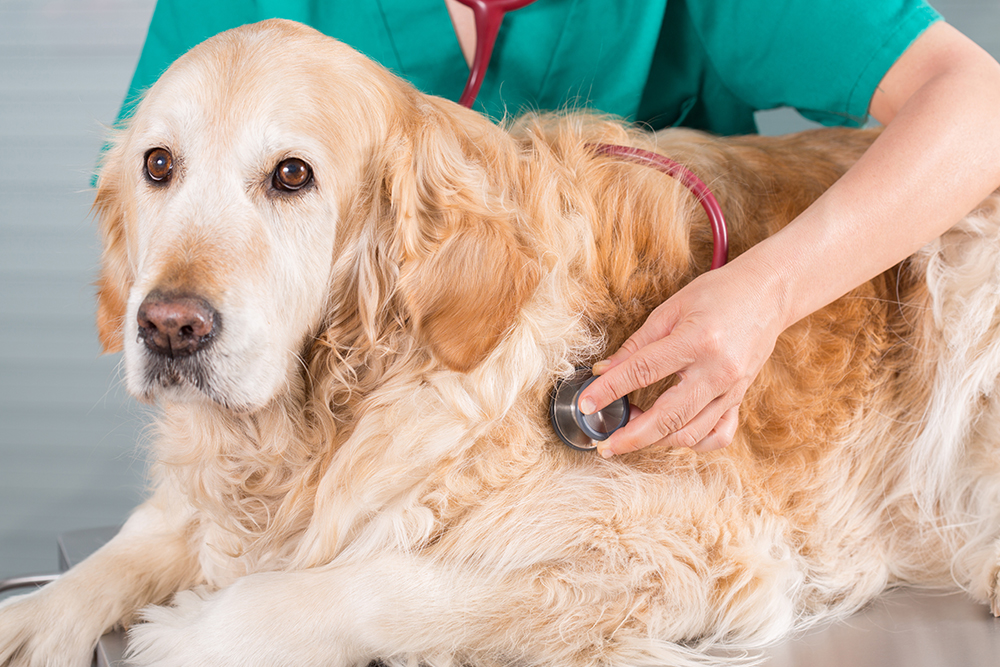
Electrocardiograms (EKG) record the heart’s electrical activity to identify rhythm abnormalities. X-rays show us the size of the heart and if there is fluid in the lungs. During exams, we may detect heart murmurs by using a stethoscope to listen to the heart’s movement and rhythm. Combined with full physical exams and lab testing, these tools give us a complete picture of your pet’s cardiac health and help us monitor how well treatment is working over time.
Recognizing Heart Disease Warning Signs
Signs of Heart Disease: What Should I Watch For?
Recognizing heart disease signs in dogs early helps us start treatment before symptoms become severe. Dogs may develop a persistent cough, reduced stamina, and tiredness during walks. One of the most common early changes is reduced ability to exercise, where dogs who once enjoyed long walks now lag behind or ask to stop sooner than usual. Cats often show subtler changes like rapid or labored breathing, hiding, or panting, which is not normal in cats and needs prompt care.
If you notice changes in breathing, energy, or behavior, reach out when your pet is not well. Early evaluation helps us keep your pet comfortable.
What is Congestive Heart Failure?
Congestive heart failure occurs when the heart can no longer pump effectively enough to meet the body’s needs, leading to fluid accumulation in the lungs, abdomen, or both. Understanding the warning signs helps you recognize when your pet needs urgent care.
Watch for these concerning changes:
- Increased breathing rate at rest (over 40 breaths per minute while sleeping)
- Labored breathing or open-mouth breathing, especially in cats
- Coughing that worsens at night or when lying down
- Blue or pale gums indicating poor oxygen levels
- Weakness, collapse, or reluctance to move
- Distended abdomen from fluid accumulation
- Loss of appetite or sudden weight changes
Respiratory distress is always an emergency. If your pet shows labored breathing, gasping, or extreme restlessness combined with breathing changes, contact us immediately or seek emergency care. Early intervention during CHF episodes can stabilize your pet and prevent life-threatening complications.
Treatments for Pets With Heart Disease
Pimobendan: Why It’s Often First-Line
Pimobendan supports the heart in two ways: it helps the heart pump more effectively and relaxes blood vessels so blood flows more easily. This makes it especially useful in dogs with valve disease or certain muscle diseases, and starting it early can delay heart failure.
Most dogs take pimobendan twice daily on an empty stomach. Cats may receive it in select cases, but it isn’t right for every feline condition. We’ll advise whether pimobendan suits your pet and monitor progress through follow-ups.
What Improvements Might I See?
Benefits often build over days to weeks. You may notice easier breathing at rest, more energy, and less coughing, especially at night. Some changes show up more clearly on recheck tests than at home, so consistent dosing and scheduled monitoring are important.
Side effects are uncommon and usually mild, such as softer stools or reduced appetite. If anything worries you after starting pimobendan, contact our team so we can adjust the plan.
Diuretics (“Water Pills”): Managing Fluid Build-Up
When fluid accumulates in the lungs or abdomen, diuretics help the body remove excess water. Furosemide is the most common choice and often provides relief within hours by increasing urine output. Doses vary by pet and disease stage; some need once daily, others two to three times daily.
We sometimes add spironolactone for extra support. Because diuretics can affect kidney values and electrolytes, we monitor bloodwork through our lab to keep therapy safe and effective.
ACE Inhibitors: Reducing Strain on the Heart
ACE inhibitors (such as enalapril or benazepril) help relax blood vessels and reduce fluid retention, lowering the workload on the heart. They are often used alongside pimobendan and diuretics to improve comfort and longevity in dogs with heart failure.
Cats may also receive ACE inhibitors, typically for systemic hypertension, though benefits vary by case. We monitor kidney function and electrolytes with regular bloodwork. Most pets tolerate these medicines well, but if you notice dizziness, digestive upset, or weakness, let us know.
Beta-Blockers: When Slowing the Heart Helps
Beta-blockers like atenolol can help in specific situations, especially in cats with hypertrophic cardiomyopathy or pets with certain rhythm issues. By slowing the heart rate and reducing the force of beats, they can improve efficiency when the heart is working too fast or too hard.
These medicines require careful dosing to avoid excessive tiredness or abnormally low heart rates. If your pet seems unusually weak or faint, contact us promptly. Other rhythm-control medicines may be considered if arrhythmias persist.
Building a Complete, Practical Plan
Managing heart disease means using the right mix of heart disease medications and adjusting as your pet’s needs evolve. We want your feedback: Are meds easy to give? Are you seeing the changes you hoped for? Small tweaks can make a big difference in comfort and quality time.
Why So Many Medications?
Heart failure affects multiple systems, so one medicine rarely does it all. Pimobendan helps the heart pump and relaxes vessels. Diuretics remove excess fluid. ACE inhibitors lower blood pressure and fluid retention. Together, they provide stronger, more balanced support than any single drug.
We adjust combinations over time as needs change. Early disease may need fewer medicines; advanced stages often require a carefully coordinated mix. Your observations at home, combined with our exams and tests, guide dose changes and keep treatment manageable day to day.
Home Monitoring: What Should I Track?
Count resting breaths once daily when your pet is asleep. Under 30 per minute is typical; over 40 can signal worsening fluid. If rates climb, contact us.
- Weigh your pet weekly if possible. Sudden gain can indicate fluid retention; rapid loss may mean excess fluid removal or reduced appetite.
- Make sure fresh water is always available, as these medicines increase thirst and urination.
- Watch for lethargy, weakness, vomiting, or poor appetite, which can indicate dehydration or electrolyte issues. If symptoms persist or worsen, reach out through routine healthcare so we can reassess.
Many pets live comfortably for months or years with proper management through medications, monitoring, and lifestyle adjustments. The key is recognizing changes quickly and working closely with our team to adjust treatment as needed. With ultrasound, radiography, and lab testing, we monitor how well treatment is working and catch issues early.
Regular rechecks aren’t just for refills- they’re how we actively manage a progressive condition with you as our partner. We want to keep your pet as comfortable as possible for as long as possible, and prevent congestive heart failure.
Can Exercise Help My Pet’s Heart?
While it might seem counterintuitive, appropriate exercise can actually benefit pets with heart disease when done correctly. The key is finding the right balance based on your pet’s individual condition and stage of disease.
For dogs with early or well-managed heart disease, gentle, regular activity helps maintain muscle tone, supports healthy weight, improves circulation, and enhances overall quality of life. Heart-healthy workouts for dogs include short, leisurely walks at your dog’s pace, gentle swimming in warm water if your pet enjoys it, slow-paced play sessions that avoid overexertion, and indoor activities on days when weather or symptoms make outdoor exercise difficult.
The most important rule is to let your pet set the pace. Stop if your dog shows signs of fatigue, increased breathing rate, coughing, or reluctance to continue. Avoid strenuous exercise, hot or humid conditions, and activities that cause excitement or stress. Multiple short sessions throughout the day often work better than one longer walk.
Always discuss exercise plans with our team. We’ll help you create safe activity guidelines based on your pet’s specific condition, medications, and current symptoms. What’s appropriate changes over time, so we’ll adjust recommendations at each recheck visit.

FAQs: Quick Answers for Pet Owners
Why is my pet suddenly breathing faster?
Faster breathing at rest can mean fluid is building up. Count breaths per minute while asleep; over 40 is a red flag. Call us when your pet is not well.
Do heart pills have to be given forever?
Most heart medicines are long-term. We adjust dosing over time to keep your pet comfortable with the fewest necessary pills.
What if I miss a dose?
Give it when you remember if it’s within a few hours; otherwise, skip and continue the normal schedule. Don’t double up unless we’ve advised it.
Can diet or gentle exercise help?
Yes, balanced nutrition and calm, low-intensity activity often help. We’ll guide you on safe limits based on your pet’s condition.
Your Partner in Cardiac Care
Heart disease is serious, but modern medications can maintain your pet’s comfort and give you more quality time together. At The Vale Veterinary Group, we guide you from diagnosis and medicine selection through ongoing monitoring and dose adjustments, so the plan stays practical and effective. We know multiple medications can feel overwhelming, and we’re here to explain each one, answer questions, and support you at every step. If you have concerns about your pet’s heart health or need help managing a current plan, contact us or request an appointment- we’re ready to be your partner in care.
Ready to talk through symptoms or meds? Schedule a visit, ask about changes you’re seeing, or reach out with questions about your pet’s treatment. We’re here to help, guide, and ease worries so you can focus on enjoying time with your pet. Contact us today to get started.






Leave A Comment