

When Your Dog Seems Tired All the Time: Understanding Lethargy
If your normally playful dog suddenly seems listless, uninterested, or reluctant to move, it is time to pay attention. Lethargy can stem from infection, pain, heart disease, or toxin exposure. Because this symptom is often the first clue that something serious is wrong, prompt veterinary evaluation is essential.
At The Vale Veterinary Group, your local RCVS-accredited practice, we know lethargy is more than tiredness. With advanced in-house laboratory testing, ultrasound and X-ray, and 24/7 emergency services for registered clients, our caring team helps identify the underlying cause and restore your dog’s comfort quickly. As a trusted, community-focused practice serving small animals, farm animals, and exotics, we treat every pet as our own while guiding you through clear next steps.
Recognizing True Lethargy Versus Normal Tiredness
Not every quiet afternoon signals a health crisis. Dogs naturally rest after exercise, in hot weather, or following a busy day. True lethargy in dogs is a noticeable decline in activity, alertness, and enthusiasm that persists beyond normal rest periods.
You may see reduced appetite, reluctance to greet family, disinterest in favorite activities, or increased sleep. These patterns suggest something more significant than simple fatigue. Documenting when the lethargy started, how long it lasts, and whether other symptoms accompany it helps your veterinarian narrow potential causes. Even subtle changes deserve attention, as many dogs instinctively hide discomfort until problems become severe.
Recognizing Life-Threatening Warning Signs
Some symptoms require immediate emergency care. Sudden or severe lethargy combined with any of the following signs indicates a potential crisis:
- Collapse or unresponsiveness
- Difficulty breathing or rapid panting
- Pale, white, or yellow gums
- Vomiting, diarrhea, or complete refusal to eat for over 24 hours
- Tremors, seizures, or disorientation
- Distended or painful abdomen
The Vale Veterinary Group provides 24/7 emergency services for registered clients, ensuring your dog receives urgent attention when every minute counts. If you notice severe lethargy with any of these symptoms, contact our emergency team immediately rather than waiting.
Simple Home Assessments Before Your Veterinary Visit
Basic home checks can help you describe symptoms accurately, though they never replace professional care.
A quick DIY dog checkup might include:
- Gum color: Healthy gums are pink and moist. Pale, white, or yellow gums can suggest anemia, poor circulation, or liver problems. Press gently and release; color should return within two seconds.
- Breathing rate: Count breaths for 15 seconds and multiply by four. Normal resting rates are 10 to 30 breaths per minute. Labored breathing or unusual sounds warrant immediate attention.
- Appetite and water intake: Note interest in food and changes in drinking. Increased thirst with lethargy may indicate diabetes or kidney disease.
- Temperature: Measure rectally with a digital thermometer. Normal canine temperature is 101 to 102.5°F. Fever or hypothermia needs veterinary evaluation.
These observations are helpful, but when in doubt, schedule a visit to our small animal practice for an accurate assessment and timely treatment.
Understanding Pain as a Hidden Cause
Dogs often mask pain, so lethargy may be the only visible symptom of significant discomfort. Injury, dental disease, arthritis, or internal pain can reduce activity levels.
Common pet pain signs include reluctance to climb stairs, stiffness after rest, flinching when touched, or avoiding previously enjoyed activities. Dental disease is a frequent and overlooked source of pain- infected teeth and inflamed gums create chronic discomfort that reduces appetite and energy.
The Vale Veterinary Group offers comprehensive dental care and musculoskeletal evaluations. With physical examination and diagnostic imaging, we create individualized pain management plans that often restore comfort and vitality.
Hormonal and Metabolic Conditions That Cause Fatigue
Endocrine disorders disrupt normal metabolism, affecting energy production and activity. These conditions develop gradually, making them easy to dismiss as aging.
- Hypothyroidism in dogs slows metabolism and causes weight gain, coat changes, and profound sluggishness. Blood testing confirms diagnosis, and daily medication typically restores energy within weeks.
- Diabetes in pets prevents cells from accessing glucose. Affected dogs show increased thirst and urination alongside weakness. Early diagnosis and insulin therapy improve quality of life and reduce complications.
- Immune-mediated anemia in dogs reduces oxygen delivery to tissues, causing pale gums, rapid breathing, and severe fatigue. Immediate treatment is essential.
The importance of blood work for your dog cannot be overstated when investigating lethargy. Our in-house laboratory provides rapid results, allowing same-day diagnosis and treatment for many conditions.
Infections That Drain Energy
Bacterial and viral infections trigger immune responses that consume energy, leaving dogs exhausted. Fever, inflammation, and toxin production contribute to systemic fatigue.
- Urinary tract infections cause frequent, painful urination alongside lethargy and sometimes fever.
- Pyometra in dogs is a life-threatening uterine infection in unspayed females that requires immediate surgical intervention
- Canine parvovirus strikes puppies with severe vomiting, bloody diarrhea, and profound weakness. Vaccination prevents parvovirus, making our routine healthcare programs essential for protecting young dogs.
Any combination of fever, vomiting, or diarrhea with lethargy demands prompt veterinary attention to prevent dehydration and complications.
Gastrointestinal Problems That Cause Weakness
Digestive disorders create lethargy through dehydration, pain, and nutrient malabsorption.
- Diarrhea in dogs may resolve on its own, but persistent diarrhea with lethargy indicates more serious issues. Pancreatitis causes severe abdominal pain, nausea, and weakness.
- Gastrointestinal foreign bodies can obstruct the stomach or intestines, leading to lethargy, vomiting, and appetite loss.
The Vale Veterinary Group’s ultrasound and X-ray capabilities help identify gastrointestinal problems early. Prompt intervention prevents dehydration, sepsis, and organ damage.
Cardiovascular Disease and Exercise Intolerance
Heart disease limits oxygen delivery, causing fatigue that worsens with activity. Heart disease signs in dogs include coughing, breathing difficulty, reluctance to exercise, and progressive lethargy. Many heart conditions develop silently, so regular wellness exams are crucial.
Our cardiology services provide specialized evaluation using echocardiography and electrocardiography to accurately assess heart structure and function. Early medical management can slow disease progression and improve quality of life.
Cancer’s Impact on Energy Levels
Types of cancer in pets vary widely, but many share lethargy as an early symptom. Tumors consume nutrients, trigger inflammation, and disrupt organ function, all leading to decreased energy.
Older dogs are at higher risk, although younger dogs can be affected. Annual examinations with thorough palpation, routine blood work, and imaging help detect cancer early. Our “Creaky Clinics” are made just for these situations- early detection significantly improves treatment outcomes and comfort.
How Veterinarians Identify the Cause
Diagnosing lethargy requires a systematic evaluation of medical history, physical exam, and diagnostic testing. Your veterinarian will review symptom duration, accompanying signs, and recent changes in diet, environment, or behavior.
A physical exam assesses temperature, heart and respiratory rates, mucous membrane color, lymph nodes, abdominal palpation, and pain responses. Blood work evaluates organ function and blood cell counts, while urinalysis checks kidney function and screens for infection or diabetes. Imaging including X-rays and ultrasound visualizes internal organs to identify masses, fluid, or structural abnormalities.
The Vale Veterinary Group’s comprehensive diagnostics enable rapid, accurate answers. Our in-house laboratory provides results within hours, and we use external laboratory services for specialized testing when needed. Identifying the underlying cause ensures targeted treatment and better long-term outcomes.
Prevention Through Proactive Care
While not all causes of lethargy are preventable, consistent preventive care reduces risk and helps catch problems early.
- Regular wellness exams detect subtle changes before they become emergencies. Our Premier Paws Club offers preventative healthcare plans including vaccinations, parasite control, routine screening, and nurse visits tailored to your dog’s age and risk factors.
- Balanced nutrition and healthy weight support joint, organ, and metabolic health.
- Parasite prevention and vaccination protect against infections that cause lethargy.
- Dental care, including at-home brushing and professional cleanings, prevents painful oral disease.
Most importantly, trust your instincts. You know your dog best. If something feels off, even without specific symptoms, veterinary evaluation provides peace of mind and early intervention.
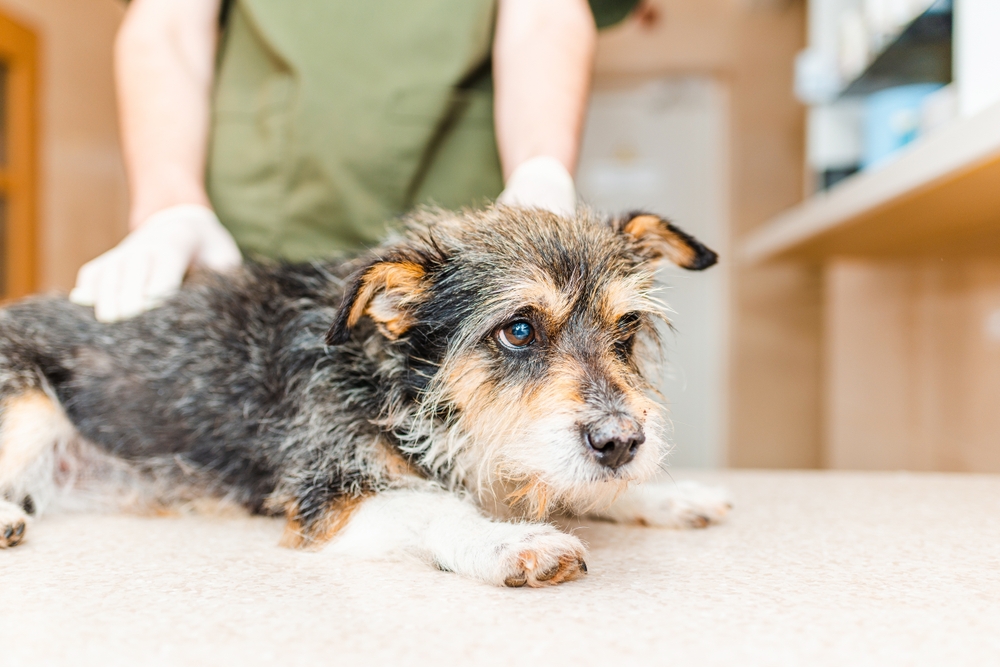
Taking the Next Step for Your Dog’s Health
Lethargy signals a change in your dog’s health, ranging from minor illness to serious disease. Early diagnosis identifies treatable conditions before they progress and often improves outcomes dramatically. Whether your dog needs routine blood work, advanced imaging, pain management, or emergency care, The Vale Veterinary Group provides expert, compassionate support with state-of-the-art diagnostics and a friendly, approachable team.
If your dog seems unusually tired, withdrawn, or just not themselves, contact our four centres across Devon today. We will determine the cause and create a tailored treatment plan to restore your dog’s energy and comfort.






Leave A Comment