
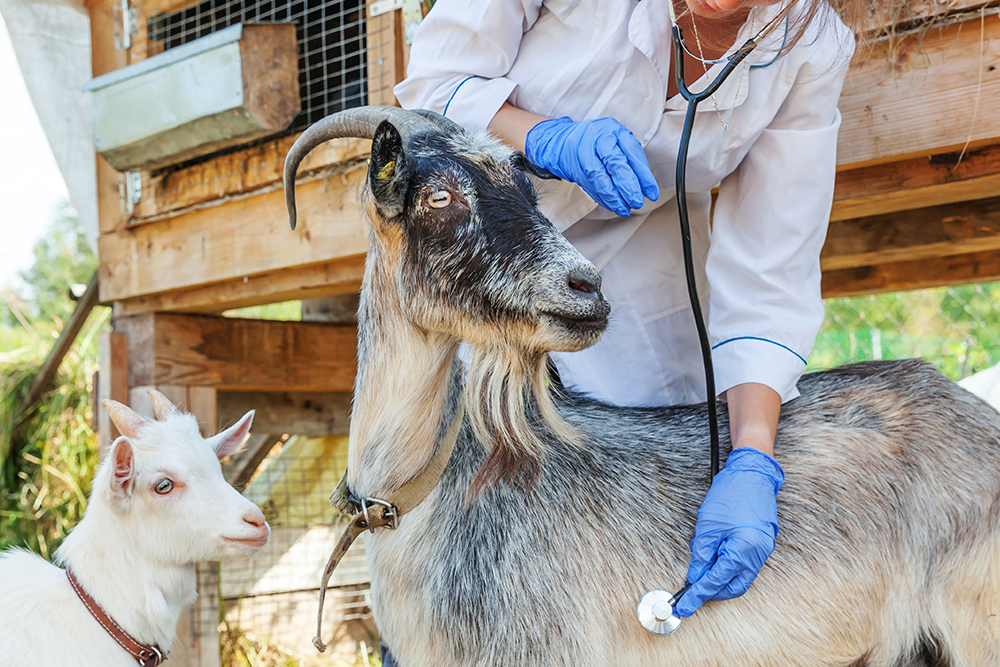
Strong Stock Starts with Strong Lungs: Preventing Respiratory Disease in Sheep and Goats
Respiratory disease remains one of the most significant causes of illness and loss in UK small ruminant herds. Fluctuating weather, damp sheds, dusty bedding, and close housing during winter create ideal conditions for respiratory pathogens to circulate. These illnesses don’t just make animals unwell- they reduce growth rates, weaken maternal performance, and increase veterinary costs. Fortunately, thoughtful, consistent management can prevent most outbreaks and help producers build strong, resilient flocks.
At The Vale Veterinary Group, our farm animal services blend RCVS-accredited clinical skills with practical, on-farm guidance. We help farmers identify risks early, strengthen herd immunity, and create environments where sheep and goats remain healthy throughout the year.
Why Respiratory Health Is Critical
Sheep and goats are especially vulnerable to respiratory illness due to their flocking behaviour and highly sensitive lungs. When animals gather tightly during lambing or rough weather, infections spread rapidly from one to many. Humidity, ammonia from soiled bedding, and fluctuating temperatures all irritate the airways, making it easier for pathogens to take hold.
Stress also plays a major role. Handling, regrouping, sudden transport, and poor-quality nutrition can suppress the immune system, increasing the likelihood that routine bacteria become serious threats. Even small management missteps- like delaying bedding changes by a day or missing signs of early coughing- can allow an outbreak to gain momentum.
Routine monitoring, good stockmanship, and clear biosecurity protocols do more than protect the herd; they protect profitability. Early recognition and prompt veterinary input reduce losses, safeguard breeding potential, and improve long-term performance.
Bacterial Pneumonia: The Primary Culprit
Bacterial Bronchopneumonia
Bacterial bronchopneumonia, primarily caused by Mannheimia haemolytica and Pasteurella multocida, is one of the most severe and economically damaging respiratory diseases in UK small ruminant systems. These bacteria commonly live in the nasal passages without causing harm, but stress, mixing of groups, or poor ventilation can allow them to invade the lungs.
Risk factors include:
- Overcrowding and poor ventilation
- Transport or weaning stress
- Rapid weather changes
- Inadequate nutrition
Typical signs:
- Fever over 104°F
- Persistent coughing and nasal discharge
- Laboured, open-mouth breathing
- Reduced appetite or separation from the flock
Left untreated, bacterial bronchopneumonia in sheep and goats can cause permanent lung scarring and high mortality. Rapid veterinary assessment, targeted antibiotics, anti-inflammatories, and supportive care greatly improve survival. Strategic vaccination and low-stress handling are equally important in prevention.
Pasteurellosis (Shipping Fever)
Pasteurellosis- or “shipping fever”- is a stress-induced bacterial disease that causes pneumonia, sudden fever, and sometimes systemic infection. It is most often seen after transport, weaning, or abrupt weather shifts, when immune reserves are lowest.
Pasteurellosis in sheep and goats leads to fever, depression, coughing, nasal discharge, and occasionally swollen joints or head tilt. Strategic vaccination before stressful events is one of the most reliable ways to reduce risk. Our sheep services include bespoke vaccine protocols based on your farm’s history, breed type, and seasonal pressures.
Mycoplasma Infections: The Hidden Challenge
Mycoplasma species, including Mycoplasma ovipneumoniae and Mycoplasma mycoides, cause chronic respiratory disease that can quietly erode productivity. Because these organisms lack cell walls, they are not easily eliminated with standard antibiotics, and low-level infection can persist for months.
Clinical signs range from mild, persistent coughing to poor growth rates and reduced milk yield. Importantly, even animals that appear healthy may continue spreading the pathogen.
Mycoplasma control depends on prevention:
- Quarantine all new arrivals before introducing them to the herd
- Test breeding stock and replacements before purchase
- Maintain closed herds whenever possible
Accurate, timely diagnosis is essential for control. Our Vale Veterinary Laboratory provides fast, reliable testing to identify carriers and inform herd-level decision-making.
Viral Diseases and Long-Term Consequences
Lentivirus Pneumonia
Lentivirus infections- including ovine progressive pneumonia (OPP) and caprine arthritis encephalitis (CAE)- cause chronic respiratory decline alongside weight loss, reduced stamina, and falling milk yield. Once introduced, these viruses spread slowly through the herd and can be difficult to eradicate.
Because lentivirus pneumonia in sheep and goats spreads mainly from dam to kid via milk, prevention starts with careful management of newborns. Feeding heat-treated or substitute colostrum and testing breeding stock routinely are key components of control. Our advanced breeding services for sheep support producers aiming to maintain disease-free breeding lines.
Creating a Healthy Environment
Air quality remains one of the most important- and most controllable- factors in respiratory health. Poor ventilation, damp bedding, and dusty feed increase airway irritation and make pathogens more successful. Good shed design supports natural airflow while protecting animals from drafts and driving rain.
Aim for full air exchange every 10–15 minutes, using a combination of natural vents, open ridges, and mechanical airflow where needed. During winter, bedding should be dry and abundant enough to insulate animals without increasing ammonia.
- Keeping group sizes manageable and pens uncrowded
- Using clean, low-dust bedding
- Avoiding moldy hay and poor-quality feed
- Providing shelter from drafts while maintaining airflow
- Adjusting management during weather extremes
Good environmental control often reduces disease pressure as effectively as medication. Small improvements- such as raising bedding frequency or improving airflow- can dramatically reduce illness.
Zoonotic Disease Precautions
While most respiratory pathogens affecting sheep and goats are species-specific, a handful can occasionally spread to humans. Good hygiene protects both animal handlers and their families.
Recommended precautions include:
- Wearing gloves when handling sick or newborn animals
- Washing hands thoroughly after contact
- Using dedicated farm clothing and boots
- Properly disposing of bedding and carcasses
Understanding zoonotic diseases in sheep and goats helps identify when additional measures are necessary. Pregnant people or those with weakened immune systems should take extra care during lambing and kidding.

Building a Strong Respiratory Health Plan
Preventing respiratory disease requires a holistic approach incorporating vaccination, early detection, environmental care, and good biosecurity.
- Vaccination: Administer boosters 2–4 weeks before high-risk events such as transport, housing, or weaning.
- Monitoring: Keep a close eye out for coughing, lethargy, or production drop.
- Biosecurity: Quarantine new animals and follow strict sanitation routines.
- Rapid response: Early veterinary intervention prevents herd-wide spread.
Our veterinary team provides tailored advice, vaccination planning, and facility assessments to reduce risk and maintain herd health.
Partnering with The Vale Veterinary Group
Healthy lungs build healthy herds. With the right planning, respiratory disease can be minimised, protecting both animal welfare and farm profitability.
The Vale Veterinary Group offers RCVS-accredited expertise, advanced diagnostics, and comprehensive on-farm support. Our sheep and goat services include vaccination programmes, respiratory disease investigations, and year-round emergency support for registered clients.
To begin improving respiratory health on your farm, contact us to arrange a herd health visit. Together, we’ll build a stronger, healthier future for your flock.






Leave A Comment