
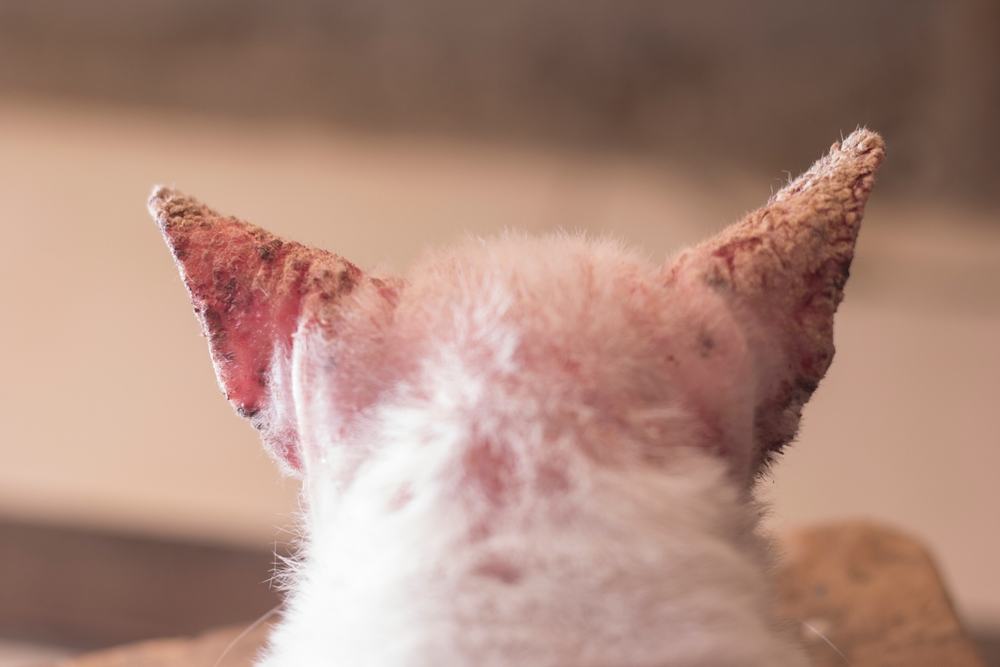
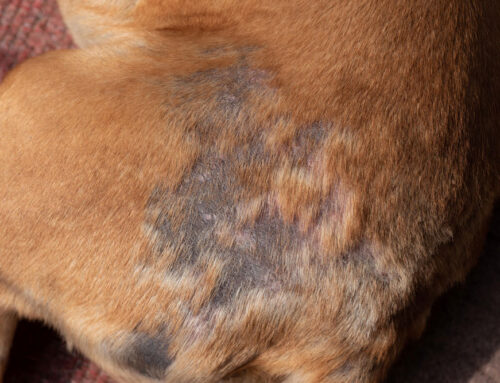
Itchy, Crusty, and Losing Hair? It Might Be Mange
Persistent scratching paired with patchy hair loss signals something wrong with the skin, but determining whether the culprit is demodex or sarcoptic mange requires more than a quick look. These mites cause different diseases even though they can look alike on the surface. Demodex mites normally live in hair follicles and overgrow when the immune system dips. Sarcoptic mites burrow into the skin, spread easily to other pets, and can cause temporary rashes in people. Cats deal with their own set of mites, and plenty of other conditions, from flea allergies to fungal infections to hormonal imbalances, can look remarkably similar. Accurate diagnosis matters because treatment, timelines, and contagion risks vary dramatically.
The Vale Veterinary Group’s small animal services include complete skin diagnostics in our in-house laboratory. Treatment length depends on type and severity, and our routine healthcare programs help track progress to full recovery. If your pet is losing hair and itching relentlessly, contact us today.
Why Accurate Mange Diagnosis Changes Everything
Noticing nonstop scratching or widening bald patches is alarming. Mange is confusing because both main types look similar, but they need different treatment plans. Knowing whether it’s demodex or sarcoptic mange guides how long treatment lasts, whether other pets need care, and how to protect your household.
Getting the diagnosis right also matters because it determines whether there’s an underlying health problem that needs attention. Treating for the wrong condition wastes time and money while your pet continues to suffer.
Our team at The Vale Veterinary Group uses targeted skin sampling and microscopy to identify the exact mite. Getting it right early prevents complications like skin infections and stops your pet from suffering longer than necessary.
What Makes Demodex and Sarcoptic Mange So Different in Dogs?
Demodex: Normal Mites That Overgrow
Demodex mites live harmlessly in most dogs. Puppies get them from their mothers and carry small numbers for life. Problems start if the immune system can’t keep them in check.
- Localized demodex in puppies causes a few small bald spots, often on the face or legs, and many clear on their own in a couple of months.
- Generalized demodex spreads across larger areas and needs veterinary care, especially in adult dogs, where it can signal other health issues.
- Adult-onset demodex appearing suddenly often signals underlying immune suppression that needs investigation.
Some breeds are more prone, and adult-onset cases can be linked to conditions that weaken immunity. Demodex is not contagious to other pets or people.
Sarcoptic Mange: Highly Contagious and Very Itchy
Sarcoptic mange mites burrow into the skin and trigger intense itching. Any dog can catch it through close contact with infected animals or contaminated bedding and environments.
These mites are zoonotic parasites, meaning they can cause temporary, itchy rashes in people who handle infected pets. Because symptoms can take two to six weeks to appear, tracing where a dog picked it up can be tricky. We’ll help you pinpoint likely exposure and set up a home plan to prevent reinfection.
What About Mites in Cats?
Cats have their own mite issues that can cause intense itching and hair loss. Mites in cats include several species, each with distinct patterns.
Ear mites (Otodectes) are extremely common, especially in kittens. They cause intense ear itching, dark crumbly discharge, and head shaking. Ear mites spread easily between cats and can occasionally affect dogs in the same household.
Feline demodex exists but is much less common than in dogs. When it does occur, it may signal an underlying immune problem such as FIV, FeLV, or diabetes that needs investigation.
Notoedres cati causes feline scabies, a highly contagious condition similar to sarcoptic mange in dogs. It typically starts on the ears and face, causing crusty, thickened skin with severe itching. It can spread to other cats and occasionally to people.
What Other Conditions Can Look Like Mange?
Several common conditions cause itching, hair loss, and skin changes that can be mistaken for mange. Proper diagnosis prevents weeks of ineffective treatment.
Flea Allergy Dermatitis
Flea allergy dermatitis is one of the most common causes of severe itching in both dogs and cats. Pets allergic to flea saliva can develop intense reactions from just a few bites. Hair loss, scabbing, and skin infections often concentrate around the tail base, lower back, and inner thighs in dogs, or the head and neck in cats.
You might not see fleas because allergic pets groom obsessively, removing the evidence. A single flea can trigger days of misery. Year-round parasite prevention is essential for pets with flea allergies.
Atopic Dermatitis (Environmental Allergies)
Atopic dermatitis is an allergic skin condition triggered by environmental allergens like pollen, dust mites, and mold. It typically causes itching of the face, ears, paws, and belly. Pets may lick their feet constantly, rub their faces, or develop recurring ear infections.
Atopy often appears between ages one and three and tends to be seasonal at first, then progresses to year-round symptoms. It can look very similar to mange, especially when secondary infections develop.
Ringworm
Despite its name, ringworm is a fungal infection, not a worm or a mite. It causes circular patches of hair loss, often with scaly or crusty edges. Ringworm is contagious to other pets and to people, making accurate diagnosis important for household safety. Cats can carry ringworm without showing obvious symptoms, spreading it to other animals and family members.
Bacterial and Yeast Infections
Secondary infections often accompany mange and allergies, but they can also occur on their own. Bacterial infections cause pustules, crusting, and odor. Yeast overgrowth causes greasy skin, a distinctive smell, and thickened, darkened skin in chronic cases. These infections need specific treatment and investigation into why the skin’s normal defences failed.
Could an Underlying Health Problem Be Causing the Skin Issues?
When adult pets suddenly develop demodex, or when skin problems keep recurring despite treatment, there’s often something deeper going on that suppresses immune function or disrupts skin health.
Hypothyroidism
Hypothyroidism occurs when the thyroid gland doesn’t produce enough hormone. It’s common in middle-aged dogs and causes weight gain, lethargy, cold intolerance, and skin problems including hair loss, recurrent infections, and slow wound healing. The skin changes can look similar to mange or chronic allergies.
Cushing’s Disease
Cushing’s disease causes the body to produce too much cortisol, which suppresses the immune system and dramatically affects the skin. Dogs with Cushing’s often develop thin skin, hair loss, recurrent skin infections, and sometimes adult-onset demodex. Other signs include increased thirst, urination, appetite, and a pot-bellied appearance.
Other Immune-Suppressing Conditions
Diabetes, cancer, long-term steroid use, and in cats, FIV and FeLV can all compromise immune function and lead to skin problems that don’t respond normally to treatment. When we see unusual presentations or poor treatment response, investigating these underlying causes becomes essential.
What Symptoms Should Send You to the Veterinarian?
Key Signs to Watch For
Itching in dogs with sarcoptic mange is intense, often worse at night, and can wake dogs from sleep. Dogs scratch ears, elbows, hocks, and bellies so hard they create raw areas. Demodex can start with hair loss and scaling with less itching at first, then infection and odour can develop.
Watch for:
- Crusty, thickened skin
- Yellow or grey scaling
- Restlessness from constant itch
- Self-trauma and raw spots
- Strong odour from infection
A helpful clue: sarcoptic mange often affects the ear edges. Vets may see a kicking reflex when the ear margin is gently scratched. Our new puppy programs and new kitten plans mean that we can spot these changes early and start treatment right away. We offer weekly check-ins with our nursing team to help spot problems early and make sure your new pet is growing appropriately.
When to Seek Care Now
Seek same-day care if lesions spread quickly, the itch is so severe your pet can’t sleep, or the skin is bleeding or oozing. If your pet seems unwell (tired, not eating, fever) along with skin signs, come in promptly. Known exposure to sarcoptic mange also warrants early evaluation. Our urgent care services can see these cases quickly.
How Do Veterinarians Confirm Which Type of Mange Your Pet Has?
Simple, Targeted Testing
Diagnosing mange starts with your pet’s history and a full skin exam. Skin scrapings are then checked under a microscope in our lab. Demodex mites are usually easier to find. Sarcoptic mites can be harder to detect, so we often sample multiple spots.
If mites aren’t seen but signs strongly fit sarcoptic mange, we may recommend a treatment trial. Improvement with the right medication helps confirm the diagnosis.
Additional tests we may use:
- Skin swabs to check for bacterial or yeast infections
- Fungal tests if ringworm is possible
- Bloodwork to look for underlying issues like hypothyroidism or Cushing’s disease in adult demodex cases
- Allergy testing for pets with patterns suggesting atopic dermatitis
- Skin biopsy if signs persist without answers
Our fully equipped in-house laboratory allows rapid blood and urine testing, so we can identify immune system issues or underlying conditions that may contribute to demodex overgrowth.
How Long Does Treatment Take for Demodex Mange?
Localized vs Generalized Demodex
Localized demodex in puppies often just needs monitoring. We recheck every few weeks to make sure it’s improving. Many cases resolve as the puppy matures.
Generalized demodex needs medication to reduce mite numbers throughout the skin and to treat any infections. Some dogs improve in 8 to 12 weeks; tougher cases, especially in adults with other health problems, can take several months. We don’t stop treatment based on looks alone.
Why Follow-Ups Matter
We recheck scrapings about every four weeks to ensure mite counts are dropping. We aim for two consecutive negative scrapings a month apart before stopping medication. Ending early risks relapse. Our nurse clinic appointments make these follow-ups easy to schedule.
We’ll also support your pet’s overall health with good nutrition, parasite prevention, and care for any underlying conditions along the way.
What Does Sarcoptic Mange Treatment Involve?
Fast Treatment and Household Care
Many oral prescription flea, tick, heartworm, and intestinal parasite preventatives also kill mange mites, so early prevention can address these conditions easily. Treating mites early leads to faster recovery.
Modern treatments work quickly for sarcoptic mange. We typically prescribe medications such as selamectin, moxidectin, or isoxazolines on a set schedule for several doses. They kill mites and provide ongoing protection during recovery.
All pets in the home should be treated, even if they seem fine. Otherwise, mites can linger and reinfect your pet. We tailor plans to your household and each pet’s needs.
Cleaning is important:
- Wash bedding, blankets, and soft toys on hot
- Vacuum carpets and furniture and empty the vacuum
- Clean hard surfaces
- Replace or disinfect grooming tools and collars
Limit close contact between your itchy pet and other animals for the first week of treatment. Mites die quickly once medication starts, but some eggs can still hatch for a short time.
When Will the Itching Ease?
Itching can flare in the first few days as dying mites trigger inflammation. We may add anti-itch meds to help. Most pets feel much better within one to two weeks, and skin usually settles in four to six weeks. Hair regrowth comes after the skin has healed.
We typically recheck at two and four weeks. Even if mites are hard to find, your pet’s improvement and negative tests guide next steps. Our routine healthcare services keep recovery on track.
Supporting Your Pet Through Diagnosis and Treatment
Simple Home Care That Helps
Success depends on giving every dose on time. Use phone reminders and keep medications where you’ll see them. If pills are a struggle, ask us about flavours or alternatives.
An Elizabethan collar can prevent self-injury during the itchiest periods. Some pets prefer soft or inflatable versions. Keep bedding clean and comfortable, avoid harsh shampoos unless prescribed, and watch for signs of infection like increasing redness or discharge.
Stay in touch with our team if anything worries you. Small adjustments can make a big difference in comfort and results.

FAQs
Is mange contagious to people?
Sarcoptic mange can cause temporary, itchy bumps in people who handle infected pets. It resolves once the pet is treated. Demodex is not contagious to humans.
How do I tell demodex from sarcoptic mange at home?
You can’t confirm it at home. Demodex often starts with bald spots and mild itch; sarcoptic mange causes intense, often nighttime itch and crusting, especially on ear edges, elbows, and belly. A vet exam and skin tests are needed.
Will my other pets need treatment?
For sarcoptic mange, yes. All household pets should be treated to prevent reinfection. For demodex, other pets typically do not need treatment.
Do cats get mange?
Yes. Cats can get ear mites, feline scabies (Notoedres), and occasionally demodex. Each requires specific diagnosis and treatment.
How long before my pet feels better?
With sarcoptic mange, many pets improve within one to two weeks. Demodex timelines vary; localized puppy cases may resolve in a few months, while generalized cases can take longer.
Why does my pet keep getting recurring skin infections?
Recurring infections often indicate an underlying problem like allergies, hormonal imbalances, or immune suppression that needs investigation.
Can mange come back?
Sarcoptic mange can return if your pet is re-exposed. Demodex can recur if the immune system weakens. Regular checkups and prevention reduce the risk.
Your Partner in Restoring Healthy Skin
Mange and other skin conditions can feel overwhelming, but they are very treatable once we know what we’re dealing with. Understanding the difference between mite types, ruling out look-alike conditions, and identifying underlying health problems all lead to faster, more effective treatment.
Itching and hair loss have many causes, and your pet deserves accurate diagnosis rather than guesswork. Whether your pet has demodex linked to immune changes, contagious sarcoptic mites, or a condition that mimics mange entirely, The Vale Veterinary Group provides precise diagnostics, clear home guidance, and effective treatments to resolve the problem and protect your household.
Contact us today to schedule an evaluation, ask questions, or get help with a new skin concern. We’re here to support you, guide each step, and make your pet’s recovery as smooth as possible.







Leave A Comment