
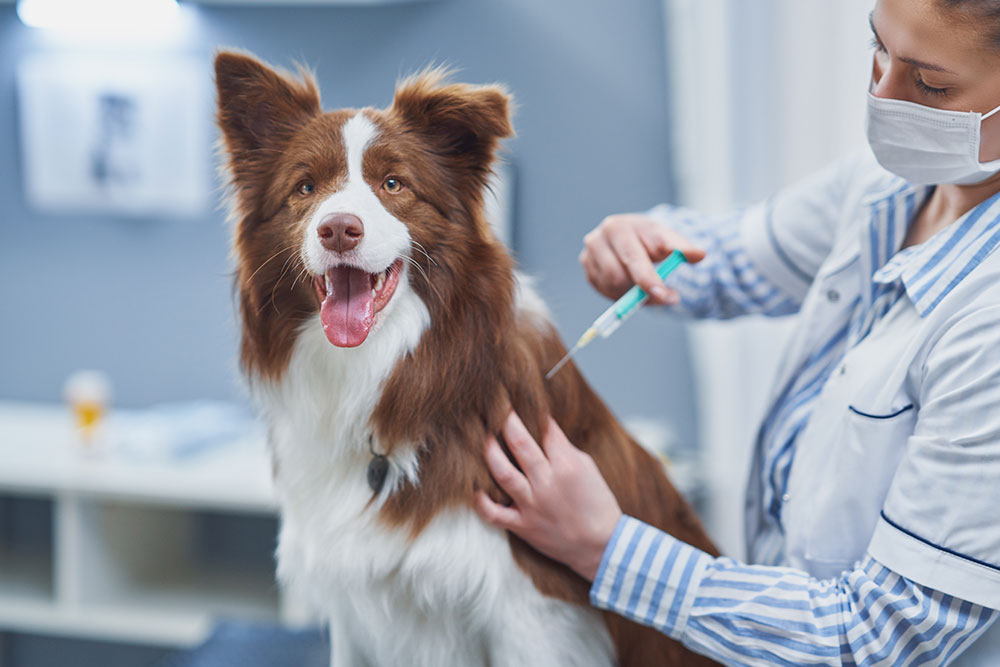
Canine vaccination schedules can feel complicated, especially for new puppy owners trying to track which jabs protect against which diseases. The DHPP vaccine simplifies protection by combining immunity against distemper, hepatitis (adenovirus), parvovirus, and parainfluenza in a single injection. These four diseases range from highly contagious to potentially fatal, and proper vaccination during puppyhood followed by appropriate boosters provides the foundation for lifelong protection.
The Vale Veterinary Group’s RCVS accredited small animal services across Devon include comprehensive vaccination programs tailored to each dog’s needs. Our new puppy care protocols establish proper DHPP vaccination series from 6 to 8 weeks through completion, building immunity before maternal antibodies fade. For adult dogs, we assess current vaccination status and create catch-up schedules when needed. Through our Premier Paws Club and routine healthcare programs, we help families maintain current protection without over-vaccinating. Visit us to learn more about establishing or updating DHPP vaccination for your dog.
Why Four Diseases in One Injection Makes Sense
The DHPP vaccine protects against four serious illnesses with one jab, making preventive care simpler and less stressful. Each virus poses a real risk, especially to puppies with immature immune systems.
- Hepatitis (adenovirus) harms the liver and other organs.
- Distemper attacks the lungs, gut, and nervous system and can be fatal.
- Parvovirus causes severe vomiting and bloody diarrhea.
- Parainfluenza contributes to contagious coughs in social settings.
Combining these vaccinations reduces visits and injections. It’s just one part of puppy care that’s critical when they are young and vulnerable. At The Vale Veterinary Group, we tailor timing to your dog’s age, health, and lifestyle so immunity builds when it matters most.
The Threat of Canine Distemper Virus
Canine distemper spreads through the air and contact with infected dogs or shared items. It starts with cough, fever, and loss of appetite, then can progress to diarrhea and even seizures.
As canine distemper advances, long-term nervous system damage is possible. There is no cure, and care focuses on easing symptoms while the body fights the virus.
Puppies are at highest risk, with high mortality in the unvaccinated. Vaccination is the best protection and far safer than risking infection.
Understanding Infectious Canine Hepatitis
Infectious canine hepatitis is caused by adenovirus type 1 and spreads through contact with infected urine, feces, or saliva. It can move quickly, affecting the liver and sometimes the eyes and kidneys.
Mild cases look like a flu. Severe disease can cause abdominal pain, jaundice, bleeding issues, and sudden decline. The DHPP vaccine covers adenovirus, including the respiratory type (type 2), which helps reduce cough-related illness.
Modern vaccines are designed for safety and effectiveness, making prevention straightforward for most dogs.
The Devastating Reality of Canine Parvovirus
Parvovirus is one of the most dangerous infections for puppies. It spreads through contaminated feces and survives for months on surfaces, in soil, and on shoes.
Canine parvovirus attacks the gut and immune system. Signs include severe vomiting, bloody diarrhea, dehydration, and lethargy. Many puppies need hospital care, and even with treatment some do not survive.
Because the virus lingers in the environment, timely vaccines are critical. The full puppy series is your dog’s best defense during the window when mother’s antibodies are fading but immunity isn’t fully built yet.
Parainfluenza’s Role in Respiratory Disease
Parainfluenza is a leading cause of kennel cough, a contagious cough often picked up where dogs gather. It spreads through the air and nose-to-nose contact.
Typical signs are a honking, dry cough, sneezing, runny nose, and low energy. Most dogs recover in one to three weeks, but puppies, seniors, and those with other health issues may need extra support.
Because parainfluenza often combines with other germs, protection within the DHPP vaccine is especially important for social dogs.
When and How Often Your Dog Needs DHPP
Puppies should start DHPP at 6 to 8 weeks old, with a second vaccination 4 weeks later. After the second jab, puppies can safely explore outdoors about 1 week later, once immunity has had time to develop.
Why the timing matters so much? Mother’s antibodies protect young puppies but can block vaccines from working. The booster ensures there’s no gap in protection as this maternal immunity fades.
After the puppy series, give a booster at 1 year, then typically every 1 to 3 years. Adult dogs with unknown history need two doses 3 to 4 weeks apart, then regular boosters. Dogs who board, train in groups, or visit parks often may benefit from more frequent updates.
Our team creates a schedule that fits your dog’s lifestyle and keeps protection current through convenient plans like Premier Paws Club.
What Our Puppy Program Includes
We offer free advice and puppy checks even before you bring your new puppy home or before their first vaccine. If you’re thinking about getting a puppy, we’re happy to help you prepare.
Your puppy’s first visit includes:
- A 15-minute consultation with a full health check and weight check
- Advice on fleas, ticks, worms, and lungworm, plus free spot-on treatment
- Guidance on pet health plans, insurance, microchipping, diet, behaviour, and neutering
- A Vale puppy pack with helpful resources
- First vaccination and certificate
- Four weeks of free pet insurance with Pet Plan (if you’d like it)
The second visit includes:
- A 15-minute consultation and weight check
- Second vaccination to complete the primary course
- Time to ask any questions that have come up
Microchipping can be done at either the first or second vaccine appointment, or any time after. It’s a quick procedure that provides permanent identification for your puppy.
Free monthly nurse checks are available for all young dogs from 6 to 12 months. These visits include weight monitoring, continued parasite control guidance, and general advice as your puppy grows through adolescence.
Neutering is recommended for both male and female dogs from 6 months onwards. Dogs stay with us for the day and go home the same evening. If you’re considering breeding from your dog instead, we provide advice and support for that path as well.
Our new puppy care program is designed to give your puppy the healthiest possible start while supporting you through every stage of their first year.
What to Expect After DHPP Vaccination
Most dogs feel normal after DHPP. Some may be a bit sore at the injection site, sleepy, or eat less for a day or two. A cool compress and rest usually help.
Call us right away if you see facial swelling, hives, trouble breathing, repeated vomiting, collapse, or extreme lethargy that lasts beyond 48 hours. True vaccine reactions are rare, but prompt care is important if you notice these signs.
We guide you on what to watch for and offer support if you’re concerned. Your dog’s comfort and safety are always our priority.
How DHPP Fits with Other Important Vaccines
DHPP is a core vaccine, but some dogs need additional protection based on lifestyle and local risks.
- Rabies is legally required for travel and protects against a fatal disease that can spread to people.
- Bordetella helps prevent kennel cough for dogs who board, attend daycare, or go to classes.
- Leptospirosis protects against bacteria from wildlife urine that can harm the kidneys and liver.
- Lyme disease vaccines may be recommended where ticks are common.
- Canine influenza vaccines are considered during outbreaks.
Not every dog needs every vaccine. We’ll recommend options that fit your dog’s activities and environment. Explore our routine healthcare services to start planning.
Building Complete Protection Beyond Vaccination
Vaccines are powerful, but healthy habits matter too. Until your puppy finishes the vaccine series and has that week after the second jab, avoid high-risk places like busy parks, pet shops, and group classes.
Keep things clean. Wash hands after handling other dogs, clean bowls regularly, and avoid sharing toys with unknown dogs. If you visit shelters or friends with pets, change clothes before seeing your puppy.
Stay on parasite prevention and schedule routine checkups. Parasites and underlying illness can weaken the immune system and increase infection risk.
Puppy socialization can still happen safely during the vaccination period. Arrange calm playdates with healthy, fully vaccinated dogs in clean spaces. Choose puppy classes that verify vaccines and maintain good hygiene. Our free puppy checks help you balance building social skills with protecting your puppy’s health.
DHPP Vaccine FAQs
What does DHPP stand for, and what does it cover?
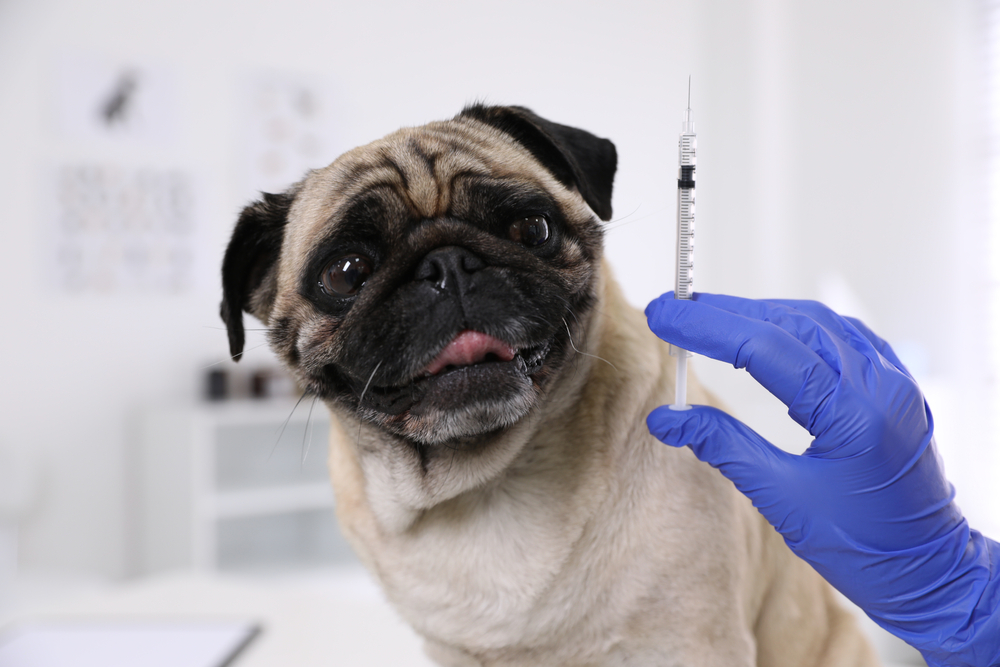
DHPP protects against distemper, hepatitis (adenovirus), parvovirus, and parainfluenza in one vaccine.
When should my puppy start DHPP shots?
Start at 6 to 8 weeks, with a second vaccine 4 weeks later. Your puppy can explore outdoors 1 week after the second jab.
How often do adult dogs need DHPP?
Typically every 1 to 3 years, depending on lifestyle and risk. Dogs with unknown history need two initial doses.
Can DHPP make my dog sick?
Mild soreness or sleepiness can happen for a day or two. Severe reactions are rare, but contact us immediately if you notice swelling, hives, or breathing issues.
Does my dog still need other vaccines?
It depends on your dog’s life. We’ll discuss options like rabies, Bordetella, and leptospirosis during your visit.
Do you offer support before I get my puppy?
Yes! We provide free advice and puppy checks before you bring your new puppy home or before their first vaccine. We’re happy to help you prepare.
Your Partner in Lifelong Canine Health
The DHPP vaccine is a simple, effective way to prevent four serious diseases. Starting on time, completing the puppy series, and keeping up with boosters gives your dog lasting protection. We tailor plans to your dog’s age, health, and lifestyle, and we’re here to answer questions and ease worries.
Our RCVS accredited team will guide you through timing, side effects, and any extra vaccines your dog may need. With free puppy checks, comprehensive first visits, monthly nurse appointments through adolescence, and ongoing support, we make preventive care straightforward, affordable, and stress-free for you and your pet.
Contact us today to set up a visit, review your dog’s vaccine status, or plan your puppy’s care from the very beginning. We’re here to help you protect your dog’s health, every step of the way.




Leave A Comment