From Constant Tearing to Corneal Damage: Why Eyelid Position Matters
Certain breeds carry genetic predispositions to eyelid malformations that become apparent as puppies mature. Bulldogs, shar-peis, and mastiffs commonly develop entropion. Bloodhounds, cocker spaniels, and Saint Bernards show tendencies toward ectropion. Recognizing these problems early allows surgical correction before corneal scarring becomes permanent. Waiting until severe damage occurs complicates surgery and worsens outcomes, making timely intervention essential for preserving vision and comfort.
The Vale Veterinary Group’s practices across Devon provide surgical correction for eyelid abnormalities in both dogs and cats. Our small animal services include eyelid surgery performed with techniques that minimize scarring and restore normal anatomy. Through our routine healthcare programs, we identify eyelid problems during puppy and kitten exams, monitoring progression and recommending surgery at appropriate developmental stages. Our new puppy care includes breed-specific counseling about entropion risk in predisposed breeds. Post-operative management through our Premier Paws Club ensures proper healing.
When Your Pet’s Eyelids Work Against Them
You notice your dog squinting more than usual, or discharge crusting around the eye. Maybe your cat keeps pawing at her face. These signs might seem minor, but they can indicate eyelid problems that cause discomfort and risk long-term eye health.
Eyelid abnormalities rank among the most common eye conditions we diagnose at The Vale Veterinary Group. Understanding these issues and their treatment options helps you make confident decisions. Timely surgical correction often brings quick relief, protects the cornea, and prevents permanent damage.
Entropion and Ectropion: The Basics
When Eyelids Roll Inward (Entropion)
Entropion happens when the eyelid turns inward, so lashes and facial hair rub on the eye’s surface. Imagine the irritation of a stuck eyelash that never goes away. Puppies may inherit facial shapes that lead to it, or it can develop with growth or secondary to eye pain.
If untreated, constant rubbing can lead to corneal irritation, ulcers, and scarring that clouds vision. Early exams help catch changes before they become permanent.
When Eyelids Sag Outward (Ectropion)
Ectropion is the opposite: the lower lid droops away, exposing delicate tissue. Debris collects, tears don’t drain well, and infections can recur. It may be less painful initially than entropion, but it still affects eye comfort and health. Age, scarring, or previous injuries can contribute.
Which Pets Face Higher Risk
Facial structure drives much of the risk for eyelid disorders. Breeds with heavy facial folds or loose skin are more prone.
Entropion: Shar-Peis, Chow Chows, English Bulldogs, Mastiffs, Rottweilers, spaniels.
- Ectropion: Saint Bernards, Bloodhounds, Basset Hounds; Cocker Spaniels can develop either.
Hereditary eyelid conditions pass from parents to puppies, so responsible breeding matters. Senior pets can develop eyelid changes with age, and chronic eye inflammation can trigger secondary entropion. During new puppy consultations, we discuss breed risks and set up monitoring so issues are caught early.
Signs Your Pet Needs Evaluation
Watch for these symptoms and book a visit if they persist:
Excessive tearing, staining, or thick discharge
- Squinting, redness, or sensitivity to light
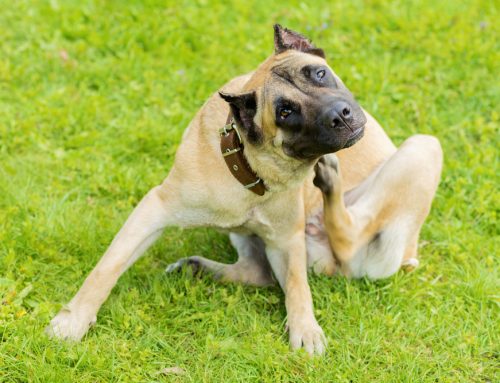
- Pawing or rubbing at the face
- Eyelid sitting oddly against the eye
- Cloudiness or dark changes on the cornea
- Behavior changes suggesting discomfort
Cats may hide pain more than dogs. Subtle changes- like resting in dark areas or avoiding play- can be clues. Progressive cases may develop corneal ulcers or pigment on the cornea; cats can form a corneal sequestrum (a dark plaque of dead tissue) that needs removal. Early intervention protects vision.
How We Diagnose Eyelid Problems
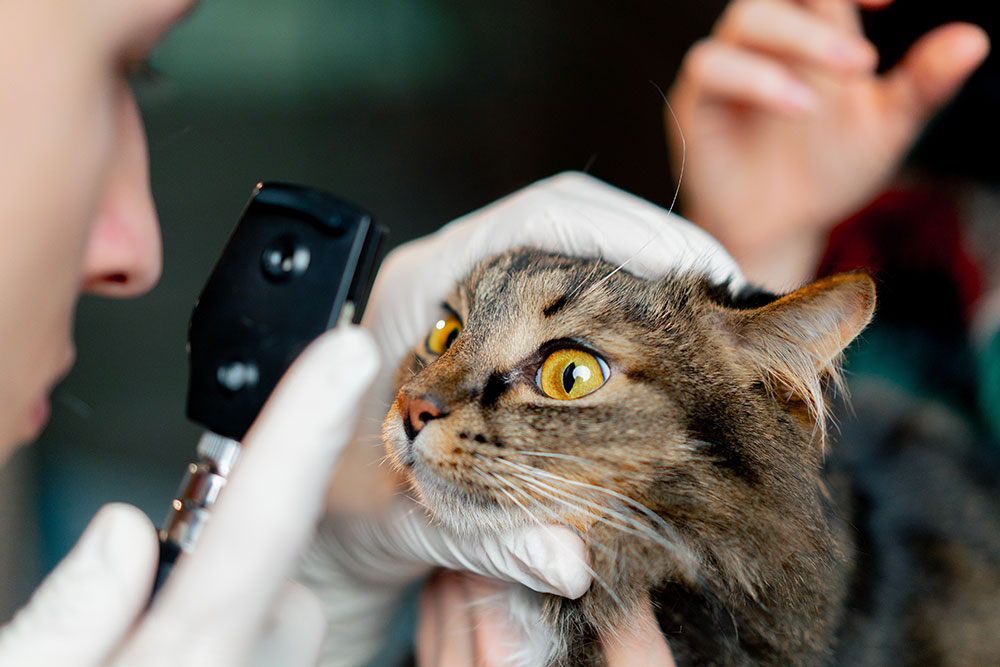
We start with a careful eye exam, watching how the eyelid sits and blinks. A numbing drop can separate pain-related squinting from a true anatomical problem, helping us avoid over-correction. We may check tear production, use a safe dye to spot corneal ulcers, and look for extra or misplaced lashes that rub the eye.
Both eyes are examined, even if only one looks affected. Some cases benefit from ophthalmology referral. Our RCVS accredited team collaborates with regional specialists when advanced care is needed.
Treatment Options: Temporary vs. Permanent
Temporary Relief for Growing Puppies
Very young puppies change quickly, so predicting final facial shape is tricky. Temporary “tacking” sutures can hold the lid in a better position to stop rubbing while the puppy grows. This also helps when pain-induced squinting worsens entropion. Surgical alternatives like tacking support healing before a permanent fix.
Permanent Correction
Once facial structure stabilizes- or when temporary options aren’t enough- permanent surgery provides lasting relief. Timing varies by breed and severity, often between six months and two years. Our team recommends the safest, most effective approach for your pet’s unique anatomy.
What Surgery Involves (In Simple Terms)
For entropion, a common technique gently tightens and repositions the eyelid so it no longer rolls inward. For ectropion, methods shorten or support the lid so it sits snugly against the eye. Eyelid surgery techniques vary by breed and facial features; our surgeons tailor the plan to your pet.
Some pets benefit from addressing heavy facial folds at the same time to reduce pressure on the eyelids. Cats often develop entropion later in life; procedures may include slightly narrowing the eyelid opening to reduce tension. Entropion in cats can coincide with corneal sequestrum, and we plan care to treat both efficiently.
What to Expect on Surgery Day
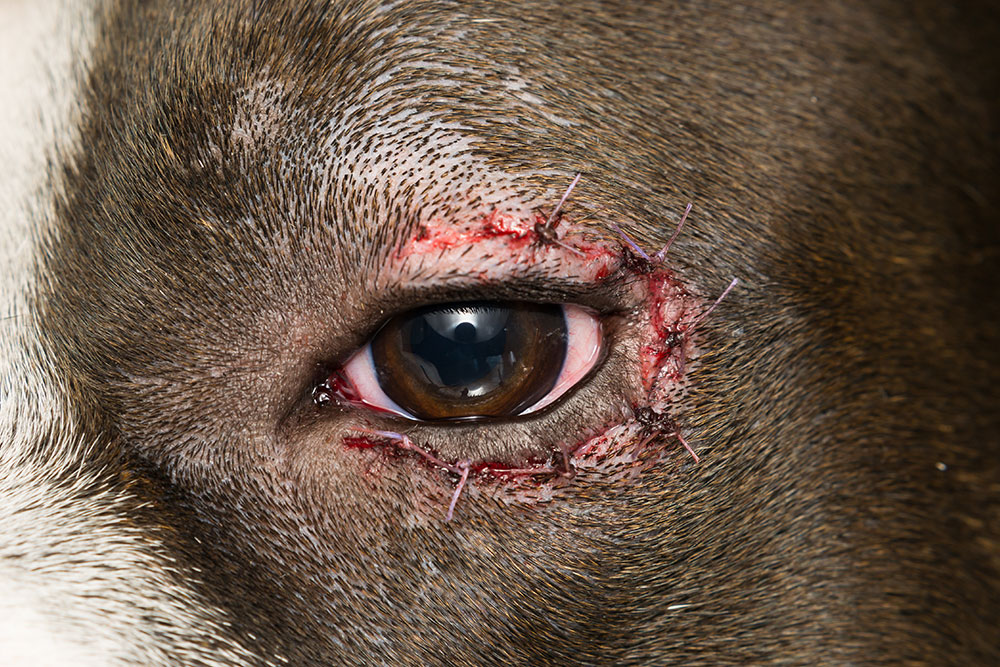
You’ll have a pre-op consultation to review your pet’s health and the procedure. Under general anesthesia, the surgeon repositions the eyelid using precise techniques. Procedures typically take under two hours, depending on whether one or both eyes are treated. Most pets go home the same day with clear instructions.
Common Surgery Day Questions:
- Will my pet be in pain? We provide pain relief before and after surgery and show you how to give medications at home. Here are some tips on how to properly give eye medications.
- How will the eyelid look right away? It may look slightly overcorrected at first due to swelling, which settles as healing progresses.
- Does my pet have to wear a cone? Healing areas and stitches can feel itchy, causing your pet to want to rub the area. The cone prevents them from damaging the fragile surgical site until it’s properly healed.
Recovery: The First Two Weeks
Expect mild swelling and bruising for a couple of days. An Elizabethan collar is essential- rubbing can reopen incisions or disrupt the repair. Give medications as prescribed and use gentle, clean, cool compresses for comfort. Keep the area clean and dry; no baths or swimming until healed.
Call us if you notice:
- Worsening swelling after 48 hours
- Thick discharge or bad odor
- Gaps along the incision or sutures pulling through
- Marked pain, lethargy, or loss of appetite beyond day one
We’d always rather check a small concern than let a problem grow. Your team is here to guide you.
Follow-Up and Healing Timeline
Initial healing takes about 10–14 days. We’ll remove sutures if needed and check eyelid position. Final appearance settles over several weeks as swelling fades. Some pets- especially young or severe cases- may need a small revision later, which is typically straightforward.
Keep activity calm during recovery to avoid bumps or rough play that could affect the area. Don’t skip rechecks; they help confirm healthy healing and protect long-term comfort.
Long-Term Outlook
Most pets feel better quickly once healing is complete. Tearing and discharge decrease, squinting resolves, and light sensitivity improves. The sooner treatment happens, the better the chance of minimal corneal scarring and clearer vision.
Outcome depends on severity and duration before surgery, age, and breed. Brachycephalic breeds or those with many facial folds may need closer monitoring or occasional adjustments. Following home care instructions and attending rechecks optimizes results.
Rare complications can occur, like infection or delayed healing. If showing your dog is part of your plans, ask about breed standard implications before surgery.
Protecting Eye Health Going Forward
Regular vet visits help catch any changes early, especially in seniors. Keep facial folds clean, address allergies promptly, and maintain a healthy weight to reduce strain on tissues. Protect your pet from irritants and eye injuries; provide shade outdoors and consider eye protection for high-risk activities.
Breeders can help reduce eyelid disorders by avoiding affected dogs in breeding programs. Environmental care- like limiting dust and chemicals- also supports comfortable eyes day to day.
FAQs
What’s the difference between entropion and ectropion?
Entropion rolls the lid inward, causing hair to rub on the eye. Ectropion droops the lid outward, exposing the inner eyelid and increasing irritation and infection risk.
How do I know if my pet needs surgery?
Persistent tearing, discharge, squinting, or a lid sitting oddly are red flags. An exam determines whether temporary or permanent correction is best.
Can puppies grow out of eyelid problems?
Some improve as they mature, but many need temporary tacking or later permanent surgery. Monitoring during routine healthcare programs helps time treatment well.
Is recovery difficult?
Most pets do well with a collar, medications, and short-term activity restriction. We provide clear instructions and are available for questions.
Your Partner in Preserving Your Pet’s Vision
Entropion and ectropion can be painful and threaten vision, but timely treatment makes a big difference. The Vale Veterinary Group offers tailored care- from early detection to surgery and recovery support- so your pet stays comfortable and protected. If you’re noticing tearing, squinting, or eyelid changes, Contact us to schedule an exam. We’re here to help, guide, and be a partner in your pet’s care so you can feel confident every step of the way.



Leave A Comment