
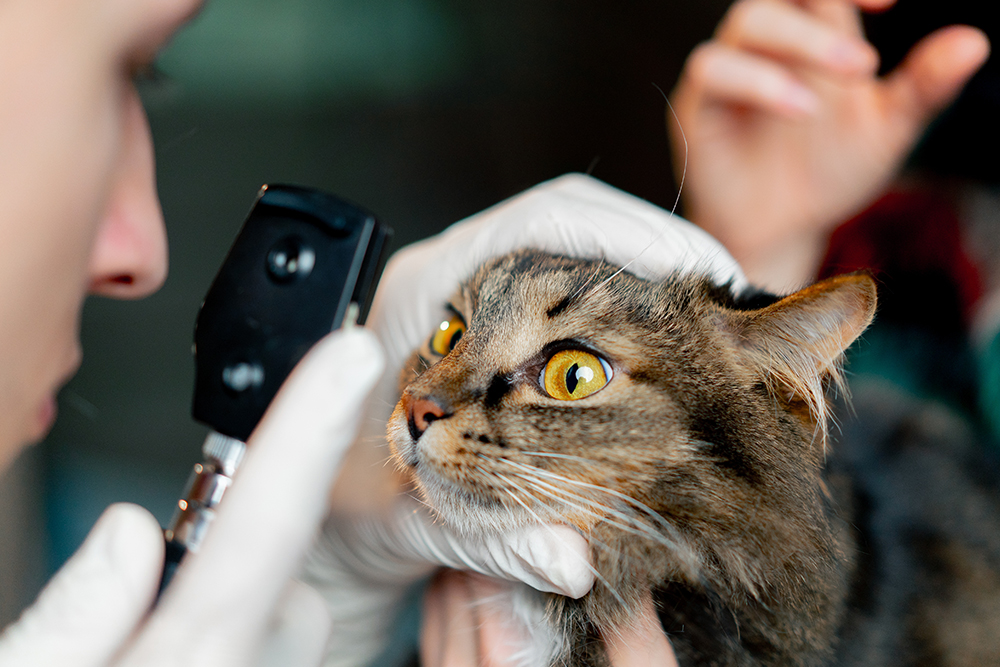
Eyes 101: Common Eye Diseases Every Pet Owner Should Know
Your pet’s eyes reveal far more than emotion- they provide valuable insight into overall health. Conditions such as cataracts, glaucoma, dry eye, and corneal ulcers can develop quietly yet cause irreversible vision loss if untreated. Recognizing early signs like redness, cloudiness, or squinting ensures timely veterinary care and long-term comfort.
At The Vale Veterinary Group, our veterinary team provides ophthalmology services for dogs and cats, combining advanced diagnostics with compassionate care to safeguard your pet’s sight and comfort.
Recognizing the Early Warning Signs
Pets rarely show obvious pain, so even subtle behavioral changes can indicate eye trouble. A dog that suddenly avoids bright rooms or a cat pawing at her face may be experiencing significant discomfort.
Eye conditions vary from mild irritations that resolve quickly to emergencies that threaten permanent blindness. Some develop rapidly- such as corneal ulcers that can worsen within hours- while others progress slowly over months or years, like cataracts or chronic dry eye.
Watch for these warning signs:
- Redness, swelling, or visible blood vessels in the white of the eye
- Squinting, excessive blinking, or keeping one eye partially closed
- Pawing at the face or rubbing against furniture
- Discharge that may be clear, yellow, green, or bloody
- Cloudiness, color changes, or a bluish-white film across the cornea
- Bulging or sunken appearance
- Sudden clumsiness, bumping into furniture, or reluctance to use stairs
Any of these symptoms warrants prompt examination. Early detection through routine healthcare often prevents long-term vision damage.
The Most Common Eye Conditions in Pets
Understanding what might be affecting your pet’s eyes helps owners communicate effectively with their veterinarian and make informed decisions about care.
Conjunctivitis: The Red, Irritated Eye
Conjunctivitis is inflammation of the pink tissue lining the eyelids and covering the sclera (white of the eye). It can be caused by viruses, bacteria, allergies, or environmental irritants.
Cats often develop conjunctivitis from viral respiratory infections, while dogs may suffer from allergic or bacterial forms. Most cases respond to topical medication, though recurrent inflammation may indicate a deeper problem such as tear deficiency or eyelid abnormalities.
Keratoconjunctivitis Sicca (KCS): Dry Eye
Keratoconjunctivitis Sicca, or “dry eye”, occurs when the tear glands fail to produce enough tears to keep the cornea lubricated. Tears are vital for eye health- they remove debris, deliver nutrients, and protect against infection.
In dogs, KCS is often immune-mediated, meaning the body attacks its own tear glands. Signs include thick, sticky discharge, redness, squinting, and a dull or cloudy corneal surface. Without adequate tears, the cornea dries out and becomes vulnerable to painful ulcers and scarring. Left untreated, KCS leads to chronic pain and permanent vision loss, but with consistent care, most pets maintain comfortable, functional eyes for life.
Corneal Ulcers: When the Surface Is Damaged
The cornea- the clear, outermost layer covering the iris and pupil- can become scratched, punctured, or infected. Corneal ulcers may result from trauma, foreign bodies, inadequate tear film, or abnormal eyelashes rubbing the surface.
Ulcers are extremely painful. Pets may squint, paw at the eye, or avoid light. Shallow ulcers usually heal within a week with antibiotic drops and pain relief, but deeper ones can quickly progress to perforation, risking permanent blindness or loss of the eye. Early veterinary attention ensures the best outcome.
Cataracts vs. Nuclear Sclerosis: Understanding Cloudiness
As pets age, many develop a cloudy appearance in their eyes. Often mistaken for cataracts, this haze is actually nuclear sclerosis– a normal aging change that does not significantly impair vision.
Cataracts, by contrast, appear as opaque white areas that block light. They may arise from diabetes, genetic predisposition, trauma, or chronic inflammation. True cataracts can progress to total blindness and may require surgical removal to restore sight. Your veterinarian can differentiate between these two conditions during an eye exam.
Glaucoma: The Silent Vision Thief
Canine glaucoma occurs when fluid builds up inside the eye, raising pressure and damaging the optic nerve. Certain breeds, including Cocker Spaniels and Basset Hounds, have inherited predispositions.
Acute glaucoma causes severe pain and rapid vision loss. The eye often appears red, cloudy, or enlarged, and the pupil may remain dilated. Chronic glaucoma progresses slowly but is equally devastating if left untreated. Treatment involves reducing intraocular pressure through medication or surgery to preserve remaining vision.
Pannus: The Immune-Mediated Corneal Disease
Pannus primarily affects German Shepherds and related breeds. The immune system mistakenly targets the cornea, leading to the growth of pink, vascular tissue that gradually obscures vision.
High UV exposure worsens pannus, making it common in high-altitude or sunny regions. Lifelong management with topical immunosuppressants keeps inflammation under control. Without consistent therapy, the condition returns and progresses rapidly.
Lens Luxation: When the Lens Shifts
The lens normally sits behind the iris, held by fine ligaments. When these ligaments weaken or tear, lens dislocation occurs.
Dislocation may occur spontaneously in predisposed breeds such as terriers or secondary to trauma or glaucoma. A lens that moves forward into the anterior chamber causes severe pain and may trigger acute glaucoma. Urgent surgical removal is often necessary to preserve comfort and prevent further damage.
Cherry Eye and Eyelid Abnormalities
Young dogs, especially brachycephalic breeds, are prone to cherry eye– a prolapsed tear gland that appears as a red, fleshy mass in the inner corner of the eye. Though not initially painful, the gland becomes inflamed and can lose its ability to produce tears, leading to chronic dryness. Surgical correction repositions the gland to restore function.
Eyelid disorders are also common. Entropion causes the eyelid to roll inward, with lashes scraping the cornea, while ectropion causes the lower lid to droop outward, exposing tissue to infection and dryness. Both conditions often require surgical correction for long-term comfort.
Sudden Acquired Retinal Degeneration Syndrome (SARDS)
SARDS causes abrupt, irreversible blindness in middle-aged dogs. The retina degenerates rapidly even though the eyes appear normal. Many dogs also show increased thirst, appetite, and weight gain before vision loss, suggesting a hormonal component.
While no cure exists, affected pets adapt extremely well with stable routines and supportive environments.
Foreign Bodies and Foxtails
Seeds, grass awns, and plant debris can lodge under eyelids or pierce the cornea. Foxtails are particularly dangerous due to their barbed structure, which drives them deeper with each blink. Pets may suddenly start squinting or pawing at one eye. Immediate veterinary removal prevents corneal ulceration and infection.
When Eye Problems Become Emergencies
Some eye problems escalate rapidly and require immediate treatment to prevent permanent blindness. Acute blindness may result from retinal detachment, optic nerve disease, or a sudden increase in blood pressure.
Seek emergency care for any of the following ocular emergencies:
- Sudden loss of vision
- Trauma or visible injury to the eye
- Bulging, swollen, or sunken appearance
- Heavy bleeding around the eye
- Fixed, dilated pupils
- Severe pain or inability to open the eye
Immediate evaluation can mean the difference between saving and losing vision.
Treatment Approaches for Eye Conditions
Treatment depends on the underlying cause and severity. Most infections and inflammations respond to topical medications such as drops or ointments. Oral medication may be added for systemic infections or autoimmune conditions.
Surgery addresses structural or degenerative problems like cataracts, cherry eye, and lens luxation. In some cases, removal of the affected eye- known as enucleation– is necessary to relieve pain and prevent further complications.
Proper technique is essential when administering eye medications to ensure absorption and effectiveness. Follow your veterinarian’s instructions precisely for dosage and frequency.

Living with Vision Loss
Pets who lose their vision can still live rich, happy lives with a few environmental adjustments. Living with a blind pet involves maintaining consistency- keeping furniture in familiar places, using sound cues, and ensuring a safe, predictable layout.
Blind pets rely heavily on smell and hearing, and most adapt quickly. With patience and reassurance, they continue to play, explore, and enjoy daily routines with confidence.
Protecting Your Pet’s Vision for Life
Your pet’s eye health deserves the same proactive attention as dental care or vaccinations. Regular eye exams catch problems early, prevent irreversible changes, and ensure your pet stays comfortable and pain-free.
At The Vale Veterinary Group, our ophthalmology services include routine screening, advanced imaging, and surgical care. Whether your pet is showing early warning signs or has a chronic condition requiring ongoing management, our team is dedicated to preserving comfort and sight.
Contact us today to schedule an eye examination or learn more about our small animal services. Protecting your pet’s vision means protecting their quality of life.




Leave A Comment