
Feline Ringworm: What to Watch For and How to Stop It Spreading
Despite its name, ringworm isn’t caused by a worm- it’s a contagious fungal infection that affects cats, people, and other pets. The infection creates circular patches of hair loss, scaly skin, and intense itchiness, and without prompt treatment, it can spread quickly through homes and shelters.
If your cat has patchy hair loss or you’ve noticed red, itchy circles on your own skin after contact, ringworm may be to blame. This infection is common, but it’s also highly manageable with early diagnosis and consistent care.
At The Vale Veterinary Group, our RCVS-accredited team provides comprehensive dermatology services and advanced diagnostics for all species. We’re committed to stopping ringworm outbreaks through accurate testing, effective antifungal treatment, and clear prevention strategies for both pets and people.
What Causes Ringworm in Cats
A Fungus That Feeds on Skin and Hair
Ringworm results from dermatophyte fungi that consume keratin- the protein in hair, nails, and outer skin layers. The most common cause in cats is Microsporum canis, which can also infect dogs and humans.
Fungal spores spread through direct contact or contaminated objects like bedding, grooming brushes, and furniture. Spores can survive for months, waiting for a new host. Warm, humid environments and multi-pet households make transmission easier.
Kittens, senior cats, and those with weakened immune systems are most at risk, but even healthy indoor cats can become infected after exposure to contaminated materials or newly adopted pets. The infection’s name comes from the ring-shaped lesions that appear as hairless, scaly patches. Feline ringworm is uncomfortable but fully treatable with proper veterinary care.
Recognising the Signs of Ringworm
Common Symptoms
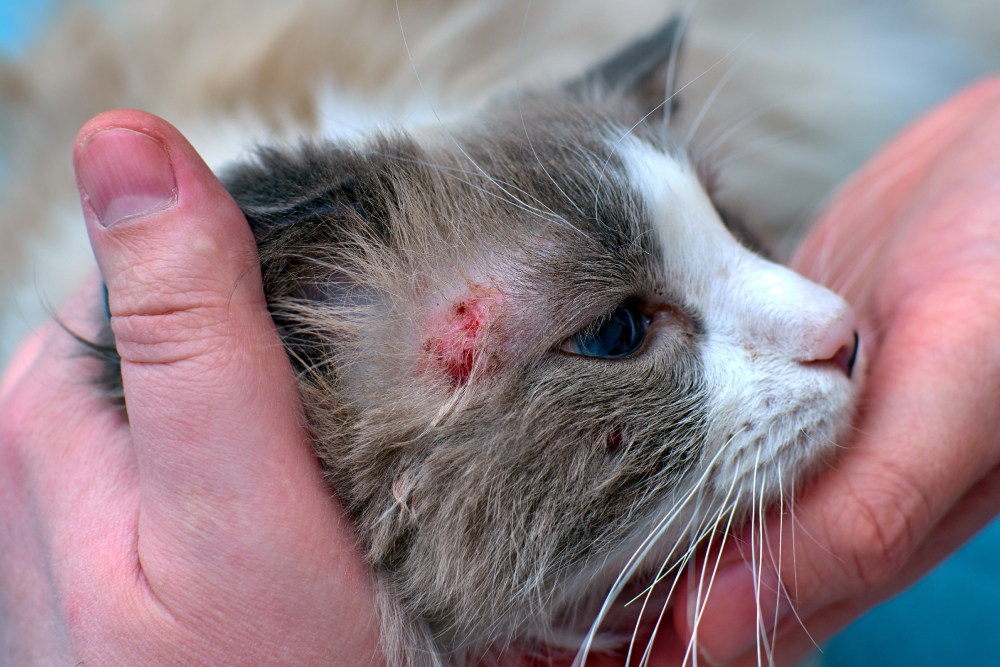
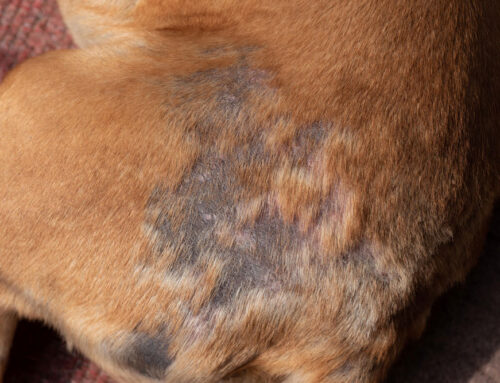
Ringworm doesn’t always look the same in every cat. Some develop distinct bald circles, while others have irregular patches or brittle fur that breaks easily.
Typical signs include:
- Circular or irregular patches of hair loss
- Scaly, red, or crusty skin
- Broken hairs around lesions
- Dandruff or thickened skin
- Brittle, discoloured claws
Some cats carry the fungus without visible symptoms. These silent carriers can still infect other pets or humans, which is why professional testing is so important.
Because this infection is one of several zoonotic diseases from cats, anyone handling an infected cat should monitor for itchy, circular rashes. Children, seniors, and immunocompromised individuals are most susceptible.
If you spot hair loss, scaly patches, or other unusual skin changes, visit our centres for prompt examination. Early treatment limits spread and helps your cat heal faster.
New Kittens and Ringworm Risk
Why Shelter and Outdoor Kittens Need Extra Attention
New kittens- especially those adopted from shelters, outdoor colonies, or feral populations- are at higher risk of ringworm infection. Young cats have developing immune systems that make it harder to fight off fungal spores, and crowded environments often mean greater exposure to contaminated bedding, litter trays, and other animals.
Shelters and rescue centres do their best to maintain hygiene, but spores can persist on surfaces for months. When bringing a new kitten home, it’s wise to schedule a new kitten check as soon as possible. During this visit, our veterinary team performs a full physical exam, checks for parasites and skin conditions, and screens for early signs of ringworm or other infections.
Even if your kitten appears healthy, a veterinary check-up ensures hidden infections don’t go unnoticed. Proactive care during the first few weeks sets the stage for a lifetime of good health- and helps protect every member of your household.
Diagnosing and Treating Ringworm
Veterinary Testing
Many skin problems can resemble ringworm, including allergies and mange. Confirming the diagnosis is essential before starting treatment.
Vets may examine lesions under a Wood’s lamp, which causes some ringworm fungi to glow green. However, only around half of Microsporum canis infections fluoresce, so a negative result doesn’t guarantee a clean bill of health.
The most reliable method of diagnosing ringworm in cats is fungal culture. Hair or skin samples are placed on special growth media for 1–2 weeks to confirm the fungal species. Some clinics also perform PCR testing for faster results.
At The Vale Veterinary Group, we use both in-house and external laboratories for accurate diagnosis and to design treatment plans tailored to each cat.
Treatment Plans
Successful treatment involves three steps: medicating the cat, cleaning the environment, and verifying the cure.
Topical therapy– medicated shampoos, creams, or dips containing miconazole, lime sulphur, or enilconazole- removes surface spores and soothes irritation. Long-haired cats may need clipping to help medication reach the skin.
Oral antifungal medication such as itraconazole or terbinafine treats deeper infection within hair follicles and skin tissue.
Follow-up fungal cultures confirm when the infection has cleared. Stopping treatment early often leads to relapse, so it’s important to continue medication until test results are negative.
Environmental cleaning is equally crucial. Following good ringworm management practices prevents re-infection and protects people and pets in the home.
Controlling Ringworm in the Home
Isolation and Cleaning
Keep infected cats in a single room with hard floors until cleared by your vet. Provide separate food and water dishes, bedding, and litter trays. Vacuum daily and discard bags after each use.
Disinfect hard surfaces with diluted bleach or a veterinary-grade antifungal cleaner. Wash bedding, blankets, and toys in hot water with bleach when possible. Because spores cling to fabrics, dedicate specific clothes for handling infected cats and wash them separately.
Air purifiers with HEPA filters can help but do not replace thorough cleaning. Replace filters frequently to prevent spores circulating through the home.
Protecting Other Pets and People
If one pet has ringworm, others in the home may already be exposed. Schedule examinations for all pets, even if they appear healthy.
Humans can also contract ringworm. Watch for small, red, circular patches that itch or flake- especially on the hands, arms, or face. Seek medical advice promptly for treatment. Children and immunocompromised adults should avoid direct contact with infected animals until treatment is complete.
Common Myths About Feline Ringworm
“Only outdoor cats get ringworm.”
Any cat can be infected, regardless of lifestyle. Spores can travel on clothing, furniture, or new pets.
“It always looks like a perfect circle.”
Lesions can be patchy, irregular, or scaly without forming clear rings.
“If it doesn’t glow under a Wood’s lamp, it’s not ringworm.”
Many fungal strains do not fluoresce. Lab testing is still required for confirmation.
“You can stop treatment once the lesions heal.”
Visible improvement doesn’t mean the infection is gone. Always continue treatment until cultures confirm clearance.
For more educational resources, our pet care leaflets explain common conditions and home management tips.
Why Early Veterinary Care Matters
Ringworm rarely clears without medical treatment. Delaying care allows the fungus to spread throughout your home and increases the risk for people and other pets.
Prompt veterinary attention ensures accurate diagnosis, faster recovery, and minimal contamination. At The Vale Veterinary Group, we combine advanced dermatology expertise with practical advice for effective home management.
If you notice patchy hair loss, scaly skin, or increased scratching, book a visit at your nearest Vale centre. Our team will confirm the cause, recommend the right treatment, and help you restore a healthy, fungus-free home. For urgent concerns, our 24/7 service is available when your pet is not well.






Leave A Comment