
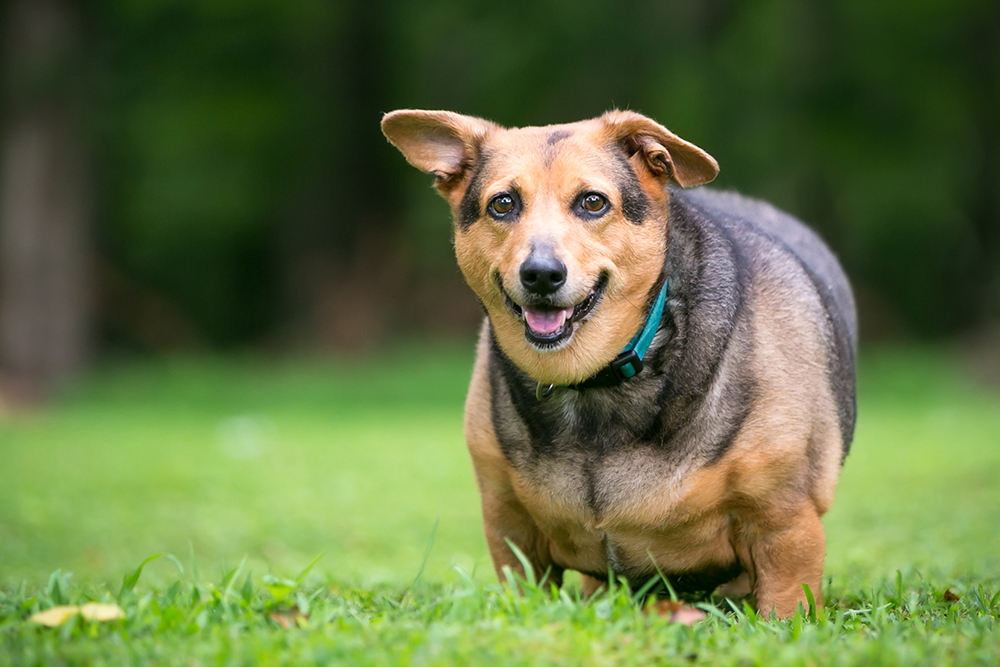
Managing Hip Conditions in Dogs and Cats: From Early Signs to Long-Term Comfort
When Your Pet’s Hips Start Holding Them Back
Watching your dog struggle to climb the stairs, hop onto the sofa, or even stand up after a good snooze can be heartbreaking. If your pet has hip pain, it’s tough to see them avoid the playful sprints they once loved. The good news is that hip conditions don’t always mean surgery, and there’s often more you can do than you might think. From weight management and rehabilitation to pain relief and home adjustments, a well-rounded plan can keep many pets comfortable and active for years.
Understanding your options is the first step towards helping your pet move well again. As an RCVS accredited practice with extensive experience in orthopaedic care, The Vale Veterinary Group reviews diagnostics, explains every option clearly, and helps you build a plan that fits your pet’s needs and your family’s life. We’re here to be your partner from first concern to long-term comfort. To get started, please contact us and we’ll create a plan to get your pet moving comfortably again.
What Causes Hip Problems in Dogs and Cats?
The hip is a ball-and-socket joint, and when the fit is loose, damaged, or worn down, movement hurts and inflammation builds over time. Hip problems can develop for a number of reasons, and understanding the cause helps guide the right approach to management.
- Developmental issues such as canine hip dysplasia and feline hip dysplasia cause a loose, shallow socket that worsens with growth. It’s one of the most common orthopaedic conditions in dogs, particularly in larger breeds, and early identification makes a significant difference in long-term outcomes.
- Traumatic hip luxation occurs when the ball pops out of the socket, often after a fall, collision, or road traffic accident. Both dogs and cats can be affected, and prompt treatment improves the chances of a good recovery.
- Arthritis can follow years of joint laxity, previous injury, or normal wear and tear. It’s the most common reason pets develop chronic hip pain, and it tends to progress gradually, which means early management can slow things down considerably.
- Fractures involving the femoral head or acetabulum may be too complex to repair with conventional methods and can permanently alter how the joint functions.
- Legg-Perthes disease affects some small-breed dogs and cats, causing the femoral head to collapse due to disrupted blood supply. It typically appears in young pets and causes increasing pain and lameness.
If your pet is stiff, lame, or reluctant to move the way they used to, our team can assess and advise when your pet is in pain and outline a clear diagnostic pathway.
How Do You Know If Your Pet Has a Hip Problem?
Hip conditions don’t always announce themselves obviously. Some pets compensate for discomfort for months before owners notice something is off. Knowing what to watch for helps you catch problems earlier, when more options are available.
In dogs, common signs include:
- Stiffness after rest that loosens up once they get moving
- Reluctance to jump, climb stairs, or get into the car
- A bunny-hopping gait when running, especially in younger dogs
- Shifting weight forward to take pressure off the hind end
- Reduced enthusiasm for walks, play, or activities they used to love
- Difficulty sitting squarely or getting up from the floor
In cats, signs tend to be subtler:
- Jumping less or choosing lower resting spots
- Hesitating before jumping up or down
- Reduced grooming, particularly around the hind legs and lower back
- Less interest in play or interaction
- Becoming irritable when touched around the hips or back
These changes are easy to chalk up to ageing, but they’re worth investigating. Many hip conditions are treatable, and pets who seem “just a bit slower” are often quietly uncomfortable.
How Are Hip Conditions Diagnosed?
A thorough diagnosis is the foundation of any good management plan. We start with a detailed conversation about what you’ve been noticing at home, then move through a structured clinical assessment.
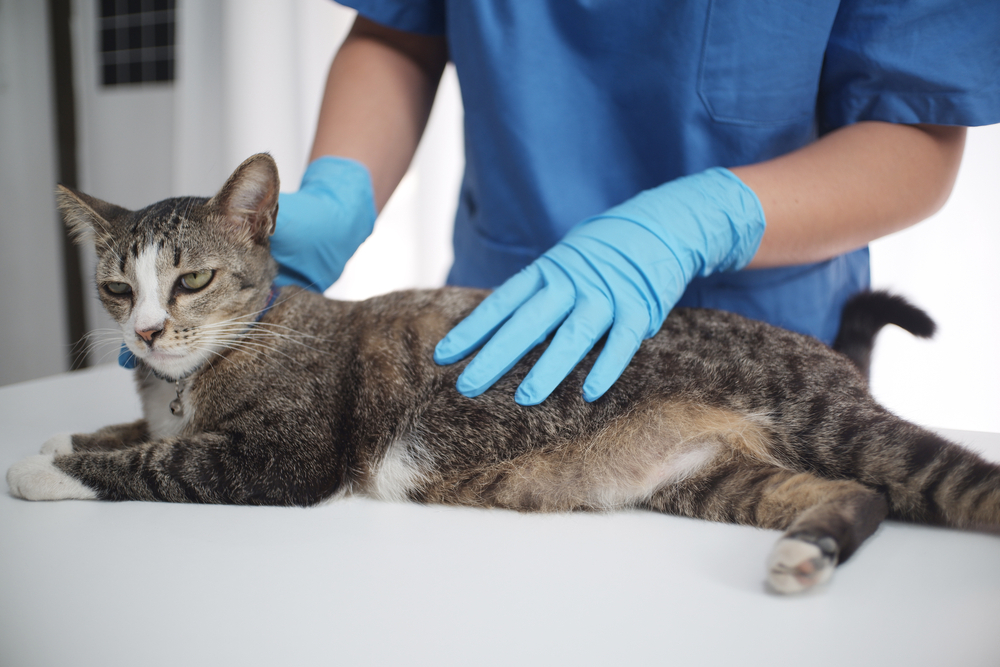
A hands-on orthopaedic exam evaluates gait, range of motion, and pain response. X-rays allow us to see the joint structure clearly, including how well the ball sits in the socket, whether arthritis is present, and how much damage may have already occurred.
For puppies in breeds prone to hip dysplasia, early screening helps identify laxity before arthritis develops. Hip scoring through the BVA/Kennel Club scheme is one of the most common ways breeders and owners in the UK identify at-risk dogs early, and it can guide decisions about breeding, activity, and preventive care.
Our small animal services team coordinates imaging, assessment, and follow-up so you have a clear picture of what’s happening and what the options are. Our new puppy visits are a great time to discuss the risks of future hip problems and enroll in pet insurance so that your costs are lower for future care needs.
What Does Day-to-Day Hip Management Look Like?
Not every hip condition requires surgery, and many pets live comfortably for years with a well-coordinated management plan. The goal is to reduce pain, protect the joint, maintain mobility, and slow the progression of arthritis. The best results come from combining several approaches rather than relying on any single one.
Pain Relief and Anti-Inflammatory Medication
Medication is often the first line of defence for hip pain. Non-steroidal anti-inflammatories (NSAIDs) reduce inflammation and improve comfort, and newer options like monoclonal antibody therapies such as Solensia and Librela are available for dogs and cats with fewer side effects for long-term use. We match the medication to your pet’s condition and monitor regularly to make sure it’s working well and staying safe.
Weight Management
Pet obesity prevention is one of the single most impactful things you can do for a pet with hip problems. Extra weight puts additional stress on already compromised joints, increases inflammation, and reduces the effectiveness of other treatments. Even a modest weight reduction can make a noticeable difference in how your pet moves and feels.
Joint Supplements
Thoughtful use of joint supplements may support cartilage health and ease inflammation over time. Supplements containing glucosamine, chondroitin, and omega-3 fatty acids are commonly recommended. They’re not a quick fix and work best as part of a broader plan, but many owners notice gradual improvements in comfort and willingness to move.
Exercise Modification
The right kind of movement keeps joints mobile and muscles strong, while the wrong kind can make things worse. For most pets with hip conditions, consistent, low-impact exercise is better than occasional bursts of intense activity. Short, regular lead walks on even ground are a good starting point. Swimming and controlled off-lead exercise on soft surfaces can be helpful once your vet has assessed what’s appropriate. Avoid activities that involve sudden stops, sharp turns, or jumping, as these put the most strain on unstable hips.
Physical Rehabilitation and Hydrotherapy
Veterinary physical rehabilitation uses controlled movement, targeted exercises, and sometimes therapeutic equipment to rebuild muscle support, improve range of motion, and boost confidence. Hydrotherapy is particularly popular in the UK and can make a noticeable difference for pets with hip conditions, as the buoyancy of water allows movement without the full weight-bearing impact.
Home Adjustments
Small changes around the house can reduce daily strain on sore hips.
- Non-slip rugs or runners on hard floors prevent legs from sliding
- Ramps for getting in and out of the car or onto the sofa
- Raised food and water bowls to reduce strain on the hind end
- Orthopedic or memory foam beds that cushion joints
- Avoiding stairs where possible, or using baby gates to manage access
- Keeping your pet warm and dry, as cold and damp can stiffen arthritic joints
Our nurse clinics offer guidance on home routines and monitoring.
How Does Nutrition Support Healthy Hips?
Nutrition influences how hips develop, especially in large breeds during rapid growth. Thoughtful feeding choices can help protect joints over a lifetime, and getting it right from puppyhood makes a real difference.
Keep a close eye on calories to prevent rapid growth in predisposed breeds, and choose large-breed puppy diets with balanced calcium and phosphorus ratios. In some cases, therapeutic nutrition targeted at developmental orthopaedic conditions can provide additional joint support over time. For adult pets with established hip problems, diets enriched with omega-3 fatty acids and joint-supportive nutrients can complement medical management.
Our Premier Paws Club provides regular wellness touchpoints and vaccinations, and we can include nutrition guidance in routine visits.
When Does Surgery Become the Right Option?
Surgery is considered when conservative management no longer controls pain, when function has declined significantly, or when the underlying condition is unlikely to respond to non-surgical care alone. It’s not a failure of other approaches; it’s the next step when more is needed.
Signs that it may be time to discuss surgery include pain that breaks through medication, progressive loss of mobility despite consistent management, reluctance to bear weight on the affected leg, or a quality of life that’s clearly suffering despite your best efforts.
The decision is always made together, based on your pet’s comfort, your observations, and a realistic conversation about goals.
Femoral Head Ostectomy (FHO)
FHO removes the ball portion of the hip to stop bone-on-bone pain. A fibrous “false joint” forms during healing that allows comfortable function without the original ball-and-socket mechanics. It’s often chosen for small to medium dogs and many cats, especially when hip replacement isn’t suitable or isn’t within the budget. Dogs under roughly 20 to 25 kg, active cats, and pets at a healthy weight tend to be the best candidates. Most pets regain strong daily function, though a slightly altered gait is possible in larger animals.
Total Hip Replacement (THR)
THR removes the diseased ball and socket and replaces them with prosthetic components, restoring normal joint mechanics comprehensively. It’s widely considered the gold standard for severe dysplasia and arthritis and is often the better choice for larger, more active dogs who need full joint function. Both cemented and cementless systems provide excellent outcomes when matched to the patient, and success rates are high with careful selection and aftercare.
Preventive Surgeries for Young Dogs
For puppies with hip laxity, early intervention can stabilise the joint and reduce the need for major surgery later. In very young puppies, juvenile pubic symphysiodesis may improve socket coverage during growth. In select candidates, pelvic osteotomy (DPO/TPO) repositions the socket to enhance stability. Age windows are critical for these procedures, so early screening is key.
For early checks and prevention, our routine healthcare team can include orthopaedic screening in puppy visits and discuss nutrition, activity, and follow-up plans.
What Does Recovery from Hip Surgery Look Like?
Recovery is a partnership between your veterinary team and your family. Pain relief, controlled activity, and timely rehabilitation help your pet regain strength and confidence at a pace that’s right for them.
- FHO recovery: Controlled exercise begins soon after surgery. Many pets reach strong function in 8 to 12 weeks, with lighter pets often progressing faster.
- THR recovery: Strict activity restriction for 8 to 12 weeks, then a gradual return to full activity under guidance. This means lead walks only and no jumping, which can be the hardest part for an enthusiastic dog.
- Rehabilitation: Targeted exercises and hydrotherapy improve range of motion, strength, and balance for long-term comfort.
We provide written instructions, schedule follow-ups, and tailor rehabilitation steps to your pet’s temperament and your home setup.
Frequently Asked Questions
How do I know if my pet’s hip problem needs treatment? If your pet is limping, stiff after rest, reluctant to exercise, or showing signs of pain during normal activities, it’s worth having them assessed. Many hip conditions respond well to early management, and waiting often means the problem becomes harder to treat.
Can hip conditions be managed without surgery? Many can, especially when caught early. A combination of weight management, appropriate exercise, pain medication, supplements, rehabilitation, and home adjustments keeps many pets comfortable long-term. Surgery becomes part of the conversation when conservative care isn’t providing enough relief.
Which pets are best suited for FHO vs. THR? FHO works well for cats and smaller dogs (under 20 to 25 kg) with painful or unstable hips. THR is often better for larger dogs who need the most normal gait and highest activity levels. Both relieve pain effectively; the choice depends on size, goals, and overall health.
Does pet insurance cover hip treatment? Many policies cover orthopaedic consultations, diagnostics, medication, and surgery, but it depends on your provider and whether the condition is considered pre-existing. It’s worth reviewing your policy early so you know where you stand.
What’s the most important thing I can do at home? Keep your pet at a healthy weight. It sounds simple, but it’s consistently the most impactful thing owners can do for a pet with hip problems. Beyond that, consistent low-impact exercise, a supportive sleeping surface, and sticking with your management plan all make a meaningful difference.
Partnering for Your Pet’s Comfort and Mobility
Hip conditions are common, but they don’t have to define your pet’s quality of life. Whether the right plan involves weight management, medication, rehabilitation, surgery, or a combination of all four, we’ll help you find the approach that gives your pet the most comfortable, active life possible.
Our RCVS accredited team focuses on compassionate guidance from first concern to long-term management, with 24/7 support for registered clients when concerns arise.
If you’re noticing hip pain, stiffness, or reduced activity, we’re here to help you make a confident plan. Contact The Vale Veterinary Group to discuss an orthopaedic evaluation and begin building a management strategy that works for your pet and your family.





Leave A Comment