
Stopping Foot Rot Before It Spreads in Sheep
Foot rot, or “foul in the foot” is a painful and contagious disease that damages the hooves of sheep, leading to lameness, reduced productivity, and serious welfare concerns. Wet, muddy conditions often trigger outbreaks, and once infection takes hold, it can spread rapidly through a flock. Prompt treatment, good hygiene, and regular hoof care are vital to controlling and preventing this costly condition.
At The Vale Veterinary Group, our experienced farm team provides comprehensive sheep health services to help farmers maintain sound, productive flocks. As an RCVS-accredited practice, we understand the financial and welfare impact of foot rot and work alongside you to implement effective prevention and treatment strategies.
Recognising the Warning Signs of Foul-in-the-Foot
Early detection makes all the difference in controlling foot rot before it spreads. The sooner you identify affected sheep, the faster you can intervene and protect the rest of the flock.
What Early Foot Rot Looks Like
Foot rot begins subtly but progresses quickly if left untreated. The first signs often appear as mild lameness or reluctance to bear weight on one foot. Sheep may lag behind the flock, stand with the affected leg lifted, or graze on their knees to avoid pressure on sore hooves.
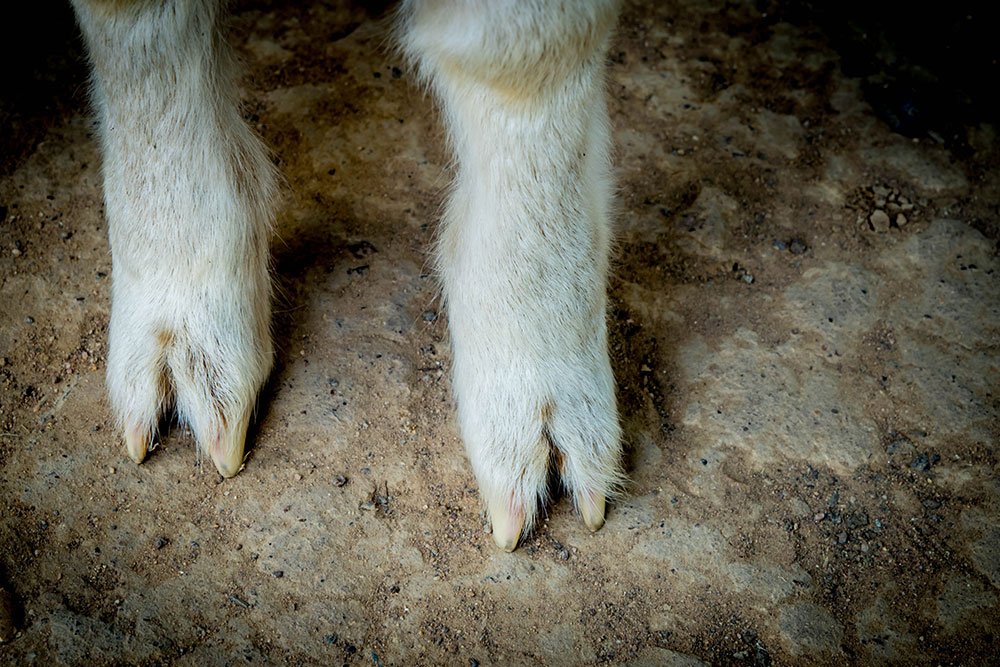
As infection advances, you may notice swelling and redness between the claws, often accompanied by a distinctive foul odour. The skin between the toes separates and becomes raw, and in severe cases the infection undermines the hoof wall itself, leading to major structural damage.
These symptoms severely affect mobility and welfare. Lame sheep struggle to compete for food, lose body condition, and are more vulnerable to other diseases. In breeding ewes, foot rot can reduce mating success and lamb-rearing ability.
Understanding the best methods for treating and controlling foot rot involves both immediate action and long-term planning. When you suspect infection, prompt diagnosis through The Vale Veterinary Laboratory helps confirm foot rot and rule out similar conditions such as scald or contagious ovine digital dermatitis.
Effective Treatment Approaches for Foot Rot
Once foot rot appears, a coordinated treatment plan offers the best chance of recovery and prevents further spread.
Treatment Methods That Work
Topical treatments and footbaths form the foundation of control. Zinc sulphate or formalin footbaths help reduce bacterial load when used correctly, though they work best as part of a broader programme rather than as a standalone measure. Individual sheep with active infections benefit from topical antibiotic sprays applied to cleaned, trimmed hooves.
Systemic antibiotics are often required for moderate or severe cases. Injectable products reach infected tissue more effectively than topical treatments alone and speed recovery in sheep with deep infections or significant lameness. Your veterinarian will prescribe the most appropriate antibiotic, taking into account meat and milk withdrawal periods.
Hoof care also plays an important role but must be done carefully. Over-trimming can worsen lameness and delay healing, while gentle removal of loose, diseased tissue allows treatments to penetrate infected areas. The aim is to expose infection without creating new trauma.
If sheep remain lame after initial treatment or if infections spread rapidly through the flock, veterinary intervention prevents long-term losses. Winning the battle against foot rot requires persistence, correct technique, and in some cases prescription-only treatments not available over the counter.
Prevention Strategies That Protect Your Flock
Prevention always costs less than treatment- both financially and in terms of welfare. Creating conditions where foot rot struggles to survive dramatically reduces outbreak frequency.
Managing Your Sheep’s Environment
Wet, muddy ground provides the perfect environment for the bacteria that cause foot rot. Keeping pastures as dry as possible during high-risk periods is key. Rotate grazing areas frequently, improve drainage in problem fields, and provide hardstanding where sheep can escape mud.
Regular hoof inspections catch problems early. Checking feet during routine handling, shearing, or when moving sheep takes little time but provides maximum benefit. Isolate lame sheep immediately to prevent them contaminating pastures and spreading infection.
Quarantining new arrivals protects your existing flock from outside infection. Inspect and treat any purchased sheep before turnout and consider a minimum two-week isolation period.
The Five Point Plan has proven successful across UK farms, combining prompt treatment, culling of chronic cases, quarantine, vaccination, and good grazing management. At The Vale Veterinary Group, our farm health consultations help you apply these evidence-based strategies in a way that suits your land, housing, and flock size.
Vaccination and Biosecurity Measures
While environmental control addresses day-to-day risks, vaccination and strong biosecurity provide long-term protection.
The Role of Vaccination in Foot Rot Prevention
Vaccination against foot rot provides valuable protection but works best as part of a comprehensive prevention programme. Vaccines reduce the severity and duration of infection, helping sheep recover faster and limiting bacterial shedding on pasture.
Establishing a consistent vaccination schedule ensures reliable immunity during high-risk seasons. Your veterinarian can advise on timing- for example, before housing or turnout- and integrate vaccination with other flock-health tasks.
Biosecurity measures complement vaccination by limiting pathogen spread. Disinfect shared equipment, manage visitor access to sheep areas, and where possible maintain separate handling facilities for different groups.
Effective management of foot rot and scald depends on consistent effort across all these areas. Our vaccination programmes integrate seamlessly with existing health plans, and we provide practical guidance on improving farm biosecurity.
Monitoring and Ongoing Flock Health
Routine monitoring transforms foot rot from an unpredictable outbreak into a manageable condition.
The Importance of Regular Health Checks
Hoof inspections should become as routine as checking troughs or counting sheep. Look for early lameness, redness, or swelling, and pay attention to sheep that separate from the group.
Keep detailed records of treatments and outcomes to identify patterns- which pastures cause issues, which sheep are repeatedly affected, and how quickly recovery occurs. This information guides future decisions and helps your vet fine-tune advice.
Locomotion scoring provides an objective measure of improvement and helps track success over time.
Comprehensive foot rot management requires consistent attention rather than reactive crisis control. When you are concerned about your flock’s health, our team offers prompt on-farm assessment and practical guidance. We also provide complimentary introductory visits and annual prescription visits for smallholder clients, ensuring professional support is always accessible.
Understanding What Makes Sheep Vulnerable
Certain conditions increase foot rot risk even with good management. Recognising these helps you make informed decisions about prevention and breeding.
Environmental and Genetic Risk Factors
Prolonged wet weather creates conditions where even well-managed flocks face higher disease pressure. Heavy clay soils, poorly drained paddocks, and areas around troughs or gates are common hotspots. Anticipating these risks allows you to prevent foot rot through improved drainage or temporary housing during extreme weather.
Certain breeds are more susceptible than others, though variation exists within all breeds. Sheep with poor hoof conformation or previous severe infections remain chronically at risk. Culling persistently affected animals improves overall flock health and reduces infection reservoirs.
Overcrowding increases both stress and exposure. High stocking densities near feeders and gateways create muddy, contaminated areas. Effective foot rot control balances productivity and welfare by matching stocking rates to land capacity.
At The Vale Veterinary Group, our advanced breeding services for sheep include advice on selecting breeding stock with sound hoof structure and resilience. We also provide environmental planning tailored to your farm layout and soil conditions.
Building Long-Term Flock Resilience
Controlling foot rot demands ongoing vigilance, quick response to new cases, and management that addresses both infection and underlying risk. The most successful farmers combine observation, environmental care, vaccination, and sound treatment.
Partnership with an experienced veterinary team makes this achievable. At The Vale Veterinary Group, we provide diagnostic support, treatment protocols, and ongoing guidance that keep your flock healthy and productive.
To discuss prevention and treatment strategies for your flock or to arrange a farm visit, contact our farm services team. We are proud to support Devon’s farming community with trusted expertise in sheep health and welfare.




Leave A Comment