
Spotting Dehydration in Pets Before It Becomes Dangerous
Dehydration can develop faster than many pet owners realize- especially during warm weather, illness, or recovery from surgery. Early signs like dry gums, lethargy, or decreased skin elasticity signal that your pet needs fluids quickly. Recognizing these red flags and seeking veterinary care right away helps prevent organ damage and life-threatening complications.
At The Vale Veterinary Group, our RCVS-accredited team provides comprehensive care for pets experiencing dehydration. From diagnostics to fluid therapy and home-care guidance, we’re equipped to restore your pet’s health safely and effectively.
Why Hydration Is Essential for Pet Health
Water supports every system in your pet’s body. It regulates temperature, aids digestion, cushions joints, and keeps organs functioning smoothly. When fluid loss outpaces intake, circulation falters, oxygen delivery drops, and the kidneys can no longer filter waste efficiently.
Even mild dehydration increases the heart’s workload. Left unchecked, it can cause shock, kidney failure, and death- particularly in young, elderly, or chronically ill animals. That’s why hydration is a cornerstone of wellness care and a major focus of our routine healthcare services.
How Pets Become Dehydrated
Dehydration can stem from simple environmental factors or more serious medical problems. Knowing both helps you intervene before your pet’s condition worsens.
Environmental Factors
High temperatures are the most common trigger. Unlike humans, pets can’t cool themselves efficiently. Dogs pant and sweat minimally through their paw pads, while cats rely on grooming to release heat. During hot or humid weather, they lose moisture rapidly.
Outdoor pets without access to shade or clean water are particularly at risk. Water bowls can tip or evaporate before you realize it. Following heat safety tips for pet owners ensures your pet stays cool and hydrated.
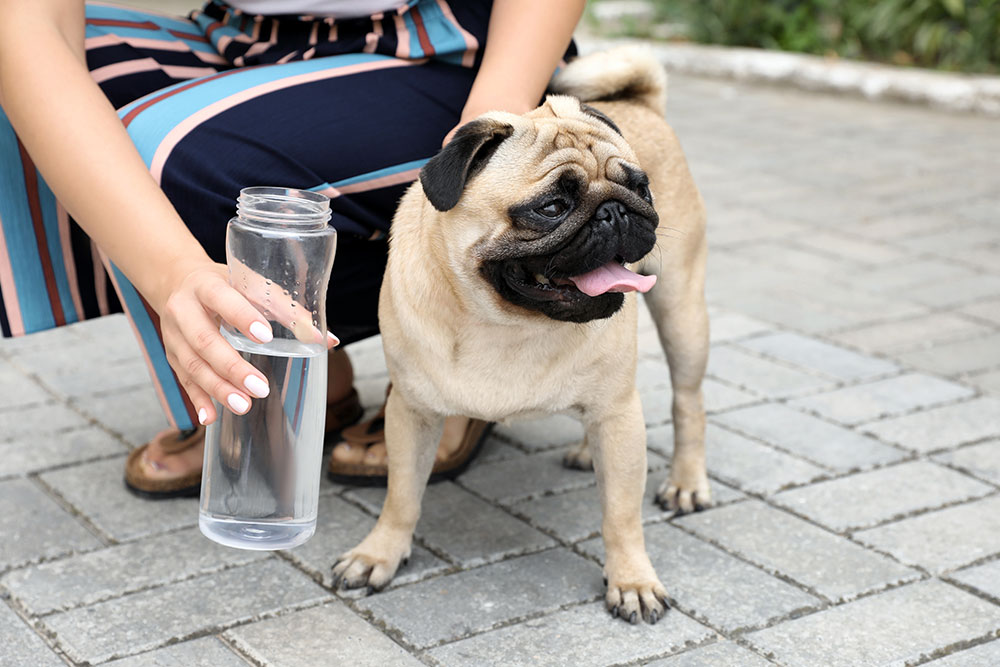
Exercise also accelerates water loss. Active breeds, working dogs, and animals that play vigorously outdoors require more frequent water breaks. Always carry water when walking or hiking with your pet.
Don’t ignore hydration in the winter- water bowls can freeze quickly, making dehydration in cold weather equally dangerous.
Medical Causes
Illness is one of the most common medical causes of dehydration in pets. Vomiting, diarrhea, and fever quickly deplete the body’s fluid reserves and electrolytes, leading to weakness and organ stress if not corrected. Conditions like diarrhea, gastrointestinal infections, or toxin exposure all contribute to rapid fluid loss.
Unvaccinated puppies face serious risk from canine parvovirus, which can cause severe vomiting, bloody diarrhea, and dehydration within hours. In these cases, intensive fluid therapy and hospitalization are often necessary to restore circulation and prevent organ failure.
Chronic health conditions can also make pets more prone to dehydration. Kidney disease and diabetes cause increased urination and thirst, forcing the body to work harder to maintain fluid balance. Cats with chronic kidney disease are particularly vulnerable. Even though they may drink frequently, they still lose water faster than they can replace it. Ongoing management focuses on encouraging consistent water intake and using dietary support to maintain hydration. Moisture-rich diets and veterinary-prescribed nutrition can help slow disease progression.
Hormonal disorders, such as diabetes mellitus and feline hyperthyroidism, can also increase urination and fluid loss. These endocrine conditions alter metabolism, raise body temperature, and disrupt kidney function, all of which make it difficult for the body to retain water. Managing these disorders through medication and dietary support not only restores hormonal balance but also helps prevent chronic dehydration and its complications.
Early Signs of Dehydration
Because dehydration affects the entire body, the warning signs are often visible long before collapse occurs.
Physical Clues
- Skin elasticity: Gently pinch the skin between your pet’s shoulder blades. In a hydrated animal, it snaps back immediately. If it stays tented or moves slowly, dehydration is likely.
- Gum moisture: Healthy gums feel smooth and moist. Dry or sticky gums indicate fluid loss. You can also check capillary refill time by pressing your finger to the gum- color should return within two seconds.
- Sunken eyes: In moderate to severe dehydration, the eyes may appear dull or recessed.
- Dry nose: While not always reliable alone, a persistently dry nose alongside other signs suggests fluid imbalance.
Behavioral Changes
A dehydrated pet may seem unusually tired or uninterested in play. They might refuse food, pant heavily, or appear weak and unsteady.
Cats often hide when unwell, while dogs may pace or seem anxious. If these changes accompany vomiting, diarrhea, or other signs of illness, seek veterinary care immediately.
When to Call the Vet
Mild dehydration sometimes resolves with rest and increased water, but moderate to severe cases always require professional care.
Contact your veterinarian if your pet:
- Refuses water or can’t keep it down
- Has continuous vomiting or diarrhea
- Appears disoriented, weak, or collapses
- Has dry gums and sunken eyes
Young, senior, and small pets- like rabbits, guinea pigs, and kittens- can deteriorate rapidly. Don’t wait for severe symptoms before seeking help.
Emergency care guidelines for pets can help evaluate if your pet is experiencing symptoms that should be seen promptly. At The Vale Veterinary Group, registered clients have access to 24/7 emergency support for urgent cases like these.
How Dehydration Is Diagnosed and Treated
During your pet’s visit, our team performs a full physical exam to assess skin elasticity, gum moisture, and cardiovascular status. Diagnostic testing such as bloodwork and urinalysis helps evaluate kidney function, electrolyte balance, and the underlying cause of dehydration.
Fluid therapy is the mainstay of treatment.
- Intravenous (IV) fluids are used for severe dehydration to restore circulation and correct imbalances quickly.
- Subcutaneous fluids can be given for milder or chronic cases, especially in cats with kidney disease. Subcutaneous fluid therapy for cats can often be continued at home under veterinary supervision.
Our hospital’s advanced diagnostic tools- including in-house laboratory testing and ultrasound- allow us to monitor recovery closely and tailor treatment for each pet.
Preventing Dehydration
At-Home Prevention
- Keep fresh water available at all times, changing it daily.
- Use multiple water bowls in multi-pet homes.
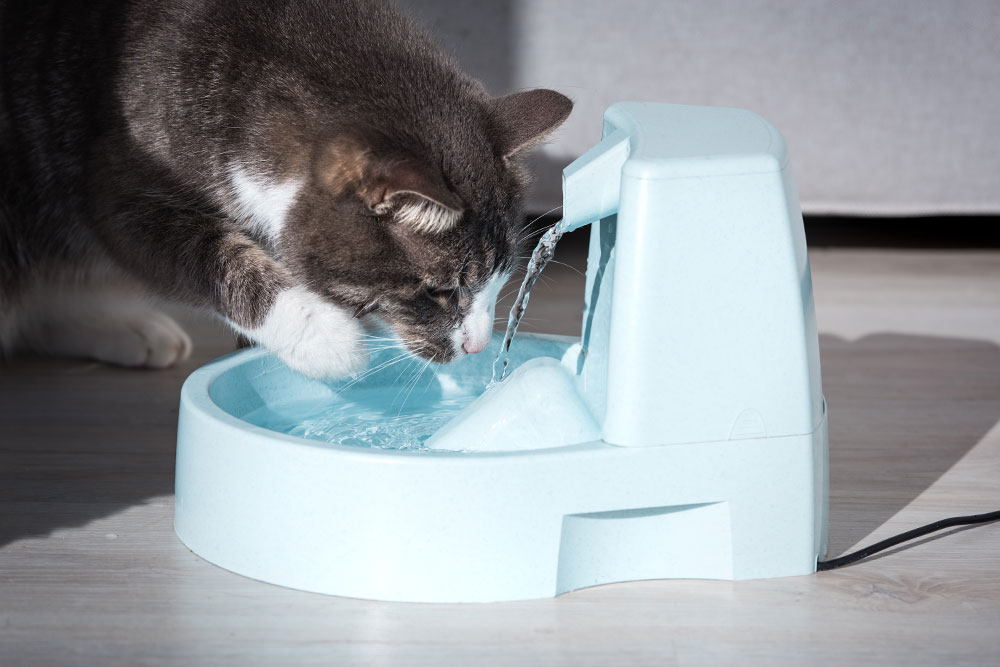
- Encourage drinking with fountains or flavored water for picky pets.
- During summer, limit outdoor time to cooler hours and bring water on walks.
- Feed canned food or add water to dry kibble for extra hydration, especially for cats.
Ongoing Veterinary Prevention
Regular wellness exams help identify early disease signs that may affect hydration. Our routine healthcare services include bloodwork and screenings for kidney and metabolic disorders.
Preventive programs like our Premier Paws Club make year-round protection simple and affordable, offering vaccines, parasite prevention, and nurse consultations through convenient monthly payments.
Keeping Pets Healthy and Hydrated
Dehydration is preventable, but when it occurs, early detection and quick treatment save lives. Monitoring your pet’s water intake, knowing the warning signs, and maintaining regular wellness visits are the best ways to keep them safe.
At The Vale Veterinary Group, we treat every animal- whether dog, cat, rabbit, or farm companion- with the same care and compassion we’d show our own. If you notice symptoms of dehydration or illness, contact us right away. Our team is available to guide you through prevention, diagnosis, and recovery, ensuring your pet stays healthy, hydrated, and thriving.




Leave A Comment