
Bumps, Lumps, and What They Mean: Identifying Skin Tumors in Dogs
Discovering a new lump on your dog can be alarming, but not all growths are dangerous. Some are benign, while others need removal or testing. Regular monitoring and prompt veterinary evaluation are the best ways to ensure your dog’s health and peace of mind.
At The Vale Veterinary Group, our RCVS-accredited team provides comprehensive diagnostic services and advanced oncology care to help you understand what any new growth means and what steps to take next.
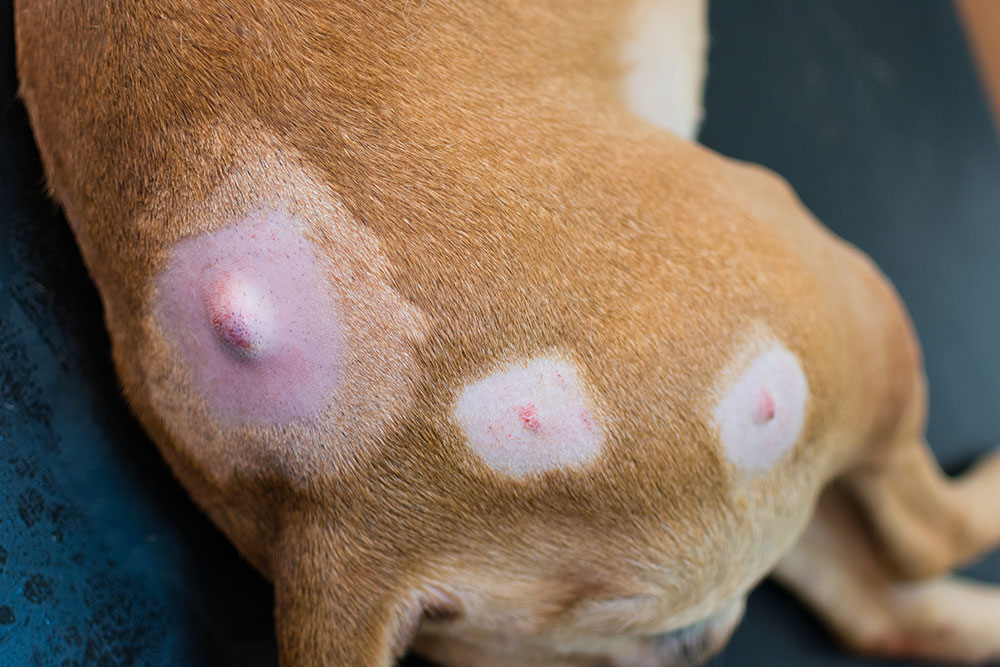
What Do Skin Tumors Look Like in Dogs?
Recognizing the early signs of skin tumors gives you the best chance of catching problems when they’re most treatable. While some lumps are harmless fatty deposits, others require immediate attention.
Key visual indicators include:
- New lumps or bumps that weren’t there before
- Changes in size, shape, or color of existing growths
- Ulceration, bleeding, or discharge from the mass
- Rapid growth over days or weeks
- Firmness or attachment to underlying tissue
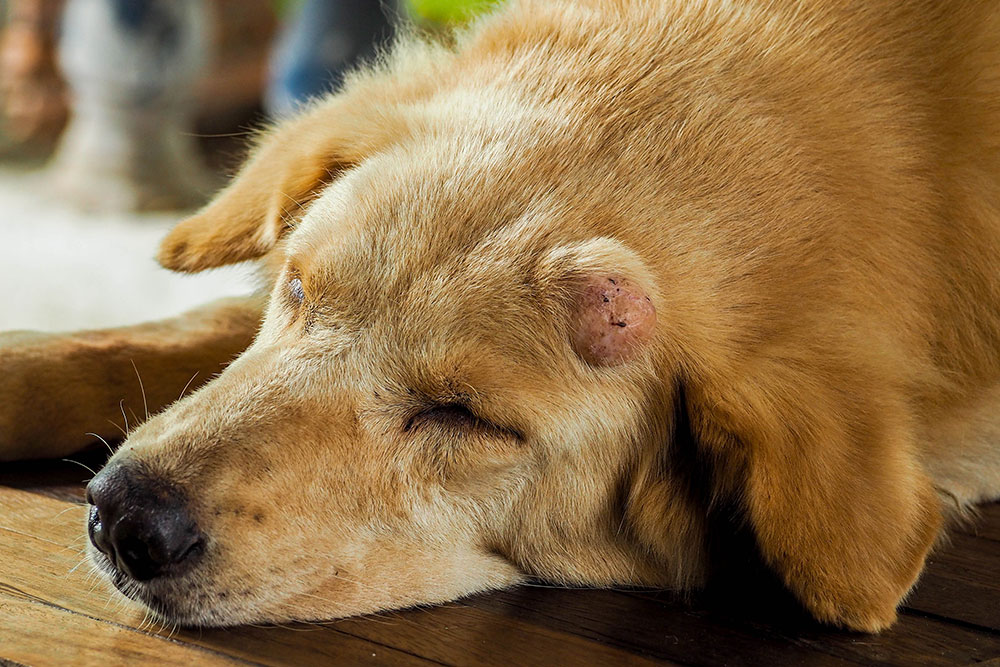
Not every lump needs emergency intervention, but every new growth deserves veterinary evaluation. Some tumors appear suddenly and grow quickly, while others develop slowly over months. Location matters too.
Growths on the legs, mouth, or nail beds often behave more aggressively than those on the body.
At The Vale Veterinary Group, our dermatology and oncology experts use advanced diagnostics to distinguish between benign and malignant growths, providing you with clear answers and treatment options.
Common Types of Skin Tumors in Dogs
Understanding the difference between benign and malignant tumors helps you know what questions to ask and what outcomes to expect.
Benign Tumors: Usually Harmless but Worth Monitoring
Benign tumors don’t spread to other parts of the body, though they can still cause discomfort if they grow large or appear in awkward locations.
Lipomas in dogs are soft, movable fatty lumps that sit just under the skin. They’re extremely common in older dogs and rarely cause problems unless they grow large enough to interfere with movement. Most lipomas don’t require removal, but your veterinarian may recommend monitoring their size over time.
Types of cysts on dogs include sebaceous cysts, which form when oil glands become blocked, and follicular cysts, which develop from hair follicles. These fluid-filled lumps may rupture and drain, sometimes becoming infected. While benign, cysts that repeatedly rupture or grow large may need surgical removal.
Malignant Tumors: Require Immediate Action
Malignant tumors can invade surrounding tissue and spread to other organs, making early detection and treatment critical.
Mast cell tumors are the most common malignant skin tumors in dogs. They can appear anywhere on the body and vary dramatically in appearance, from small red bumps to large ulcerated masses. Some mast cell tumors grow slowly and remain localized, while others spread aggressively. Grading and staging determine the treatment approach, which often includes surgical removal and sometimes chemotherapy.
Malignant histiocytoma is an aggressive cancer affecting the immune system. Unlike benign histiocytomas, which resolve on their own in young dogs, malignant histiocytomas spread rapidly and require intensive treatment.
Melanoma in dogs most commonly appears in the mouth, nail beds, or skin. Oral melanomas are particularly aggressive and often spread to the lungs and lymph nodes. Pigmented masses in these locations should always be evaluated promptly.
Our small animal team at The Vale Veterinary Group creates individualized treatment plans based on tumor type, location, and stage, giving your dog the best chance for successful outcomes.
How Veterinarians Diagnose Skin Tumors
Accurate diagnosis is the foundation of effective treatment. Visual examination alone cannot determine whether a lump is benign or malignant, so diagnostic testing is essential.
Initial Assessment and Cytology
Your veterinarian begins with a physical examination, noting the lump’s size, shape, texture, and location. They’ll also check nearby lymph nodes for swelling, which could indicate spread.
Skin cytology in pets involves collecting cells from the mass using a fine needle aspirate. This quick, minimally invasive procedure provides immediate information about cell type and helps determine whether further testing is needed. Cytology can identify many benign tumors and some malignant ones, though it doesn’t always provide a definitive diagnosis.
Understanding cytology vs. biopsy helps clarify when each test is appropriate. Cytology is faster and less invasive but may not capture the full picture. Biopsy involves removing a tissue sample for microscopic examination, providing detailed information about tumor type, grade, and behavior. Biopsies are essential for treatment planning when cytology results are inconclusive or suggest malignancy.
At The Vale Veterinary Laboratory, we offer both in-house and external laboratory services, ensuring rapid results and expert pathology review for complex cases.
Treatment Options for Skin Tumors in Dogs
Treatment depends on tumor type, location, and whether it has spread. Many dogs with skin tumors live long, comfortable lives with appropriate intervention.
Surgical and Non-Surgical Approaches
Surgical removal is the primary treatment for most skin tumors. Complete excision with clean margins often cures benign tumors and many localized malignant ones. For mast cell tumors and melanomas, achieving wide surgical margins is critical to prevent recurrence.
Some tumors require additional treatment beyond surgery. Chemotherapy may be recommended for high-grade mast cell tumors or tumors that have spread to lymph nodes. Radiation therapy targets residual cancer cells after surgery or treats tumors in locations where complete removal isn’t possible.
Our surgical team at The Vale Veterinary Group performs routine and advanced soft tissue surgeries, working closely with our oncology specialists to provide comprehensive cancer care.
Prevention and Monitoring Strategies
While you cannot prevent all skin tumors, regular monitoring and preventive care improve early detection and outcomes.
Home monitoring tips:
- Run your hands over your dog’s entire body weekly, feeling for new lumps or changes in existing ones
- Note any growths that change size, shape, or texture
- Watch for ulceration, bleeding, or signs of discomfort
- Take photos to track growth over time
Sun exposure increases skin cancer risk, particularly in dogs with light-colored coats or thin fur. Protect pets from skin cancer by limiting midday sun exposure, providing shade, and using pet-safe sunscreen on vulnerable areas like the nose and ears.
Understanding types of cancer in pets helps you recognize that skin tumors are just one form of cancer dogs face. Regular veterinary visits allow for comprehensive cancer screening and early intervention.
Our routine healthcare programs at The Vale Veterinary Group include thorough physical examinations and health monitoring, catching problems before they become serious. Premier Paws Club members receive comprehensive preventative care designed to keep dogs healthy throughout their lives.
When to Seek Veterinary Care
Prompt veterinary evaluation is essential when you discover any new lump or notice changes in an existing growth. While waiting a few days to see if a small bump resolves is sometimes reasonable, certain signs require immediate attention.
Seek urgent care if:
- A lump grows rapidly over days
- The mass ulcerates or bleeds
- Your dog shows signs of pain or discomfort
- Swelling appears around the growth or in nearby lymph nodes
- Your dog develops lethargy, loss of appetite, or other systemic signs
When your pet is not well, our team provides thorough evaluation and diagnostic testing to determine the cause and recommend appropriate treatment. For registered clients, we offer 24/7 emergency services, ensuring your dog receives care whenever problems arise.
Your Dog’s Health Journey Starts Here
Every lump deserves attention, but not every lump means cancer. With proper evaluation, accurate diagnosis, and appropriate treatment, many dogs with skin tumors enjoy excellent quality of life.
At The Vale Veterinary Group, our experienced team combines advanced diagnostics with compassionate care to guide you through every step of your dog’s health journey. Whether you need a new adult dog health check or oncology consultation, we’re here to provide expert support.
Contact us today to schedule an examination or discuss any concerns about your dog’s skin health.




Leave A Comment