
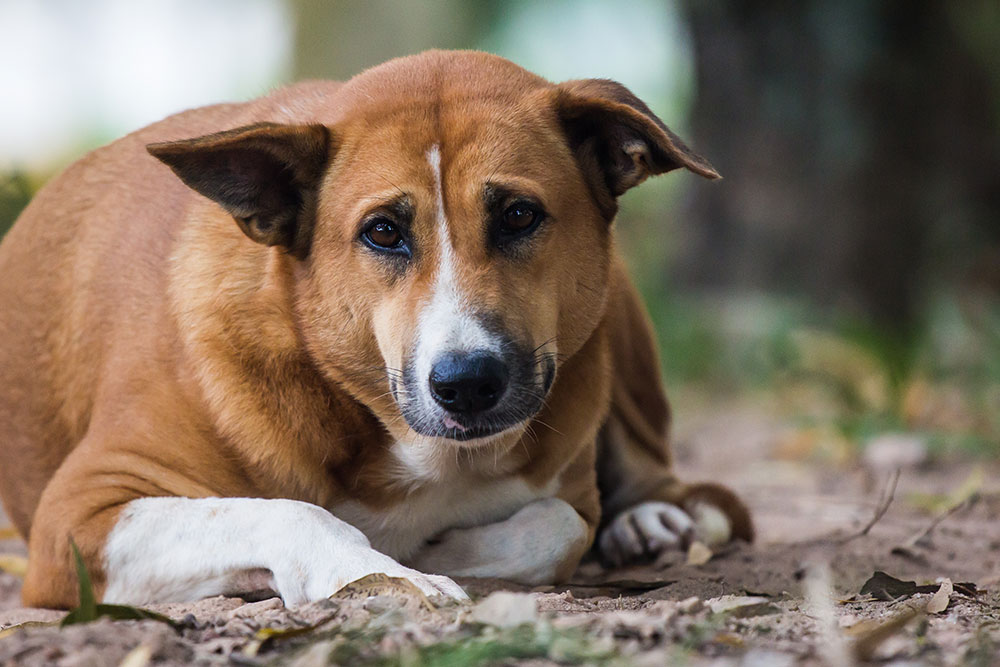
Slimmer, Stronger, Healthier: Tackling Pet Obesity the Right Way
Pet obesity is one of today’s most common and preventable health issues. Extra weight can strain the joints, heart, and lungs, making even simple activities uncomfortable. The good news is that with the right guidance, it’s reversible.
At The Vale Veterinary Group, our experienced team helps pets return to a healthy weight safely and sustainably. We create individualized nutrition and exercise plans that fit your pet’s age, breed, and lifestyle, and we provide regular weight checks and support to keep you on track. Reducing calories, increasing activity, and monitoring progress can transform your pet’s health- restoring energy, comfort, and longevity.
Why Body Condition Scoring Beats the Scale
When you step on the scale with your pet, the number tells only part of the story. Two dogs of the same breed and weight can have vastly different health profiles. One might be lean and muscular, while the other carries excess fat around vital organs. This is where Body Condition Scoring (BCS) becomes invaluable.
Unlike weight alone, BCS evaluates both muscle and fat distribution, giving you a complete picture of your pet’s physical health. It accounts for breed differences- a Border Collie naturally has a very different build than a Bulldog- and helps detect early warning signs of serious conditions like arthritis, diabetes mellitus, and heart disease before they progress.
At The Vale Veterinary Group, our RCVS-accredited team uses BCS as part of comprehensive routine healthcare for dogs, cats, rabbits, and other small animals. This hands-on assessment provides clarity that numbers alone cannot offer.
How the 9-Point Scale Works
The BCS system uses a 9-point scale to classify your pet’s condition:
- 1–3 (Underweight): Ribs, hips, and spine are highly visible with minimal fat coverage. Severe cases show prominent bone structure and muscle wasting.
- 4–5 (Ideal): Ribs are easily felt beneath a thin layer of fat. Your pet has a visible waist when viewed from above and an abdominal tuck when viewed from the side.
- 6–7 (Overweight): Ribs are difficult to feel under thickening fat. The waist becomes less defined, and abdominal tuck is reduced or absent.
- 8–9 (Obese): Heavy fat deposits cover the ribs, spine, and tail base. No waist is visible, and the abdomen may sag. Movement becomes labored.
Understanding where your pet falls on this scale helps you and your veterinary team create targeted weight management strategies that address their specific needs.
The Hidden Dangers of Weight Extremes
Carrying extra weight does more than slow your pet down. Obesity increases the risk of bladder stones, intervertebral disc disease, high blood pressure, diabetes, and heart disease. Overweight pets also struggle with temperature regulation, making them vulnerable to heat stroke during warm weather.
But being underweight carries equally serious risks. Pets lacking adequate body fat and muscle mass experience reduced immunity, poor wound healing, and difficulty maintaining body temperature. Muscle wasting progresses to mobility issues, and prolonged malnutrition can lead to organ failure.
Whether your pet is a dog, cat, rabbit, or guinea pig, maintaining an ideal body condition protects them from preventable diseases and supports a longer, more active life. Our team at The Vale Veterinary Group offers small animal services tailored to each species’ unique nutritional and health requirements.
Assessing Body Condition at Home
You don’t need specialized equipment to perform a basic BCS check. Your hands provide an excellent reference point.
The Hand Test:
- Run your fingers across the back of your hand. The bones you feel represent an ideal body condition- easily palpable but covered by a thin layer of tissue.
- Now feel your knuckles. This bony prominence represents an underweight pet.
- Finally, press your palm. The cushioned resistance mimics an overweight or obese pet.
Visual and Tactile Assessment:
Stand above your pet and look down. An ideal body condition shows a visible waist behind the ribs. From the side, you should see an abdominal tuck where the belly rises toward the hind legs.
Place your hands on your pet’s ribcage and apply gentle pressure. You should feel individual ribs without pressing hard, but they shouldn’t be visually prominent. Check for fat deposits along the spine, tail base, and hips.
Important Considerations:
Thick coats can mask body condition, especially in breeds like Huskies or long-haired cats. If you’re uncertain about your assessment, schedule a professional evaluation. Our veterinary team provides body condition scoring with every visit to help pet owners establish healthy baselines.
Creating a Nutrition Plan That Works
Effective weight management starts with understanding how much to feed your pet. Feeding guidelines on pet food packaging provide starting points, but individual needs vary based on age, activity level, and metabolism.
The Pet Calorie Calculator helps determine daily caloric needs based on your pet’s current weight and target weight. However, these calculations work best when combined with professional guidance.
Building a Balanced Diet:
Quality protein supports muscle maintenance during weight loss. Fiber promotes satiety, helping pets feel full on fewer calories. For pets with specific health concerns, prescription diets may be necessary.
Safe Weight Loss Strategies:
Gradual change is essential. Rapid weight loss in cats can trigger hepatic lipidosis, a potentially fatal liver condition. Dogs also benefit from slow, steady weight reduction that preserves muscle mass.
Obesity prevention requires consistent monitoring and adjustment. Our Premier Paws Club preventative healthcare plans include regular weight assessments and nutritional counseling to keep your pet on track.
For dogs, slimming down involves controlled portions and increased activity. Cats require a different approach focused on feline fitness through environmental enrichment and play.
Common Misconceptions About Pet Weight
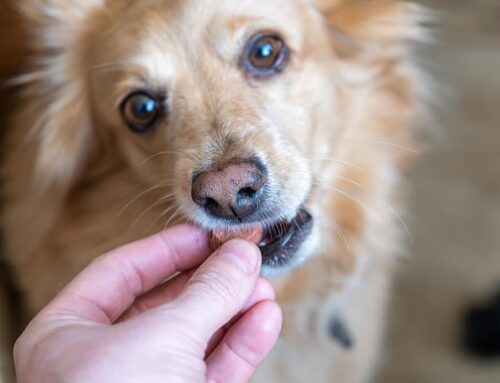
Many owners unknowingly sabotage their pet’s health through well-intentioned habits. Treats represent concentrated calories- giving your dog a Milk Bone is proportionally similar to you eating a Big Mac. Those daily biscuits add up quickly.
The belief that “chubby pets are healthier” persists despite overwhelming evidence to the contrary. Extra weight stresses joints, organs, and metabolic systems. It doesn’t provide reserves for illness; it creates illness.
Showing Love Without Food:
Affection doesn’t require calories. Interactive toys, training sessions, walks, and dedicated playtime strengthen your bond while supporting physical health. These activities provide mental stimulation that food cannot match.
Understanding Individual Variation:
Two Labradors weighing the same amount may have completely different body compositions. One might be muscular and fit, while the other carries excess fat. Breed standards provide general guidelines but don’t account for individual variation in bone structure, muscle mass, and metabolism.
When Professional Support Makes the Difference
While home assessments provide valuable information, veterinary teams offer expertise that transforms good intentions into successful outcomes. Our diagnostic capabilities help distinguish between dietary issues and underlying medical causes of weight change.
Conditions like hypothyroidism or Cushing’s disease can cause weight gain despite appropriate feeding. Parasites, dental disease, or gastrointestinal disorders may contribute to weight loss. In-house laboratory testing identifies these problems quickly, allowing for targeted treatment.
Customized Weight Management:
Our veterinary team creates individualized plans based on your pet’s specific needs, lifestyle, and any concurrent health conditions. We monitor progress through regular reassessments, adjusting calories and activity levels as your pet’s body composition changes.
For pets with mobility limitations due to arthritis or previous injuries, we develop safe exercise protocols that build strength without causing pain. Our specialty services include advanced diagnostics and consultations that address complex cases requiring more than diet modification alone.
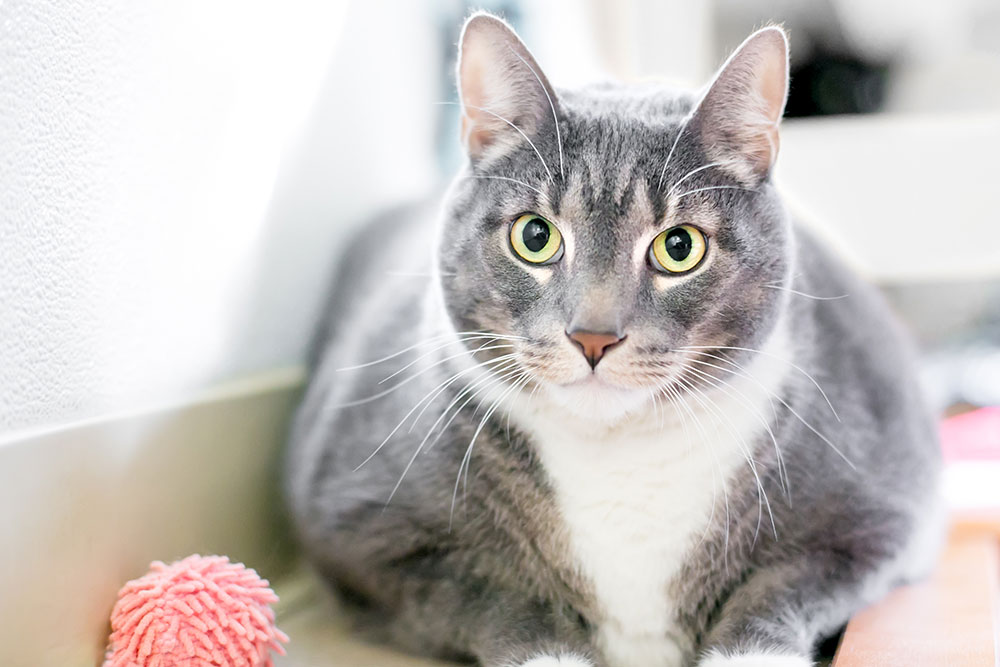
Your Pet’s Health Starts with Action
Regular BCS checks at home help you catch trends early. If your pet’s ribs become harder to feel or their waist disappears, address it before obesity develops. If bones become prominent or muscle mass decreases, investigate the cause promptly.
Professional assessments confirm your observations and provide measurable benchmarks for progress. Early intervention prevents minor concerns from becoming major health crises. The goal isn’t just weight loss- it’s improved mobility, energy, and longevity.
Visit our pet care leaflets for additional resources on nutrition, exercise, and preventive health. Whether you need guidance for your dog, cat, rabbit, or another companion animal, our team provides expert support without judgment.
Schedule a body condition assessment today by contacting The Vale Veterinary Group. Together, we’ll create a plan that helps your pet achieve their healthiest weight and enjoy a longer, more active life.




Leave A Comment