
Cushing’s Disease in Dogs: Recognizing and Managing Hormone Imbalance
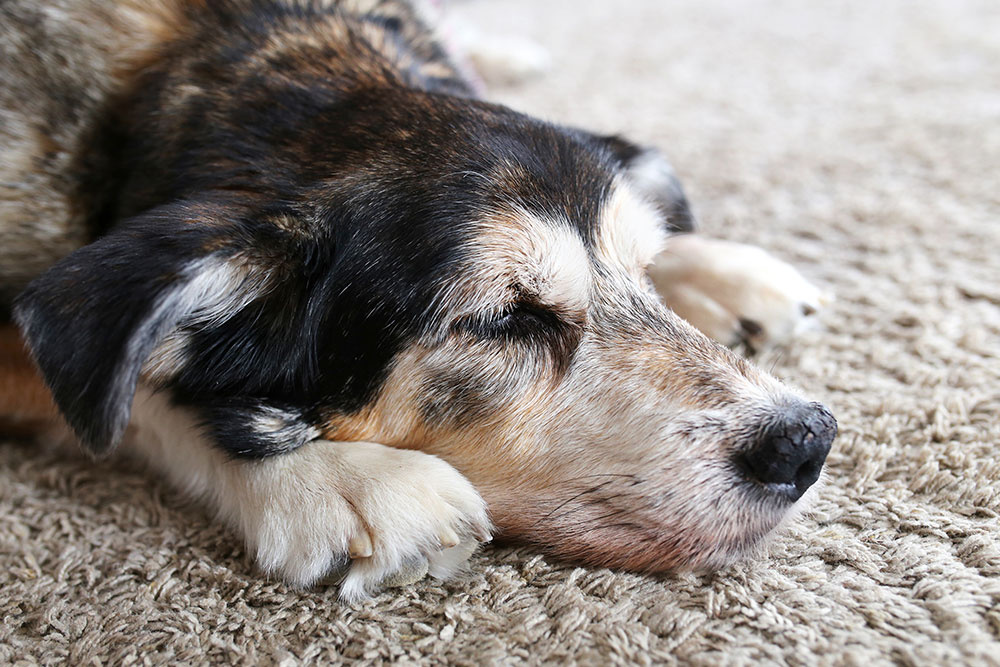
Your dog is drinking more water than usual, making late-night trips outside, and starting to look a little rounder through the middle. Their coat may be thinning, or they’re panting even at rest. These gradual changes might seem like normal aging, but they could indicate Cushing’s disease- a hormonal disorder that affects thousands of dogs every year.
At The Vale Veterinary Group, our RCVS-accredited team provides advanced diagnostics and specialty care to identify and manage complex endocrine conditions. With in-house laboratory testing, imaging, and 24/7 emergency support for registered clients, we help pets with Cushing’s disease live longer, healthier lives through early diagnosis and personalised treatment.
Understanding Cortisol’s Role in the Body
Cortisol is a vital hormone that helps regulate stress, metabolism, and inflammation. In healthy dogs, its production rises and falls as needed. In dogs with Cushing’s disease, however, the adrenal glands release too much cortisol, affecting multiple systems throughout the body.
Signs and symptoms of Cushing’s syndrome often develop slowly and can be mistaken for normal aging. Common indicators include:
- Increased thirst and urination
- Constant hunger despite weight gain
- A pot-bellied appearance caused by muscle weakness
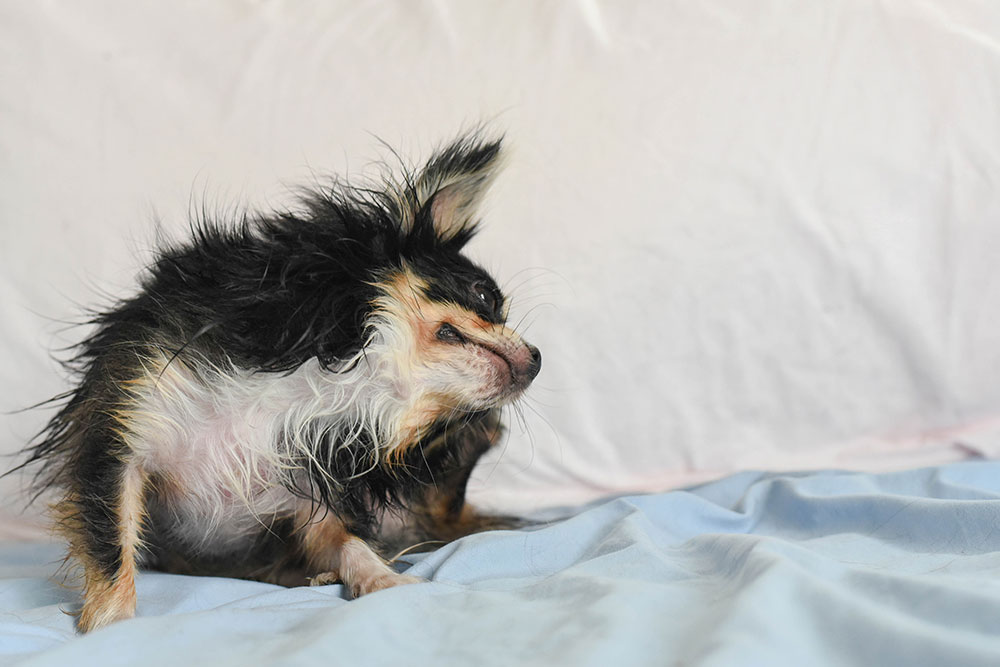
- Thinning coat and patchy hair loss
- Darkened or fragile skin that is prone to infection
- Panting even at rest
- Decreased energy or reluctance to exercise
Because these signs progress gradually, many owners do not realise how much their dog has changed until the condition is advanced. The health risks of Cushing’s disease extend far beyond cosmetic changes. If left untreated, the disease can cause diabetes, high blood pressure, blood clots, and a weakened immune system. Recognising when your pet is not well allows for earlier diagnosis and better outcomes.
Why Cushing’s Disease Develops
Cushing’s disease usually arises from one of two internal causes, or less commonly, from long-term steroid medication.
Pituitary-dependent Cushing’s disease accounts for about 85 to 90 percent of cases. It occurs when a small tumour on the pituitary gland sends constant signals to the adrenal glands to release cortisol. The tumour is almost always benign but still disrupts the normal hormonal balance.
Adrenal-dependent Cushing’s disease represents around 10 to 15 percent of cases. In this form, a tumour forms directly on one or both adrenal glands, causing them to produce cortisol independently. These tumours can be benign or malignant, which affects the choice of treatment.
Certain breeds are more likely to develop the condition. A study on breed associations for canine Cushing’s syndrome found increased risk in Poodles, Dachshunds, Boxers, Boston Terriers, and Yorkshire Terriers. The disease is most often diagnosed in middle-aged to senior dogs between seven and twelve years old.
A third, less common type called iatrogenic Cushing’s disease can occur after prolonged steroid use for allergies, arthritis, or autoimmune conditions. This form usually improves when the medication is gradually reduced under veterinary supervision.
Our small animal services include comprehensive hormonal evaluations to determine which type of Cushing’s disease your dog may have and to guide the most effective treatment plan.
How Cushing’s Disease Is Diagnosed
Cushing’s disease can mimic other conditions such as diabetes, kidney disease, or hypothyroidism. Accurate testing is essential for diagnosis. At The Vale Veterinary Laboratory, our team uses bloodwork, urine testing, and imaging to identify and confirm the disease.
Initial screening often includes:
- Blood tests revealing elevated liver enzymes, cholesterol, or glucose
- Urinalysis showing dilute urine or excess protein
To confirm diagnosis, veterinarians may perform:
- An ACTH stimulation test to evaluate how adrenal glands respond to synthetic ACTH
- A low-dose dexamethasone suppression test to distinguish pituitary from adrenal causes
Ultrasound or advanced imaging such as CT or MRI may then be used to visualise the adrenal glands or locate pituitary tumours. Early detection helps prevent complications such as hypertension, infections, and diabetes. Regular routine healthcare visits make it easier to identify subtle changes before they progress.
Treatment Options for Cushing’s Disease
Treatment focuses on controlling cortisol levels and minimising symptoms. Effective treatment options for Cushing’s disease include medication, surgery, and, in some cases, radiation therapy.
A recent review on treatment decision-making highlights the importance of tailoring care to the individual dog’s needs, especially in older pets or those with other health conditions.
Medical Management
Two main medications are used to control cortisol production:
- Trilostaneis the most common treatment. It inhibits cortisol synthesis in the adrenal glands, and doses are adjusted through regular ACTH stimulation tests.
- Mitotaneis a less common option that destroys overactive adrenal tissue. It can be effective but requires close monitoring due to potential side effects.
These medications are typically lifelong, and regular blood tests are essential to maintain proper balance.
Surgical and Radiation Therapy
Surgical removal of adrenal tumours can be curative when the tumour is benign and localised. Because adrenal surgery carries risk, it is recommended only for carefully selected cases.
For pituitary tumours that are large or causing neurological symptoms, radiation therapy may help reduce tumour size and restore hormonal balance. At The Vale, our experienced veterinarians collaborate with referral specialists to ensure every dog receives the most appropriate care for their condition.
Caring for a Dog with Cushing’s Disease
Once treatment begins, day-to-day management plays a key role in maintaining stability and comfort.
Hydration and outdoor access are important, since affected dogs often drink and urinate more frequently. Keep several water bowls around the home and plan for extra bathroom breaks, especially overnight.
Nutrition and exercise are equally critical. A diet high in lean protein supports muscle mass, while calorie control helps prevent excess weight gain. Light, daily exercise improves circulation and helps reduce stress. Avoid strenuous activity, especially for older dogs or those on medication.
Monitoring progress is essential for long-term success. Keep a record of thirst, appetite, energy level, and coat condition, and report any changes to your veterinarian. These observations help fine-tune medication doses and identify side effects early.
Ongoing collaboration with your veterinary team ensures the best results. Dogs on trilostane or mitotane require periodic ACTH testing to confirm appropriate cortisol control. Our support team assists clients with scheduling checkups and maintaining consistent care.
Common Questions About Cushing’s Disease
Is Cushing’s disease painful?
Not directly, but related issues such as skin infections or muscle weakness can cause discomfort. Treatment typically reduces these symptoms and improves quality of life.
Can it be cured?
Most dogs require lifelong management, though adrenal tumours can sometimes be surgically removed for a potential cure. With proper care, many dogs live comfortably for several years after diagnosis.
Does diet affect treatment?
Yes. While diet alone cannot correct hormonal imbalance, balanced nutrition supports energy, immune health, and muscle maintenance. Always discuss supplements or dietary changes with your vet.
What is the life expectancy?
Many dogs live two to three years or longer after diagnosis, especially those with pituitary-dependent disease managed with medication. Regular monitoring and veterinary follow-up are essential for maintaining comfort and longevity.
For additional information, review these Cushing’s disease FAQs about treatment options and long-term care.
Partnering for a Healthier Future
Cushing’s disease is complex but manageable with commitment, collaboration, and ongoing veterinary support. Early diagnosis and consistent care can give affected dogs many happy and comfortable years ahead.
If you have noticed increased thirst, panting, or coat changes in your dog, schedule a veterinary check-up today. Our experienced team and advanced laboratory ensure that your dog receives the care they need to stay healthy and balanced for life.




Leave A Comment