
Canine Parvovirus: Protecting Dogs From a Deadly Disease
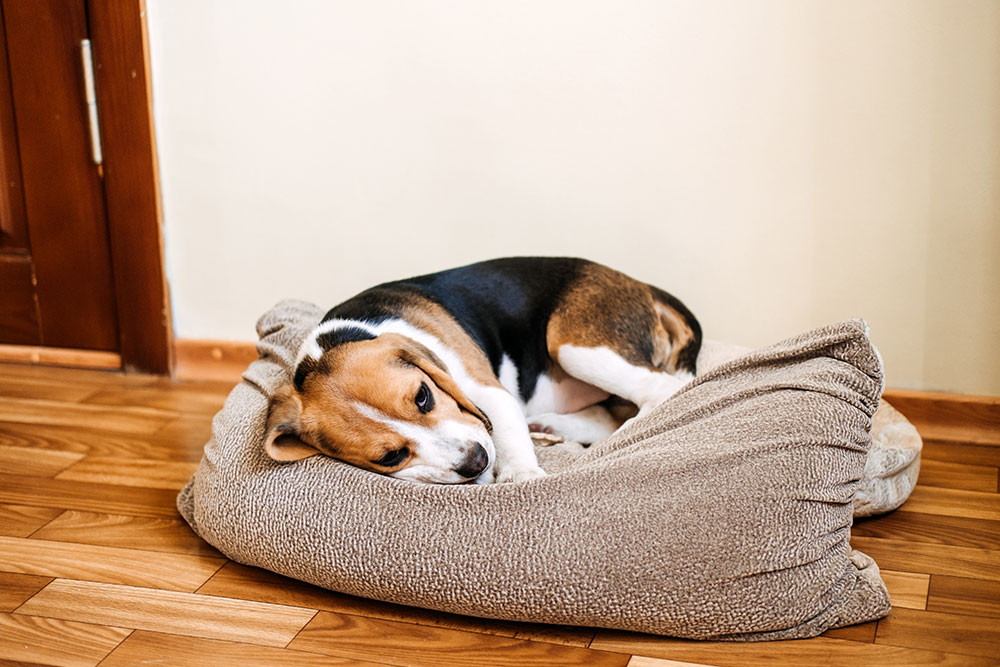
You’ve just brought home a new puppy, full of energy and excitement. Within days, they stop eating, become lethargic, and develop severe diarrhea. What seemed like a simple upset stomach quickly becomes a life-threatening emergency. This scenario plays out too often with canine parvovirus, one of the most dangerous viral infections affecting dogs.
Parvovirus attacks rapidly dividing cells in a dog’s intestines, causing severe vomiting, diarrhea, and dehydration- especially in puppies. It spreads easily but is completely preventable through vaccination and hygiene. Quick action saves lives when exposure occurs.
At The Vale Veterinary Group, our RCVS-accredited team provides comprehensive small animal care, including expert guidance on preventing and treating parvovirus. Understanding this disease empowers you to protect your dog through vaccination, early detection, and prompt action.
Recognizing the Warning Signs of Parvovirus
Early detection of canine parvovirus symptoms dramatically improves survival rates. The virus moves quickly, and recognizing symptoms within the first 24 to 48 hours allows veterinarians to begin life-saving supportive care before severe dehydration and organ damage occur.
Common symptoms include:
- Severe, often bloody diarrhea with a distinctive foul odor
- Persistent vomiting that prevents eating or drinking
- Extreme lethargy and weakness
- Complete loss of appetite
- Fever followed by hypothermia in advanced cases
Puppies between six weeks and six months are most vulnerable, though unvaccinated adult dogs can also contract the virus. Canine diarrhea caused by parvovirus differs from typical stomach upset because it progresses rapidly and becomes bloody within hours.
The virus destroys the lining of the intestinal tract, preventing nutrient absorption and allowing bacteria to enter the bloodstream. Without treatment, severe dehydration and septic shock can occur within 48 to 72 hours of the first symptoms.
If your dog shows any combination of these signs, contact our emergency services immediately. We provide 24/7 emergency care for registered clients, ensuring your dog receives urgent attention when every minute counts.
How Parvovirus Spreads Through Dog Populations
Understanding Transmission and Environmental Persistence
Canine parvovirus is extraordinarily contagious and resilient. The virus spreads through direct contact with infected dogs and their feces, but it also survives on contaminated surfaces for months or even years.
Common transmission routes include:
- Direct nose-to-nose contact with infected dogs
- Contaminated food bowls, leashes, and bedding
- Shoes, clothing, and hands of people who’ve contacted the virus
- Soil, grass, and pavement in areas where infected dogs have been
The virus thrives in environments where multiple dogs gather, such as parks, kennels, and veterinary clinics. Even after an infected dog recovers, they can shed the virus in their feces for several weeks, continuing to pose a risk to unvaccinated dogs.
Parvovirus resists most household cleaners, requiring specific disinfectants containing bleach to effectively kill it on surfaces. This environmental persistence makes prevention through vaccination absolutely critical.
Our routine healthcare services include comprehensive vaccination protocols designed to protect puppies during their most vulnerable months. We also provide detailed guidance on environmental management if your household has experienced parvovirus exposure.
Veterinary Treatment: Fighting Parvovirus With Intensive Care
Hospitalization and Supportive Therapy
Parvovirus has no cure, so treatment focuses on supporting the dog’s body while their immune system fights the infection. This requires intensive veterinary care, often lasting several days.
Standard treatment protocols include:
- Intravenous fluid therapy to combat severe dehydration
- Electrolyte replacement to restore balance
- Anti-nausea medications to control vomiting
- Antibiotics to prevent secondary bacterial infections
- Nutritional support once vomiting subsides
- Pain management and temperature regulation
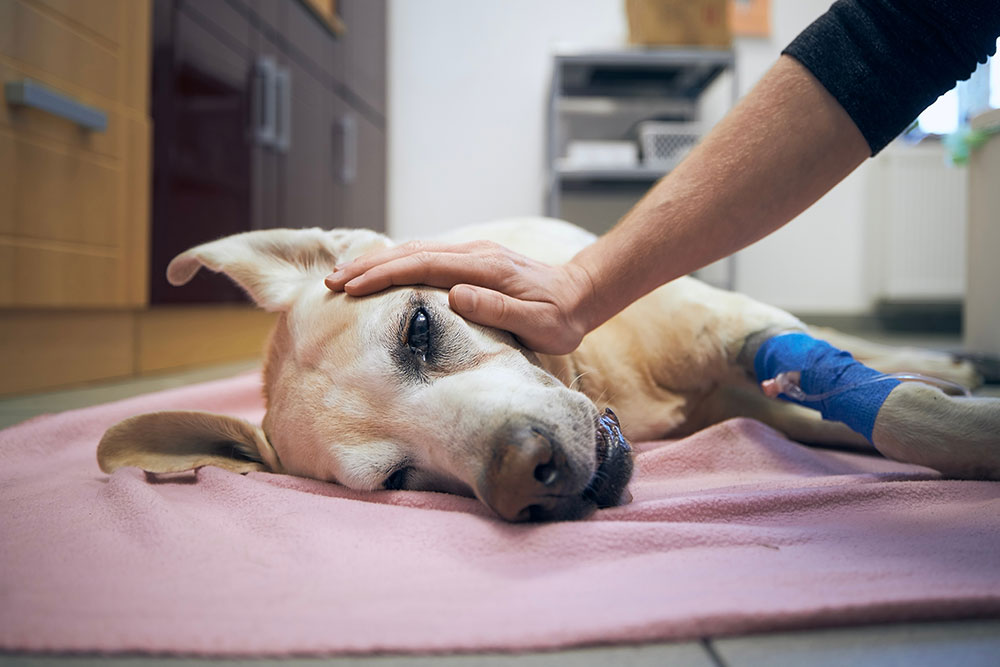
Emergency veterinary care for parvovirus demands constant monitoring. Dogs receive IV fluids around the clock, and veterinary teams check vital signs every few hours to detect complications early.
Survival rates improve dramatically with prompt, aggressive treatment. Dogs who receive care within 24 hours of symptom onset have survival rates of 80 to 90 percent, compared to less than 50 percent for those who wait longer.
At The Vale Veterinary Group, our in-house laboratory testing allows rapid diagnosis, and our 24/7 emergency service ensures your dog receives immediate stabilization and treatment. Our experienced team has successfully treated numerous parvovirus cases, providing the intensive care necessary for recovery.
Vaccination: Your Dog’s Best Defense Against Parvovirus
Core Vaccines and Protective Immunity
Vaccination remains the most effective way to prevent canine parvovirus. The parvovirus vaccine is considered a core vaccine, meaning it’s recommended for all dogs regardless of lifestyle.
Typical vaccination schedules include:
- Initial puppy series starting at 6 to 8 weeks of age
- Booster shots every 3 to 4 weeks until at least 16 weeks old
- First adult booster at one year of age
- Subsequent boosters every one to three years based on lifestyle risk
Puppies receive maternal antibodies from their mother, but these fade between 6 and 16 weeks, creating a vulnerable window. This is why the puppy series includes multiple doses- to ensure protection as maternal immunity wanes.
Our new puppy services include free puppy checks and comprehensive vaccination planning. We work with you to create a schedule that provides maximum protection while considering your puppy’s individual risk factors.
Understanding when pet emergencies require immediate attention helps you act quickly if your vaccinated dog shows unusual symptoms. While breakthrough infections are rare, they can occur if a dog’s immune response is compromised.
Home Care During Recovery and Beyond
Supporting Your Dog After Hospitalization
Once your dog is stable enough to leave hospital care, home monitoring becomes essential. Recovery from parvovirus takes time, and vigilance prevents relapse.
Post-treatment care includes:
- Offering small, frequent meals of bland, easily digestible food
- Ensuring constant access to fresh water
- Maintaining a clean, stress-free environment
- Watching for recurring vomiting or diarrhea
- Isolating the recovering dog from unvaccinated animals
Home exam tips for sick pets help you monitor hydration status, energy levels, and appetite. Checking gum color, skin elasticity, and temperature provides valuable information about your dog’s recovery progress.
Environmental decontamination is crucial if your home has been exposed to parvovirus. Bleach solutions effectively kill the virus on hard surfaces, but soft furnishings and carpets may need professional cleaning or replacement.
Financial Considerations for Parvovirus Treatment
Planning for Unexpected Veterinary Costs
Parvovirus treatment is expensive, typically ranging from £1,000 to £3,000 or more depending on the severity and length of hospitalization. These costs reflect the intensive nature of care required to save a dog’s life.
Treatment expenses include:
- Initial diagnostic testing and emergency stabilization
- Multi-day hospitalization with 24-hour monitoring
- Intravenous fluids and medications
- Laboratory work to track recovery progress
- Follow-up examinations and supportive care
Understanding pet insurance options before illness strikes provides financial security. Many policies cover parvovirus treatment if purchased before symptoms appear, though pre-existing conditions are typically excluded.
The cost of owning a dog extends beyond routine care, and unexpected emergencies like parvovirus can create significant financial strain. Our Premier Paws Club preventative healthcare plan helps manage routine costs, allowing you to budget for wellness while maintaining savings for emergencies.
Vaccination costs are minimal compared to treatment expenses, making prevention not only the safest but also the most economical choice. Our free puppy checks help new owners establish proper preventive care without added financial burden.
When Immediate Veterinary Attention Becomes Critical
Certain symptoms indicate animal emergencies requiring immediate professional intervention. With parvovirus, waiting even a few hours can mean the difference between life and death.
Contact us immediately if your dog experiences:
- Bloody diarrhea or vomit
- Inability to keep down water
- Collapse or extreme weakness
- Pale or white gums
- Body temperature below 99°F or above 104°F
As registered clients receive 24/7 emergency access, establishing care before an emergency ensures your dog receives immediate attention when a crisis strikes.
Protecting Your Dog Through Prevention and Vigilance
Canine parvovirus remains a serious threat, but it’s entirely preventable through proper vaccination and hygiene practices. The combination of core vaccines, environmental awareness, and early symptom recognition protects dogs from this deadly disease.
At The Vale Veterinary Group, our comprehensive approach includes preventive care, emergency services, and expert treatment when exposure occurs. Whether you’re welcoming a new puppy or maintaining your adult dog’s health, our RCVS-accredited team provides the guidance and care your dog needs.
Call us today or schedule an appointment to discuss your dog’s vaccination status and create a prevention plan that protects them for life.




Leave A Comment