
When Straining Means Trouble: Recognizing Urinary Blockage in Male Cats
If your cat visits the litter box repeatedly but produces little or no urine, it’s probably not constipation- it could be a dangerous blockage. Prompt treatment relieves pressure, prevents toxins from building up, and saves lives.
At The Vale Veterinary Group, our team provides 24/7 emergency care, ensuring that when urinary emergencies strike, help is always available. Recognizing early warning signs and acting quickly can mean the difference between a full recovery and a life-threatening crisis.
What Happens During a Feline Urinary Obstruction
A urinary obstruction occurs when the urethra becomes blocked by crystals, stones, mucus plugs, or inflammatory debris. Male cats are especially vulnerable because their narrow, curved urethra can close completely within hours.
When urine cannot exit the bladder, pressure builds rapidly. The kidneys continue producing urine with nowhere for it to go, causing the bladder to stretch painfully. Within 24 to 48 hours, toxins that should be eliminated through urine accumulate in the bloodstream, leading to kidney injury, electrolyte imbalances, and dangerous heart changes.
Without immediate veterinary intervention, a blocked cat can deteriorate quickly:
- Severe pain and distress as the bladder becomes overfilled
- Dangerous potassium buildup affecting heart rhythm
- Rapid decline in kidney function and rising toxin levels
- Cardiovascular collapse and death within 48–72 hours
Urethral obstruction in cats represents one of the most urgent conditions in feline medicine. If you suspect your cat cannot urinate, contact our emergency services immediately.
Why Male Cats Develop Urethral Blockages
Understanding what causes blockages helps owners identify risk factors and take preventive steps. While female cats can develop urinary issues, complete obstruction almost always occurs in males due to anatomical structure. Feline Urinary Tract Disease (FLTUD) has multiple underlying causes.
Crystal Formation and Bladder Stones
When urine becomes too concentrated, minerals can crystallize and form stones that lodge in the urethra. The two most common types are struvite crystals, which form in alkaline urine, and calcium oxalate crystals, which form in acidic urine.
Diet plays a major role in crystal development. Cats that eat mostly dry food often don’t get enough moisture, producing concentrated urine that encourages crystal formation. Urinary stones vary in composition, and analyzing them in a laboratory helps guide treatment and prevention.
Feline Idiopathic Cystitis and Mucus Plugs
Many cats develop blockages not from stones but from sterile inflammation of the bladder wall. Feline idiopathic cystitis causes the bladder lining to secrete mucus and cellular debris that can combine with crystals to form obstructive plugs.
Stress is one of the most powerful triggers. Environmental changes, new pets, moving house, or disruptions to routine can spark flare-ups. Cats with idiopathic cystitis benefit from stress reduction strategies such as consistent feeding times, multiple litter boxes, and enrichment activities that promote calm and confidence.
Bacterial Infections and Inflammation
Although less common, bacterial urinary tract infections can contribute to obstruction by creating inflammation and altering urine chemistry.
Our in-house laboratory allows for fast urine culture and sensitivity testing, ensuring antibiotics are used only when infection is confirmed. Accurate diagnosis avoids unnecessary medications and supports faster recovery.
Recognizing the Warning Signs Before Complete Blockage Occurs
Early detection saves lives. Cats with partial obstruction can worsen within hours, making vigilance essential.
Watch for these red flags:
- Frequent trips to the litter box with little or no urine
- Straining or crying while attempting to urinate
- Licking the genital area repeatedly
- Blood-tinged urine or small drops outside the litter box
- Hiding, lethargy, or aggression
- Vomiting, loss of appetite, or abdominal tenderness
Because cats instinctively hide pain, subtle changes in posture or behavior can signal distress. The Feline Grimace Scale helps owners spot pain through facial expression changes like ear position, whisker direction, and squinting.
If your cat shows any combination of these signs, contact The Vale Veterinary Group immediately. Our team provides urgent care for situations requiring same-day evaluation.
How Veterinarians Diagnose Urinary Obstructions
When a blocked cat arrives, our veterinarians perform an immediate physical exam, focusing on bladder size, firmness, and comfort level. A distended, firm bladder that cannot be expressed confirms obstruction.
Bloodwork checks kidney function, toxin buildup, and electrolyte levels, particularly potassium, which can become dangerously high.
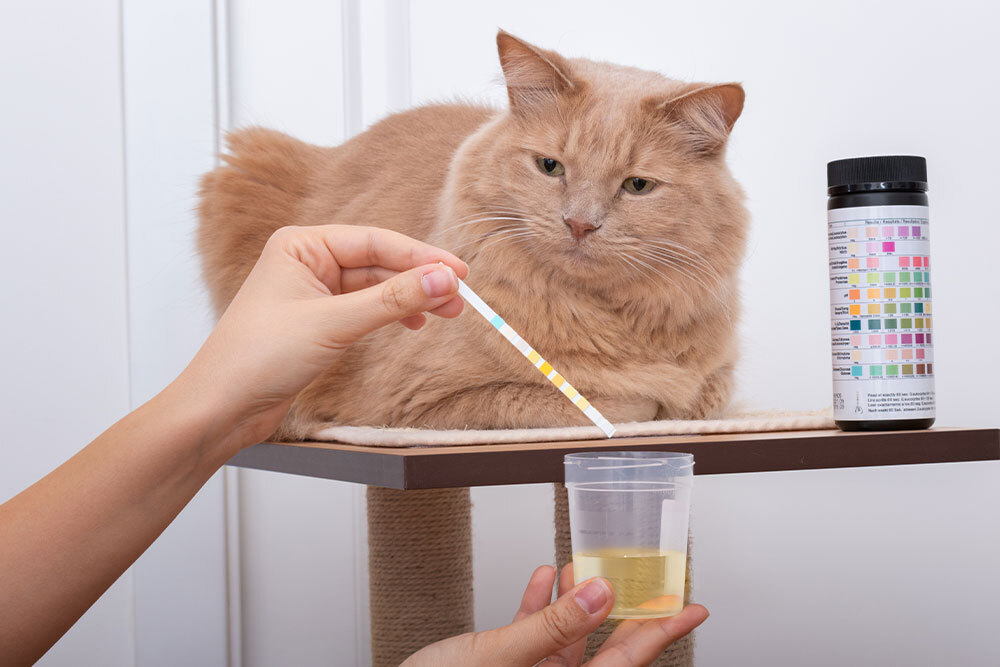
Urinalysis identifies crystals, blood cells, and mucus. Results from our diagnostic laboratory are available quickly, helping guide treatment.
Imaging such as X-rays or ultrasound helps detect stones, inflammation, or underlying structural problems. These tools ensure a complete understanding of the blockage and its cause.
Emergency Treatment Protocols Save Lives
Treating a urinary blockage involves relieving pressure, stabilizing internal balance, and preventing recurrence.
Fluids and Stabilization
Intravenous fluids correct dehydration, flush out toxins, and restore electrolyte balance. Careful monitoring prevents complications from fluid overload or rapid electrolyte shifts.
Pain Management and Urethral Relaxation
Pain relief reduces suffering and allows easier catheterization. Medications may also relax the urethra, easing the passage of a urinary catheter without trauma.
Urethral Catheterization
A soft catheter is carefully passed through the urethra to clear the blockage and drain the bladder. The bladder is flushed with sterile saline to remove debris and crystals. The catheter often remains in place for 24–72 hours to allow healing and continuous urine flow under close hospital supervision.
Ongoing Monitoring and Support
After unblocking, our team monitors urine output, appetite, and comfort. Kidney values are rechecked to ensure recovery. If infection is confirmed, targeted antibiotic therapy is prescribed. Most cats begin feeling noticeably better within 24 hours.
Surgical Solutions for Recurrent Cases
Some male cats experience repeated blockages despite dietary management and medical therapy. In these cases, perineal urethrostomy provides a long-term solution.
The procedure widens the urethral opening by removing its narrow section and creating a new outlet where the diameter is larger. Although recovery requires time and careful nursing, it dramatically reduces recurrence risk.
Surgery does not eliminate inflammation or crystal risk, but it removes the anatomical bottleneck that causes complete obstruction. The Vale Veterinary Group’s surgical team performs this procedure with precision and comprehensive postoperative support.
Prevention Strategies for Long-Term Urinary Health
Once a cat has had a urinary blockage, prevention becomes a lifelong priority.
Encourage Hydration
Hydration keeps urine dilute and prevents crystal formation. Wet food contains much more moisture than dry kibble, supporting natural water intake. Some cats drink more readily from running water; pet fountains and multiple water bowls in quiet locations can help.
Specialized Diets
Prescription urinary diets balance mineral content and control urine pH to discourage crystal growth. Your veterinarian can recommend a diet suited to your cat’s specific needs. Our routine healthcare services include nutritional counseling for cats prone to urinary issues.
Stress Reduction
Cats are sensitive to stress, which can trigger feline idiopathic cystitis. Providing predictable routines, interactive play, and enrichment reduces flare-ups. The Indoor Pet Initiative offers excellent strategies for creating stress-free environments.
Litter Box Management
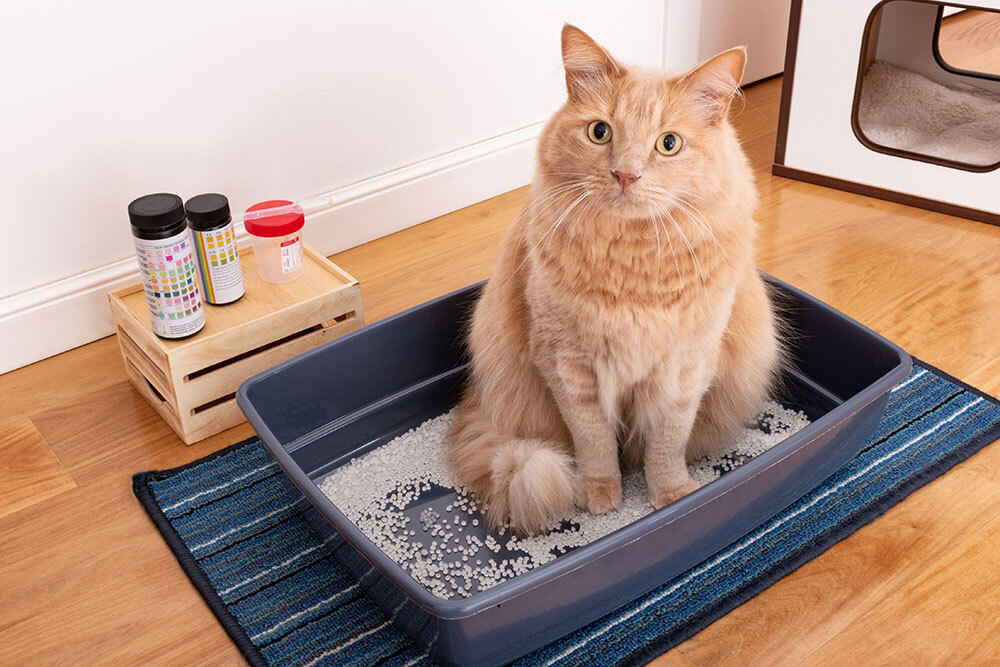
A clean, accessible litter box encourages normal urination. Best practices include one box per cat plus one extra, quiet placement, and daily cleaning. Cats with urinary issues often prefer large, open boxes with unscented litter.
Protecting Your Cat Through Vigilant Care
Urinary blockages are among the most serious emergencies male cats face, but with prompt recognition and treatment, most recover fully.
At The Vale Veterinary Group, we provide complete small animal care, from emergency stabilization and advanced surgery to preventive wellness plans.
If you notice your cat straining, crying, or visiting the litter box frequently without results, act immediately. Contact us for emergency guidance or to schedule an examination.
Early intervention is the key to recovery- and the fastest way to help your cat feel comfortable, healthy, and back to normal.





Leave A Comment