
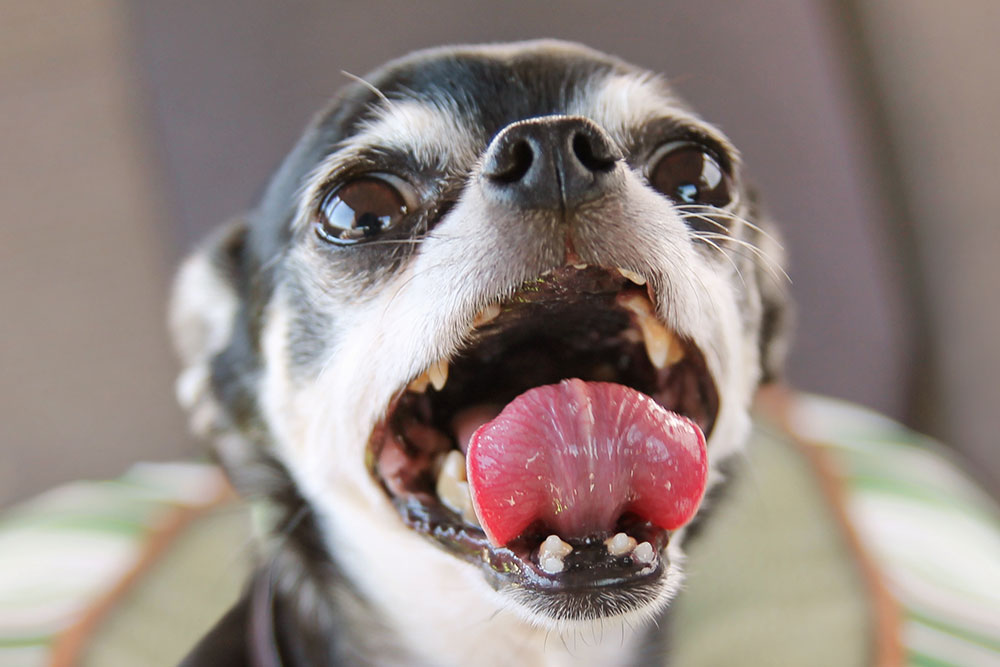
Snoring and Struggling: Understanding Airway Problems in Flat-Faced Dogs
Bulldogs, Pugs, and other short-nosed breeds often snore due to structural airway limitations. What may sound endearing can actually indicate restricted airflow and potential respiratory distress. Veterinary assessment and, when needed, corrective surgery can dramatically improve comfort and breathing efficiency.
At The Vale Veterinary Group, our team provides comprehensive small animal care with advanced diagnostics and surgical expertise. Whether your dog needs routine monitoring or specialized intervention, we’re here to help them breathe more easily and live more comfortably.
What Makes Brachycephalic Dogs Different
If your dog snores loudly, tires easily, or struggles in warm weather, their skull shape may be influencing how well they breathe. Understanding how anatomy affects health helps you recognize when snoring becomes a sign of something more serious.
Brachycephalic dogs such as Bulldogs, French Bulldogs, Pugs, Boston Terriers, and Shih Tzus have shortened skulls that create their characteristic flat faces and wide-set eyes. This same structure, however, crowds the nasal passages, soft palate, and throat. With the same amount of tissue packed into a smaller space, airflow becomes restricted, and breathing takes more effort.
Common brachycephalic breeds include:
- English and French Bulldogs
- Pugs and Boston Terriers
- Shih Tzus and Pekingese
- Cavalier King Charles Spaniels and Boxers
While their affectionate personalities and expressive faces make them popular, their anatomy leads to lifelong respiratory challenges. Routine monitoring through regular healthcare allows veterinarians to detect early warning signs and prevent complications from worsening.
Airway Complications That Go Beyond Snoring
What starts as mild snoring may actually point to structural problems that restrict oxygen flow. Over time, these changes can damage the respiratory system and affect heart and organ health. Brachycephalic Obstructive Airway Syndrome (BOAS) is the collective term for several abnormalities that commonly affect flat-faced dogs.
Each component of BOAS contributes to breathing difficulty in a slightly different way, and when they occur together, the result can be severe, chronic respiratory compromise.
- Stenotic naresoccur when the nostrils are too narrow to allow normal airflow. Affected dogs may flare their nostrils, breathe noisily, or pant excessively even at rest. Over time, this extra effort increases negative pressure within the airways, leading to inflammation and collapse of surrounding tissues. Dogs with severe narrowing often rely on open-mouth breathing, which reduces their ability to cool themselves and raises the risk of heatstroke.
- An elongated soft palateoccurs when the soft tissue at the back of the throat is longer than normal and extends into the airway. As the dog breathes, the tissue vibrates and can be pulled into the larynx, creating gagging, choking, or snorting sounds. Chronic irritation thickens the tissue further, gradually worsening the obstruction. Surgical shortening of the palate can significantly improve airflow and reduce distress.
- Hypoplastic trachearefers to an abnormally narrow windpipe that restricts the movement of air to and from the lungs. This is a congenital condition seen most often in Bulldogs and Pugs. Puppies may cough or struggle during play, while adults often show limited stamina or wheezing that becomes worse in humid weather. A narrow trachea also increases anesthesia risk, which is why brachycephalic pets should always be treated by veterinarians experienced with airway-sensitive breeds.
- Everted laryngeal sacculesdevelop as a secondary problem when dogs repeatedly strain to breathe. The small tissue pouches inside the larynx become inflamed and are drawn into the airway, further narrowing the passage and creating loud snoring or rasping sounds. This can progress to laryngeal collapse if not corrected, at which point emergency surgery may be required to restore airflow.
In advanced cases, these structural problems work together to cause chronic respiratory distress. Dogs may sleep sitting upright to keep their airways open, avoid exercise, or faint during excitement or heat. Over time, oxygen deprivation affects the heart, liver, and brain, reducing both lifespan and quality of life.
Surgical correction for BOAS is tailored to the dog’s individual anatomy. Procedures may include widening the nostrils, trimming the elongated soft palate, or removing everted tissue from the larynx. Recovery is typically rapid when performed before irreversible damage occurs.
At The Vale Veterinary Group, our surgical team uses advanced imaging and airway evaluation to plan every procedure precisely. Careful monitoring, oxygen support, and gentle postoperative management help ensure a safe recovery and lasting improvement in comfort and breathing ability.
Other Health Issues in Flat-Faced Breeds
Brachycephalic dogs are prone to several conditions beyond breathing difficulties. Their compact skulls and shallow eye sockets make them vulnerable to dental, eye, and even reproductive problems.
Dental and Jaw Abnormalities
Crowded teeth and jaw misalignment are common in short-nosed breeds, leading to malocclusion and dental crowding. Food can become trapped between teeth, increasing the risk of infection and gum disease. Routine dental cleaning and at-home care are essential to prevent pain and tooth loss.
Eye Problems
Because their eyes protrude more than in other dogs, they are easily injured by dust or play. Corneal ulcers are particularly common and can appear as squinting, redness, or a cloudy surface on the eye. Entropion is a common issue, caused when the eyelids roll inwards and rub on the eye. Another common issue is cherry eye, which appears as a pink bulge in the corner of the eye caused by a prolapsed tear gland. Surgery may be required to restore normal function.Prompt veterinary treatment prevents scarring and vision loss.
Birthing Difficulties
Flat-faced dogs often experience birthing difficulties because of their broad heads and narrow pelvises. Planned breeding and veterinary supervision reduce risks for both mothers and puppies.
These additional health concerns make proactive care vital for every brachycephalic breed. Early detection and consistent monitoring help prevent complications and keep pets comfortable throughout their lives.
Weight Management and Heat Awareness
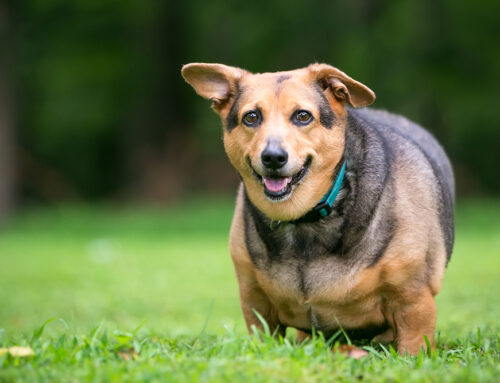
Excess body weight adds pressure to the chest and throat, making breathing more difficult. Because brachycephalic dogs already struggle to cool themselves, obesity significantly increases the risk of overheating. Following heat safety tips for pet owners helps protect vulnerable dogs year-round.
Our veterinary team can create a personalized plan that supports healthy weight and reduces respiratory stress.

Recognizing When Breathing Becomes an Emergency
Even well-managed dogs can experience sudden airway distress. Signs that require urgent veterinary attention include:
- Labored or noisy breathing
- Excessive panting that does not stop with rest
- Blue or pale gums or tongue
- Gasping or collapsing during activity
- Panic or agitation due to lack of air
The Vale Veterinary Group provides emergency care when these signs appear. Our clinicians can stabilize breathing, provide oxygen support, and recommend long-term solutions to prevent recurrence.
Never ignore changes in breathing patterns, especially during warm weather or exercise. A single episode can indicate serious airway compromise.
Helping Your Dog Breathe and Live Better
Flat-faced breeds may face unique challenges, but with proper veterinary support, they can live long and happy lives. Regular checkups, tailored weight management, and early treatment for respiratory or eye conditions make a world of difference.
At The Vale Veterinary Group, we combine advanced diagnostics, surgical skill, and compassionate care to help brachycephalic pets thrive. Visit our pets homepage to learn more about our services or schedule a consultation for your dog’s breathing health.
With the right plan and ongoing support, every breath can be easier.




Leave A Comment