
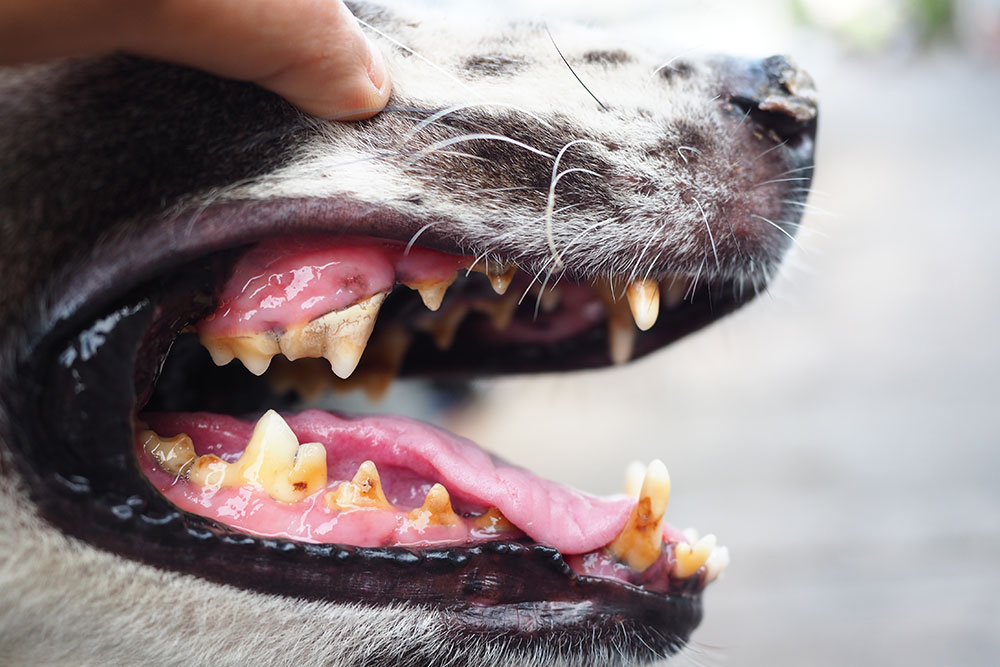
Bad teeth can harm your dog’s or cat’s heart, and the reason is simpler than it sounds. Gum disease is a live bacterial infection sitting in the mouth, keeping the gums swollen and quick to bleed. Every time your pet chews on those sore, infected gums, bacteria slip into the bloodstream, and some of them travel to the heart, where they can settle on the valves and inflame the lining. That risk is highest in pets who already have a heart murmur or a weakened valve, and it is one of the clearest reasons a dirty mouth is never just a cosmetic problem. Left alone, that constant trickle of infection quietly works against the rest of the body too.
Across Devon, The Vale Veterinary Group treats dental care for dogs and cats as part of keeping the whole animal well, with dental X-rays, scaling, and a full oral assessment under anaesthetic. We can show you exactly what is happening beneath the gumline, where most of the trouble hides, and shape a plan around your individual pet instead of a fixed routine. With centres in Cullompton, Tiverton, Honiton, and Uffculme, there is a branch near you wherever you are in the area. If something about your pet’s mouth is worrying you, or you would like a dental check booked in, get in touch and we will help you plan the next step.
The Mouth-Heart Link in Brief
- Gum disease is an ongoing infection, and the bacteria behind it can reach the heart, the kidneys, and the liver through the bloodstream over time.
- The connection between gum disease and heart problems shows up most clearly as damage to the heart valves, especially in small breeds.
- Pets who already have a heart murmur or valve disease face the greatest risk, since bacteria latch onto a weakened valve most easily.
- Most dental disease sits below the gumline out of sight, so a proper clean under anaesthetic with dental X-rays is the only way to find and treat it.
How Does Gum Disease Take Hold in the First Place?
Gum disease follows the same path in nearly every pet, and it restarts within hours of even a spotless clean. A soft, sticky layer of bacteria called plaque forms along the gum edge, then hardens into tartar within a couple of days, at which point brushing can no longer shift it. As it builds, the gums grow red and sore, which is gingivitis, and in time the infection begins destroying the bone and tissue anchoring each tooth, which is periodontal disease.
That off smell when your dog yawns near your face usually starts right here. The stages of periodontal disease run from that early, reversible gingivitis all the way through receding gums to bone loss and teeth falling out. The catch families rarely expect is that the brown tartar on the visible crowns is only the surface of it. Most of the real damage is happening under the gum, where you cannot see it, which is why a good look in the mouth at routine health checks is worth so much. Caught in that first stage, gum disease can still be turned around.
How Do Mouth Bacteria End Up at the Heart?
The route runs through the blood. Inflamed, bleeding gums are essentially an open wound packed with bacteria, and the mouth has a generous blood supply, so every chew presses some of those bacteria straight into the bloodstream. From there they circulate, and some reach the heart and stick to the valves, where they can spark a serious infection of the heart valves and inner lining. The parallel with people has been studied for years, and the relationship between oral health and the heart points the same way in our pets.
In dogs, the heart valves take the clearest hit. Mitral valve disease is the most common heart condition dogs develop as they age, particularly small breeds, and a long-running mouth infection adds to the strain on a valve that is already struggling. A weakened valve is the easiest place for circulating bacteria to take hold, so the two problems feed each other. On top of the direct infection, keeping the body in a constant low-grade inflamed state, year after year, wears on the heart in its own right.
Does Gum Disease Reach Any Other Organs?
The heart is not the only organ in the firing line. The same bacteria travelling through the bloodstream also reach the kidneys, where years of exposure drive inflammation, and the liver, which can become inflamed from the steady drip of infection. Some inflammatory joint problems have been tied to long-standing mouth infection as well. This is the whole reason we fold dental health into your pet’s wellness care rather than treating a grubby mouth as a tidiness issue. A sore, infected mouth is a drain on the entire body, and clearing it lifts far more than your pet’s breath.
Which Heart Signs Should You Keep an Eye On?
If your pet already has significant gum disease, knowing the signs of heart disease helps you act before things escalate, because the early clues are quiet and the serious ones are anything but. The table below sorts them by how quickly to respond.
| Sign to watch for | How quickly to act |
| A cough at night or after exercise | Book a check soon, keep watching |
| Tiring more easily on walks than before | Book a check soon, keep watching |
| Being off their food, restless, or slightly off | Book a check soon, keep watching |
| Breathing faster than 40 breaths a minute at rest | Same-day appointment |
| A cat breathing with its mouth open | Same-day appointment |
| Pale or blue-tinged gums, or a collapse | Emergency, ring straight away |
Heart disease tends to creep in slowly, and it is easy to put the early signs down to a pet simply ageing. Cats hide it especially well, so any sudden change in a cat’s breathing deserves a same-day call. Because our centres provide around-the-clock emergency care for registered clients, a pet in sudden distress outside normal hours still has somewhere to turn. A heart murmur is often first picked up at a routine check, before there is any outward sign at all, which is one more reason regular visits matter for a pet with an ongoing mouth infection.
Why Does a Proper Dental Need an Anaesthetic?
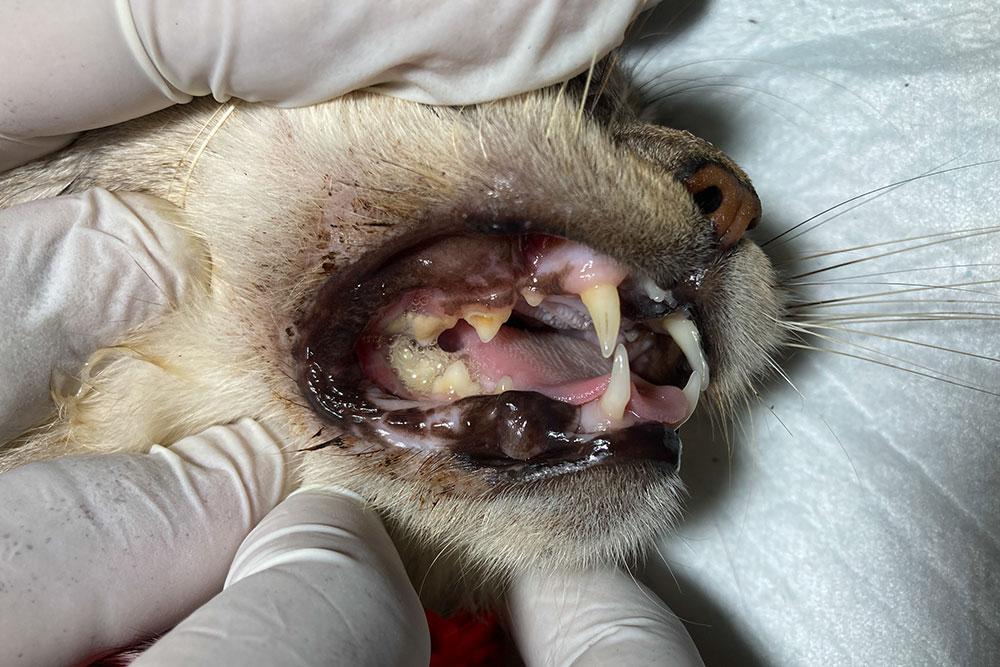
A dental worth doing happens under anaesthetic, because the disease that matters lives below the gumline, and there is no reaching it on a pet who is awake and wriggling. Without anaesthetic, all anyone can do is scrape the visible crowns, which leaves the infection at the roots completely untouched. Dental X-rays are just as essential, since roughly two-thirds of each tooth sits hidden beneath the gum, and only a radiograph reveals the bone loss and root infection lurking there.
Modern anaesthetic is far safer than many families fear, with protocols shaped around each pet’s age and health rather than a single template, which is a large part of why a dental today is a far safer prospect than it once was. A full procedure at our centres works through a careful, comfortable sequence:
- Pre-anaesthetic checks: Bloodwork and a physical once-over let us tailor the plan to your pet and sort out anything that needs handling first.
- Anaesthetic with full monitoring: Your pet stays asleep and comfortable while their vital signs are watched closely from start to finish.
- Full-mouth X-rays: Radiographs show what is happening at the roots and in the bone, guiding every decision that follows.
- Scaling above and below the gumline: Every surface is cleaned, then polished smooth to slow how fast plaque returns.
- Probing and charting: Each tooth is checked for pockets and looseness, building a clear map of the mouth.
- Treating or removing diseased teeth: Teeth too far gone to save are removed, which sounds drastic but usually leaves a pet far more comfortable.
- Recovery and aftercare: Your pet is watched as they come round, and you go home with pain relief and clear instructions.
If your pet already has a heart condition, an anaesthetic can still be given safely. We may suggest a chest X-ray and a scan of the heart first, and where teeth need removing or the work is more involved, dental surgery under a tailored anaesthetic is something we handle in-house, so a complicated mouth rarely means a trip elsewhere.
What Home Care Genuinely Keeps a Mouth Healthy?
A professional clean deals with what is already on the teeth. What you do at home in between decides how quickly the disease creeps back and how often another clean is needed. Brushing is the gold standard, and nothing else disrupts plaque the way a brush does. Start gently: let your pet lick a pet-safe toothpaste off your finger, build up to touching the teeth, then bring in a soft brush over days or weeks rather than all at once. Never reach for human toothpaste, since the fluoride and other ingredients are not made to be swallowed. Aim for daily, though a few times a week still beats the occasional go by a wide margin, and for a pet who simply will not have a brush, dental wipes are a fair substitute.
Beyond brushing, the VOHC seal is your shortcut past the marketing. It is granted only to chews, water additives, and diets that have actually been tested and shown to cut plaque or tartar. Dental diets use a larger, textured kibble that scrubs the tooth as your pet bites rather than shattering on contact, chews add useful abrasion, and water additives lower the bacteria load in the mouth. Stacking a few of these together works far better than leaning on any one, so brushing plus a VOHC chew plus a yearly clean does more than any single habit alone.
Here is the payoff worth holding onto: healthy gums do not bleed, and well-brushed teeth carry fewer bacteria, so staying on top of dental care genuinely lowers the odds of bacteria reaching your pet’s bloodstream at all. Protecting the mouth is a direct way to protect the heart.
Which Pets Should You Watch Most Closely?
Some pets carry more of this risk than others and are worth extra vigilance. Small breeds such as Yorkshire Terriers, Miniature Poodles, Dachshunds, and Cavalier King Charles Spaniels have high rates of both gum disease and mitral valve disease, so they sit at the sharp end of the mouth-heart link. Flat-faced breeds tend to have crowded teeth that trap tartar faster. Older pets carry years of accumulated plaque and are more likely to have early heart disease running alongside it. And any pet with a known heart murmur has all the more reason for a diligent dental routine, since a compromised valve is exactly what circulating bacteria seek out.
For these pets, steady home care and a yearly clean, or more often if we advise it, are well worth prioritising. We can build that into your pet’s preventive care plan at their next visit so nothing slips through the net.
Frequently Asked Questions About Dental and Heart Health in Pets
If my pet’s teeth look clean, can they still have gum disease?
They can, and it is one of the most common misunderstandings we come across. Most gum disease sits below the gumline where you cannot see it, so a mouth can look reasonably tidy from the outside while real bone loss and infection hide at the roots. That is exactly why dental X-rays under anaesthetic matter so much, since they reveal the two-thirds of each tooth a visual look can never reach. Clean-looking crowns are reassuring, but they are not the full picture.
Is an anaesthetic for a dental safe for my older pet?
For most older pets, yes, provided it is done carefully. Age on its own is not an illness, and modern anaesthetic is built around each pet’s individual health rather than a fixed formula. We run pre-anaesthetic bloodwork and a thorough check first, so any risks are known and managed and the plan is adjusted to suit your pet. In plenty of cases, the ongoing pain and infection of leaving gum disease alone pose a greater risk than a well-managed anaesthetic does.
How often should my pet have a professional dental?
Most adult dogs and cats do well with a clean once a year. Pets with active gum disease, broken teeth, or a known heart condition often need attention more often, while a pet with excellent home care and good luck in the genetics may stretch a little longer. We work this out with you at wellness checks, based on what we actually see in your pet’s mouth rather than a blanket rule.
Looking After the Mouth Is Looking After the Whole Pet
If you have ever wondered whether your pet’s teeth might be quietly troubling their heart, that is exactly the sort of question worth bringing to a team who knows your pet. We take mouths seriously because we take the whole animal seriously, and a healthy, pain-free mouth pays off across the body, from the heart to everyday comfort.
The kindest time to act is before a small problem turns into a painful one, so please do not wait for a mouth to worsen before asking about it. Bring us your questions and we will talk them through honestly. To arrange a dental check or chat through what your pet needs, reach out to your nearest branch and we will help you plan the right next step.






Leave A Comment