
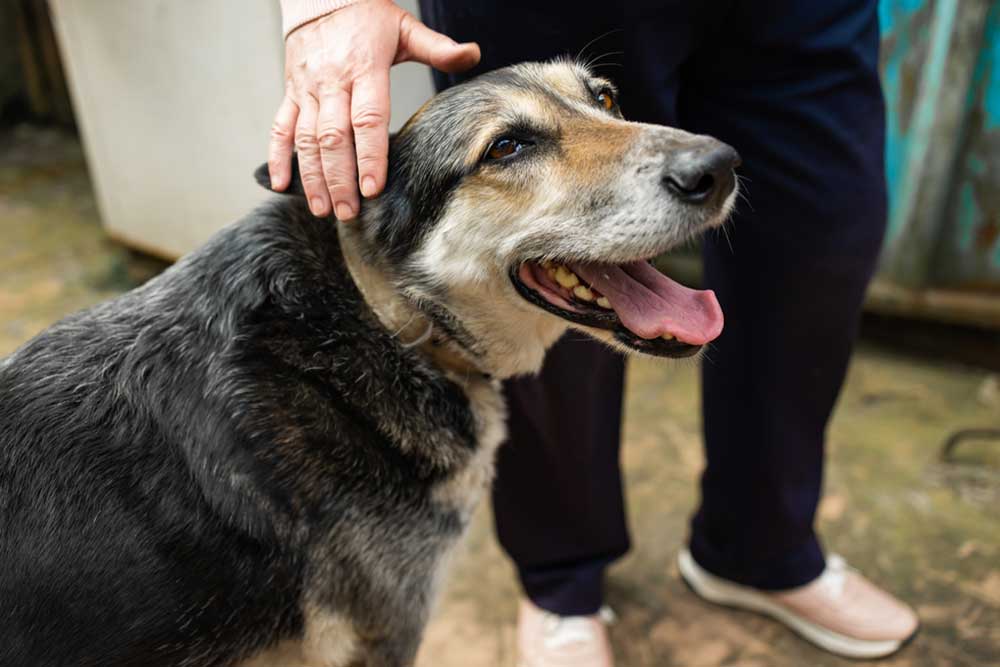
A ramp up to the car, non-slip runners over slippery floors, and a steady daily routine can genuinely change how comfortably an older dog or cat gets through the day. Cats quietly stop jumping onto the windowsill and dogs start hesitating at the bottom of the stairs, hiding the discomfort behind these changes rather than complaining about it. Some of that slowing down is normal ageing, but some points to arthritis pain, illness, or early cognitive change that deserves a proper check, and the right home set-up works best alongside veterinary care that addresses whatever is driving the stiffness.
The Vale Veterinary Group runs Creaky Clinics for older pets across our Devon centres, nurse-led check-ups designed to pick up age-related disease early and talk through practical ways of keeping an older dog or cat comfortable at home. If the slowing down looks like more than simple ageing, we can examine the painful joints, take X-rays, and build a comfort plan together. Get in touch if your pet has started hesitating at the stairs, and we will help you work out what is simply age and what we can treat.
The Short Version for Creaky Joints
- Small home changes such as ramps, non-slip rugs, low-sided litter trays, and raised bowls take daily strain off stiff joints and let an older dog or cat keep their usual habits without a struggle.
- Much of what looks like “just getting old” (a reluctance to jump, a slow rise from bed, less grooming) is treatable pain rather than something to simply accept.
- Senior pets do best with a check-up every six months, because bloodwork and urine screens catch kidney, liver, and thyroid changes long before your pet looks unwell.
- Modern medications, integrative therapies, good nutrition, and a comfortable home work together, and the earlier that combination starts, the more mobility and quality of life it protects.
How Do I Know if My Older Pet Is in Pain or Just Slowing Down?
Some slowing down comes with age, but a pet rarely cries out when something aches, so the common signs of pain are quieter: a pause before jumping onto the sofa, a slow rise from bed, panting at rest, or a once-sociable dog who keeps to themselves. Cats mask discomfort even better, so a cat in pain often grooms less, avoids the high perches they used to claim, and sleeps in a tucked, hunched shape more of the day.
The shifts to watch for are small and easy to explain away:
- Movement: Trouble getting up after a nap, stiffness that eases once they warm up, or a new hesitation at stairs, thresholds, or the car boot.
- Grooming and coat: A cat who stops grooming their lower back, or a dog licking repeatedly at one joint.
- Mood and habits: Withdrawal, irritability when touched in one spot, or a pet who no longer greets you at the door.
- Toileting: A cat missing the litter tray because climbing in over a high side hurts.
Any one of these can point to arthritis, dental pain, or early cognitive change, and none is simply “old age” until we’ve ruled the rest out. A routine health check helps you read the difference between a normal grey muzzle and a pet who’s quietly hurting.
How Often Should a Senior Dog or Cat See the Vet?
Most senior dogs and cats do best with a full check every six months, because a lot can change in an older body over twelve months. At these visits we track weight, listen to the heart, feel the joints and muscling, and run screening tests that catch disease while it’s still easy to manage. Preventive testing flags shifts in kidney, liver, and thyroid function months before a pet looks unwell, and trends matter more than any single number: a kidney value that climbs a little each visit tells us far more than one result read in isolation. Those numbers also tell us which medications are safe to prescribe, which matters for arthritis pain treatment. Our in-house diagnostics let us build that picture and act on it early.
Between routine visits, some signs can’t wait. Come in the same day, or call your nearest branch, if you notice:
- Breathing: Laboured, fast, or open-mouth breathing, especially in a cat resting quietly.
- Gut: Persistent vomiting, diarrhoea, or a complete loss of appetite for more than a day.
- Collapse or weakness: Sudden wobbliness, fainting, or back legs that give way.
- Distress: Straining to pass urine, a swollen belly, or obvious pain that comes on quickly.
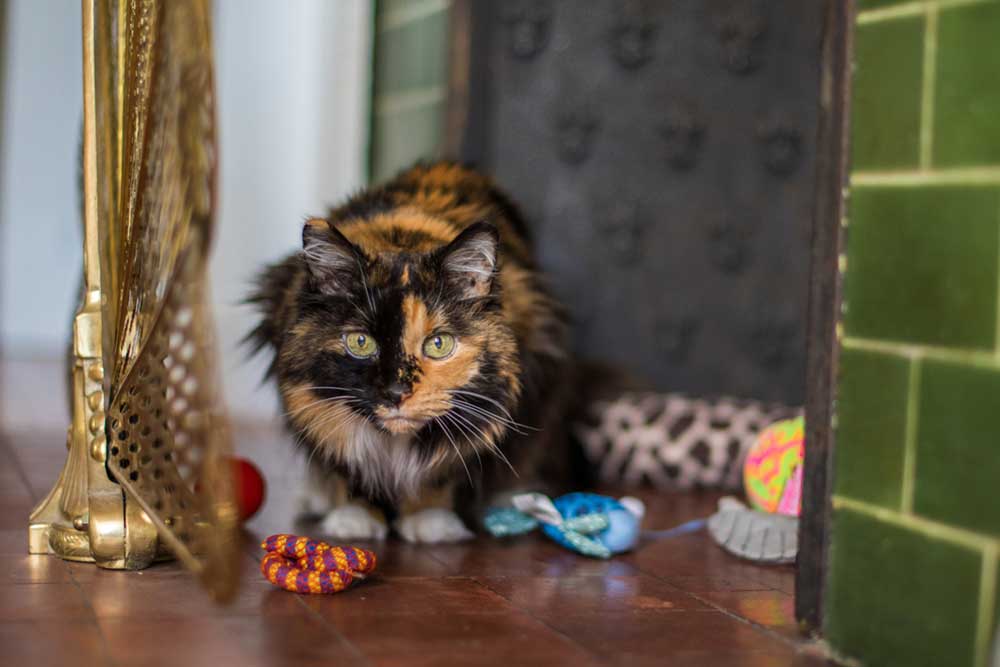
What Can Be Done About Arthritis and Joint Pain in Older Pets?
Arthritis is a progressive wearing of the joints that affects a large share of senior dogs and cats, and it responds well to treatment, especially early, before a pet is severely stiff. Feline arthritis goes undiagnosed far more often than the canine kind, and senior cat care largely comes down to noticing the leaps they no longer take rather than waiting for an obvious hobble.
Early pain control does more than take the edge off a bad day: it keeps a pet moving, which maintains the muscle that supports the joint and heads off the spiral where pain leads to stillness, stillness to weakness, and weakness to more pain. No two pets are the same, so our small animal care matches a multimodal plan to your dog or cat’s lifestyle, weight, and other conditions.
What Are the Best Treatments for Mobility and Comfort in Senior Pets?
The most effective plans combine modern pain medication with hands-on and integrative therapies, so relief comes from several directions at once.
Medication Options for Pain Relief
Non-steroidal anti-inflammatory drugs, or NSAIDs, are the pain relief option that has been used for years to relieve arthritis pain, but isn’t always the right option for pets with kidney or liver problems. For pets that can’t use them, or if they aren’t enough to control the pain, newer injectable medications are available. For dogs, a monthly antibody injection called Librela now targets arthritis pain at the nerve level, dialling down the signal that makes a worn joint hurt rather than only masking it. Cats have their own version, Solensia, given monthly to help an older cat move, groom, and climb more comfortably. These monoclonal antibody treatments sit alongside traditional anti-inflammatories where appropriate. There are a number of other pain relief medication options available, and we’ll talk through what’s right for your individual pet.
Rehabilitation to Keep Your Pet Moving
Medication works better alongside movement, and rehabilitation for arthritis rebuilds the muscle that cushions a worn joint through targeted exercises, controlled activity, and hands-on therapy. Supportive options can be layered in depending on what suits your pet:
- Water-based work: Hydrotherapy lets a stiff dog exercise with the water taking the weight off sore joints, building strength without the pounding of a normal walk.
- Targeted therapies: Laser therapy uses light to ease inflammation in a painful joint. Acupuncture is a long-standing option for arthritic pets, using fine needles to help manage pain.
- Home routines: Gentle warm-ups before a walk and a slow cooldown afterwards loosen stiff joints and lower the chance of a next-day flare.
At home steady lead walks suit an arthritic dog far better than one long weekend hike across the Devon hills, and gentle play keeps a cat supple. Nurse-led progress checks help us track how your pet is responding and fine-tune the plan, and we’re happy to talk you through which home exercises are safe. We often recommend Integrated Veterinary Services for rehabilitation and acupuncture services to help pets with chronic pain.
How Do I Make My Home More Comfortable for an Ageing Dog or Cat?
A few thoughtful changes put everything an older pet needs within easy, pain-free reach. For an ageing pet, home adjustments matter as much as medicine. A handful of modifications for cats and a few household adjustments for dogs make a world of difference:
- Traction: Non-slip rugs or runners over slick floors give a wobbly dog secure footing where paws would otherwise slide. Slip-on nail grips, booties with rubber bottoms, and keeping toe hair well trimmed can also help with slipping.
- Balance: Slings and harnesses help wobbly pets keep up with their daily walk or make it up the stairs without the risk of slipping.
- Access: Ramps to the sofa, bed, windowsill, or car, and low-sided litter trays for cats, remove the jumps and high steps that hurt.
- Rest: Soft, supportive bedding in a warm, draught-free spot eases pressure on sore joints, and having it downstairs saves a painful climb. Add a heating pad on chilly nights.
- Everyday needs: Raised food and water bowls, plus several extra water stations around the home, mean less bending and less travelling for a drink.
Good home set-up is one part of everyday care for older dogs and cats, and we’re glad to suggest changes tailored to your pet’s mobility and safety.
What Should a Senior Pet Eat, and How Do I Manage Their Weight?
Body condition is one of the biggest levers you have over an older pet’s comfort and lifespan, because every extra kilogram loads already sore joints. Learning to check your pet’s body condition score (feeling for the ribs and a defined waist) lets you catch a change between visits rather than relying on the number on the scales alone.
Weight moves in both directions in the senior years:
- Too much: Extra weight is common, preventable, and hard on joints and organs alike, and a simple weigh-in at each visit keeps you ahead of it.
- Too little: Weight loss in a senior pet is rarely harmless, often the first sign of kidney disease, an overactive thyroid, or diabetes.
Joint supplements with omega-3 fatty acids and glucosamine can play a supporting role in an arthritis plan, and we can advise on which are worth using. Senior nutrition is a balancing act: enough high-quality, digestible protein to hold on to muscle, with calories matched to a slower metabolism so the scales don’t creep upwards. Muscle matters too: a pet who holds their weight but quietly loses muscle over the joints isn’t truly thriving, so that loss is worth flagging with us.
How Do I Know When My Senior Pet Is Still Enjoying Life?
Quality of life is best judged by trends over days and weeks, not by one hard afternoon, weighing the physical (pain, appetite, mobility) alongside the emotional (whether your pet still engages with the family). A quality-of-life scale turns that overwhelming question into something you can measure, and keeping a simple diary of the good days and the harder ones often reveals a direction that day-to-day worry hides. Many pets have a long, comfortable stretch left in them once pain is properly managed.
When the balance does start to tip, comfort-focused care has a lot to offer: palliative and hospice support keeps a pet settled and pain-free at home, letting families concentrate on good days rather than difficult procedures. These are gentle, individual conversations, and you never have to have them alone. If you’re weighing up your pet’s comfort, please arrange an appointment to talk through comfort options with us, whether that means adjusting a pain plan or thinking about a quality-of-life assessment.
Frequently Asked Questions About Senior Pet Comfort
At what age is a dog or cat considered a senior?
It varies with size and species. Cats and small dogs are generally considered senior from around 10 to 11 years, medium dogs from about 8, and large or giant breeds as early as 6 or 7, since bigger dogs age faster. Rather than fixing on a birthday, watch for the changes that come with age and start senior screening once your pet reaches the relevant stage. We’re happy to tell you where your individual pet sits and when twice-yearly checks make sense.
Are non-slip rugs and ramps really worth it, or is that overkill?
They genuinely help. Slippery floors are a real hazard for a dog with weak or painful hind legs, and the scrabbling to stay upright is both frightening and tiring. Ramps remove the jumps that load sore joints getting onto the sofa or into the car, and for cats a step or two up to a favourite perch keeps them where they like to be. These small changes cost little compared with the comfort they buy.
My cat has just got quieter and sleeps more. Is that a problem?
It’s worth checking rather than assuming. Cats are experts at hiding pain and illness, so “just slowing down” (more sleep, less grooming, fewer jumps) is often the first outward sign of arthritis, dental pain, kidney disease, or an overactive thyroid. A senior check with some screening bloodwork usually gets to the bottom of it, and much of what we find at that stage is very manageable once we know it’s there.
Small Changes, Comfortable Golden Years
Ramps, rugs, and routines aren’t just kind gestures; paired with regular checks, timely pain control, and supportive therapies, they add up to a real difference in how comfortably an older dog or cat lives day to day. The families who act early, at the first hesitation on the stairs or the first missed jump, tend to give their pets the most comfortable years.
If you’ve noticed your dog or cat slowing down, The Vale Veterinary Group can help you sort the normal ageing from the treatable, then build a comfort plan that fits your pet and your home, so get in touch with your nearest Vale branch.





Leave A Comment