
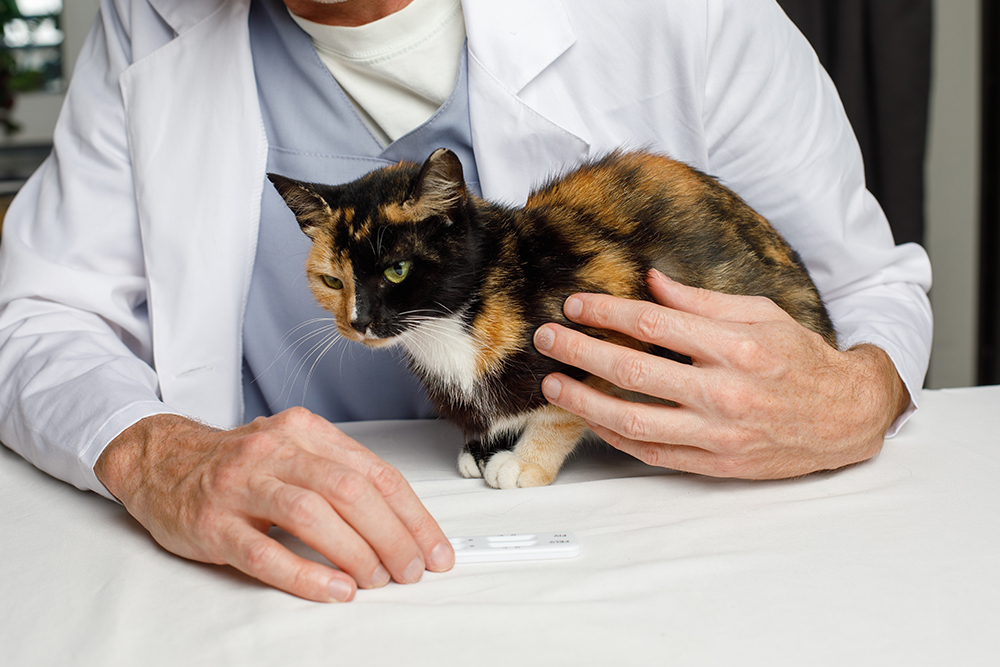
Hyperthyroidism in Cats: Managing an Overactive Thyroid
Older cats that lose weight despite a hearty appetite may be showing signs of hyperthyroidism. This hormonal disorder speeds up metabolism and can stress the heart, kidneys, and other vital organs. With early diagnosis and the right treatment, most cats regain energy, maintain a healthy weight, and return to their familiar, content routines.
At The Vale Veterinary Group, our RCVS-accredited team provides comprehensive diagnostic testing and personalised treatment plans to help senior cats thrive. Whether your cat needs bloodwork, ultrasound imaging, or ongoing management for chronic conditions, our experienced veterinarians deliver expert care tailored to each patient’s needs. We’re here to guide owners through every step- from recognising the first symptoms to choosing the best treatment option.
What Happens When Your Cat’s Thyroid Goes Into Overdrive
Understanding Feline Hyperthyroidism
Feline hyperthyroidism occurs when the thyroid gland produces excessive hormone, which accelerates metabolism and affects nearly every organ system. The condition is one of the most common endocrine disorders in older cats. Early in the disease, owners may notice a boost in activity and appetite and assume their cat is simply “acting young again.” Unfortunately, this surge in energy actually reflects the body’s overdrive response- and the sooner it’s recognised, the better the outcome.
Why Does This Happen?
Most cases result from benign thyroid adenomas that secrete excess hormone. Environmental and dietary factors, such as iodine levels and certain preservatives or flame retardants, may contribute. The condition typically affects cats over seven years old, and some studies suggest a genetic predisposition. Although not preventable, hyperthyroidism is highly manageable when diagnosed early, allowing cats to live full, comfortable lives with the right support.
Recognising the Warning Signs
Typical signs include:
- Weight loss despite a ravenous appetite
- Restlessness or increased vocalisation, often at night
- Rapid or irregular heartbeat
- Increased thirst and urination
- Vomiting or diarrhoea
- Poor coat quality or unkempt grooming
- Behavioural changes such as irritability
Hyperthyroidism often coexists with other age-related diseases. Many affected cats also have chronic kidney disease, so a full diagnostic workup is essential before starting therapy. If you’re noticing these symptoms, contact us to arrange an evaluation- early investigation prevents complications and reduces long-term costs.
Why Early Detection Protects Long-Term Health
The Hidden Dangers of Untreated Hyperthyroidism
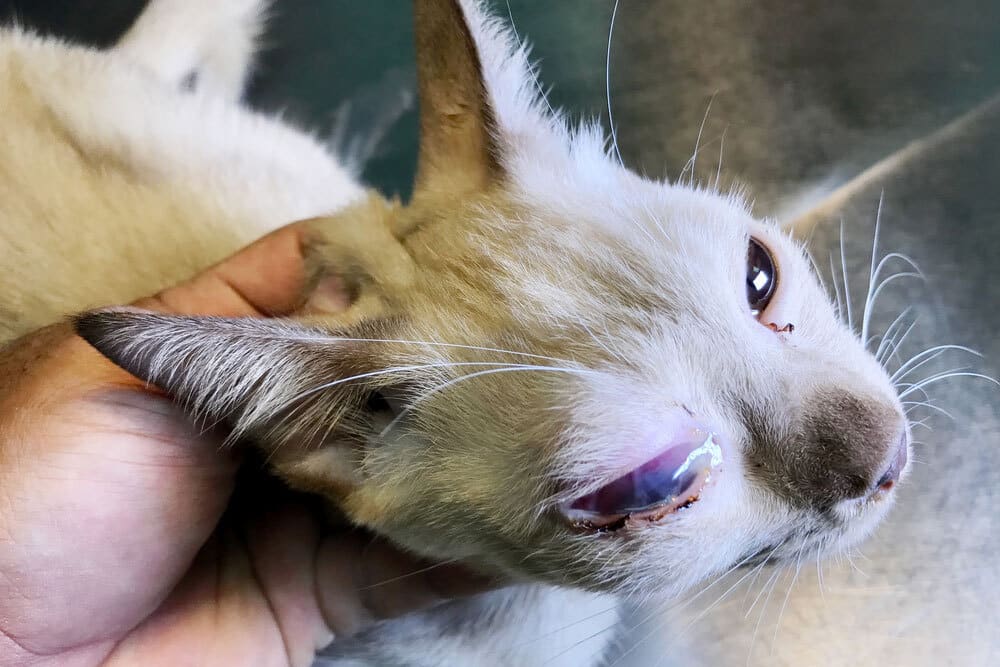
Excess thyroid hormone increases blood pressure and heart rate, forcing the cardiovascular system to work harder. Over time, hypertension can damage the eyes, kidneys, and brain, leading to sudden blindness from retinal detachment or even seizures.
Hyperthyroidism can also mask underlying kidney disease by temporarily boosting blood flow to the kidneys. When thyroid levels are corrected, kidney function may appear to worsen, revealing pre-existing disease. This is why a baseline kidney evaluation and careful monitoring are critical before and during treatment. Regular bloodwork and screening in senior pets help detect these interconnected conditions early- when they’re easiest to manage.
How We Diagnose Hyperthyroidism
Diagnosis begins with a thorough examination. Your veterinarian may detect a small thyroid nodule in the neck or hear a gallop rhythm when listening to the heart. Blood testing confirms diagnosis by measuring circulating thyroid hormone (T4) levels. In borderline or complex cases, repeat testing or advanced diagnostic panels are used to ensure accuracy. Cats with secondary heart disease may also require cardiac imaging.
Blood pressure measurement is standard for hyperthyroid cats. Our in-house laboratory allows same-day testing for thyroid function, kidney and liver enzymes, and electrolytes. Rapid results enable faster treatment decisions and prevent unnecessary delays. Ongoing preventive testing for senior pets ensures that adjustments can be made promptly as your cat’s health evolves.
Treatment Options That Restore Balance
Medical Management
Daily methimazole, given as tablets or a flavoured liquid, remains the mainstay of therapy for many cats. Transdermal gels applied to the inner ear are a good option for those who dislike pills. Medication controls hormone output but requires lifelong administration. Routine monitoring ensures hormone levels remain balanced and side effects are promptly addressed.
Radioactive Iodine Therapy
Radioactive iodine provides a highly effective, often curative, treatment. A single injection destroys overactive thyroid tissue while sparing healthy cells. Success rates exceed 95 percent. Cats stay in a licensed facility for a short period until radiation levels return to normal, then resume life without daily medication.
Surgical Solutions
Thyroidectomy can cure hyperthyroidism, particularly when only one gland is affected. Surgery is performed under general anaesthesia with meticulous care to avoid complications such as hypocalcaemia. Our surgical team performs a wide range of soft tissue procedures and provides complete pre-operative and post-operative support.
Prescription Diets
Iodine-restricted diets help manage hormone production for cats unsuitable for medication or surgery. However, strict compliance is crucial. The cat must eat only the prescription food, which can be challenging in multi-pet households.
Follow-Up and Monitoring
Regardless of treatment type, consistent follow-up is key. We monitor thyroid hormone levels, kidney function, blood pressure, and body condition every three to six months initially, then annually once stable. Some cats require blood pressure medication for hypertension, while others need dose adjustments as metabolism normalises. Regular reassessment ensures lasting stability and comfort.
Life After Diagnosis: What Owners Should Know
Setting Realistic Expectations
Most cats regain normal weight, activity levels, and grooming habits within weeks to months. Appetite steadies, sleep patterns normalise, and personality returns. For cats with advanced disease or concurrent conditions, progress may be slower, but quality of life often improves dramatically once hormone levels are controlled.
Common Questions
How long do cats live after diagnosis?
With proper management, many live happily for several more years. Age, concurrent illness, and treatment choice influence longevity.
Can untreated hyperthyroidism cause blindness?
Yes. Hypertension can lead to retinal detachment and permanent vision loss, underscoring the need for early intervention.
Will my cat be cured?
Radioactive iodine therapy and surgery can be curative. Medical and dietary management control hormone levels but require lifelong commitment.
What if I am worried about costs?
Please speak with us. There are options at different price points, and our team will help you find a plan that balances your cat’s health needs and your budget. When your pet is not well, prompt diagnosis leads to better outcomes and lower overall costs.
Take the Next Step
If your senior cat is losing weight, acting restless, or showing any of the signs above, don’t wait. Early diagnosis prevents complications and helps your cat feel better sooner.
We’re proud to support cat owners with clear guidance, advanced diagnostics, and compassionate care. To learn more or arrange an appointment, please book a visit. Together, we can help your cat live a longer, healthier, and more comfortable life.





Leave A Comment