
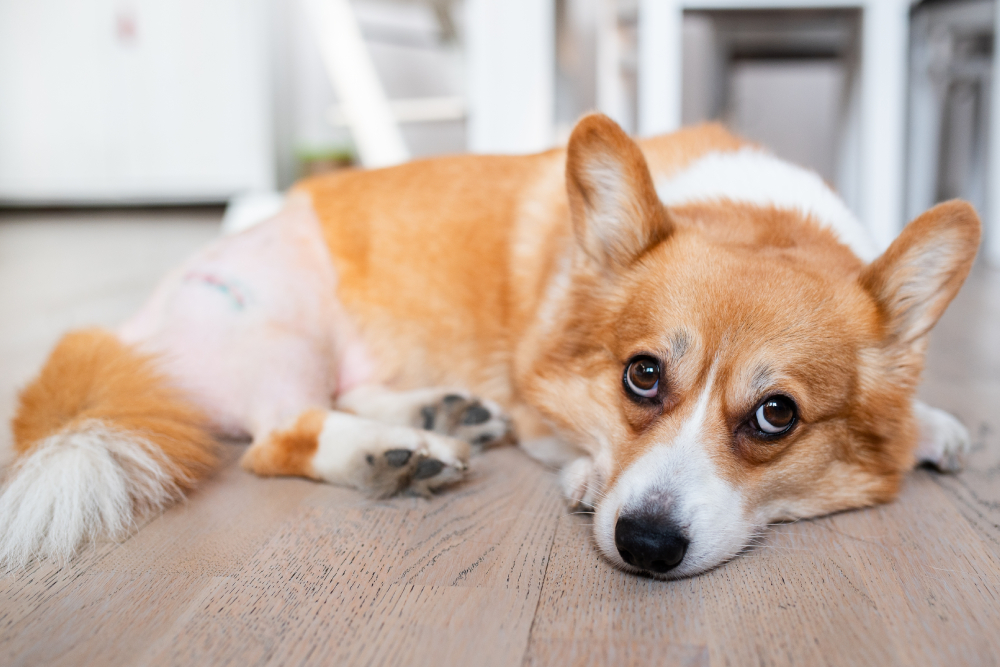
Arthritis doesn’t appear overnight- it develops gradually, and many pets learn to hide their discomfort until everyday movement becomes a struggle. You might notice your dog hesitating before climbing stairs or your cat choosing not to jump onto a favorite sunny window ledge. These subtle changes often signal joint pain, and catching them early can make a world of difference.
Up to 90% of senior dogs and cats experience some form of arthritis, yet it often goes unnoticed until the condition is advanced. Because pets adapt so well, the early warning signs can be easy to miss. Recognizing small shifts in mobility, energy, or behavior allows you to intervene sooner and help your pet stay active, happy, and pain-free.
At The Vale Veterinary Group, our team is dedicated to supporting pets through every stage of arthritis care. We use advanced diagnostics, innovative therapies such as biologics and acupuncture, and personalized rehabilitation programs to keep your pet comfortable, confident, and enjoying life well into their senior years.
Subtle Signs Your Pet May Be Living with Joint Pain
Pets rarely vocalize pain the way humans do. Instead, they show discomfort through behavioral changes that can be easy to miss or dismiss as normal aging.
Changes in Activity and Behavior
Your once-enthusiastic dog may hesitate before jumping into the car or pause at the bottom of the stairs. Cats who previously leaped onto countertops might now seek lower perches. These aren’t just signs of getting older- they’re common pain signs in pets that deserve attention.
Arthritic pets often lose interest in play, spend more time resting, and become less social. They may struggle to find a comfortable sleeping position or change positions frequently throughout the night. Some pets become irritable when touched in painful areas, while others withdraw from family activities they once enjoyed.
Physical Indicators of Joint Disease
Stiffness after rest is one of the most recognizable signs of arthritis. Your dog may move slowly when first getting up but gradually loosen up with gentle movement. Watch for muscle loss around affected joints, reduced flexibility, or difficulty rising from a lying position. You might notice a popping or crackling sensation when your pet moves, or a limp that comes and goes.
Arthritis in cats presents differently than in dogs. Feline arthritis often manifests as reduced grooming (particularly on the back and hindquarters), missed jumps, reluctance to use the litter box, or accidents outside the box when climbing in becomes painful.
How Veterinarians Identify Arthritis in Your Pet
Accurate diagnosis requires more than observing a limp. Comprehensive evaluation combines physical examination with advanced imaging to determine the extent of joint damage and create an effective treatment plan.
Thorough Physical Assessment
During an examination, veterinarians assess range of motion in each joint, evaluate pain responses, and check muscle condition. We consider your pet’s weight, lifestyle, activity level, and injury history to understand the full picture. Even pets without obvious lameness may show subtle signs of discomfort during manipulation of affected joints.
Diagnostic Imaging and Laboratory Testing
Digital X-rays reveal bone changes, joint space narrowing, and new bone formation around affected joints.
Preventive testing in senior pets serves multiple purposes: ruling out other conditions that mimic arthritis symptoms, establishing baseline organ function before starting medications, and ensuring your pet can safely metabolize pain relief medications. Our team provides comprehensive routine healthcare that includes these important screenings, and special “Creaky Clinics” meant just for our patients in their golden years.
Evidence-Based Treatment Approaches for Arthritic Pets
Managing arthritis requires a multimodal approach tailored to each pet’s specific needs, severity of disease, and overall health status.
Pharmaceutical Pain Management
Non-steroidal anti-inflammatory drugs (NSAIDs) reduce both pain and inflammation, providing significant relief for many arthritic pets. These medications require careful dosing based on your pet’s size, species, and individual response. Baseline and follow-up blood work monitor kidney and liver function to ensure long-term safety.
Joint supplements containing omega-3 fatty acids, glucosamine, and chondroitin support cartilage repair and reduce inflammation. While supplements work more slowly than prescription medications, they provide valuable support for joint health with minimal side effects.
Biologic Therapies: A Revolutionary Approach to Arthritis Pain
Monoclonal antibody therapies represent a significant advancement in arthritis treatment. These biologics work by blocking nerve growth factor (NGF), a protein that transmits pain signals from damaged joints to the brain.
Librela for dogs delivers monthly injections that improve comfort, mobility, and activity levels without the gastrointestinal risks associated with traditional pain medications. Dogs receiving Librela often show renewed interest in walks, play, and social interaction.
Solensia for cats provides the same NGF-blocking benefits in a feline-specific formulation. Monthly injections eliminate the challenge of daily pill administration- a significant advantage for cat owners. Treated cats typically show improved grooming, increased jumping ability, and better litter box use.
Both biologics demonstrate excellent long-term safety profiles and can be used alone or combined with other treatments for maximum benefit. Our team at The Vale Veterinary Group has extensive experience administering these therapies and monitoring patient response.
Complementary and Regenerative Medicine Options
Cold laser therapy reduces inflammation and promotes healing at the cellular level. The treatment is painless, requires no sedation, and provides cumulative benefits with repeated sessions.
Acupuncture relieves pain by stimulating the release of natural pain-blocking chemicals and improving circulation to affected joints. Many pets find acupuncture sessions relaxing, and the benefits often last several weeks between treatments. We can provide a referral for acupuncture for pets who benefit from this traditional therapy.
Rehabilitation Programs That Restore Mobility and Comfort
Rehabilitation programs provide proven benefits for arthritic pets, reducing pain while maintaining mobility and slowing disease progression. Therapeutic exercises target balance, coordination, and strengthening without overloading painful joints.
Manual therapy techniques including massage, stretching, and joint mobilization improve flexibility and reduce muscle tension. These hands-on treatments complement other pain management strategies and help pets move more comfortably.
Hydrotherapy offers exceptional benefits for arthritic pets. Water therapy in rehab provides buoyancy that reduces stress on joints while allowing full range of motion. Swimming provides low-impact cardiovascular exercise that maintains fitness without aggravating arthritis. The resistance of water strengthens muscles that support unstable joints, while the warmth soothes stiff, painful areas.
Comprehensive Care for Senior Pets with Multiple Health Concerns
Arthritis rarely occurs in isolation. Many senior pets face concurrent challenges including endocrine disease, heart conditions, and obesity– all of which can complicate arthritis management or worsen joint stress.
Comprehensive care plans address nutrition, weight management, and surgical options when appropriate. Maintaining a healthy weight dramatically reduces joint stress, while proper nutrition supports overall health and healing. When your pet is not well, our team coordinates care across multiple body systems to ensure treatments work together rather than against each other.
Moving Forward with Confidence and Comfort
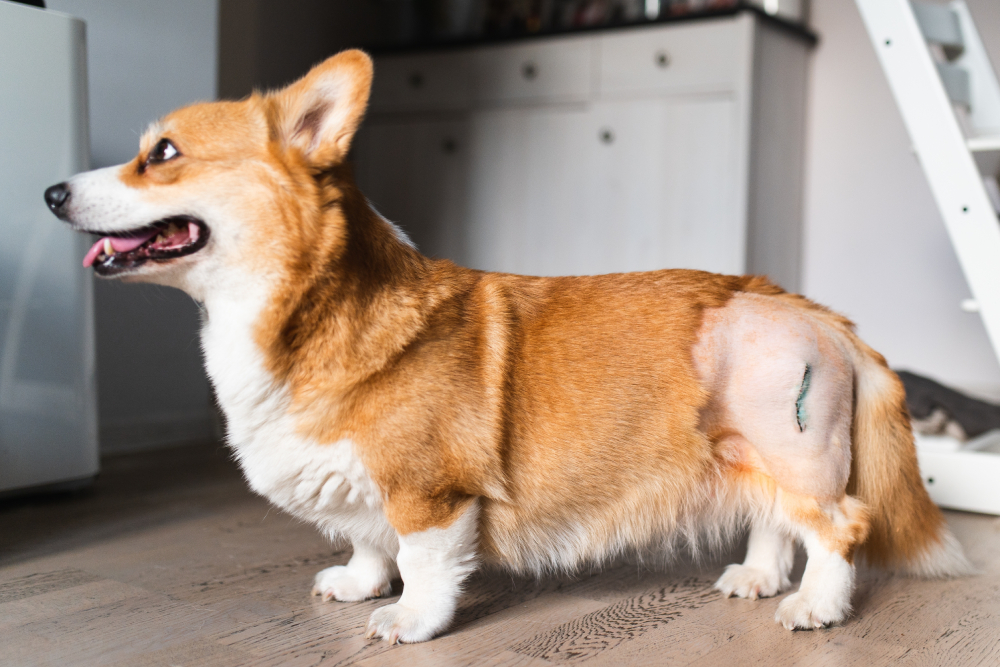
Arthritis is a lifelong condition, but it doesn’t have to limit your pet’s enjoyment of their senior years. Early intervention preserves mobility and prevents the cycle of pain, inactivity, and muscle loss that accelerates joint deterioration.
The Vale Veterinary Group combines diagnostic expertise, innovative treatment options, and individualized rehabilitation to give arthritic pets the active, comfortable lives they deserve. Whether your pet needs their first arthritis evaluation or you’re seeking advanced options for a diagnosed condition, our team is ready to help.
Request or schedule an appointment today to discuss how we can support your pet’s mobility and comfort.





Leave A Comment