
Parasite Protection for Pets: What Every Owner Should Know
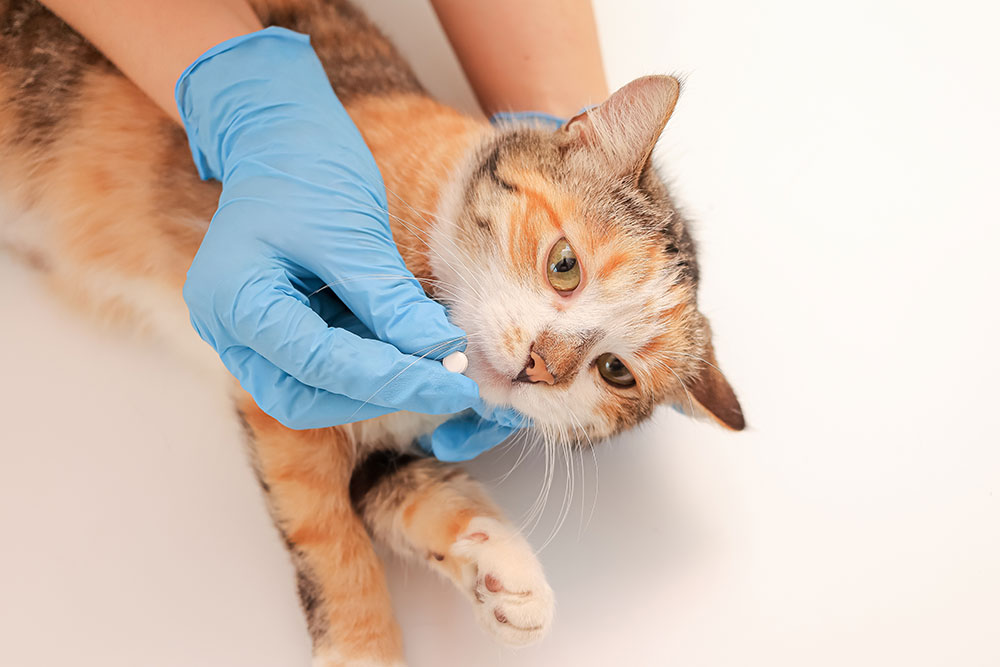
Parasites are everywhere- on the ground where your dog walks, in the grass your cat explores, and even in mosquitoes hovering near your garden. Fleas, ticks, heartworms, and intestinal parasites can all cause serious illness if left unchecked. The good news? Most are entirely preventable. With regular screenings and year-round protection, you can stop these hidden threats before they harm your pet’s health.
At The Vale Veterinary Group, our RCVS-accredited practice serves dogs, cats, rabbits, guinea pigs, and other small animals with comprehensive routine healthcare that includes parasite prevention tailored to your pet’s lifestyle and risk factors.
Why Prevention Works Better Than Treatment
Parasites don’t take holidays. Fleas thrive indoors all year, ticks stay active whenever temperatures rise above freezing, and mosquitoes can remain active well into autumn. Even parasite eggs buried in soil can survive for months, waiting to hatch.
Effective year-round parasite prevention protects pets from these constant threats. Prevention is safer, more affordable, and far more effective than treating an infestation or infection. Once parasites establish themselves, treatment becomes complex and sometimes risky. Some conditions, like heartworm disease in cats, have no safe cure.
Understanding which parasites threaten your pet- and how to stop them- protects their long-term health.
Fleas: Fast Reproduction, Lasting Problems
A single flea can lay up to 50 eggs a day. Those eggs fall into carpets, bedding, and furniture, where they develop for weeks or months. By the time you notice fleas on your pet, hundreds more may already be hiding in your home.
Over-the-counter products often fail because parasites develop resistance to older ingredients. Veterinary-prescribed preventives use newer, more effective compounds and also protect against secondary issues caused by fleas.
Fleas spread disease and cause serious health problems:
- Tapeworms from swallowing infected fleas during grooming
- Bacterial infections from flea bites
- Flea allergy dermatitis in dogs and cats, where even one bite triggers severe itching and skin infections
- Flea anaemia in puppies, kittens, and small pets such as rabbits
Treatment requires consistent prevention for all pets, environmental cleaning, and sometimes professional pest control. The Vale Veterinary Group’s Premier Paws Club includes year-round flea protection to make prevention easy and reliable.
Ticks and the Diseases They Carry
Ticks transmit serious diseases within hours of attachment. They thrive in woodland, tall grass, and even well-kept gardens across the UK.
Major tick-borne illnesses include Lyme disease in dogs, which causes fever and joint swelling. Ehrlichiosis and anaplasmosis affect blood cells and suppress immunity. Rocky Mountain spotted fever, though rare in the UK, can appear in imported or travelled pets.
Comprehensive tick prevention includes daily tick checks, regular yard maintenance, and prescription preventives that kill ticks before they transmit disease. Preventing ticks on pets is most effective when paired with regular veterinary care.
Intestinal Parasites That Hide in Plain Sight
Common intestinal parasites– roundworms, hookworms, whipworms, and tapeworms- can infect pets of any age. Many cause no symptoms until infestations become severe, leading to vomiting, diarrhoea, or weight loss.
Puppies and kittens often acquire roundworms before birth or through their mother’s milk. Hookworms feed on blood, causing anaemia, while whipworms irritate the large intestine, producing chronic diarrhoea. Tapeworms develop when pets swallow infected fleas or prey.
Giardia, a microscopic parasite, spreads through contaminated water and causes persistent diarrhoea. Reinfection is common without strict hygiene and repeated treatments.
Regular faecal testing at The Vale Veterinary Laboratory detects parasites early. In-house testing means faster results and quicker treatment.
Heartworm: A Rising Concern in the UK
Heartworm disease, once considered a problem only in warmer regions, is now an emerging risk for UK pets. Cases are still uncommon, but numbers are increasing due to pet travel and imported rescue dogs. As the climate warms and mosquitoes remain active longer, the risk of transmission grows.
Mosquitoes transmit microscopic larvae which mature into worms living in the heart, lungs, and blood vessels. These worms can cause coughing, fatigue, and heart failure if untreated.
While the disease remains rare in the UK, pets travelling abroad or living with imported animals should be tested regularly and protected with monthly preventive medication. Cats are also at risk but have no safe treatment if infected.
Including heartworm prevention in your pet’s routine healthcare plan ensures they stay protected at home and abroad. Our veterinary team can recommend the safest products for your pet’s age, breed, and travel habits.
Mites: Microscopic Parasites With Major Impact
Dog mites and cat mites cause itching, hair loss, and skin infections. Each type produces different symptoms and requires specific treatment.
Demodex mites live in hair follicles and usually cause mild hair thinning, while Sarcoptes mites cause scabies- an intensely itchy and contagious condition that can spread to humans temporarily. Ear mites create dark, crusty discharge in cats and rabbits.
Prescription medications eliminate mites effectively, but cleaning the environment and treating all pets in the household prevent recurrence. When your pet is showing skin irritation, a veterinary exam can confirm the cause and ensure proper treatment.
Uncommon but Important: Flukes and Trematodes
Though rare, trematode infections from eating raw fish, snails, or crayfish can cause serious illness. Lung fluke infections lead to coughing and pneumonia as the parasites migrate through body tissues.
Diagnosis often requires imaging such as X-rays or ultrasound, combined with specialised lab tests. The Vale Veterinary Group’s diagnostic services include ultrasound, endoscopy, and advanced testing to identify unusual parasites quickly.
Parasites That Threaten Your Family Too
Many zoonotic parasites can spread from pets to people. Roundworms can cause tissue damage or even vision loss. Hookworms penetrate the skin, producing red, itchy tracks, while Giardia causes gastrointestinal upset in both pets and humans.
Protect your household with these habits:
- Wash hands after handling pets or cleaning litter boxes
- Dispose of pet waste promptly
- Prevent pets from licking faces
- Wear shoes outdoors
- Cover sandpits when not in use
Routine screening and prevention protect both pets and people from these avoidable risks.
How Veterinarians Find Hidden Parasites
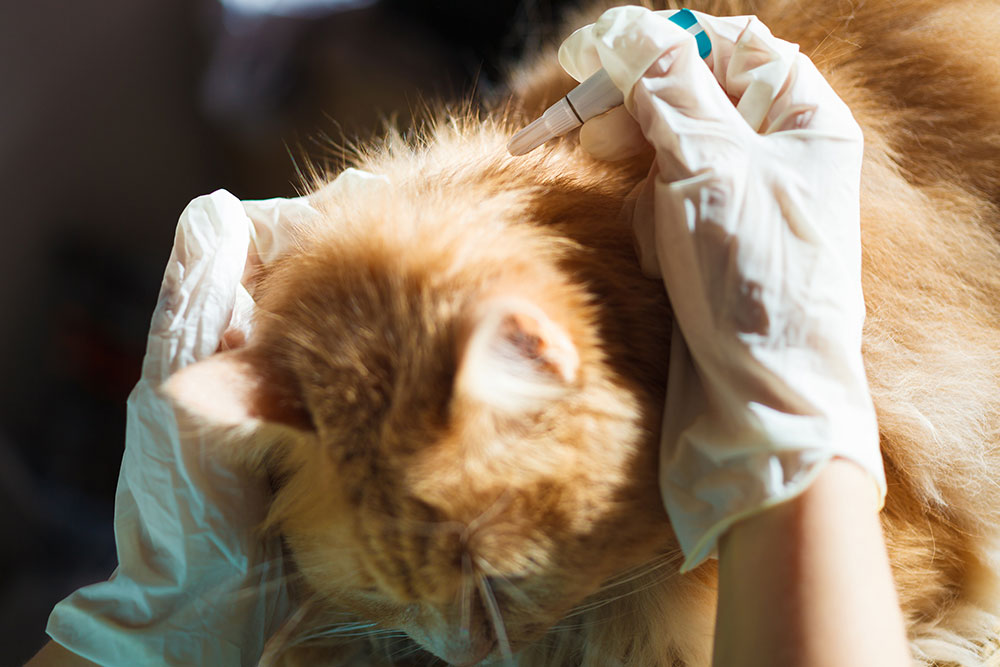
Many parasitic infections show no visible symptoms. Routine screening detects issues early, when treatment is simplest and safest.
Faecal tests identify intestinal parasite eggs, while blood tests detect heartworm and other systemic infections. Skin and ear cytology reveal mites or fungal elements. Imaging such as X-rays and ultrasound helps locate internal parasites.
The Vale Veterinary Group’s diagnostic capabilities ensure accurate identification and effective treatment. Our BCVA-trained advisers and RCVS-accredited veterinarians bring advanced expertise to every examination.
Protecting the Pets- and People- You Care For
Parasites cause unnecessary suffering and spread preventable disease. The solution is simple: consistent prevention, good hygiene, regular veterinary exams, and prompt treatment.
Whether you care for small animals or larger companions, The Vale Veterinary Group provides expert parasite prevention tailored to your pet’s needs. Our free kitten, puppy, and rabbit checks help new owners start protection early, and our Premier Paws Club makes year-round prevention simple and affordable.
Contact us today to discuss prevention strategies that keep your pets healthy and your family safe.






Leave A Comment