
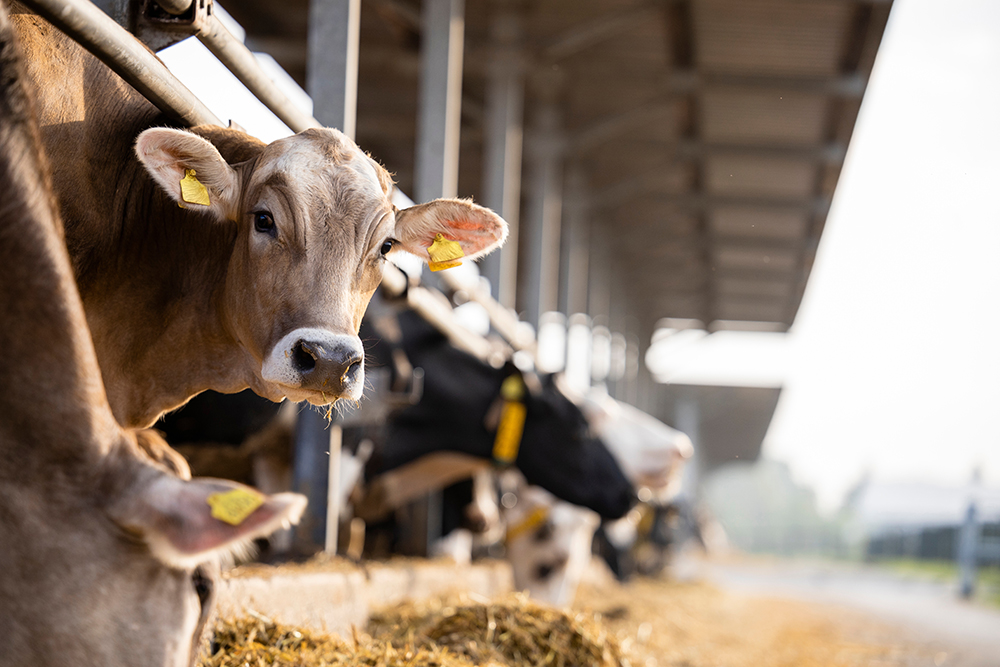
Stronger Herds, Healthier Futures: The Critical Role of Vaccination in Cattle Management
Healthy herds don’t happen by chance- they are built through consistent, preventive care. Vaccination protocols form the foundation of modern herd health, protecting cattle from infectious diseases, reducing antibiotic use, and supporting the long-term sustainability of both beef and dairy systems.
Even a single outbreak can set back months of progress, affecting fertility, growth rates, and profitability. Diseases such as BVD, IBR, and clostridial infections spread rapidly through unprotected herds, undermining productivity and animal welfare. Vaccination isn’t simply a medical measure- it’s an investment in herd resilience, welfare, and economic stability.
At The Vale Veterinary Group, our RCVS-accredited farm veterinarians partner with producers across the South West to design evidence-based vaccination programmes that fit each herd’s needs. Whether you manage a small family holding or a large-scale dairy enterprise, our proactive approach helps prevent disease before it starts- protecting your livestock, your livelihood, and the future of your farm.
Why Vaccination Programmes Protect Your Herd
Vaccination remains one of the most effective tools for safeguarding cattle health and productivity. A well-designed vaccination schedule prevents outbreaks, reduces treatment costs, and strengthens profitability.
Vaccines stimulate the immune system to recognise and fight pathogens before they cause illness. When administered correctly and on schedule, they reduce disease incidence, minimise antibiotic reliance, and improve overall herd performance. Healthier cattle gain weight more efficiently, reproduce reliably, and require fewer interventions.
However, vaccine failure in cattle can occur if vaccines are stored or handled incorrectly, or if protocols are incomplete. Understanding and addressing these risks ensures better protection.
At The Vale Veterinary Group, our dairy services and beef services support herds at every stage of production with tailored, practical vaccination advice.
Building a Vaccination Protocol That Works
Assessing Herd Requirements
Each herd faces different disease pressures, so vaccination must begin with a bespoke assessment. Factors such as herd size, grazing systems, biosecurity, and regional disease prevalence all influence which vaccines are most valuable.
Closed herds have fewer external risks than operations that buy in stock or share grazing. In high-prevalence areas, proactive control of diseases such as BVD or IBR is essential. Reviewing health records and disease history highlights vulnerabilities and guides decision-making.
A thorough preventive herd health programme considers these variables systematically. The Vale Veterinary Group conducts on-farm assessments and builds vaccination schedules around your business goals- including complimentary annual prescription visits for new smallholders.
Essential Vaccines and Proper Timing
Core Vaccines Every Herd Needs
Core vaccines protect against the most common and economically damaging diseases: respiratory infections, clostridial conditions, and reproductive losses.
Respiratory vaccines target IBR, BVD, parainfluenza-3 (PI3), and BRSV- key contributors to pneumonia and feed inefficiency. Clostridial vaccines prevent blackleg and other fast-acting, soil-borne infections that often strike without warning. Reproductive vaccines guard against abortion, weak calves, and reduced conception rates, with BVD control being critical to prevent persistently infected animals.
Timing is vital. Calves require vaccination strategies that account for maternal antibodies. Breeding stock benefits from boosters before mating, and purchased cattle should be vaccinated on arrival to reduce stress-related respiratory flare-ups.
Our veterinary team coordinates vaccination alongside other handling tasks, reducing stress and ensuring consistent coverage across your herd.
Overcoming Vaccination Challenges
Dispelling Common Misconceptions
Modern vaccines are rigorously tested and extremely safe. Adverse reactions are rare, and the small risks are vastly outweighed by the benefits of disease prevention.
When vaccination appears to “fail,” the cause is usually handling errors, nutritional deficiencies, or stress at the time of administration- not vaccine inefficacy. While no product offers absolute protection, proper timing and handling significantly reduce both infection rates and severity.
A robust cattle respiratory vaccine programme should always go hand in hand with strong ventilation, balanced nutrition, and stress management. Healthy, well-fed cattle mount stronger immune responses and recover more quickly from illness.
Vaccination also delivers excellent economic return. Preventing disease saves on veterinary bills, labour, and lost productivity, making vaccination one of the most cost-effective management decisions a producer can make.
Integrating Vaccines Into Herd Management
Vaccination works best when combined with good nutrition, strict biosecurity, and veterinary oversight.
Strong nutrition supports a healthy immune system. Deficiencies in protein, energy, or trace minerals can weaken vaccine response. Ensuring diets meet nutritional requirements before vaccination improves overall efficacy.
Biosecurity is equally vital. Isolating new animals, managing visitor access, and sanitising equipment reduce pathogen spread. Even the best vaccines cannot compensate for poor hygiene or lax management.
Regular veterinary visits keep your vaccination plan aligned with herd changes and local disease trends. Our mastitis consultancy and broader herd health programmes demonstrate how targeted veterinary input enhances farm productivity.
Following recognised livestock vaccination guidelines ensures your programme remains evidence-based, compliant, and effective. Protocols should be reviewed at least annually to maintain protection.
Tracking Results and Adjusting Protocols
Effective vaccination programmes rely on continual monitoring. Track disease incidence, treatment costs, and production data before and after implementation. This highlights what works well and where adjustments are needed.
Regular reviews with your veterinarian ensure the schedule remains appropriate as herd size, genetics, and disease prevalence evolve. The NOAH Livestock Vaccination Guideline emphasises flexibility, regular review, and detailed record-keeping as cornerstones of success.
At The Vale Veterinary Group, we provide ongoing herd-health analysis and data interpretation to help producers refine their prevention strategies year after year.
Preventing High-Impact Diseases Through Targeted Vaccination
Certain diseases warrant special attention because of their financial and welfare consequences:
Bovine Viral Diarrhoea (BVD): Causes immune suppression, reproductive loss, and persistent infection. Effective control combines vaccination, laboratory testing, and removal of infected animals. Our BCVA-trained BVDfree advisers help farms align with national eradication standards.
Infectious Bovine Rhinotracheitis (IBR): Causes respiratory disease, abortion, and milk yield reduction. The virus can remain dormant and reactivate under stress, making consistent vaccine use in livestock essential. Understanding IBR in cattle reinforces how prevention is far simpler than managing an outbreak.
Our veterinarians design disease-specific vaccination plans that suit herd size, region, and production goals. We also follow strict Brucella policy protocols to safeguard both animal and public health.
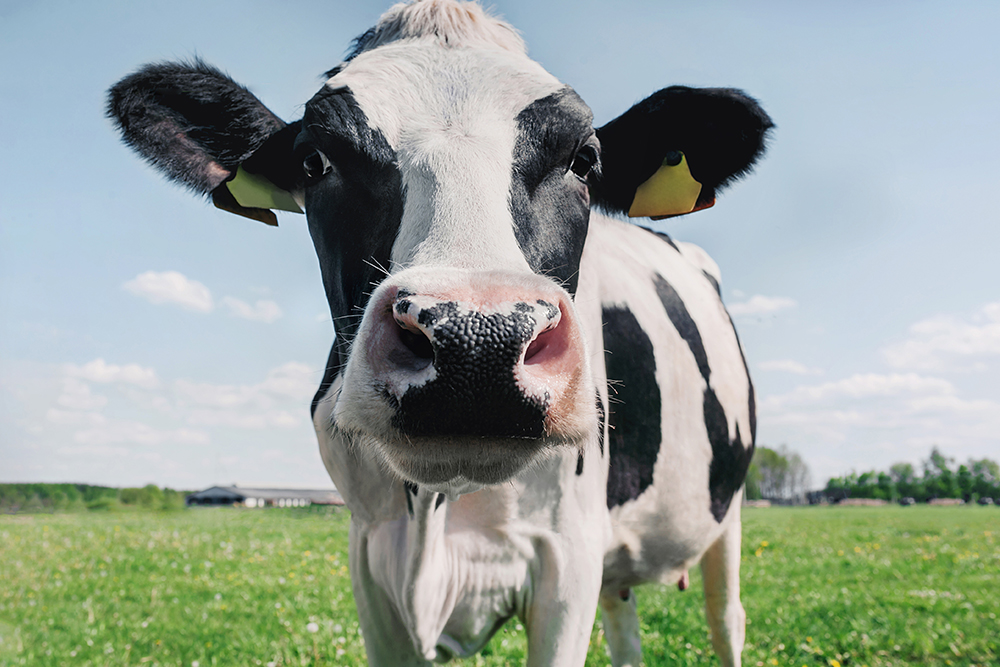
Partnering With Your Veterinarian for Long-Term Success
Vaccination succeeds through partnership between producers and veterinarians. Your on-farm knowledge, combined with our clinical expertise, creates tailored prevention strategies that support herd welfare and profitability.
Proactive vaccination prevents costly disease, reduces antibiotic reliance, and strengthens herd performance. Regular communication with your vet ensures your programme evolves with seasonal, environmental, and management changes.
The Vale Veterinary Group serves as your long-term partner for farm animal health– from vaccination and reproduction to diagnostics and emergency support.
To learn more about vaccination planning or to arrange a herd-health consultation, visit our centres. Together, we’ll protect your herd’s health, productivity, and future.




Leave A Comment