
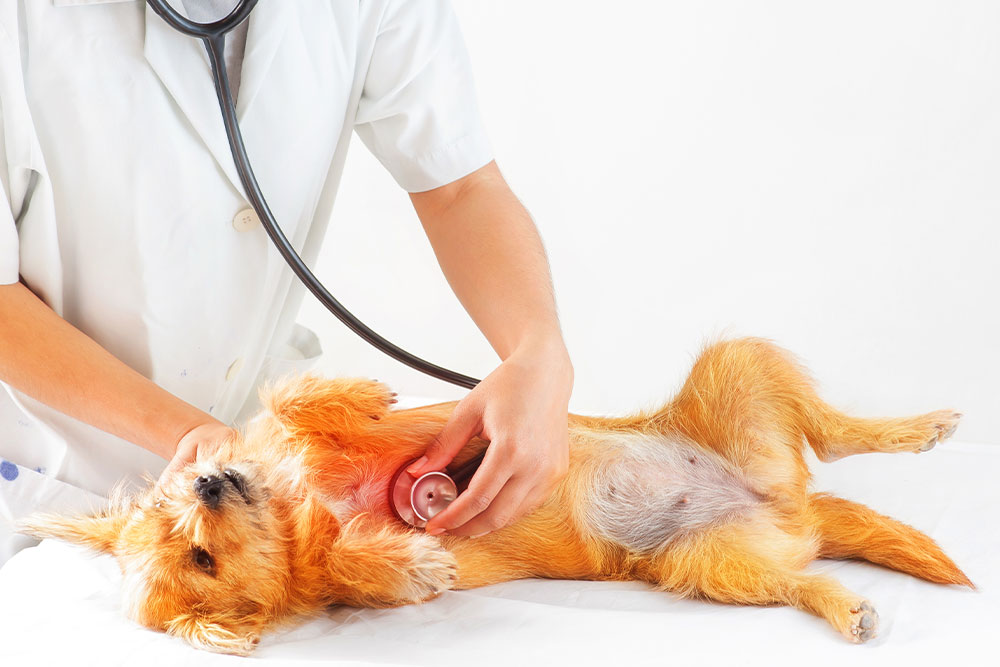
A congestive heart failure diagnosis changes what it means to pay attention to a pet. Suddenly, the speed at which a dog settles after a walk matters. Whether a cat is sleeping more than usual becomes worth noting. A slightly elevated resting respiratory rate, something most owners would never have thought to count before, becomes one of the most important numbers to track.
Managing heart failure well is a partnership between our team and the owner, and the owner’s observations between appointments often provide the earliest warning that a medication adjustment is needed. The Vale Veterinary Group offers expert cardiology services and the clinical depth to support cardiac patients at every stage of their disease. When something doesn’t seem quite right at home, the team is available to advise and help determine whether a change in symptoms warrants an appointment. Get in touch with our practice to discuss a heart failure diagnosis or establish ongoing monitoring for a cardiac patient.
What Is Congestive Heart Failure, and What Does It Mean for Your Pet?
Hearing the words “heart failure” is a shock, and the first thing most owners want to know is what it actually means. Congestive heart failure is not a single disease, and it does not mean the heart has stopped working. It means the heart’s pumping ability has declined to the point where fluid is backing up, usually into the lungs or the abdomen, causing the symptoms owners notice at home: a persistent soft cough, laboured breathing, flagging energy on walks, or restlessness at night.
That fluid build-up, or congestion, is what the name refers to. The reassuring part is that medication can remove the excess fluid, support the heart muscle, and take pressure off the cardiovascular system. Most pets respond quickly once treatment begins, and many return to comfortable, contented routines within days.
The goal is not to cure the underlying heart disease, which is rarely possible. The goal is to manage it well enough that the pet feels good. For many dogs and cats, that window may be measured in months to years.
How Heart Disease Progresses to Heart Failure
Signs of heart disease often appear long after the underlying problem has been quietly developing. The heart compensates by working harder and changing shape, maintaining normal function for a significant period before any outward sign appears. When compensation reaches its limit, fluid begins to accumulate and symptoms start.
This is why heart disease diagnosis during the compensatory stage leads to much better outcomes. A murmur picked up at a routine wellness examination can trigger monitoring and, where appropriate, early preventive medication that delays heart failure significantly. Regular routine healthcare visits are one of the most straightforward ways to catch these changes before they become a crisis.
What Causes Congestive Heart Failure in Dogs and Cats?
Several different heart conditions can eventually lead to CHF, and the underlying cause shapes the treatment approach. Breed-specific health risks mean that some dogs and cats are statistically more likely to develop heart disease, making early and consistent screening particularly worthwhile for those breeds.
Common Heart Diseases and the Breeds Most Affected
In dogs, mitral valve disease is by far the most common cause of CHF. The mitral valve, which sits between the left chambers of the heart, gradually becomes leaky over time, allowing blood to flow in the wrong direction. Small breeds are disproportionately affected: Cavalier King Charles Spaniels, Dachshunds, Miniature Poodles, and Chihuahuas are among the breeds most commonly seen with this condition.
In larger breeds, dilated cardiomyopathy is more typical, where the heart muscle weakens and the chambers enlarge, reducing pumping efficiency. Arrhythmias in dogs, abnormal heart rhythms that can complicate or trigger failure, are seen more commonly in Boxers and Schnauzers.
In cats, hypertrophic cardiomyopathy is the most frequently diagnosed cardiac disease. It involves thickening of the heart wall, which makes the heart stiffer and less able to fill and pump normally. Maine Coons have a known genetic predisposition, though any cat may be affected. Cardiac arrhythmias in cats can also develop independently or alongside structural disease.
Other Conditions That Place Strain on the Heart
Heart failure does not always originate in the heart itself. Several systemic conditions significantly increase the cardiovascular workload and can trigger or accelerate CHF.
Hyperthyroidism in cats is one of the most important examples. Excess thyroid hormone drives the heart to work continuously harder, and the prolonged strain can cause or worsen hypertrophic cardiomyopathy. Treating the thyroid condition often reduces cardiac load considerably.
Systemic hypertension (high blood pressure) creates a similar problem by forcing the heart to pump against increased resistance in the blood vessels. Over time this damages the heart, kidneys, and eyes, and it often develops quietly alongside other age-related conditions.
Certain cancers can also affect the heart directly. Hemangiosarcoma, a tumour that commonly affects the spleen and right heart, can cause sudden fluid accumulation around the heart and rapid deterioration. Managing whole-body health is therefore an essential part of cardiac care.
Warning Signs of Heart Failure to Watch for at Home
You know your pet better than anyone, and your observations carry real clinical weight. The changes worth reporting may be grouped loosely by urgency.
Early signs that warrant a conversation:
- A soft, regular cough, particularly at night or when your pet settles down to rest
- Tiring more quickly on walks or showing less interest in activity
- Reduced exercise tolerance or a noticeable drop in stamina
- Sleeping more than usual or withdrawing from normal routines
- Reduced appetite or unexplained weight loss
Signs that suggest progression and need prompt attention:
- Faster breathing at rest, or breathing that looks like the belly is working hard
- Struggling to get comfortable when lying down, or preferring to sit upright
- A visibly distended abdomen
- Brief episodes of weakness or unsteadiness
Emergency signs requiring immediate veterinary care:
- Cat panting or breathing through an open mouth, which is almost never normal in cats and often indicates severe respiratory compromise
- Respiratory distress, including extended neck posture, flared nostrils, or visible effort with every breath
- Blue, grey, or white gums
- Syncope, or fainting and collapsing, even if the pet appears to recover quickly
If you are seeing any of the emergency signs, contact The Vale immediately. For registered clients, 24-hour emergency support is available. The team can help you assess urgency and advise on next steps.
It is also worth noting that Devon’s variable climate can affect cardiac patients. Humid or warm spells can make breathing more laboured in pets with compromised heart function, and cold temperatures can increase the cardiovascular workload. These are worth factoring into daily activity decisions.
How Is Heart Failure Diagnosed?
Accurate diagnosis guides better treatment, and the tools available give our team a detailed picture of what the heart is doing and how other organs are coping.
Imaging and Cardiac Testing
Chest radiographs (X-rays) show heart size, the shape of the lung fields, and whether fluid is accumulating in or around the lungs. An echocardiogram, an ultrasound of the heart, provides real-time images of valve movement, chamber size, wall thickness, and blood flow. It is the most detailed tool available for understanding exactly what type of heart disease is present and how advanced it is. An electrocardiogram records the heart’s electrical activity and is particularly useful when arrhythmias are suspected.
Blood and urine testing are also important at the diagnostic stage. Kidney and liver function must be evaluated before diuretics and heart medications are started, as dose selection depends on how well these organs are working. The Vale’s in-house laboratory and imaging capabilities support efficient diagnostics across their Devon practices, including echocardiograms, blood pressure, and ECG.
Why Preventive Testing Matters for At-Risk Pets
Preventive testing in senior pets and predisposed breeds gives our team the information they need to act before symptoms develop. Annual auscultation during wellness examinations detects new murmurs; blood pressure checks identify hypertension; and ProBNP testing, a simple blood test that detects a biomarker released when the heart is under strain, can flag early cardiac stress well before clinical signs appear. The Vale’s Premier Paws Club includes regular health checks that support this kind of ongoing monitoring.
What Happens After a CHF Diagnosis
Stabilisation
When heart failure is first diagnosed, or during an acute episode, the immediate priority is helping the pet breathe comfortably. This typically involves oxygen support, injectable diuretics to clear fluid from the lungs quickly, stress reduction, and close monitoring of breathing rate, blood pressure, and heart rhythm. Most pets respond quickly: coughing eases, breathing becomes less effortful, and energy begins to return within hours to a couple of days. If advanced cardiology input is needed beyond what may be provided in practice, The Vale’s team can advise on referral pathways.
Long-Term Medication Management
Once stable, most cardiac patients go home on a combination of medications that typically includes a diuretic (to prevent fluid re-accumulating), a drug to support the heart muscle, and often a medication to reduce blood vessel resistance. Finding the right balance can take a few adjustments, but once established, the regimen is usually straightforward to maintain at home.
Consistent medication timing matters. Even occasional missed doses can allow fluid to re-accumulate faster than owners expect. Regular rechecks, typically every three to six months once stable, allow doses to be fine-tuned as the disease progresses.
Your Role in Home Monitoring
The owner’s observations between appointments are genuinely valuable clinical data. Here is what to track:
Resting respiratory rate is the most important home monitoring tool. Count the number of breaths your pet takes in 15 seconds while completely relaxed or asleep, then multiply by four. A resting respiratory rate consistently below 30 breaths per minute is reassuring. A rate that is climbing over several days, even within the normal range, is worth reporting. Apps are available to help log these counts over time.
Appetite and energy often decline before breathing changes become obvious. A sudden drop in food interest or a noticeable reduction in activity level is worth a phone call.
Cough frequency and character can shift with disease progression. If your pet’s cough is becoming more frequent, more productive, or is disturbing sleep, let the team know.
For cat owners, awareness of saddle thrombus is important. This is a blood clot that can form in the heart of cats with cardiomyopathy and lodge at the aortic bifurcation, cutting off blood flow to the hind limbs. Sudden paralysis or extreme pain in the back legs is an emergency requiring immediate veterinary attention.
Dietary adjustments typically include modest salt restriction and keeping weight at a healthy level. Obesity significantly increases cardiovascular strain, while extreme weight loss (cardiac cachexia) is associated with more advanced disease. Activity should be gentle and led by what the pet is comfortable with: short, calm walks are appropriate; prolonged exertion is best avoided.
What Is the Long-Term Outlook?
The honest answer is more hopeful than many owners expect. Prognosis varies depending on the underlying diagnosis, how early treatment begins, and how the individual patient responds, but with well-managed care, dogs with mitral valve disease commonly remain in good quality of life for two to three or more years following diagnosis. Cats with stabilised cardiomyopathy can often be managed comfortably for extended periods as well.
The partnership between owner and veterinary team is what makes this possible. our team adjusts medications and monitors disease progression; the owner watches for changes at home and communicates them promptly. Neither element works as well without the other.
When quality-of-life conversations eventually become relevant, our team. No owner navigates this alone.
Practical Tips for Managing Heart Care at Home
A few simple habits make day-to-day cardiac management much easier to sustain:
- Keep a small notebook or use a phone app to log resting respiratory rates, appetite, and any new symptoms. Trends are more useful than single readings.
- Use a weekly pill organiser and set phone reminders for medication times. Consistency matters more than precision timing, but regular daily dosing is the goal.
- Store medications in the same place so a low supply is easy to spot before you run out.
- Create a quiet, comfortable sleeping area away from draughts and extremes of temperature. A slightly elevated head position can reduce nighttime coughing in dogs.
- Let your pet set the pace on walks. Short and gentle is almost always better than pushing for a familiar route that now feels too long.
If you ever feel unsure whether something you have noticed warrants a call, the answer is almost always yes. The team would far rather hear from you early than see a pet who has been declining for several days.
Frequently Asked Questions About Congestive Heart Failure in Pets
How long can a dog or cat live with heart failure? This depends on the underlying cause, how early treatment begins, and how the individual pet responds. Many dogs with well-managed mitral valve disease live comfortably for two to three or more years post-diagnosis. Cats with stabilised cardiomyopathy can often be maintained well for extended periods. Prognosis improves meaningfully with early detection and consistent management.
What should I do if I think my pet is in respiratory distress? Contact The Vale immediately. Do not wait to monitor further. Registered clients have access to 24-hour emergency support. Keep your pet calm and still during transport, and avoid stress where possible.
A Hopeful Path Forward for Cardiac Patients
Congestive heart failure requires attention and consistency, but it is a manageable condition for the majority of pets who receive timely diagnosis and appropriate care. Effective medications, attentive home monitoring, and regular clinical rechecks give pets with heart disease a real chance at extended, comfortable life.
At The Vale Veterinary Group, the cardiology experience and diagnostic capabilities are there to support your pet from the first murmur through every stage of their cardiac journey. If you are concerned about your pet’s heart health, or have noticed changes that don’t sit quite right, get in touch with The Vale to discuss next steps. We are here to help you work through it.






Leave A Comment