
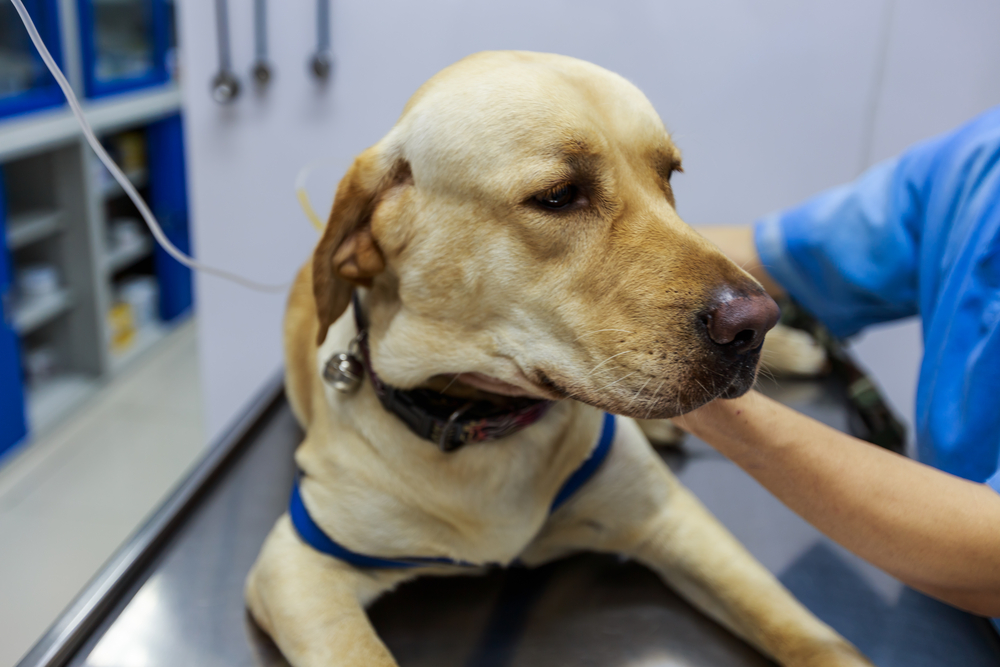
Few moments are more disorienting for your pet’s family than an emergency veterinary visit: the worry about your pet, the unfamiliar environment, and the prospect of a bill arriving at the end of it all. The cost of emergency veterinary care in the UK has increased significantly in recent years, and people who are not registered with a practice often face the highest bills of all, because they end up at dedicated emergency centres rather than their own vet. Being a registered client at a practice that offers round-the-clock emergency access is one of the most practical things you can do to protect both your pet and your finances.
The Vale Veterinary Group offers emergency services 24 hours a day, seven days a week for registered clients, meaning that when something goes wrong at 2am, you are calling your own vet rather than an unfamiliar emergency centre. Our small animal services cover the full scope of care, and our practices across Cullompton, Tiverton, Honiton, and the surrounding Devon area are here for the long term. Get in touch with our team to register or to ask about what emergency access looks like for your pet.
Quick Overview
- Going to your own practice for an emergency is almost always less expensive than a dedicated out-of-hours centre, because dedicated centres pass on the full overhead of standalone 24/7 operation; registered Vale clients reach our familiar team at our own pricing whatever the hour.
- We provide full surgical services, oxygen cages, in-house diagnostics, and hospitalisation under one roof, with referrals to specialist centres reserved for cases that genuinely require advanced imaging or specialist surgery.
- Our Premier Paws Club preventive care plan includes 10% off consultations and four complimentary nurse visits, in addition to vaccinations and parasite control, all spread over low monthly payments.
- Pet Proactive insurance was designed specifically for veterinary practices, with clear policies, fair premiums, and direct claim processing through our practice for added convenience.
Why Does Emergency Care Cost More Than a Routine Visit?
Emergency veterinary care costs more than routine appointments because the staffing, equipment, and supplies required to handle a critical case at any hour of day or night carry significantly higher overhead than a planned daytime visit. The price difference is not arbitrary; it reflects what is genuinely required to be ready when something goes wrong.
The structural cost drivers behind emergency care:
- Round-the-clock staffing: veterinary surgeons, nurses, and support staff covering nights, weekends, and bank holidays
- Equipment kept in constant readiness: anaesthesia monitors, surgical suites, advanced imaging, and laboratory equipment available within minutes rather than days
- Specialty supplies kept on hand for rare crises: critical care drugs, blood products for transfusions, and other emergency-specific consumables that get used infrequently but cannot be ordered in an emergency
- Surgical and ICU capability deployable on short notice: the standing capacity to begin emergency surgery in 30 minutes rather than 3 days
For care that does not quite require a 24-hour dedicated centre but cannot wait for a routine appointment, our practices serve registered clients in exactly that middle zone, often at substantially lower cost than freestanding emergency hospitals.
How Does Going to Your Own Vet Save Money Compared to a Dedicated Emergency Centre?
The single biggest cost driver families do not always think about is the surcharge built into freestanding emergency centres to cover the staffing, equipment, and medications needed for truly critical patients. Those centres exist to cover overnight gaps for practices that do not provide their own out-of-hours service, and to handle the patients that are in need of immediate, life-saving care or extremely complex conditions. The same workup for the same problem can run two to three times higher overnight at a dedicated centre than during regular hours at your own practice, simply because they are also covering their costs for more advanced equipment like MRIs, CT scanners, ventilation machines, the extra team members needed for crashing patients, and specialty-level experts. Most patients who need emergency care don’t need that level of care, but on the rare occasions that you do, they’re ready.
Vale provides 24/7 emergency access for our registered clients, which changes the equation in three meaningful ways:
- Your pet is seen by a team that already knows them, with full access to records, previous bloodwork, medication history, and any known conditions, which means less time spent rebuilding the picture and fewer redundant tests
- You pay our prices rather than the additional overhead of a freestanding emergency centre, because the emergency happens at the same practice you already trust
- Continuity of care is built in, so the next-day follow-up, the rechecks, and the long-term management all happen with the same team that handled the emergency
For genuinely complex cases that require advanced imaging like CT or MRI, or specialist surgical expertise we do not provide in-house, we refer to specialist centres with the right capabilities. The point is not to handle everything in-house regardless of complexity. The point is to handle the wide range of urgent and emergency situations that do not require a referral right at our own practice, rather than sending clients to dedicated out-of-hours centres for situations we are equipped to manage ourselves.
What we handle in-house for registered clients includes full soft tissue and orthopaedic surgical services, oxygen cages for respiratory cases, IV fluid therapy and ICU-level monitoring, in-house laboratory diagnostics for rapid bloodwork and electrolyte results, and hospitalisation for as long as the case requires. Our transparent pricing covers common procedures and emergency fees so you have a sense of what to expect before something happens.
How Do Pet Size, Severity, and Temperament Affect the Bill?
Two pets with the same diagnosis can leave with very different bills. Medications, anaesthesia, and IV fluids are dosed by body weight; severity dictates how aggressive the treatment must be; and pets who cannot be handled without sedation require additional resources. Getting your pet seen sooner and practising cooperative care at home are two practical ways to keep costs lower.
The factors that drive variation:
- Weight-based dosing: a 40-kilo dog needs many times the medication of a 5-kilo dog. For inexpensive medications this barely matters; for expensive ones it changes the bill noticeably.
- Anaesthesia and sedation time: inhalant anaesthetic gas is consumed faster by larger patients, and surgical time often correlates with size.
- Severity at presentation: two intestinal obstructions can present very differently, with one stable enough for outpatient management with monitoring and another requiring immediate surgery, several days of intensive care, and complex post-operative support.
- Breed and anatomy: brachycephalic breeds need additional precautions and monitoring during anaesthesia. Very large or very small patients sometimes require non-standard equipment.
- Temperament: pets who cannot be examined without sedation due to fear or stress require additional staff time, additional medication, and additional monitoring. Cooperative care training at home, particularly for muzzle handling, paw handling, and brief restraint, pays off across a lifetime of veterinary visits.
The earlier in the disease course a problem is caught, the smaller the workup tends to be. A limp evaluated at week one usually costs less than the same limp evaluated at week six, after secondary changes have developed and a more thorough workup is needed.
Does Coming in Right Away Really Matter?
There’s a big difference in an emergency caught early compared to one where you waited too long. We understand wanting to wait to see if something is truly a problem, but waiting can mean thousands in extra costs.
Gastrointestinal Foreign Body Obstruction
Gastrointestinal foreign body obstruction affects dogs and cats who eat things they should not. Treatment depends on what was swallowed, where it is lodged, and how long it has been there.
A pet brought in right away can sometimes be induced to vomit- usually within a couple hours of eating the object. That’s a relatively inexpensive visit, with no surgery needed. A pet brought in once the object has gotten lodged in the stomach or intestines but before the foreign body has caused tissue damage or secondary infection typically faces a simpler endoscopic retrieval or a straightforward surgery. The same pet brought in three days later, after vomiting has progressed and intestinal tissue has begun to suffer, faces a more involved surgery, longer hospitalisation, and significantly higher costs. Linear foreign bodies (string, ribbon, dental floss) are particularly dangerous because they can saw through intestinal tissue, requiring complex multi-section surgery.
Urethral Obstruction in Cats
Urethral obstruction in cats primarily affects male cats and can become fatal within 24 to 48 hours without treatment. The cat cannot urinate, toxins build up in the bloodstream, and electrolyte imbalances can cause cardiac arrest.
Cats brought in at the first signs (straining, frequent trips to the litter tray, vocalising while urinating) face a manageable workup and sometimes a short hospitalisation. Cats brought in after the obstruction has progressed to collapse face a much more complex situation with kidney damage, dangerous potassium elevation, anesthesia for catheterisation, and sometimes the need for perineal urethrostomy\- surgical correction for repeat or severe obstruction.
Cardiac Symptoms in Dogs
Cardiac disease tends to develop gradually, with subtle signs that families often attribute to ageing. A dog evaluated at the coughing-and-tiring-on-walks stage can typically have heart disease worked up with bloodwork, radiographs, and starting medications during regular hours. The same dog who waits until congestive heart failure causes severe breathing difficulty needs oxygen support, IV diuretics, and overnight hospitalisation, all at meaningfully higher cost.
Specific estimates always come from us based on your pet’s situation, and we provide written estimates before significant treatment so you can make decisions with information rather than uncertainty.
When Should You Come Straight to Emergency Care?
Some signs cannot wait. The clear signals it is a pet emergency:
- Respiratory distress: laboured breathing, blue or grey gums, gasping
- Pale or white gums
- Unproductive retching, especially in a deep-chested dog (possible GDV)
- Severe bleeding that will not stop with pressure
- Sudden collapse or sudden weakness
- Seizures, especially first-time or repeated
- Inability to urinate, especially in male cats
- Distended or painful abdomen
- Major trauma including road traffic accidents, falls from height, or dog fights
- Severe vomiting or diarrhoea, particularly with blood
- Sudden severe pain
- Heatstroke or sudden severe weakness in hot conditions
- Eye injuries or sudden vision loss
- Suspected toxin ingestion, including chocolate, grapes and raisins, xylitol, human medications, antifreeze, slug pellets, or rodenticide
We offer emergency veterinary services 24 hours a day, seven days a week to our clients across Devon. When in doubt, ringing is the right call. We would much rather see your pet and find nothing wrong than miss one who needed immediate care.
What Happens During an Emergency Vet Visit?
Understanding the visit process helps you prepare both emotionally and financially:
- Triage on arrival: experienced staff quickly assess severity. Pets in immediate danger are seen first regardless of arrival order.
- Stabilisation: critical patients get oxygen, IV access, pain control, and other supportive care before extensive evaluation. Stabilisation comes before diagnosis.
- Examination and history: a thorough exam combined with information about what happened and when. Prior medical records, current medications, and any known toxin exposures all help, and as a registered Vale client we already have most of that on hand.
- Written estimate: before significant testing or treatment, you will receive a written estimate covering recommended diagnostics, treatment, and expected costs. Where alternative paths exist, we discuss them.
- Diagnostics: bloodwork, imaging, urinalysis, and other testing as indicated by the presentation.
- Treatment and monitoring: treatment plan based on diagnostic findings. Hospitalised patients receive ongoing care, with updates to families throughout.
- Discharge with follow-up: when stable, patients go home with detailed instructions, medications, and follow-up plans, often with the same team they have always seen.
Our nursing team is involved throughout, providing the careful monitoring that emergency cases need.
How Does Preventive Care Reduce Emergency Costs?
Preventive care is its own form of financial planning. Conditions caught early on routine exams cost a fraction of what they cost as midnight emergencies. A dental cleaning prevents the abscess that becomes a midnight emergency. Vaccinations prevent the infectious diseases that fill emergency hospitals. Year-round parasite prevention prevents the heartworm, flea, and tick infestations that drive treatment costs upward.
The Premier Paws Club is built around exactly this principle: bundle the predictable preventive care into a manageable monthly cost, and the family stays current with it. Pets whose families stay current with preventive care have fewer emergencies, catch problems earlier, and spend less across a lifetime than pets whose preventive care drifts.
Premier Paws Club
Our Premier Paws Club is a preventive care membership plan that spreads the predictable cost of routine care across low monthly direct debit payments, typically at lower total cost than paying for each service individually. The point of the plan is to make preventive care affordable enough that families stay current with it, which means problems get caught earlier and emergency situations become less frequent.
What monthly membership includes:
- 10% off consultations across the year
- Four complimentary visits with a nurse, which we expand on below
- Annual booster, Kennel cough vaccination, and a health examination at the time of boosters
- Year-round flea and tick programme for dogs and cats plus monthly worming including lungworm cover for dogs
- Microchipping discounted to £15.00 and 10% off neutering procedures
Monthly pricing starts at £14.00 for cats and £15.50 for dogs up to 10kg, with weight-based tiers for larger dogs. The 10% off consultations alone covers a meaningful portion of the cost across a year for most families, before counting the included vaccinations, parasite control, and nurse visits. Our pricing page shows the costs of preventive services individually for families who prefer to pay per service.
Nurse Clinics
Our nurse clinics are appointments with our veterinary nurses for the wide range of services that do not require a veterinary surgeon’s time. These appointments are at a lower cost than a vet consultation, which keeps preventive and follow-up care affordable.
Premier Paws Club members receive four of these visits each year at no additional cost as part of their membership, which makes consistent monitoring of ongoing conditions much easier to maintain. For pets with chronic conditions, regular nurse visits through our Creaky Clinics can mean catching a problem before it becomes an emergency- saving you potentially thousands of pounds.
Cats with heart disease can develop sudden blindness from hypertension, an emergency that could be prevented by a visit to a Creaky Clinic for a blood pressure check. Diabetic pets can develop hypoglycaemia or diabetic ketoacidosis, avoided through regular glucose checks. Pets with chronic kidney disease are vulnerable to dehydration that can decompensate quickly, but kidney values can be easily tracked through regular blood sampling. If your pet has any chronic condition, you should know what you can do to prevent emergencies from happening in the first place and plan for regular nurse visits.
Is Pet Insurance Worth It?
Yes. Pet insurance is the best way to make sure that finances don’t dictate what care your pet can receive in an emergency. Most policies cover emergency conditions. General pet insurance principles apply across providers: insurance only helps when it is already in place. Waiting until a pet is older or already showing signs of disease means those conditions become exclusions. The best time to enrol is when your pet is young and healthy.
Pet Proactive Insurance
The Vale Veterinary Group works directly with Pet Proactive insurance, designed specifically for veterinary practices and addressing the common frustrations with traditional pet insurance: complicated terms, hidden exclusions, and significant premium increases as pets age (precisely when insurance matters most).
What makes Pet Proactive different:
- Clear and straightforward policies with exclusions stated upfront
- Coverage for treatments or referrals prescribed by our practice, up to your policy limit
- Fair premiums based on our pricing, with no penalty for making claims
- A single annual excess payment no matter how many conditions you claim for, up to your policy limit
- Direct claim processing through Vale so you do not pay upfront and wait for reimbursement
- Coverage for treatments at other practices if you are travelling
- Lifetime coverage with limits that reset every year
To enrol in Pet Proactive, your pet must be under six years old, and you need to be registered and maintain primary care with The Vale Veterinary Group. If your pet already has insurance, Pet Proactive can perform a free switch check to let you know whether you can switch to them ahead of your renewal and whether any pre-existing conditions will affect your policy. Pre-existing conditions are excluded as with any insurance product.
A pet savings account supplements insurance well, providing immediate funds for paying bills upfront before insurance reimbursement arrives (where direct claim processing is not available). The combination of Premier Paws Club for predictable preventive care, Pet Proactive for unexpected illness and injury, and a modest savings cushion for excesses and short-term gaps tends to work better than any single approach alone.

What Financial Assistance Is Available in the UK?
For families facing genuine financial hardship, UK charitable veterinary assistance is available through organisations including the PDSA, RSPCA, Blue Cross, and several regional groups. Eligibility is typically based on means-tested benefits and varies by organisation. Our useful links page covers the major UK charities, insurance comparison resources, and local support options that we point clients toward.
Our team is happy to discuss what is possible when budget is a real constraint. Many situations have multiple treatment paths with different cost profiles, and we work with families to find what fits.
Frequently Asked Questions About Emergency Pet Care Costs
Will I need to pay before treatment?
Most emergency services require payment at the time of service, typically with a deposit before extensive treatment begins. We provide written estimates so you can make decisions with information rather than uncertainty. Pet Proactive policyholders benefit from direct claim processing through our practice, which removes the upfront payment requirement for covered care up to policy limits.
What if I cannot afford the recommended treatment?
Tell us. Many situations have multiple treatment paths with different cost profiles, and some have effective lower-cost alternatives. UK charitable veterinary support is available for those meeting eligibility criteria, and our team can point you toward the right resources. We would rather have an honest conversation about what is possible than have a family avoid coming in because they fear the cost.
Does seeing my own practice cost less than going to a dedicated out-of-hours emergency centre?
Often substantially less, particularly for situations that do not require advanced specialist capability. Being registered with a practice that offers 24/7 cover means your emergency happens at a familiar place by people who know your pet, at our own pricing rather than the additional overhead of a freestanding emergency centre.
Should I wait until morning if it is overnight?
Some things can wait. Many cannot. If you are unsure, a phone call helps you decide. When in doubt about a serious-looking symptom, sooner is safer than later.
Is pet insurance worth the monthly cost?
For most families, yes, particularly when enrolled with young, healthy pets. The math works out best for breeds at elevated risk for expensive conditions and for families who want predictable monthly costs over potential surprise bills. Pet Proactive, designed specifically for our practice and clients, simplifies the experience further.
Being Prepared So You Can Focus on Your Pet
Emergency care costs can feel overwhelming, but they reflect the urgency, complexity, and monitoring level required, not arbitrary mark-ups. The three best ways to be prepared: enrol in Pet Proactive or another suitable insurance product before illness or injury develops, join the Premier Paws Club to keep preventive care affordable and consistent, and stay registered with a practice that offers 24/7 emergency access for its clients.
Our team across our centres is here to help you navigate emergencies and to provide the long-term care that makes managing them more straightforward. Contact us with questions about your pet’s care or to register for ongoing veterinary care.






Leave A Comment