

Your dog vomited once after breakfast. Now they’re lying quietly in their bed and you’re standing in the kitchen with the phone in your hand, trying to decide whether to ring. The instinct to wait and see is completely understandable. The trouble is that pets are remarkably good at masking discomfort, and by the time you’re noticing something obvious, the problem has often been developing for some time. Knowing which signs warrant a same-day call (and which can reasonably wait) helps you act when it actually matters.
At The Vale Veterinary Group, our practices across Cullompton, Tiverton, Honiton, and the surrounding Devon area provide 24/7 emergency cover for registered clients. When something feels off, get in touch with our team and we will help you decide whether to come in. We would always rather hear from you and find nothing wrong than have you wait through something serious.
Knowing What Normal Looks Like for Your Pet
The single most useful thing you can do for your pet’s health is know their baseline. Each animal has their own normal pattern of eating, drinking, sleeping, playing, and interaction. Once you know what normal looks like for your pet, deviations become much easier to spot.
Watch for changes in:
- Appetite: sudden interest changes, eating noticeably more or less than usual
- Energy: more sleeping, slower to greet you, less interest in walks or play
- Social behaviour: hiding, seeking unusual locations, withdrawing from family
- Posture: hunched back, tucked abdomen, reluctance to lie flat
- Movement: stiffness, slowness, change in how they sit or get up
Animals instinctively mask pain and discomfort, an instinct that served them well in the wild but works against early detection at home. Subtle behavioural changes deserve attention even when you cannot point to a specific problem.
A Quick At-Home Assessment Before Coming In
Healthy gums are pink and moist. Lifting your pet’s lip and checking gum colour takes seconds and provides genuinely useful information.
| Gum Colour | What It Can Indicate |
| Pink and moist | Normal |
| Pale or white | Poor circulation, anaemia, shock, or significant blood loss |
| Blue or grey | Insufficient oxygen, respiratory distress |
| Yellow | Jaundice, often liver disease or red blood cell breakdown |
| Brick red or muddy | Shock or severe illness |
| Bright red | Heat stress, toxin exposure, fever |
A quick hydration check goes alongside this. Gently lift the skin between the shoulder blades and let it go. In a well-hydrated pet, the skin returns immediately. Slow return suggests dehydration, which warrants prompt evaluation, particularly in young or senior pets.
A brief home exam gathers useful information for the veterinary team, but when in doubt, getting to us takes priority over completing a thorough check.
Conditions That Shouldn’t Wait
The presentations below warrant evaluation today rather than monitoring at home or waiting for a routine appointment slot.
Breathing Difficulty and Respiratory Distress
Respiratory problems escalate quickly and rarely improve on their own. Signs of respiratory distress:
- Laboured breathing with visible effort
- Extended neck posture, head and neck stretched out to open the airway
- Open-mouth breathing in cats (always abnormal, never normal)
- Inability to settle or lie down comfortably
- Pale, blue, or grey gums alongside breathing changes
- Pronounced abdominal effort with each breath
A quick at-home measure: count breaths per minute while your pet is calmly resting. Resting respiratory rates above 30 to 40 breaths per minute, particularly in a calm pet, warrant immediate evaluation.
Anaphylactic reactions can produce sudden severe respiratory distress within minutes of an exposure (an insect sting, a vaccine, a new food, a medication). The combination of facial swelling, vomiting or diarrhoea, and breathing difficulty is a true emergency.
Sudden Collapse, Weakness, and Loss of Consciousness
Collapse can mean many things, from a brief loss of strength followed by quick recovery to complete loss of consciousness. Any episode warrants same-day evaluation regardless of how brief it appeared.
Possible causes include:
- Hypoglycaemia (low blood sugar), particularly in toy breed puppies or diabetic pets on insulin. If your conscious pet can swallow, rubbing a small amount of honey or syrup onto the gums provides temporary support while you head to us.
- Heart disease in dogs can cause sudden weakness or fainting (syncope), often during or after exertion.
- Anaemia in dogs from blood loss, immune-mediated destruction of red blood cells, or chronic disease can produce weakness alongside pale gums.
- Exercise-induced collapse, a recognised condition in certain breeds (notably Labradors), produces collapse during intense exercise.
- Heatstroke in warm weather, particularly in brachycephalic breeds and dogs left in cars or hot conservatories, can progress from heavy panting to collapse rapidly.
Vomiting, Diarrhoea, Drooling, and Appetite Loss
Occasional digestive upset (a single vomit, a soft stool) usually resolves without intervention. The picture changes when several factors come together.
Ring us the same day if you see:
- Repeated vomiting that prevents keeping water down
- Persistent diarrhoea, particularly with blood or mucus
- Vomit or stool containing blood (fresh red or dark coffee-grounds appearance)
- Symptoms combined with lethargy or noticeable weakness
- Symptoms in puppies, kittens, or senior pets, who dehydrate dangerously quickly
- Any vomiting alongside abdominal distension or unproductive retching
Loss of appetite lasting more than 24 hours, particularly in cats (who are at risk for hepatic lipidosis after even short periods of anorexia), warrants prompt evaluation. Excessive or new drooling is essentially never normal and can indicate nausea, dental pain, an oral foreign body, toxin exposure, or neurological problems.
Conditions That Cause Vomiting or Diarrhoea
Some serious conditions present primarily as GI symptoms:
- Parvovirus in unvaccinated puppies causes profuse, often bloody diarrhoea, severe vomiting, and rapid decline. Highly contagious and rapidly fatal without aggressive treatment.
- Pancreatitis typically presents with vomiting, abdominal pain (often a praying posture with front legs down and bottom up), reluctance to eat, and lethargy.
- Gastrointestinal foreign body obstruction causes persistent vomiting and progressive distress. Linear objects (string, ribbon, hair ties) are particularly dangerous and can saw through the intestinal wall.
- Bloat (GDV) is a true emergency in large, deep-chested dogs. If your dog is retching unproductively with a swollen belly, ring while you are already on your way in.
- Toxin ingestion from poisonous plants, foods, medications, cleaners, or pesticides and rodenticides.
Our in-house small animal diagnostics include the imaging and bloodwork needed to identify these conditions on the same visit.
Neurological Signs: Seizures, Circling, Head Tilt, and Hind-End Weakness
A seizure is frightening to witness, but knowing what to do helps both you and your pet.
During a seizure:
- Keep your pet safe by moving objects they could injure themselves on
- Do not put anything in the mouth. Pets cannot swallow their tongue, and you risk a serious bite
- Time the episode if you can, even approximately
- Note what happened before the seizure, the behaviour during it, and the recovery afterwards
The scenarios that always require immediate evaluation include any first-time seizure, a seizure lasting more than two to three minutes, multiple seizures within 24 hours (cluster seizures), or seizures in very young or very old pets.
Other neurological symptoms to take seriously include sudden circling, a marked head tilt, falling to one side, or unsteady walking. The most common cause in older pets is vestibular disease, which often resolves on its own. The reason it still needs evaluation is that the same signs can indicate more serious problems including brain tumours or inner ear infections.
Weakness or paralysis of the back legs, particularly when it appears suddenly or progresses over hours, is genuinely time-sensitive. Intervertebral disc disease (IVDD) is the classic example. Disc herniation in predisposed breeds (Dachshunds, French Bulldogs, Corgis, and other long-backed dogs) can move from a subtle limp into complete hindlimb paralysis within hours. Loss of bladder or bowel control alongside hindlimb weakness raises the urgency further.
Eye Symptoms That Need Same-Day Care
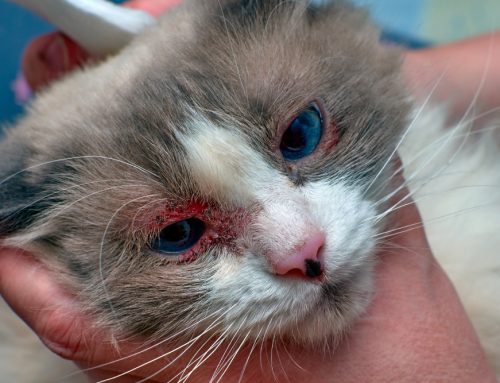
Eye problems are particularly time-sensitive because vision can be permanently lost within hours. Signs warranting same-day evaluation include:
- Squinting or holding an eye shut
- Pawing at the face or rubbing the eye
- Excessive tearing or thick discharge
- Cloudiness or visible film over the eye
- Redness, swelling, or visible injury
- Differences in pupil size between the two eyes
- An eye that appears to be bulging from the socket
Eye pain and infection can escalate from minor irritation to serious damage rapidly. A corneal ulcer can deepen rapidly and threaten the eye itself.
A practical tip during transport: an Elizabethan collar (the cone) prevents your pet from rubbing at a painful eye. Most ocular emergencies are best transported with the cone in place.
Coughing and Sneezing
Most coughing and sneezing isn’t urgent, but certain patterns warrant same-day attention:
- Sudden onset of severe coughing
- Persistent coughing that’s worsening
- Coughing combined with respiratory distress
- Coughing up blood or foam
- Blue gums alongside cough
- Violent, repetitive sneezing fits that won’t settle
Nasal foreign bodies are a common cause of sudden violent sneezing, particularly in late summer when foxtails and grass awns are most prevalent.
Coughing that worsens at night, after activity, or with excitement, particularly in older pets, may signal congestive heart failure. Cardiac coughing often comes with reduced exercise tolerance and a higher resting respiratory rate.
Urinary and Reproductive Conditions
Several urinary and reproductive conditions warrant same-day evaluation. Straining to urinate without a confirmed obstruction still needs prompt assessment, since home checks cannot distinguish between conditions that look similar from the outside.
| Condition | Symptoms to Watch For | Urgency |
| Urethral obstruction | Repeated trips to the litter tray with little or no urine produced; vocalising, crying, or visible straining; licking at the genitals | Absolute emergency, come in right away |
| Urinary tract infection | Frequent urination, straining, blood in the urine, strong odour, accidents in normally house-trained pets | Same-day or next-day. Painful and progressive, but not immediately life-threatening |
| Bladder stones | Straining, blood in urine, frequent small urinations, abdominal discomfort, recurrent UTIs that do not fully resolve | Same-day if straining or no urine production; otherwise prompt evaluation |
| Pyometra in unspayed females | Foul vaginal discharge, increased thirst and urination, lethargy, reduced appetite, vomiting, distended abdomen, fever, typically four to eight weeks after a season | True emergency. Requires emergency surgery |
| Paraphimosis and phimosis in male dogs | Penis stuck out of or unable to extend from the sheath, with swelling, discolouration, or licking | Same-day. Tissue damage develops within hours |
| Priapism | Persistent erection lasting longer than a few hours, often with discolouration, licking, distress, and difficulty urinating | True emergency. Tissue damage develops without intervention |
| Testicular torsion | Sudden swelling of one testicle, severe pain, reluctance to walk or sit, vomiting, lethargy, hunched posture | True emergency. Twisting results in rapid swelling and tissue death |
Same-day evaluation is the right call whenever you notice a change in your pet’s toileting behaviour or anything unusual in the genital area.
Skin Symptoms, Ear Infections, and Allergic Reactions
Hives (raised welts that appear suddenly across the body) usually follow a triggering event: an insect sting, a vaccine, a new food, a medication. Mild cases may resolve on their own, but progression to facial swelling or breathing difficulty signals anaphylaxis and needs immediate care.
Sudden intense itching that leads to self-trauma also warrants prompt evaluation. Uncontrolled scratching and chewing can create open wounds and secondary infections within hours, and severe acute allergic reactions often need treatment because pets are genuinely miserable.
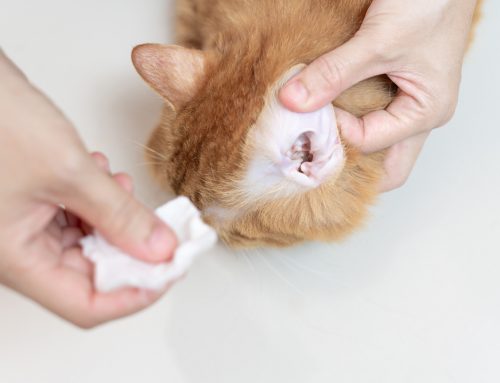
Sudden onset head shaking, scratching, or head tilt suggests possible ear infection (otitis externa), foreign body in the ear canal (grass seeds are particularly common in Devon during summer), or a ruptured eardrum. While not an emergency, same day or next day care is advisable.
Wounds, Bleeding, and Bite Injuries
Cuts, Lacerations, and Active Bleeding
Visit us the same day for any wound that:
- Continues bleeding after 10 minutes of direct pressure
- Is deep, gaping, or shows underlying tissue
- Is on the face, near a joint, or near the eyes
- Is from a known dirty source (rusted metal, bites)
Lacerations seen within a few hours can usually be cleaned and closed primarily, with much better outcomes than wounds left to heal on their own. Apply firm direct pressure with a clean cloth during transport, adding additional layers on top if blood soaks through rather than removing the original.
Abnormal Bleeding and Clotting Disorders
Bleeding that seems out of proportion to the injury, spontaneous bruising without trauma, nosebleeds, or pinpoint red spots on the gums or belly (petechiae) can signal a clotting disorder rather than a simple wound problem. Immune-mediated thrombocytopenia is one example, where the immune system destroys platelets and the body loses its ability to form clots normally. Rodenticide can cause similar symptoms. These signs warrant immediate evaluation.
Bite Wounds
Bite wounds are commonly underestimated because the surface punctures close quickly while bacteria track deeply into tissue. Dogs frequently bite and pull, causing deeper tissue damage not visible from the surface. Any bite from another animal should be seen the same day. Cats are particularly prone to developing abscesses following fights, often appearing as a painful swelling several days later.
Pain, Limping, and Fractures
Pets express signs of pain in subtle ways: hiding, uncharacteristic snapping when touched, limping, reluctance to move, hunched posture, restlessness, or reduced grooming in cats. The absence of vocalising does not mean the absence of pain.
Broken bones are not always obvious. A fracture can present as a mild limp easily mistaken for a soft tissue strain, particularly in toy breed puppies and senior pets. Any new limp that does not resolve within a day or two warrants evaluation.
Frequently Asked Questions About Pet Emergencies
What if I am not sure whether something counts as an emergency?
Ring us. Triage by phone or message helps determine whether you need immediate care or whether it can wait for routine hours. We genuinely prefer guiding you through an unnecessary call over having you hesitate through something serious.
My pet seems fine after a frightening incident. Should I still come in?
Often, yes. Trauma, electrocution, suspected toxin exposure, and falls all warrant evaluation even when your pet appears uninjured. The body’s stress response can mask significant problems for hours.
Should I give my pet anything before bringing them in?
Generally no, particularly food or water if surgery might be needed. Do not give human medications without veterinary guidance, as many (paracetamol especially) are toxic to pets. The exception is small amounts of honey for suspected hypoglycaemia in toy breed puppies or diabetic pets who can still swallow.
What about poison control resources?
If you suspect toxin ingestion, ring us first or ring the Animal PoisonLine. Do not wait for symptoms to develop; many toxins have delayed onset.
How do I know if a limp warrants an emergency visit?
Same-day evaluation is appropriate for sudden lameness, complete inability to bear weight, paralysis, or limping with visible deformity. A mild limp in your pet who is otherwise comfortable can usually wait for routine hours, but persistent or worsening lameness warrants prompt assessment.
Trust Your Instincts and Get in Touch
You know your pet better than anyone. The thing that feels off, the change you cannot quite put your finger on, the slight withdrawal that nobody else has noticed: these observations are valuable. Acting on that instinct is almost always the right call.
The team across our centres is here for every concern, large or small. Whether you need an immediate evaluation, urgent triage advice, or simply reassurance that something can wait, contact us day or night.






Leave A Comment