
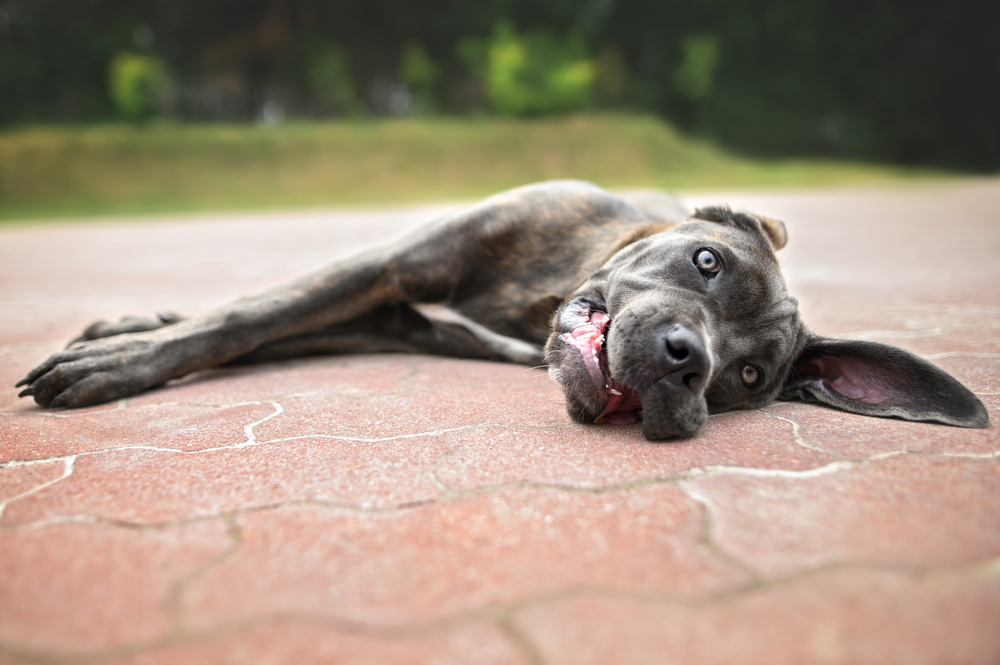
Heatstroke moves fast in a dog, and the steps you take in those first minutes carry real weight: move them somewhere cool and shaded, put cool water on their body, and get them to a vet without delay. How you cool matters as much as how quickly. Cool tap water on the neck, armpits, groin, and paw pads works well, but iced water or submerging a dog makes the blood vessels constrict and can make things worse. Heatstroke is a serious event that affects the kidneys, blood pressure, and the blood’s ability to clot, and a dog who seems to perk up after cooling can still have internal damage building, which is why a veterinary assessment is always the right next step.
The Vale Veterinary Group has four practices across Devon, in Cullompton, Tiverton, Honiton, and Uffculme, so there is always a familiar team nearby when your dog needs to be seen. We provide emergency care for registered clients 24 hours a day, seven days a week, because animals do not fall ill on a schedule. If your dog is unwell, or you are not sure how serious it is, you are always welcome to get in touch with us directly and speak to our team.
Heatstroke Quick Guide
- Cool water (never iced) on the neck, underside, and paw pads, with a fan for airflow, is the right way to start cooling.
- Submerging a dog or using ice baths makes surface vessels constrict, which traps heat in the core and slows recovery.
- Even a dog who appears to recover after cooling can develop kidney, liver, or clotting problems over the next 24 to 72 hours.
- Flat-faced breeds, older dogs, and overweight dogs are at much higher risk, even on a mild British summer day.
Why Do Dogs and Cats Overheat So Quickly?
Dogs and cats cannot sweat through their skin the way we do. Cooling rests almost entirely on panting, which passes air over the moist surfaces of the mouth and upper airway to shed heat by evaporation, with a little help from the paw pads. On a warm, humid day of the sort that creeps up across the South West, that system runs out of headroom fast.
Several things narrow the margin further:
- Flat-faced (brachycephalic) breeds: bulldogs, French bulldogs, pugs, boxers, and Persian and Himalayan cats have shortened airways that make panting far less effective. Brachycephalic thermoregulation is strongly tied to body condition, so an overweight flat-faced dog is at much higher risk again.
- Thick or double coats: northern and working breeds and long-coated cats hold heat against the body.
- Very young or old: puppies, kittens, and seniors manage their temperature less well than healthy adults.
- Extra weight: each kilogram over ideal adds insulation and metabolic demand, and heat tolerance drops with it.
- Underlying conditions: heart disease, laryngeal paralysis, tracheal collapse, and airway disease all reduce a pet’s ability to cool down.
The safe summer routine has to fit the individual. A lean young Labrador copes with a sunny garden afternoon that would land a bulldog or a senior cat in trouble, and our routine healthcare visits include a weight and body-condition check so we can talk through what is sensible for your dog.
What Does Heatstroke Look Like in a Dog or Cat?
Heat stress is a spectrum rather than a single moment, and spotting the early signs is what keeps a manageable situation from tipping into an emergency. Heatstroke in pets tends to climb through these stages.
Mild heat stress, still reversible at home:
- Heavy panting that does not settle with rest
- Hunting out cool surfaces like tile or shade
- Drinking more than usual
- Easing off activity
Moderate heat exhaustion, the point to ring us:
- Thick, ropey drool
- Bright red or dark red gums
- Restlessness, anxiety, or pacing
- Weakness or stumbling
- Vomiting or diarrhoea
Severe heatstroke, a true emergency:
- Pale, purple, or bluish gums
- Collapse or an inability to stand
- Confusion or unresponsiveness
- Seizures
- Blood in vomit or stool
- A temperature above 40 to 40.5°C (normal is 38 to 39°C)
In cats the signs are quieter. A cat in trouble may lie flat with the mouth slightly open, take short shallow breaths, refuse to move, or hide somewhere cool. Open-mouth breathing in a cat is never normal and always needs immediate attention.
Emergency First Aid for Suspected Heatstroke
If you suspect heatstroke, speed matters more than getting it perfect. Work through these emergency steps for cooling while you arrange to come in:
- Move the pet somewhere cool straight away, indoors with air movement if you can, or deep shade with a fan.
- Apply cool (not cold) water to the neck, armpits, groin, belly, and paw pads, using tepid tap water or a gentle hose stream.
- Get air moving with a fan, an open window with a breeze, or by fanning with a towel to speed evaporation.
- Offer small sips of cool water only if the pet is alert and able to swallow, and never tip water into the mouth of a dazed pet, since it can go down the wrong way.
- Avoid ice baths and ice packs, which make surface vessels clamp down, trapping heat in the core.
- Keep wet towels off the body, because a draped towel traps heat like a sauna; use water and airflow instead.
- Ring us on the way in, because even a pet who seems to bounce back needs checking for damage you cannot see.
The aim of home cooling is to start bringing the temperature down so the trip in does not make things worse, not to fully fix the heat event before you arrive. Stop active cooling once the temperature reaches about 39.5°C (if you can safely check their temperature), or once panting eases and the gums return toward pink, and then come straight in.
What Happens When You Bring a Heatstroke Pet In?
Heatstroke treatment works on three fronts at once, and all three matter:
- Controlled cooling: we carry on cooling with the right fluids and airflow, watching the core temperature so we stop at the correct point, because overcooling causes its own trouble.
- Replacing lost fluid: heatstroke brings on heavy dehydration and blood-pressure swings, so a drip restores circulating volume and protects the organs.
- Heading off complications: the hardest part, where we watch for kidney injury, liver damage, gut bleeding, neurological change, and clotting problems, and treat each as it shows.
The first 24 hours after a serious heat event carry the highest risk, and pets who get through that window do better but still need watching. Our round-the-clock emergency provision for registered clients means a dog who needs continued observation gets it.
Post-Cooling Dangers and Delayed Complications
The most dangerous idea about heatstroke is that a pet who feels better is safe. Several life-threatening problems can surface hours to days later, even after good first aid. The most serious of these delayed heatstroke complications:
- Acute kidney injury: heat harms the kidney cells, and the blood values can worsen over 48 to 72 hours.
- Liver trouble: liver enzymes often climb in the days afterwards.
- A body-wide inflammatory response (SIRS): which can progress to several organs failing at once.
- Gut damage: bloody diarrhoea and vomiting can appear 12 to 48 hours later as the gut lining sloughs.
- Disseminated intravascular coagulation: a clotting disorder where the body clots and bleeds at the same time, and a major reason we often advise admitting a patient.
- Brain swelling and seizures: neurological signs can appear or worsen after an apparent recovery.
This is why we strongly advise bringing in any pet who had a real heat scare, even one who looks fine afterwards. In-house bloodwork lets us check kidney and liver values and clotting times, and the diagnostics run through our veterinary laboratory catch early trouble a physical exam alone would miss.
How Do You Prevent Heatstroke in a British Summer?
Prevention beats treatment every time, and on warm days it comes down to a few heat safety habits:
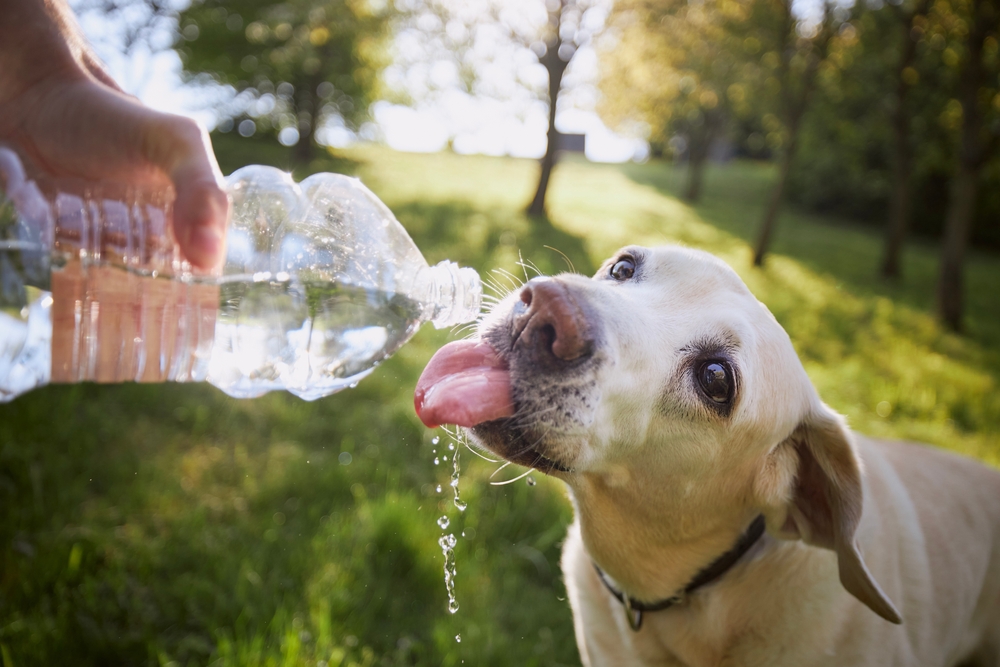
- Water everywhere: several bowls indoors and out, topped up at least twice a day, with a few morning ice cubes to keep it cool.
- Water on every outing: a collapsible bowl and a bottle in the car, since you cannot count on a park or trail having any.
- Cooling mats and damp towels: for rest spots, and a cooling mat works on body weight with no need for the fridge.
- A shade audit: wander the garden at midday and note where the shade actually falls, because shade at 8am is often gone by 2pm.
- Watching the panting: heavy or unusually loud panting is the first reliable warning, so call a break before it builds.
The table below is a rough guide for most healthy dogs. Flat-faced, senior, and overweight dogs move up a row at lower temperatures.
| Outdoor temperature | Risk for most dogs | Sensible approach |
| Up to 19°C | Low | Normal walks and play |
| 20 to 23°C | Moderate | Walk early or late, carry water |
| 24 to 27°C | High | Short walks only, shade and water, watch the panting |
| 28°C and above | Very high | Skip walks, keep indoors and cool |
Safe Outdoor Activities in Warmer Weather
Preventing heatstroke during a British summer mostly means rethinking the daily walk on warm days:
- Walk at sunrise or once the evening has cooled, rather than mid-morning or afternoon in a heatwave
- Test the ground with your hand, and if you cannot hold your palm to the tarmac or paving for seven seconds, it is too hot for paws
- Stick to grass, shade, or woodland paths, or use booties for unavoidable hot surfaces
- Shorten the walk, turning a 20-minute walk at 18°C into a 7-minute one at 26°C for the same dog
- Skip the midday play session entirely during a heatwave, and bring the fun indoors
Why Pets Should Never Be Left in Cars
Car interiors heat up far faster than most people realise. On a 24°C day, a parked car can reach 43°C within 30 minutes, even with the windows cracked. Hot vehicles kill pets every summer, because cracked windows do little to cool the inside and a quick errand can turn fatal. UK police and the RSPCA take these calls seriously, and if you would not leave a small child in the car, do not leave your pet. If your dog has been shut in a hot car, ring us straight away for advice before you start cooling.
How Do You Keep Outdoor Cats Cool?
Outdoor cats face heat risks that are easy to miss. For outdoor cat safety on warm days:
- Shaded water stations: ceramic or stainless bowls in the shade, refreshed twice daily because heat speeds up bacterial growth.
- Cool boltholes: a covered porch with cool tile, an open garage with shaded corners, or a catio with shade cloth.
- Less time out at peak heat: midday access during a heatwave is risky for any cat, especially older or heavier ones.
- No hot metal: car bonnets, metal garden furniture, and metal sheds can scorch paws. Cats don’t often think before they leap.
- Quick action on distress: open-mouth breathing in a cat is always an emergency, so bring them in, start gentle cooling, and ring us.
How Can You Keep Pets Cool Indoors Without Air Con?
Since air conditioning is uncommon in many UK homes, the indoor set-up makes the biggest difference, alongside boredom busters that keep pets occupied without overheating:
- Fans and cross-ventilation: open windows on opposite sides of the house to draw a breeze through.
- Cool flooring: tiled kitchens and bathrooms stay cooler than carpet, so make sure pets can reach them.
- Curtains drawn in sun-facing rooms during the hottest hours.
- Frozen treats: plain Greek yoghurt in a Kong, blueberries frozen in water, or low-salt broth lollies, with nothing containing xylitol or grapes.
- Indoor enrichment: snuffle mats, puzzle feeders, scent games, and slow trick training burn mental energy without raising body temperature, and DIY enrichment toys offer plenty of ideas from household bits.
Frequently Asked Questions About Summer Pet Safety
My Dog Seems Back to Normal After Overheating. Do I Still Need to Come In?
Please do. Heatstroke complications can develop 24 to 72 hours after the event, and kidney injury, liver damage, and clotting problems are invisible from the outside. A quick exam and bloodwork catch trouble early, when it is most treatable. Ring us first so we are ready when you arrive.
Can I Clip My Long-Haired Dog or Cat to Keep Them Cooler?
Usually not, with a few exceptions. Double-coated breeds like huskies, golden retrievers, and Australian shepherds rely on their coat for insulation against heat as well as cold, so clipping it can backfire and raise sunburn risk. Brushing out the undercoat helps far more. A single-coated pet is sometimes better off with a tidy trim, so ask us what suits your pet.
What Temperature Is Too Hot for a Walk?
It depends on the dog, but as a rough UK guide, above 24°C with humidity means very short walks or none for most dogs, and flat-faced, senior, or overweight dogs should not be walked above about 22°C. The seven-second pavement test gives you a reality check on top of the thermometer reading.
Are Cats Really at Risk of Heatstroke?
Cats are genuinely at risk, especially older or overweight cats, flat-faced breeds like Persians and Himalayans, and cats with heart or airway disease. An indoor cat in a poorly ventilated home during a heatwave is particularly exposed. Open-mouth breathing in a cat is always a red flag.
Keeping Pets Safe All Summer
Heatstroke is an emergency, but it is also one of the most preventable ones we see in summer. Early-morning walks, plenty of fresh water, shaded rest, indoor enrichment during the hottest hours, and a low threshold for stopping activity head off the vast majority of heat events. When something does go wrong, quick action and early triage save lives.
If you have questions about a safe summer routine for your dog, or you are worried about a pet who has been in the heat, our small animal team is here to help. Find your nearest of our centres across Devon and reach out to schedule a visit.




Leave A Comment