
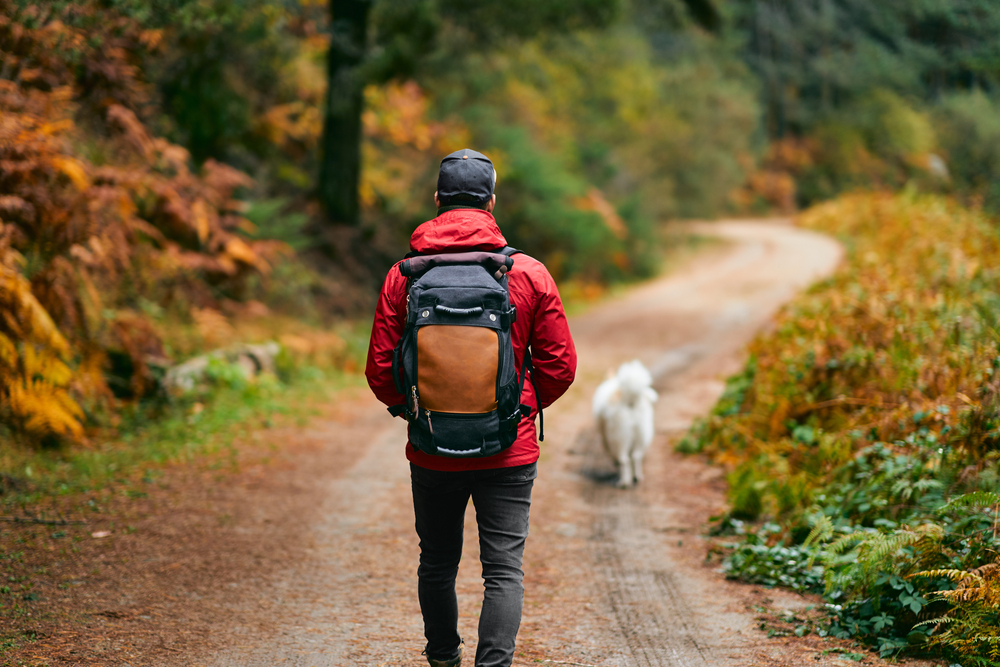
The hazards that most often land a dog at the vet after a countryside walk in the UK are adder bites, blue-green algae in stagnant water, lungworm from slugs and snails, ticks carrying Lyme disease, grass seeds working into paws and ears, and toxic plants or mushrooms. Livestock encounters, cliff falls, and cut paw pads round out the list, and each has its own timeline before it becomes serious. Dogs are also brilliant at hiding pain on the walk itself, so the limp, the lethargy, or the vomiting often only shows up back at the car or that evening.
Across Devon’s moors, coast paths, and woodland trails, The Vale Veterinary Group sees the full run of countryside injuries every week. Our four surgeries in Cullompton, Tiverton, Honiton, and Uffculme run a full range of in-hospital diagnostic testing, so when a dog comes in unwell after a walk we can work up the cause rather than guess at it. For registered clients we also run a 24-hour emergency service, which matters when a snake bite or a laceration happens late on a Sunday. If your dog has come home not quite right and you are not sure whether to wait or be seen, get in touch and we will help you decide.
The Short Version Before You Set Off
- Most walk-related problems we see, from grass seeds to injuries, do best with a same-day appointment, because these problems often seem more minor than they truly are.
- The season sets the hazard: heat and adders and grass awns in summer, mud-borne illness and hypothermia in winter, ticks and blue-green algae almost any time the weather turns mild.
- True emergencies, meaning adder bites, major falls, blue-green algae exposure, and suspected poisoning, need immediate attention, so call ahead and let our team prepare for you.
- Nearly all of it is preventable with sensible access rules, a post-walk once-over, year-round parasite cover, and a glance at the forecast and tide times before you set off.
What Are the Access Rules for Walking a Dog in the UK Countryside?
The UK has clear rules about where and how dogs can be walked, and knowing them keeps both your dog and the local wildlife safe. Safe countryside walking comes down to keeping a dog under close control near wildlife and livestock, sticking to paths, and following the access rules for wherever you are.
- The Countryside Code: Dogs may roam more freely on open access land than on a footpath through a farmer’s field, but the freedom comes with lead rules that tighten near stock and in nesting season. Keep dogs under effective control, on a lead near livestock, and clean up after them every time.
- Ground-nesting bird season: On open access land, dogs must be on a short lead between 1 March and 31 July to protect nesting birds.
- Livestock liability: If a dog worries or chases farm animals, the owner can face legal consequences, and in some cases a farmer protecting stock can legally shoot the dog.
The dangers shift month to month, so what threatens a dog on a hot July afternoon is nothing like what waits on a frozen January moor. Devon’s terrain adds its own layers, with woodland, open moor, farmland, and coast path often strung along a single loop. Once you know which hazards belong to which ground, deciding when to worry gets a lot simpler.
What UK Walking Hazards Should You Watch?
The main hazards on a British walk cluster into five themes: paw injuries, overheating, disease picked up from mud and wet ground, wildlife and livestock, and dangers around water and coast. A grass awn does not un-bury itself, an adder bite gets worse by the hour, and blue-green algae can turn fatal fast.
Here are the most common post-adventure problems we see:
| Hazard | Likely problem | What to do |
| Grass awn or burr in paw/ear | Migrating seed, abscess, head-shaking | Check and remove same day; see us if buried or already sore |
| Adder bite | Rapid swelling, pain, collapse | Emergency; carry the dog, keep calm, call ahead |
| Blue-green algae | Vomiting, seizures, collapse | Emergency; immediate vet attention |
| Overheating | Heavy panting, drooling, wobbliness | Cool with tap water and airflow, then vet |
| Cut pad on flint or glass | Bleeding, limping | Clean and cover; deep cuts need same-day care |
| Suspected poisoning (plant/fungus) | Drooling, vomiting, tremors | Photograph the source; call a vet promptly |
| Fall or awkward landing | Lameness, fracture | Stabilise and transport; do not splint |
| Hazard | Likely problem | What to do |
| Grass awn or burr in paw/ear | Migrating seed, abscess, head-shaking | Check and remove same day; see us if buried or already sore |
| Adder bite | Rapid swelling, pain, collapse | Emergency; carry the dog, keep calm, call ahead |
| Blue-green algae | Vomiting, seizures, collapse | Emergency; immediate vet attention |
| Overheating | Heavy panting, drooling, wobbliness | Cool with tap water and airflow, then vet |
| Cut pad on flint or glass | Bleeding, limping | Clean and cover; deep cuts need same-day care |
| Suspected poisoning (plant/fungus) | Drooling, vomiting, tremors | Photograph the source; call a vet promptly |
| Fall or awkward landing | Lameness, fracture | Stabilise and transport; do not splint |
What Are the Most Common Paw Hazards?
Paws take the brunt of a countryside walk, and in the UK the main culprits start with the barbed grass awns that ripen through summer, built to move one way only so a missed seed burrows inward rather than falling out. Alongside them come the burrs and thistles that catch in the coat and wedge between the toes, plus sharp ground and scorching summer pavement.
How Do You Prepare and Protect Paws Before a Walk?
A little prep before you leave the house saves a lot of tweezing later.
- Keep nails short: Regular nail trimming lowers the odds of a nail catching and tearing on rock, root, or stile.
- Check pads before you go: Look for existing cracks or tenderness that rough terrain will worsen.
- Consider foot protection: On flint, scree, or hot ground, protective booties spare the pads a battering.
What Should You Check on the Paws After a Walk?
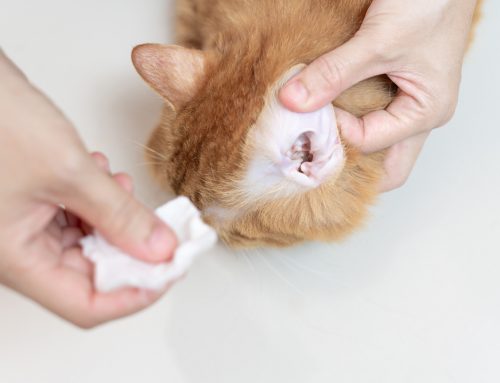
The post-walk paw check takes under a minute and catches most of what would otherwise become a midnight problem. Run a hand between every toe, into the webbing, and around the ears, feeling for seeds, splinters, and hidden cuts.
- Nails: Broken nails bleed and hurt, and a fully torn one needs seeing. A dab of styptic powder usually stops the bleeding in the meantime.
- Pads: Cuts on flint or glass that gape or keep bleeding warrant care.
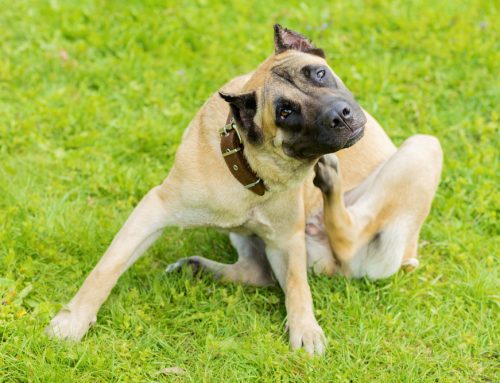
- Toes, webbing, and ears: Embedded awns and burrs need removing before they migrate; head-shaking after a walk often means a seed in the ear.
When Is It Too Hot or Too Cold to Walk?
It can be too hot to walk even on days that feel only warm: dogs overheat far quicker than people expect, and summer pavement can burn pads within seconds. Good summer safety means walking in the cool of early morning or evening and carrying water. Cold, wind, and wet bring their own risks in winter.
- Hot days: Never leave a dog in a car, and watch for heavy panting, drooling, bright-red gums, and wobbliness.
- Cold days: In winter, limit time out in extreme cold, dry dogs off afterward, and steer clear of frozen ponds that can give way.
- Both extremes: The vulnerable dogs, meaning brachycephalic, tiny, elderly, or unwell, feel it first, so shorten the walk before they struggle.
What Do Wet and Muddy Walks Bring?
Wet and muddy walks bring two UK concerns worth knowing by name, Alabama rot and lungworm, both treatable with early action.
Alabama rot is rare but serious and tied to muddy woodland walks. Wash the mud off after a wet outing and watch for unexplained skin sores in the days that follow. Lungworm is picked up when a dog swallows an infected slug or snail. Year-round parasite prevention and diagnostic testing are the single best defence. Our Premier Paws Club membership includes monthly lungworm and tick coverage.
How Dangerous Are Ticks and Lyme Disease?
Ticks are common across grassland, woodland, and moorland, where they can pass on Lyme disease, so prompt removal plus year-round prevention keep the risk low. Run your fingers through the coat after every walk, paying attention to the ears, armpits, groin, and between the toes.
- Remove correctly: Use a tick-removal tool to twist the whole tick out, head included, rather than squeezing the body.
- Watch for warning signs: Lameness, lethargy, fever, or a spreading rash in the weeks after a bite warrant a check.
- Prevent year-round: Ticks stay active through mild winters now, so cover should not lapse in the colder months.
What Should You Do If Your Dog Meets an Adder?
If you suspect an adder bite, treat it as a same-day emergency: carry your dog to reduce venom spread, keep them calm, and call ahead so we are ready when you arrive. The bite site swells quickly, and some dogs become dull, wobbly, or collapse.
Adders are the only venomous snake in the UK, basking on heath, moor, and coast through the warmer months, and a curious dog most often takes a bite to the nose or a leg. The bite is painful, so keep dogs on paths through adder country in spring and summer.
Which Plants and Mushrooms Are Poisonous to Dogs?
The wild plants to know are hemlock, foxglove, monkshood, and lords-and-ladies, with acorns and horse chestnuts (conkers) on the list too. Fly agaric and death cap lead the toxic mushrooms, but many mushrooms can be dangerous, so prevent your dog from eating any regardless of type. Knowing the worst offenders helps you decide quickly between watch-and-wait and driving straight in.
If your dog eats something you cannot identify, photograph the source and contact the Animal PoisonLine rather than waiting to see what happens.
How Do You Stay Safe Walking Near Livestock?
Staying safe near livestock comes down to a lead and a wide berth: keep your dog on a lead near sheep and cattle, give cattle extra room, particularly around calves, and if a field looks unsettled, find another route.
Many UK walks cross working farmland, and dogs worrying livestock is a serious matter both legally and for animal welfare. When walking near livestock, the lead protects the stock, keeps you on the right side of the law, and stops a startled animal turning on your dog.
What Orthopaedic Injuries Come From Tumbles on the Trail?
Hills, fells, stiles, and uneven ground are where orthopaedic injuries happen, ranging from a mild strain to a full fracture.
- Strains, tears, and sprains: Mild limping that eases with rest may settle, but limping that lingers past a day or worsens needs seeing. A cruciate ligament injury often shows as sudden hind-leg lameness after a twist or awkward landing. Sudden lameness that does not settle warrants prompt care.
- Fractures: With broken bones, non-weight-bearing lameness and a swollen or oddly angled limb mean stabilise and transport, do not splint.
Our centres have digital X-ray on site to promptly diagnose the problem, start pain control, and create a plan for treatment, whether it’s simple rest, a cast, or surgery.
What Are the Water and Coastline Dangers?
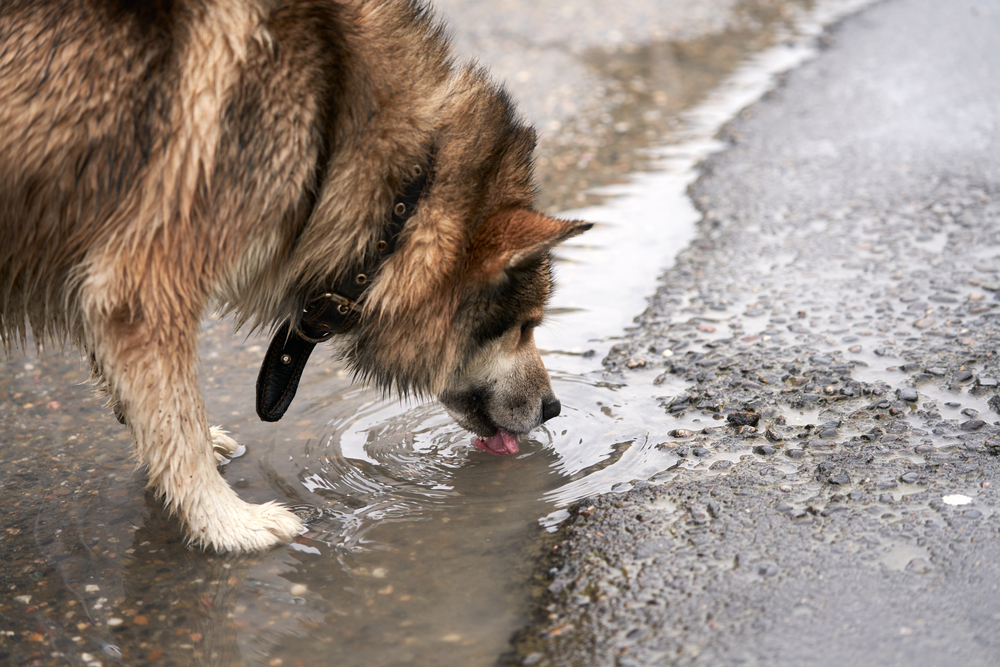
The biggest water danger is blue-green algae in warm, still water, which is toxic enough to kill a dog within hours of a drink or a paddle. You can download an app that tracks harmful algae blooms in the UK, and check it before letting your dog take a swim in lakes or ponds during warm weather. Watch for fast currents in streams and rivers, underwater branches for dogs who leap into lakes, and hypothermia if they take a dip in cold weather or fall through ice.
Coastal safety turns on checking tide times and conditions first. Crumbling cliffs, tidal cut-offs, and rip currents catch out walkers who did not look. Don’t let your dog drink salt water, and use a life jacket if they aren’t a strong swimmer. Both inland water and the coast reward a bit of planning before you set off.
How Can You Cut the Risk Before You Set Out?
Safe adventures start before you set out by building fitness gradually, packing for the actual conditions, following the access rules, and checking both the forecast and the tide times. The checklist is short and cheap, and the dogs we see least after walks tend to belong to households who prepared.
| Before you leave | Why it matters |
| Pre-season wellness visit | Makes sure your dog is healthy enough for an outing and up-to-date on preventive care needs |
| Microchip up to date, ID tag on collar | Legally required in the UK (the tag whenever your dog is in a public place), and the fastest route home if a dog bolts |
| Reliable recall and lead packed | Gets a dog off livestock, out of water, and away from an adder |
| Water and bowl | Prevents overheating and stops a dog drinking from risky water |
| Basic first aid kit | Styptic powder, tick tool, and a bandage cover the common calls |
| Before you leave | Why it matters |
| Pre-season wellness visit | Makes sure your dog is healthy enough for an outing and up-to-date on preventive care needs |
| Microchip up to date, ID tag on collar | Legally required in the UK (the tag whenever your dog is in a public place), and the fastest route home if a dog bolts |
| Reliable recall and lead packed | Gets a dog off livestock, out of water, and away from an adder |
| Water and bowl | Prevents overheating and stops a dog drinking from risky water |
| Basic first aid kit | Styptic powder, tick tool, and a bandage cover the common calls |
Getting a dog ready for a busy walking season also means keeping vaccines and parasite control current, and our Premier Paws Club memberships handle exactly that. Problems after a walk fall on a spectrum, and knowing where a symptom sits saves both worry and delay. A quick phone call on the way means our team is set up before you walk through the door, and for registered clients that emergency cover runs 24 hours a day, 7 days a week.
Frequently Asked Questions About UK Walking Hazards in Dogs
What Temperature Is Too Hot to Walk a Dog?
There is no single safe cut-off, but caution rises sharply around 20°C, and above roughly 24°C keep walks short, gentle, and reserved for early morning or evening. Flat-faced, overweight, very young, and senior dogs struggle sooner. Test the pavement with the back of your hand; too hot to hold for five seconds is too hot for paws.
What Should I Do If My Dog Is Bitten by an Adder?
Treat it as an emergency. Keep your dog as calm and still as possible, carry rather than walk them if you can, and avoid touching or bathing the wound. Note the time of the bite and any swelling, then head straight to a vet, calling ahead so the team can prepare. Prompt treatment gives the best outcome, and most dogs recover well when seen quickly, so do not wait to see whether the swelling settles on its own.
What Are the Signs of Alabama Rot After Muddy Walks?
The first sign is usually unexplained skin sores, often on the lower legs, paws, face, or belly, that can look like cuts, ulcers, or red patches your dog may lick. Over the following days, some dogs go on to show reduced appetite, vomiting, and lethargy as the kidneys become involved. Alabama rot is rare, but because early treatment matters, any unexplained sore after a muddy woodland walk is worth a same-day call.
Setting Your Dog Up for Safe Adventures
A safe UK walk comes down to knowing the access rules and respecting the handful of hazards that truly matter: paws, heat and cold, wet-weather illness, adders, livestock, water, and your dog’s talent for hiding pain until you are back at the car. Most of it is preventable with a little prep, and the rest is best handled by knowing exactly where to go when something goes wrong.
If your dog comes home not quite right and you would rather ask than worry, reach out for same-day advice and let us help you decide.




Leave A Comment