
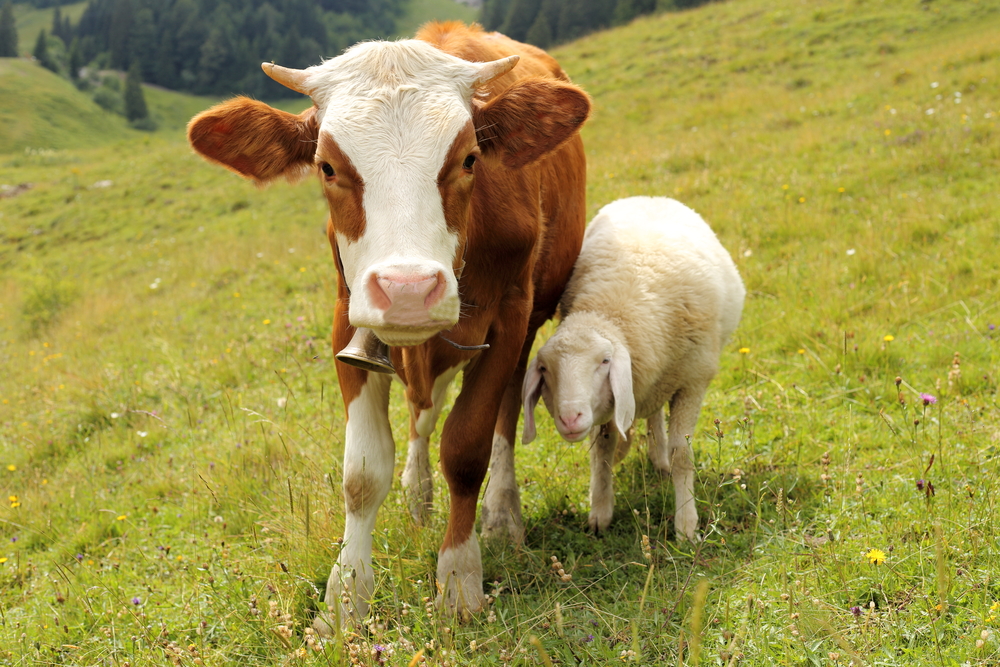
The right window to disbud a calf, kid, or lamb is in the first few weeks of life, before the horn bud fuses to the skull, because at that stage the tissue can be removed with far less pain, blood loss, and downtime than a full dehorning later on. Disbudding takes out the horn-forming cells before they attach to the bone; dehorning cuts away an established horn once it has grown in, and it is a bigger procedure with a longer recovery. Both are welfare decisions as much as management ones, since intact horns cause real injuries to herd mates and to the people handling them in a race or crush. In the UK, providing pain relief for the procedure is also a legal duty, not just good practice. The method, timing, and pain relief protocol you choose determine whether your young animals bounce back within a day or struggle for a week.
The Vale Veterinary Group covers herds across Devon and Somerset with a dedicated large animal team, and our vets on the farm services rounds plan disbudding and dehorning visits around the age of the youngstock, the facilities on your yard, and the sedation and local anaesthesia the job calls for. We work with herds of all shapes and sizes, from dairy to sheep, large herds and flocks to smallholders, so we can talk through cautery versus surgical technique, nerve blocks, and post-procedure anti-inflammatory cover for your specific animals. If you have a batch of calves, kids, or lambs coming through in the next few weeks, get in touch so we can book the visit before the buds harden and the job gets bigger.
What Matters Most
- Disbudding a calf, kid, or lamb in the first few weeks of life is far kinder and heals faster than dehorning an established horn later on.
- UK law requires a local anaesthetic for disbudding calves over two weeks of age, and best practice is to pair a local block with an NSAID for every animal, whatever its age.
- Any wound that breaks the skin needs tetanus cover, which means a clostridial, tetanus-inclusive vaccine for sheep and goats and toxoid or antitoxin planned for cattle.
- Breeding for polled genetics slowly takes horns out of the herd altogether, and it is worth building into your long-term plan.
Why Does Doing This Early Make Such a Difference?
Younger animals handle horn removal far better than older ones, healing quickly and needing less intensive pain control, which lowers stress for both the patient and the person doing the job. A three-day-old kid with a tiny bud is a very different case from a six-month-old goat with a rooted horn. The earlier you act, the smaller the wound and the shorter the road back to normal.
There is a real difference between the two procedures, and it drives everything that follows. Disbudding removes the horn-forming tissue before it anchors to bone, so the wound is smaller and recovery is faster. Dehorning becomes necessary once a horn has attached to the skull, and because it opens the frontal sinus it is more invasive and slower to heal. Catch it early and it is a bud; leave it and it is bone.
What Is the Best Age to Disbud Cattle Versus Goats?
The best age depends on the species, but the principle is the same across all of them: get in before the horn tissue anchors to the skull. That window is a matter of days in goat kids and a couple of weeks in calves, and slipping past it turns a quick cautery into a genuine surgery.
When should calves be disbudded?
The optimal window for calves falls within the first two weeks of life, while the horn buds are still free-floating and have not yet bonded to bone. This timing also keeps you the right side of UK law, which requires a local anaesthetic once a calf is over two weeks old. Dairy calves, handled daily and close to people, should be finished by eight weeks at the very latest. Beef and suckler calves out on pasture are best done at the earliest practical opportunity, so the job often lines up with a scheduled gather or health visit rather than a special trip.
When should goat kids and lambs be disbudded?
Disbudding goat kids and lambs works best at 3 to 7 days of age, while the buds are small and easy to find, and waiting past about three weeks raises the risk of scurs, those partial, misshapen horn regrowths. Kids and lambs grow horns fast, so the timing matters more here than with calves. Horn management in small ruminants has to account for species differences: the iron tip is finer, the contact time is shorter, the pain-control approach shifts, and breeding for polled genetics is an option. A goat or sheep is not a small cow. Our team can fold disbudding into on-farm visits that fit around routine calf, lamb, and kid checks, so the buds get caught at the right age without an extra trip out.
How Do You Manage Pain During Disbudding and Dehorning?
In the UK, managing pain during disbudding is a legal duty, not a courtesy. The Animal Welfare Act 2006 requires measures to relieve pain from painful procedures, reinforced by the more recent recognition of animals as sentient beings in law, and it specifically requires a local anaesthetic for disbudding calves over two weeks of age. Most vets now advise a local block for every calf, at any age, paired with an NSAID.
That legal baseline aside, effective pain management in livestock rests on a few things that fit together, and consistency is what makes it work: the same plan followed for every animal and every batch. Breed for polled genetics wherever you can, so fewer animals need the procedure at all. Disbud early, with calm handling, so the job stays small. Put in a local block for immediate relief, and follow it with an NSAID that carries comfort forward for days.
How do local anaesthetics help?
Local anaesthetics take away all feeling in the horn area for several hours, covering the sharpest part of recovery. In the UK a local block is legally required for disbudding calves over two weeks old, and it is best practice at any age. In cattle and goats, a cornual nerve block is the standard, placed to deaden the nerve that supplies the horn bud. Lidocaine is the common agent, and it is a prescription-only medicine that must come from a vet.
A few things make or break a block:
- Time to work: The block needs several minutes to take full effect before anything touches the bud, so patience here saves pain later.
- Test before you start: Numbness should be checked at the site first, never assumed.
- Withdrawal periods: These must be recorded and observed for any product used.
- Crew training: We can show your team where the block goes and how to restrain safely, so it is placed accurately every time.
Which NSAIDs help after the procedure?
NSAIDs take over once the local block fades, blunting inflammation and pain for the following days, which shows in steadier feeding and better recovery. NSAIDs for post-procedure comfort, including meloxicam for extended relief and flunixin as an alternative, keep the animal settled as the numbness wears off. In the UK these are prescription-only medicines, and some uses fall under the veterinary cascade for off-licence prescribing, so they need a vet’s involvement and observed withdrawal times. That is exactly where a working relationship with us earns its keep: we can set up dosing plans, record-keeping, and formal prescribing arrangements so the anti-inflammatory cover is legal, correct, and logged.
What Technique and Handling Should You Use?
The right method comes down to species, age, and whether the animal was disbudded early or has grown a horn that now needs removing. Good preparation and steady handling matter as much as the tool in your hand. Below are the main approaches, from the everyday hot iron to the mechanical removal reserved for older stock.
| Method | Best for | Typical age | Notes |
| Hot iron (cautery) | Calves, kids | First few weeks | Most common and recommended when done early |
| Caustic paste | Very young calves | First few days | More variable, needs close management |
| Mechanical dehorning | Older horned animals, scurs | Weeks to months old | Larger wound, full anaesthesia, cooler months preferred |
How should animals be restrained?
Calm, consistent low-stress handling reduces complications, and the right restraint depends on the animal: a disbudding crate for calves, a chute or tilt table for larger cattle, and a halter or towel wrap for kids. A wriggly kid bundled snugly this way settles without a struggle. Sedation has a place in select cases, but it calms an animal; it does not numb the horn, so it never replaces a local block and NSAID. Plan staffing and timing so nobody is rushing, because a hurried procedure is where things go wrong.
How is hot iron disbudding done?
Hot iron disbudding is the go-to method for calves and kids when done early: heat the iron fully, clip the hair, apply firm rocking pressure, and stop the moment a clean copper-coloured ring appears, since holding it longer can cause brain damage. That ring is your finish line, not a stopwatch. Iron application timing is even more critical in kids, whose thin skulls sit close to the brain, so the tip size must match the age and species and the contact must be brief. Afterwards, keep housing clean and dry, add fly control in warm weather, and check the sites over the following days for good healing.
When does caustic paste make sense?
Caustic paste can work within a calf’s first few days, but it brings more variable results, a higher chance of skin irritation, and real management challenges in group-housed calves that can pass paste to each other. It is not recommended after two weeks. If you use it, clip the hair, ring the bud with petroleum jelly as a barrier so paste cannot run onto healthy skin or into an eye, keep the calf out of the rain so it cannot wash and spread, and separate treated calves so they do not rub paste onto pen mates.
When is mechanical dehorning needed?
Mechanical dehorning is reserved for older horned animals or stubborn scurs, and because gouge or wire removal leaves a larger, slower-healing wound, it should be scheduled with proper anaesthesia, analgesia, and fly control in cooler months. Elastic banders are best avoided, as they fail often and drag pain out over days. For sheep and goats undergoing mechanical dehorning, full anaesthesia is recommended rather than local alone. This is planned surgery, not a yard job, and we can provide on-farm demonstrations plus team training and hands-on support for the cases that need it.
How Do You Protect Against Tetanus?
Any procedure that breaks the skin opens a door for Clostridium tetani, and disbudding or dehorning wounds are especially risky because damaged, low-oxygen tissue is exactly where this bacterium thrives. Once clinical tetanus appears, it is almost always fatal, so prevention is the only strategy that reliably works. That makes vaccination cover part of the procedure, not an afterthought.
How is tetanus prevented in cattle?
Tetanus toxoid is not always built into a cattle vaccination programme, yet it is worth adding before dehorning, since boosting cows in late gestation passes protective antibodies to their calves. Youngstock can also have their own injection at a routine handling, ahead of disbudding. For older cattle facing mechanical dehorning whose vaccination history is unknown or incomplete, tetanus antitoxin gives immediate, short-term protection to bridge the gap.
How is tetanus prevented in sheep and goats?
Tetanus is a well-known killer of sheep and goats, so guarding against it is essential rather than optional. A clostridial vaccine that covers tetanus anchors a small ruminant vaccine schedule: kids and lambs receive a first dose at 4 to 8 weeks with a second 3 to 4 weeks later, and antitoxin covers any kid disbudded before that series is complete. Does and ewes should get an annual clostridial booster in late pregnancy so protective antibodies pass to newborns through colostrum. We can review your flock’s vaccination timing and slot tetanus cover into every disbudding plan.
Can Polled Genetics Solve the Problem for Good?
Selecting for polled genetics removes horns from the equation entirely, which simplifies handling and improves welfare across the whole herd over time. Using polled sires alongside genomic testing lets a herd breed the need for disbudding down over several seasons. The catch is patience: this is a long-haul project, not a switch you flip.
Bringing in polled sires while balancing production traits is the core move, and genomic tools help identify carriers so you are not guessing. Map the breeding steps out over several seasons and revisit them in your annual herd plan, and the number of animals needing disbudding falls year on year until, for some herds, it disappears.
What Aftercare and Monitoring Do You Need?
Most disbudded youngstock are back to normal within a day or two, with the sites scabbing and healing over the following couple of weeks, so aftercare is mostly about hygiene and watching for the rare complication. Keep pens dry and well bedded, add fly control through the warm months, and give the sites a daily glance.
Watch for the warning signs: swelling, discharge, a bad odour, or excessive bleeding all mean something is off. Scurs, those small partial regrowths, can appear even after a good job, so note them and raise them with us at the next visit. If healing stalls or infection sets in, you can reach us the same day, because catching a problem early keeps a small setback from becoming a big one.
How Do You Build a Written Protocol With Your Vet?
A written protocol keeps everyone on the yard doing the same thing the same way, which is how care stays consistent and how you meet the growing expectation, and in places the legal requirement, that pain control is documented rather than just assumed. It turns a good intention into a repeatable standard that survives staff changes and busy weeks.
A solid protocol document should cover:
- Age targets and methods: the window for each species and whether you are using hot iron, paste, or surgical removal.
- Pain-control plan: the specific local block and NSAID approach, with dosing and withdrawal notes.
- Vaccination requirements: tetanus cover tied to each animal group.
- Training and personnel: who is trained, who does what, and when refreshers happen.
- Record-keeping: what gets logged for every animal and where.
Revisit it once a year so it keeps pace with current research and your changing herd. We can help you build a written protocol tailored to your operation, so it fits your animals and facilities rather than sitting in a folder.
Frequently Asked Questions About Disbudding and Dehorning in Livestock
Does disbudding really hurt if the animal barely reacts?
Disbudding genuinely hurts even when the animal barely reacts. A calm response does not mean a pain-free one; horn tissue is richly supplied with nerves. That is why a local anaesthetic block goes in first and an NSAID follows for the days after.
Judging pain by how much an animal struggles is unreliable. The standard of care, and in the UK the legal expectation, is to provide relief every time, regardless of how stoic the patient seems on the day.
What are scurs, and can I prevent them?
Scurs are partial, often loose or misshapen horn regrowths that appear when a little horn-forming tissue survives the procedure. They are most common when disbudding is done a bit late or the iron does not fully ring the bud. Disbudding at the ideal age, with a properly sized iron and a clean copper ring, is your best prevention. If a scur does turn up, note it and mention it to us; small ones can often be managed at a routine visit.
Can I disbud my own calves and kids without the vet?
On many farms, trained staff carry out routine disbudding, but the pain-control elements need a vet involved. Under UK law, a local anaesthetic is required to disbud a calf over two weeks of age, and the local anaesthetics like lidocaine and the NSAIDs used afterwards are prescription-only medicines that require a valid veterinary relationship and correct withdrawal times. We are happy to train your crew on technique, block placement, and safe restraint so the hands-on job is done well and legally, with the medicines and protocol backing it up.
Ready to Plan a Humane Horn Management Approach?
Planning humane horn management is simpler than it sounds. It rests on three things: disbudding early while the job stays small, pain relief as standard every time, and good technique that keeps results reliable batch after batch. A clear routine, followed consistently, gets your youngstock through with minimal fuss and keeps you compliant with UK welfare law.
Working it out together means the approach actually fits your herd, your facilities, and your goals for safety and welfare rather than a generic template. If you have calves, kids, or lambs coming through soon, our team can help you build a horn management plan for your herd. To get the timing right before the buds harden, book a farm visit.




Leave A Comment