
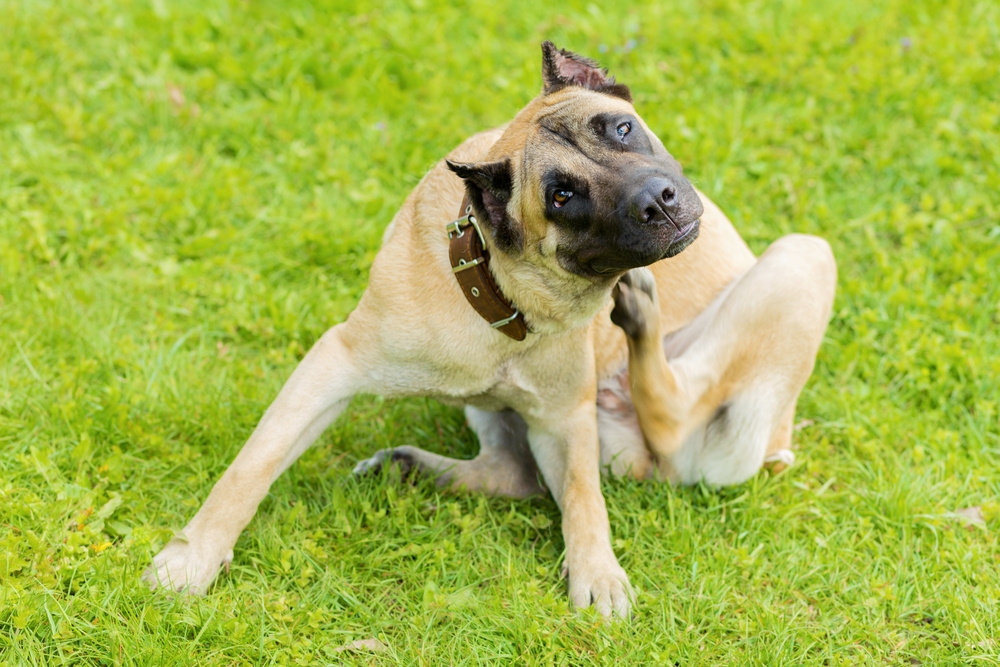
If your dog or cat is itchy, there is no shortage of products promising to soothe their skin. Medicated shampoos can help with yeast or bacterial overgrowth, moisturising shampoos and conditioners can support a dry or damaged skin barrier, and wipes, mousses and sprays can make it easier to treat troublesome areas between baths. There are also products designed for allergy-prone skin, irritated paws, recurrent skin infections and itchy ears. The difficult part is knowing which one your pet actually needs. An anti-itch product that helps one dog may do very little for another if the underlying causes of their itching are different.
Itchy skin is one of the most common reasons dogs and cats come to see us at The Vale Veterinary Group. Our small animal care includes dermatology work and in-house skin and ear cytology, so we can look for yeast, bacteria, parasites and other clues to what is driving the itch, then recommend products that make sense for your pet’s skin. If scratching, licking, chewing or recurrent skin and ear problems are becoming a pattern, book your pet in with us at any of our four Devon practices.
Four Things That Settle Sensitive Skin
- Sensitive skin nearly always traces back to a findable cause, and finding it first is what makes the shampoo choice obvious.
- The ingredients on the label matter far more than the brand on the bottle, and a medicated ingredient pointed at the wrong problem can leave the skin worse off than before.
- Favourite home fixes, human shampoo among them, along with essential oils and vinegar rinses, make sore skin worse instead of better.
- Most of the progress happens between baths, where wipes, ear cleaning, brushing and short nails stop small irritations building into a full flare.
What Makes Some Pets’ Skin So Easily Upset?
Sensitive skin is skin with a leaky barrier. The outer layer that should hold moisture in and keep allergens out doesn’t seal properly, so ordinary things like a new shampoo, a walk through long grass, or a freshly laundered blanket set off a reaction a sturdier coat would shrug off.
The signs tend to look like an overreaction to nothing much:
- Itch that never settles: scratching, licking, chewing paws or rubbing the face along the sofa most days, not just now and then.
- Coat and skin changes: greasy or flaky patches, a musty smell, redness between the toes, or dark thickened skin in the armpits and groin.
- Patchy fur loss: hair loss that leaves thin spots, bald patches, or fur that never quite grows back is a different thing from seasonal shedding, and it usually means the skin underneath is inflamed.
- Ear infections that keep coming back: head shaking and discharge that clear up on treatment, then return a few months later.
- Flares after contact: itching that starts after a new bed, a washed rug, a change of laundry detergent, or a spray used around the house.
Cats hide most of this, so an itchy cat is more often a bald strip along the belly or back legs, scabby bumps around the neck, or hairballs arriving more often than they used to. Either way the changes creep in slowly. We go over coat, paws, ears and skin folds at annual health checks, which is often where a pattern gets spotted before it turns into a proper flare.
Why Is My Pet Reacting to Things That Never Bothered Them Before?
Sensitive skin usually has two sources: a condition working on it from within, or a product working against it from without. Plenty of pets have both at once, which is why one itch can need two separate fixes.
- Allergies: Skin allergies rarely look like hay fever. They look like chewed paws, a face rubbed along the sofa, and ears that flare up every few months, with pollen, house dust mites and storage mites in dry food the usual culprits and food ingredients behind a smaller share.
- Fleas: For a truly flea-allergic animal, a single bite can trigger a full flare of flea allergy dermatitis, which concentrates the itch along the tail base and back legs and can keep a pet chewing for weeks after the flea itself is long gone. Year-round cover through our Premier Paws Club takes most of that risk off the table.
- Contact reactions: Contact dermatitis shows up where the fur is thinnest, so a pink belly, sore groin, or raw chin after a nap on a freshly washed rug points at something the skin touched rather than something in the food bowl. Fragrances, carpet powders, laundry detergents and grooming sprays are the repeat offenders.
- Mites and fungus: sarcoptic mange and ringworm can look exactly like an allergy flare, and both spread to other pets and to people, which is one reason a bathing plan shouldn’t start before the skin has been examined.
- Hormones and genetics: hypothyroidism and Cushing’s disease change coat quality and make infections linger, and both show up in bloodwork long before they change the skin much. West Highland Whites, French Bulldogs, Labradors, Boxers and Shar Peis are over-represented, and some cats are every bit as prone.
How Do We Work Out What’s Driving the Itch?
An examination of the skin itself, with a few targeted tests behind it, tells allergy apart from parasite, hormone imbalance from contact reaction, and each of those needs a different plan. Sorting the cause first is what makes choosing a product straightforward.
- Cytology and skin scrapes: a tape or swab sample under the microscope shows yeast such as Malassezia and the bacteria that come with it, while scrapes look for mites including Demodex and Sarcoptes.
- Bloodwork: thyroid and organ function testing when the coat, weight and energy levels point at a hormonal cause rather than an allergic one.
- Parasite treatments: A single flea bite can set off weeks of itching in a pet that’s sensitive, and you may never see the flea. Proper prevention for every pet in the household, all year, is the best way to rule out parasite-related itching.
- A diet trial: an elimination diet, run strictly with no treats or flavoured extras, is still the only reliable way to confirm a food trigger.
Skin cases are rarely solved in a single visit, and we’d rather say so up front. We’re an RCVS-accredited practice, and we’ll adjust the plan with you as results come back.
Which Ingredients Do the Real Work in a Sensitive-Skin Shampoo?
The label matters more than the brand. A handful of ingredients do nearly all the work, split into a soothing, barrier-supporting group that suits most itchy pets, and a medicated group that treats one specific problem. Matching that second group to a diagnosis is what separates a shampoo that helps from one that merely smells lovely.
| Ingredient | What it does | Best suited to |
| Colloidal oatmeal, aloe | Calms surface irritation and takes the edge off scratching | Most itchy pets, fair game without a diagnosis |
| Ceramides, fatty acids, phytosphingosine | Rebuild a leaky barrier and hold moisture in | Dry, flaky, allergy-prone skin |
| Chlorhexidine | Antibacterial, the workhorse for skin infection | Confirmed bacterial overgrowth |
| Miconazole, ketoconazole | Antifungal, targets yeast | Greasy, musty-smelling skin and ears |
| Benzoyl peroxide | Flushes hair follicles and degreases | Oily coats and follicular infection, though it can over-dry |
| Salicylic acid, sulphur | Lift scale and crust | Flaky, crusted conditions |
| Fragrance-free hypoallergenic bases | Clean without perfumes or harsh detergents | Contact-reactive pets and most cats |
Several of the medicated options are prescription-only, since the wrong one can set the skin back. If you’re in the aisle reading labels and getting nowhere, ring your nearest surgery and we’ll tell you which type fits your pet’s skin.
Which Home Remedies Make Sensitive Skin Worse?
Some of the most tempting fixes are the ones that backfire. Human shampoo, essential oils, vinegar rinses and coconut oil all get passed around online as gentle natural options, and every one of them can leave inflamed skin angrier than it found it.
- Human and baby shampoo: the wrong pH for a dog or cat, so it strips the protective oils a sensitive coat is already short of. Baby shampoo is gentle for babies, not for pets.
- Essential oils: a natural label is not a safety rating, and toxic essential oils such as tea tree, citrus, and eucalyptus sting broken skin and can poison a cat who grooms them straight back off.
- Apple cider vinegar: it’s an acid, and acid on cracked or weeping skin hurts. It also won’t clear the yeast people hope it will.
- Old-style flea shampoos: harsh on the coat, short-lived on the flea, and long outclassed by modern preventives that keep protecting for weeks at a stretch.
- Coconut oil: licked away almost as soon as it goes on, leaving a greasy coat and an upset stomach in exchange for nothing.
A product that stings as it goes on comes straight off with a plain lukewarm rinse, and we would rather suggest the replacement than have you guess, so ask our small animal vets which product to swap to before the next bath. If a pet has licked an oil or another product off their coat, Animal PoisonLine can tell you how urgent it is.
How Often Should a Sensitive-Skin Pet Be Bathed?
Frequency is set by the skin, not the calendar. Sensitive-skin dogs generally land somewhere between a weekly and a monthly bath, and a schedule set at an appointment outranks the number on any bottle. More flaking or itching the day after usually means too often, or the wrong product.
| Who | Typical rhythm | Worth knowing |
| Dogs with allergy-prone skin | Every one to four weeks | Stretch the gap if the coat dries out, shorten it if the smell returns fast |
| Any pet on a medicated plan | As set out at the appointment, then tapered | Contact time matters more than frequency |
| Cats | Rarely, unless a medicated plan calls for it | Wipes and no-rinse mousses usually cover it |
| Puppies and kittens | Only when genuinely needed | Use a product cleared for their age, and keep it brief |
The routine itself is mostly about slowing down:
- Brush first, so water and lather reach skin instead of sitting on top of the coat.
- Use lukewarm water. Hot water makes an itchy pet itchier.
- Work the shampoo in with fingertips rather than scrubbing.
- Give medicated formulas their full contact time, usually about ten minutes. Set a timer, because it feels far longer than it is.
- Rinse well past the point where it seems finished, then rinse again. Leftover residue is a classic cause of a post-bath flare.
- Dry thoroughly, especially deep facial folds, tail folds and armpits, because folds left damp turn into skin infections.
Regular grooming is a hands-on health check as much as a wash, because brushing and bathing is when lumps, scabs, fleas, and tender spots get noticed. Tight mats are their own hazard: they pull on skin, hide sores underneath, and are far safer clipped out by a professional with clippers than tackled at home with scissors. A standing appointment is also what stops a medicated plan slipping to next weekend.
What Keeps Skin Calm Between Baths?
What happens between baths does more for sensitive skin than the baths themselves. Pollen, mud and moisture build up daily, while the tub comes out weekly at best. Spot products matter most for flat-faced breeds with deep facial folds and for allergic pets whose paws collect everything they walk through.
- Wipes: a quick wipe of the paws after a muddy Devon walk clears grass sap and pollen before the licking starts. They’re also the simplest way to keep facial folds clean and dry.
- Sprays and mousses: a leave-on spray settles a small hot spot between baths, and a no-rinse mousse covers a cat or a nervous dog who can’t face water at all.
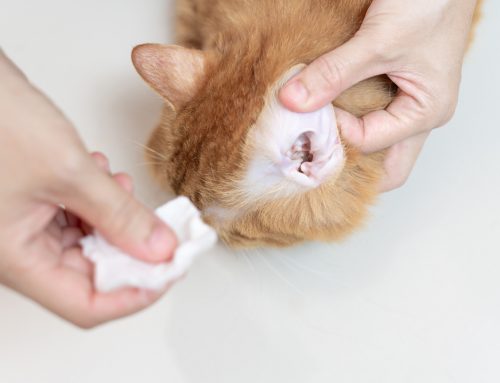
- Ears: allergy-prone pets are the ones who get ear infections over and over, so a routine clean with a veterinary ear cleaner does more to keep ears comfortable than any shampoo does.
- Nails: short nails mean less damage every time a pet has a scratch, and nail trimming every few weeks quietly prevents the gouges that turn an itchy patch into a weeping sore.
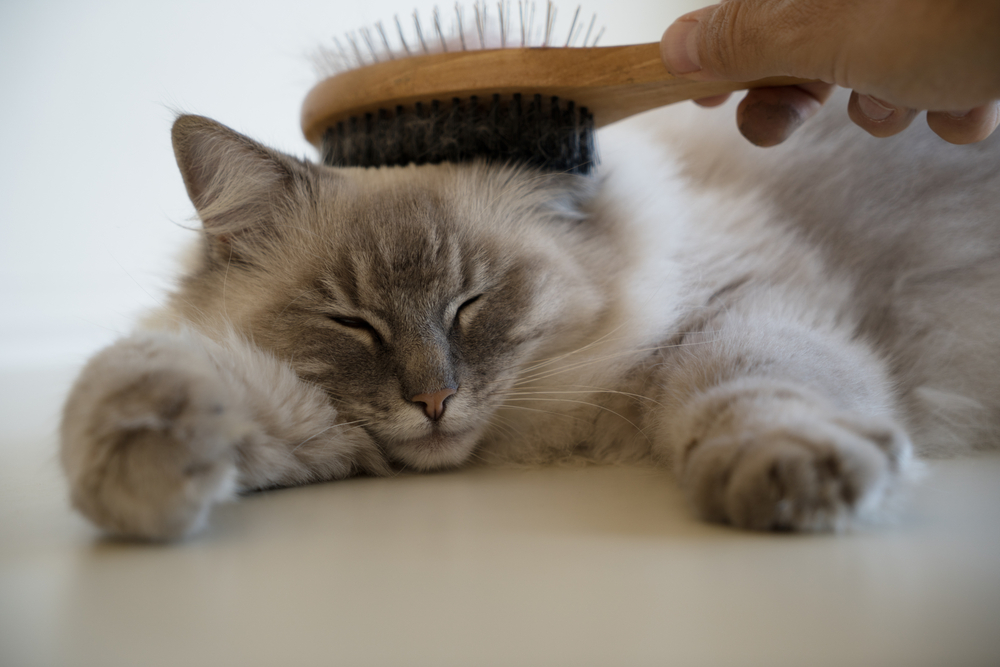
- Brushing: spreads natural oils along the coat, lifts dead hair, and stops mats forming over skin that then can’t dry.
If nail trims or ear cleaning turn into a wrestling match at home, our registered veterinary nurses can take them on and show you the grip that makes next time easier.
Common Questions About Sensitive-Skin Grooming
Can I use my own shampoo on my dog just this once?
Human shampoo is worth avoiding even for a one-off bath. Human skin sits at a more acidic pH than canine or feline skin, so our shampoos strip the protective oils a sensitive coat is already short of, and a single wash can leave a pet flaky and scratching for days. If you’re caught out and your pet is filthy, plain lukewarm water and a long rinse does less harm than the bottle in your shower.
My pet got itchier after I switched shampoos. Should I worry?
A flare in the day or two after a switch is worth acting on rather than waiting out. It usually means either a reaction to something in the new formula or residue left behind by a rinse that ended too soon. Stop using it, rinse the coat with plain lukewarm water, and give us a ring. If the skin looks red or weeping, or your pet won’t leave the spot alone, we’d rather see them sooner than later.
Do medicated wipes and mousses really treat anything?
Medicated wipes and mousses do treat the skin they touch, which is why they suit paws, facial folds and the patches a bath can’t reach often enough. The ones that work carry chlorhexidine, an antifungal, or a barrier ingredient. Freshening wipes and deodorising sprays are a different product altogether: they improve the smell and do nothing about yeast or bacteria, so read the ingredient list rather than the front of the packet.
Getting Bath Day Right for an Itchy Pet
Sensitive skin rewards patience and a plan far more than it rewards any single miracle bottle.
If the itch keeps winning at your house, that’s a reason for an appointment rather than another shampoo. Book a skin appointment with us at The Vale Veterinary Group and we’ll examine the skin, work out what’s behind it, and build a bathing and grooming routine that fits your pet, and your week.




Leave A Comment